Measuring wood length precisely can make all the difference between a perfect project and a frustrating mistake. If you’ve ever cut a piece too short or too long, you know how costly even a small error can be.
But don’t worry—this guide will show you simple, effective methods to measure your wood with confidence every time. Whether you’re a beginner or looking to sharpen your skills, learning these tips will save you time, money, and stress. Ready to get your measurements right?
Let’s dive in.
Choosing The Right Tools
Measuring wood length precisely needs the right tools. Using proper tools helps get accurate results quickly.
Different tools work best for different tasks. Choosing the right one depends on the level of precision you need.
Tape Measures Vs Rulers
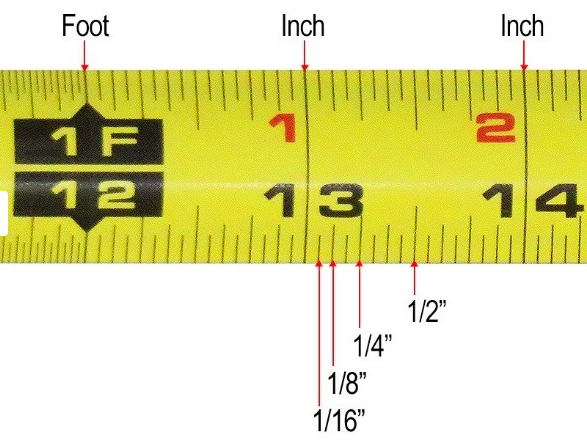
Tape measures and rulers are common tools for measuring wood. Tape measures are flexible and can measure long pieces easily.
Rulers are rigid and good for shorter lengths or straight edges. They give clear measurements but may not work well on curves.
- Tape Measures:Best for long or curved pieces
- Rulers:Best for short, straight pieces
- Accuracy:Rulers give more exact readings for small lengths
- Portability:Tape measures fold up and are easy to carry
Using Calipers For Precision
Calipers measure wood thickness and length with high accuracy. They are ideal for small or detailed work.
| Type of Caliper | Use | Precision |
| Vernier Caliper | Manual measurement | Up to 0.02 mm |
| Digital Caliper | Easy reading on screen | Up to 0.01 mm |
| Dial Caliper | Mechanical dial display | Up to 0.02 mm |
Calipers need careful handling. They work best on flat or round wood parts for precise cuts.
Laser Measuring Devices
Laser measuring tools use light to find distances quickly. They are good for measuring long wood pieces.
Advantages of Laser Measuring Devices:
- Fast measurement over long distances
- High accuracy within millimeters
- Easy to use with one hand
- Can measure hard-to-reach areas
Laser devices work best in clear spaces. Avoid bright sunlight that can affect the laser beam.
Credit: www.instructables.com
Preparing The Wood Surface
Measuring wood length accurately starts with good preparation. A clean and smooth surface helps you get exact results.
Take time to prepare the wood before marking or cutting. This avoids mistakes and wasted material.
Cleaning And Smoothing Edges
Remove dirt, dust, and rough edges from the wood. Clean edges give clear points to measure from.
Use sandpaper or a sanding block to smooth all edges. This stops the measuring tape from catching on splinters.
- Wipe the wood with a dry cloth to remove dust
- Sand edges gently until smooth
- Check for any chips or cracks and fix them
Marking Clear Start And End Points
Mark the exact start and end points for your measurement. Use a sharp pencil or marking tool for clear lines.
Make marks thin and precise. Thick lines can cause errors in measuring length.
- Choose a flat spot to place your measuring tape
- Draw a clear line where measurement begins
- Mark the end point carefully
- Double-check marks before measuring
Techniques For Accurate Measurement
Measuring wood length exactly is important for good results. Using the right methods helps avoid mistakes.
Learn simple ways to measure wood pieces with care. These tips make your work easier and more precise.
Aligning Tools Properly
Place your measuring tape or ruler flat on the wood. Make sure the tool starts exactly at the wood’s edge.
- Check that the tape is straight and tight.
- Use a square tool to align the tape at right angles.
- Hold the tool steady with one hand while measuring.
Measuring Multiple Times
Measure the wood length more than once to confirm accuracy. This avoids errors caused by slipping or wrong reading.
- Mark the start and end points clearly.
- Measure from the same points each time.
- Compare the results to see if they match.
- If numbers differ, measure again carefully.
Avoiding Parallax Errors
Look straight at the measuring marks. Viewing from an angle changes the reading and causes mistakes.
| Tip | Reason |
| Keep eyes level with measurement mark | Prevents wrong reading from side view |
| Use a clear ruler with big numbers | Makes it easier to see exact length |
| Use a magnifier if needed | Helps read small marks accurately |

Credit: rhythmsofplay.com
Handling Measurement Challenges
Measuring wood length precisely can be tricky. Wood often has unique shapes and changes in size. You need good methods to get correct measurements.
This guide explains how to handle common measurement challenges. Learn how to measure irregular shapes, wood warping, and size changes due to weather.
Measuring Irregular Shapes
Wood pieces may have uneven edges or curves. Using a simple ruler might not give the right length. You need to measure carefully along the shape.
- Use a flexible tape measure to follow curves.
- Mark points along the wood’s edge with a pencil.
- Measure between marks and add totals for length.
- For complex shapes, break the wood into sections and measure each.
Dealing With Wood Warping
Wood warps when it dries or absorbs moisture. Warping changes the wood’s shape and length. You must measure the wood in the right way to avoid errors.
| Warp Type | Description | Measurement Tip |
| Cupping | Edges curve up or down | Measure from peak to peak along the curve |
| Bowing | Wood bends along its length | Use a flexible tape to follow the bend |
| Twisting | Ends rotate in opposite directions | Measure each edge separately and compare |
Adjusting For Expansion And Contraction
Wood changes size with temperature and humidity. It can expand or shrink. You must adjust measurements to get accurate lengths for your project.
- Measure wood in the environment where it will be used.
- Allow extra length for expansion if wood will be in a warm place.
- Measure after wood has acclimated to room conditions.
- Use moisture meters to check wood moisture levels before measuring.
Recording And Verifying Measurements
Measuring wood length precisely is important for good results. Recording and checking measurements helps avoid mistakes.
Careful notes and double-checking ensure your wood pieces fit well. Use clear records and tools to be exact.
Writing Down Measurements Clearly
Write measurements right away to stop forgetting. Use a pencil and a notebook or a digital device for notes.
Write numbers legibly and add units like inches or centimeters. Mark if the length is exact or approximate.
- Note exact numbers with fractions or decimals
- Use clear handwriting or typed text
- Add notes about where the measurement was taken
- Keep all measurements in one place
Double-checking Critical Dimensions
Check important measurements twice before cutting wood. This stops costly errors and wasted materials.
Measure the wood again or ask someone else to confirm. Measure from different points to be sure.
- Measure the wood length twice or more
- Compare measurements with your notes
- Use a helper to verify critical sizes
- Check angles and edges if needed
Using Digital Tools For Accuracy
Digital tools give precise measurements fast. Use digital tape measures or apps to record lengths.
Digital tools reduce reading errors. Some tools save measurements automatically for easy access.
- Use digital tape measures with laser guides
- Try smartphone apps for measuring and notes
- Save measurements in digital files or cloud storage
- Use tools with memory to track multiple lengths
Tips From Woodworking Experts
Measuring wood length accurately is important for every woodworking project. Even small errors can cause problems in fitting pieces together.
Experts use simple tips and careful habits to get the right measurement every time. These tips help avoid waste and improve results.
Common Mistakes To Avoid
One common mistake is not checking the measuring tool for damage. A bent tape measure or broken ruler gives wrong numbers.
Another error is measuring from the wrong point on the wood. Always start at the exact edge or marked spot.
- Do not guess or round numbers too early
- Avoid measuring wood that is not flat or stable
- Do not forget to double-check your measurement
Best Practices For Consistency
Use the same measuring tool for all parts of a project. This keeps numbers consistent and reduces errors.
Mark measurements clearly with a sharp pencil. Faint marks can be hard to see and cause mistakes.
- Always measure twice before cutting
- Hold the tape measure tight and straight
- Use clamps to hold wood steady when measuring
Maintaining Your Measuring Tools
Keep your tape measure clean and dry. Dirt and rust can change the tape length and cause wrong readings.
Store rulers and tape measures flat or rolled properly. Avoid bending or dropping them to keep them accurate.
- Wipe tools with a soft cloth after use
- Check tape markings regularly for wear
- Replace tools that are damaged or unreadable

Credit: www.reddit.com
Frequently Asked Questions
How Do I Measure Wood Length Accurately?
Use a reliable tape measure or ruler. Align it straight along the wood’s edge. Read the measurement at the end point. Double-check for precision before marking or cutting.
What Tools Ensure Precise Wood Measurement?
Tape measures, steel rulers, and calipers are best. Choose tools with clear, fine markings. Use clamps to hold wood steady during measuring.
How To Avoid Common Wood Measuring Mistakes?
Always measure twice before cutting. Keep the measuring tool straight and flush with the wood. Avoid measuring on uneven surfaces.
Why Is Precise Wood Measurement Important?
Accurate measurements prevent material waste and improve project quality. It ensures parts fit perfectly and reduces costly errors.
Conclusion
Measuring wood length accurately ensures precise cuts and less waste. Start by gathering the right tools. A tape measure or a ruler works well. Always double-check your measurements. This avoids costly mistakes. Measure twice, cut once, as the saying goes.
Consistency is key to achieving accuracy. Practice will enhance your skills over time. Remember, patience leads to better results. Keep your tools in good condition for reliable measurements. Stay organized and focused during the process. This practice saves time and effort.
With these tips, you’ll measure wood length precisely and confidently.