Mulching around your flower beds might seem simple, but doing it the right way can make a huge difference in your garden’s health and beauty. If you want to keep your flowers thriving, reduce weeds, and save time on maintenance, you need to mulch efficiently.
You’ll discover easy steps and smart tips that anyone can follow. By the time you finish reading, you’ll know exactly how to protect your plants and make your flower beds look their best—all without extra hassle. Ready to transform your garden?
Let’s dive in.

Credit: www.woohome.com
Benefits Of Mulching Flower Beds
Mulching flower beds helps plants grow better. It covers the soil and protects plants in many ways.
Using mulch around your flowers makes gardening easier and keeps your garden healthy.
Improving Soil Health
Mulch breaks down over time and adds nutrients to the soil. This helps plants get food from the ground.
It also helps soil stay loose and full of air. Good soil lets roots grow strong and healthy.
Retaining Moisture
Mulch keeps water in the soil by slowing evaporation. This means plants stay hydrated longer.
Less watering is needed, which saves time and water. Healthy soil also holds moisture better with mulch.
Suppressing Weeds
Mulch blocks sunlight from reaching weed seeds. This stops many weeds from growing in flower beds.
Fewer weeds mean less work pulling and less competition for nutrients and water.
Enhancing Garden Aesthetics
Mulch gives flower beds a neat and clean look. It comes in many colors and textures to match your garden style.
A fresh layer of mulch makes plants stand out and creates a beautiful garden space.
Choosing The Right Mulch
Mulching helps keep flower beds healthy and neat. Picking the right mulch can save time and water.
Choosing the best mulch depends on your garden needs and plant types. This guide explains key points to help you decide.
Organic Vs Inorganic Mulch
Organic mulch comes from natural materials like wood or leaves. It breaks down over time and adds nutrients to the soil.
Inorganic mulch is made from man-made materials such as plastic or rubber. It does not decompose and lasts longer.
- Organic mulch improves soil quality
- Inorganic mulch controls weeds well
- Organic mulch needs replacement often
- Inorganic mulch keeps color longer
Popular Mulch Materials
Many types of mulch suit flower beds. Some are easy to find and work well in most gardens.
- Wood chips: good for moisture and looks
- Straw: cheap and light, but breaks fast
- Compost: adds nutrients, improves soil
- Rubber mulch: long-lasting, stops weeds
- Gravel or stones: lets water through, no decay
- Plastic mulch: blocks weeds, warms soil
Factors To Consider
Think about your garden’s needs before choosing mulch. Some mulches work better in certain situations.
- Plant type: some mulches suit certain plants
- Soil condition: organic mulch helps poor soil
- Climate: mulch helps keep soil warm or cool
- Maintenance: organic mulch needs more work
- Cost: some mulches cost more than others
- Appearance: pick mulch that looks good in your bed
Preparing Flower Beds For Mulching
Mulching flower beds helps keep soil moist and reduces weeds. Proper preparation makes mulch work better and last longer.
Before adding mulch, you need to clear debris, prepare the soil, and edge the bed for a neat look.
Clearing Debris And Weeds
Remove leaves, sticks, and dead plants from the flower bed. Pull out weeds by hand or use a hoe to clear them.
- Pick up fallen leaves and plant debris
- Pull weeds, making sure to remove roots
- Dispose of debris to prevent pests and diseases
Soil Preparation Tips
Good soil helps mulch stay in place and supports plant health. Loosen the soil and add compost if needed.
| Soil Task | Purpose |
| Loosen soil | Improves water drainage and root growth |
| Add compost | Provides nutrients for plants |
| Level surface | Helps mulch spread evenly |
Edging For Neatness
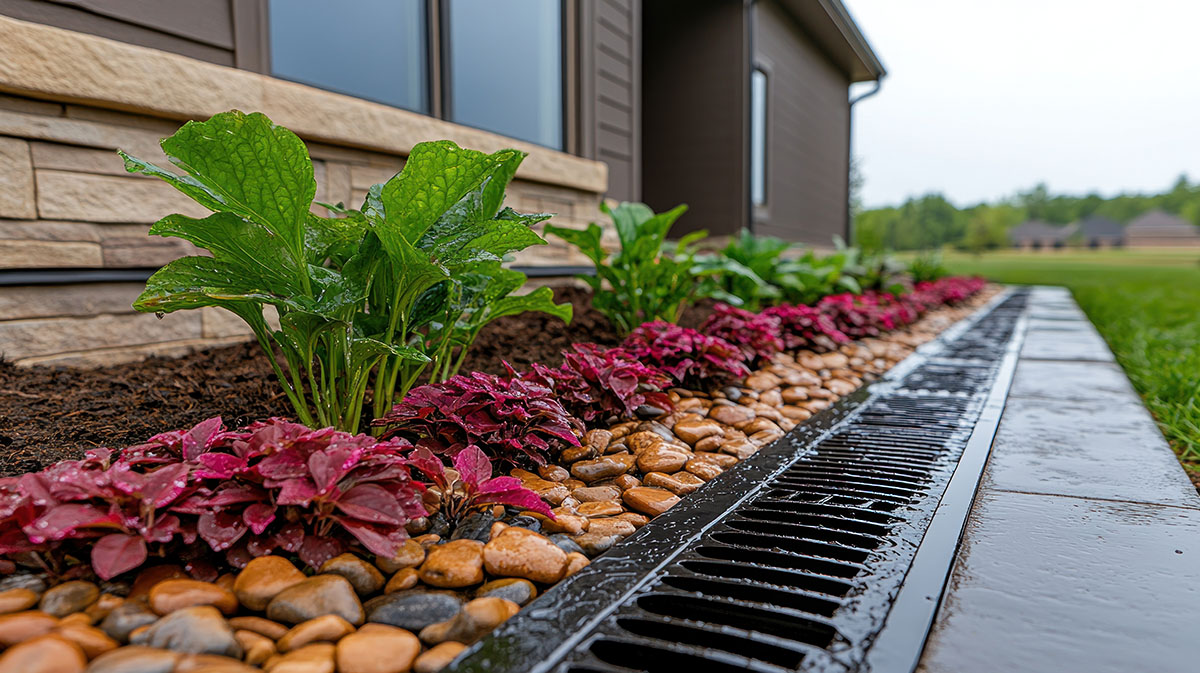
Create a clear border around the flower bed. Edging keeps mulch inside and gives a tidy appearance.
- Use a garden spade or edging tool to cut a clean line
- Remove grass or soil from the edge
- Consider installing plastic or metal edging for long-term neatness
Credit: www.lawnstarter.com
Step-by-step Mulching Process
Mulching flower beds keeps soil moist and controls weeds. Doing it right helps plants grow strong. Follow these simple steps to mulch efficiently.
This guide covers the correct mulch depth, how to apply it evenly, and common mistakes to avoid.
Correct Mulch Depth
Apply mulch at the right thickness to protect plants and soil. Too little mulch dries out quickly. Too much can stop water and air from reaching roots.
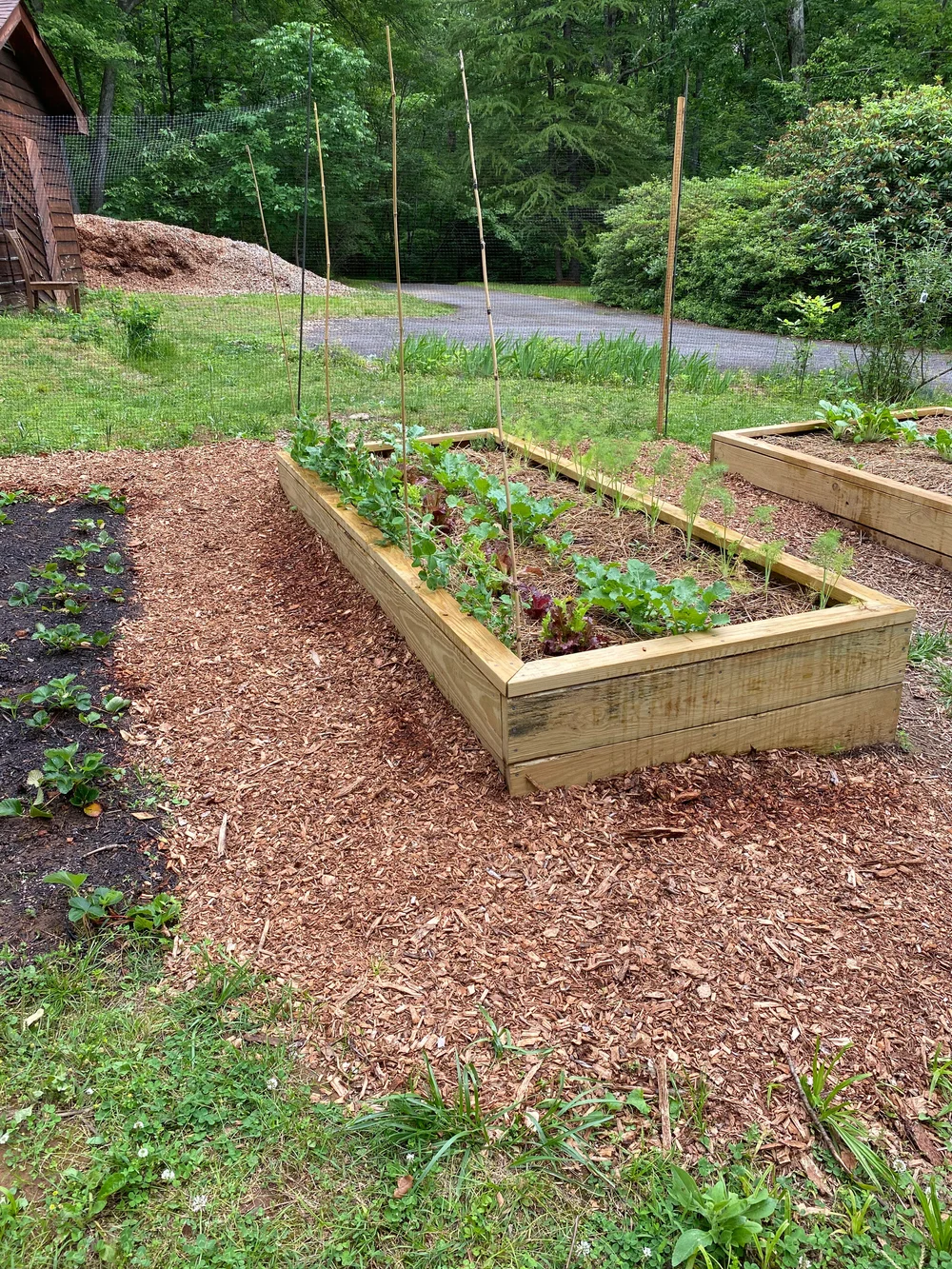
- Spread mulch 2 to 3 inches thick around plants.
- Keep mulch a few inches away from plant stems to prevent rot.
- Check mulch depth regularly and add more if needed.
Applying Mulch Evenly
Even mulch helps soil absorb water and keeps the area looking neat. Uneven mulch can cause dry spots or promote pests.
| Tips for Even Mulch Application |
| Use a rake to spread mulch uniformly. |
| Start from the center and work outwards. |
| Check for bare spots and fill them. |
| Avoid piling mulch into mounds. |
Avoiding Common Mistakes
Some mistakes can harm plants even when mulching correctly. Watch out for these to keep your flower beds healthy.
- Do not mulch too close to plant stems.
- Avoid using mulch that contains weed seeds.
- Do not apply mulch on wet soil to prevent mold.
- Remove old mulch before adding new layers.
Maintaining Mulched Flower Beds
Mulching helps keep flower beds healthy and neat. It stops weeds, keeps soil moist, and adds nutrients.
To keep your flower beds looking good, you need to maintain the mulch properly. This guide will help you care for your mulch.
When To Reapply Mulch
Mulch breaks down over time and gets thin. You should add new mulch to keep a layer about 2 to 3 inches thick.
Check your flower beds every few months. If mulch looks faded or soil shows through, it is time to add more.
- Spring and fall are good times to add mulch
- After heavy rain, check if mulch is washed away
- Reapply mulch to control weeds and keep soil cool
Monitoring Moisture Levels
Mulch helps soil keep water, but you still need to watch soil moisture. Too dry or too wet soil can harm plants.
Check soil by sticking your finger about 2 inches deep. If soil feels dry, water your plants gently.
- Water in the early morning or late evening
- Keep mulch loose to let water reach soil
- Adjust watering based on weather and plant needs
Managing Pests And Diseases
Mulch can sometimes attract pests or hide diseases. Watch your flower beds for signs of bugs or sick plants.
Remove old or moldy mulch to stop problems. Use clean tools to avoid spreading diseases between plants.
- Look for chewed leaves or holes in plants
- Check for fungus or mold on mulch and plants
- Replace mulch if it smells bad or looks slimy
Expert Tricks For Efficient Mulching
Mulching helps keep flower beds healthy and neat. It protects soil and saves water. Using mulch right can make gardening easier.
Learn how to mulch efficiently with tips for different seasons, mixing with fertilizers, and using the best tools.
Using Mulch For Seasonal Changes
Mulch changes with the seasons to support plant health. In spring, use light mulch to warm soil. In summer, thick mulch keeps roots cool. In fall, add leaves to build soil nutrients. In winter, use straw or pine needles to protect roots from frost.
- Spring: Apply thin layer to warm soil quickly
- Summer: Use thick mulch to hold moisture and cool roots
- Fall: Add shredded leaves to enrich soil
- Winter: Cover with straw or pine needles to protect from cold
Combining Mulch With Fertilizers
Mixing mulch with fertilizer gives plants extra nutrients. Use organic fertilizers under mulch to feed soil life. Avoid placing fertilizer on top of mulch to stop burning plants.
| Type of Fertilizer | Best Use with Mulch |
| Compost | Spread under mulch for steady feeding |
| Granular fertilizer | Apply below mulch, not on top |
| Liquid fertilizer | Use with caution; water into soil before mulching |
Tools To Make Mulching Easier
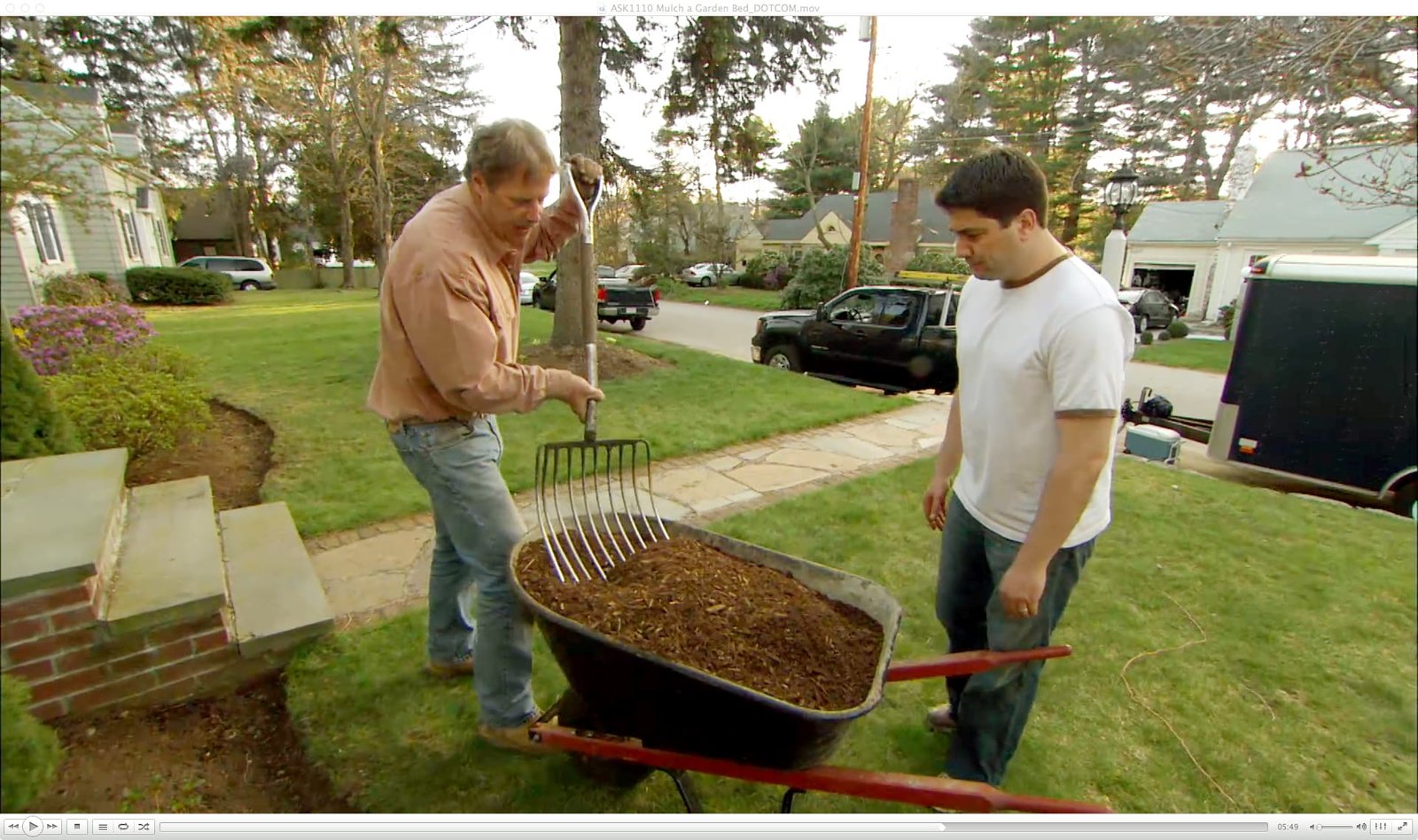
Using the right tools saves time and effort. A wheelbarrow moves mulch fast. A garden rake spreads mulch evenly. Gloves protect hands from dirt and sharp edges.
- Wheelbarrow for transport
- Garden rake to level mulch
- Gloves for hand protection
- Garden fork to loosen soil before mulching
Credit: www.thunderbirddisco.com
Frequently Asked Questions
What Is The Best Mulch For Flower Beds?
Organic mulches like bark, wood chips, or compost are best. They enrich soil, retain moisture, and suppress weeds effectively.
How Thick Should Mulch Be Around Flower Beds?
Apply mulch 2 to 3 inches thick. This depth balances moisture retention and air circulation for healthy plant roots.
When Is The Best Time To Mulch Flower Beds?
Mulch in spring after soil warms or in late fall. This protects roots and conserves moisture during seasonal changes.
How Do I Prevent Mulch From Harming Flowers?
Keep mulch 1-2 inches away from plant stems. This prevents rot and allows proper airflow around the plants.
Conclusion
Mulching around flower beds boosts plant health and beauty. Choose organic or inorganic mulch based on your needs. Spread it evenly for optimal coverage. Maintain a 2-3 inch thickness for best results. Keep mulch away from plant stems to prevent rot.
Regularly check and refresh the mulch layer. This helps retain moisture and control weeds. Proper mulching nurtures strong and vibrant blooms. Simple steps, big impact. Happy gardening!