Are you ready to give your young plants the best start in life? Mulching can be the secret ingredient that transforms your garden from ordinary to extraordinary.
But there’s more to mulching than just scattering a layer of wood chips around your plants. If done correctly, mulching can help retain moisture, suppress weeds, and even regulate soil temperature, creating the perfect environment for your young plants to thrive.
Imagine walking through your garden and seeing lush, vibrant plants that seem to be singing with health and vitality. That’s the power of proper mulching. Dive in, and discover how you can mulch around your young plants properly to ensure they grow strong and healthy. Your garden will thank you!
Benefits Of Mulching Young Plants
Mulching is a simple way to help young plants grow strong. It protects the soil and keeps plants healthy.
Using mulch around young plants gives many benefits. It saves water, controls weeds, and keeps soil rich.
Moisture Retention
Mulch helps the soil hold water longer. This keeps young plants from drying out during hot days.
It reduces the need to water often. Mulch slows down evaporation and keeps moisture in the soil.
Weed Control
Mulch blocks sunlight from reaching weed seeds. This stops weeds from growing near young plants.
Fewer weeds mean less competition for nutrients and water. Mulch helps young plants get what they need.
Soil Temperature Regulation
Mulch keeps the soil cool in summer and warm in winter. This protects young plant roots from extreme temperatures.
Stable soil temperature helps plants grow steadily and avoid stress. Mulch acts as a natural temperature shield.
Nutrient Supply
Organic mulch breaks down and adds nutrients to the soil. This feeds young plants and improves soil health.
Mulch also encourages helpful soil creatures. These creatures help make nutrients available for plants.
Choosing The Right Mulch
Mulching helps young plants grow strong by keeping soil moist and cool. Picking the right mulch is key for healthy growth.
This guide explains different mulch types and what suits your plants best.
Organic Vs Inorganic Mulch
Organic mulch comes from natural materials like leaves and wood. It improves soil by adding nutrients as it breaks down. Inorganic mulch uses materials like plastic or stones. It does not add nutrients but lasts longer and controls weeds well.
Common Mulching Materials
- Wood chips: great for trees and shrubs; slow to decompose.
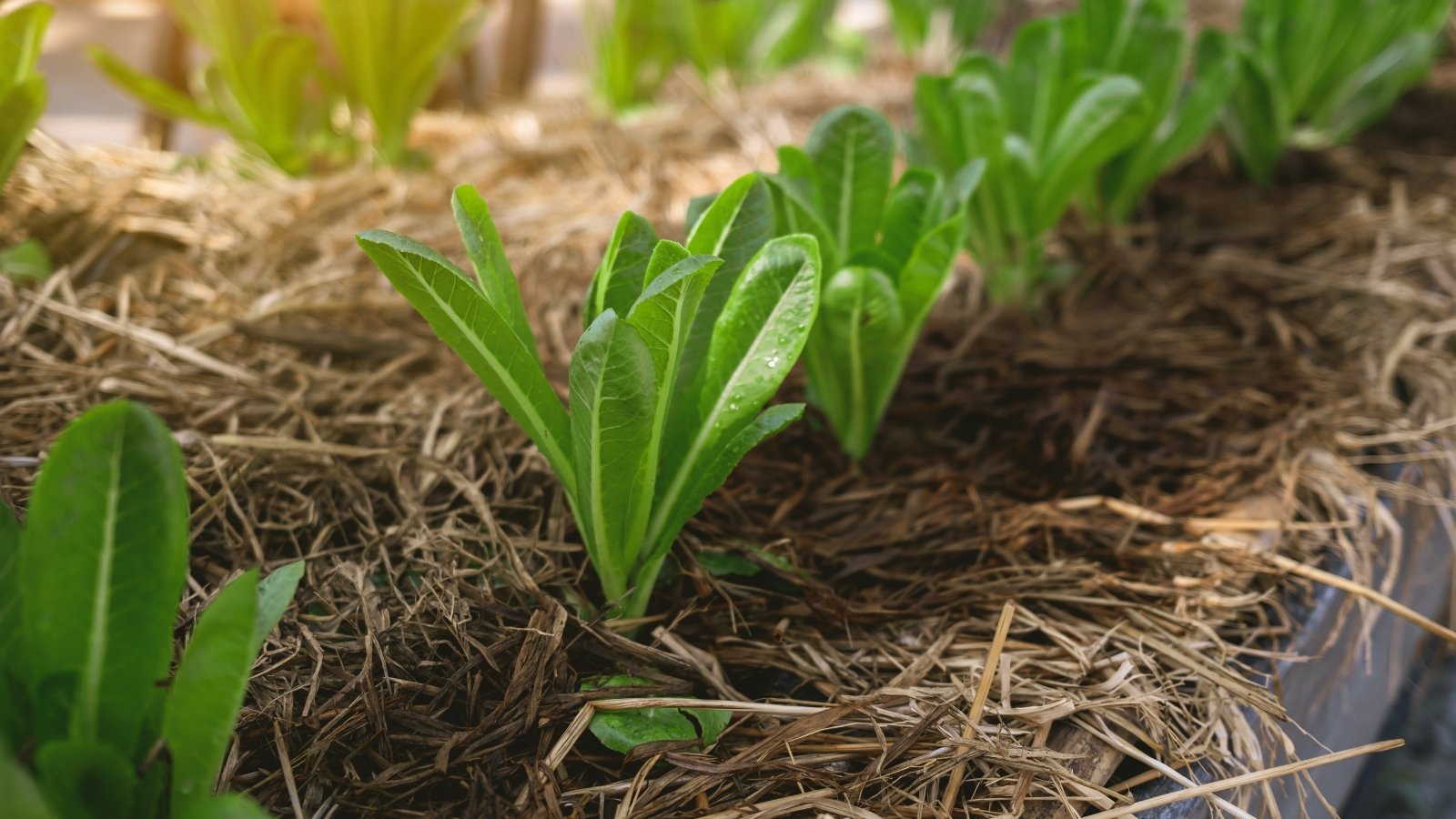
- Straw: good for vegetable gardens; adds nutrients.
- Leaves: easy to find and enrich soil; best shredded first.
- Plastic sheets: keep weeds away; can warm soil in spring.
- Gravel or stones: long-lasting; good for dry areas but do not improve soil.
Considerations For Plant Types
| Plant Type | Best Mulch Type | Notes |
| Vegetables | Straw or shredded leaves | Keeps soil moist and adds nutrients |
| Flowering plants | Wood chips or bark | Good for moisture retention and weed control |
| Succulents | Gravel or stones | Prevents excess moisture and root rot |
| Young trees | Wood chips | Protects roots and adds organic matter |
Preparing The Area For Mulching
Mulching helps keep soil moist and stops weeds from growing. It also protects young plants as they grow strong.
Before adding mulch, prepare the area carefully. This helps the mulch work better and keeps plants healthy.
Clearing Weeds And Debris
Remove all weeds and debris from around young plants. Weeds compete for water and nutrients.
Clear leaves, sticks, and old mulch to make a clean area. This prevents pests and diseases.
Soil Moisture Check
Check if the soil is moist before mulching. Mulch keeps moisture in but should not cover dry soil.
Water the soil lightly if it feels dry. Mulching over wet soil can cause rot and harm plants.
Applying Fertilizer If Needed
Test the soil to see if plants need fertilizer. Young plants grow better with proper nutrients.
Apply fertilizer evenly around the plants. Avoid placing fertilizer directly under the mulch layer.
Credit: www.epicgardening.com
Correct Mulching Techniques
Mulching helps young plants grow strong and healthy. It keeps soil moist and controls weeds. Using the right technique protects your plants from damage.
Follow these simple tips to mulch around young plants the right way. Proper mulching encourages good root growth and prevents problems.
Proper Mulch Depth
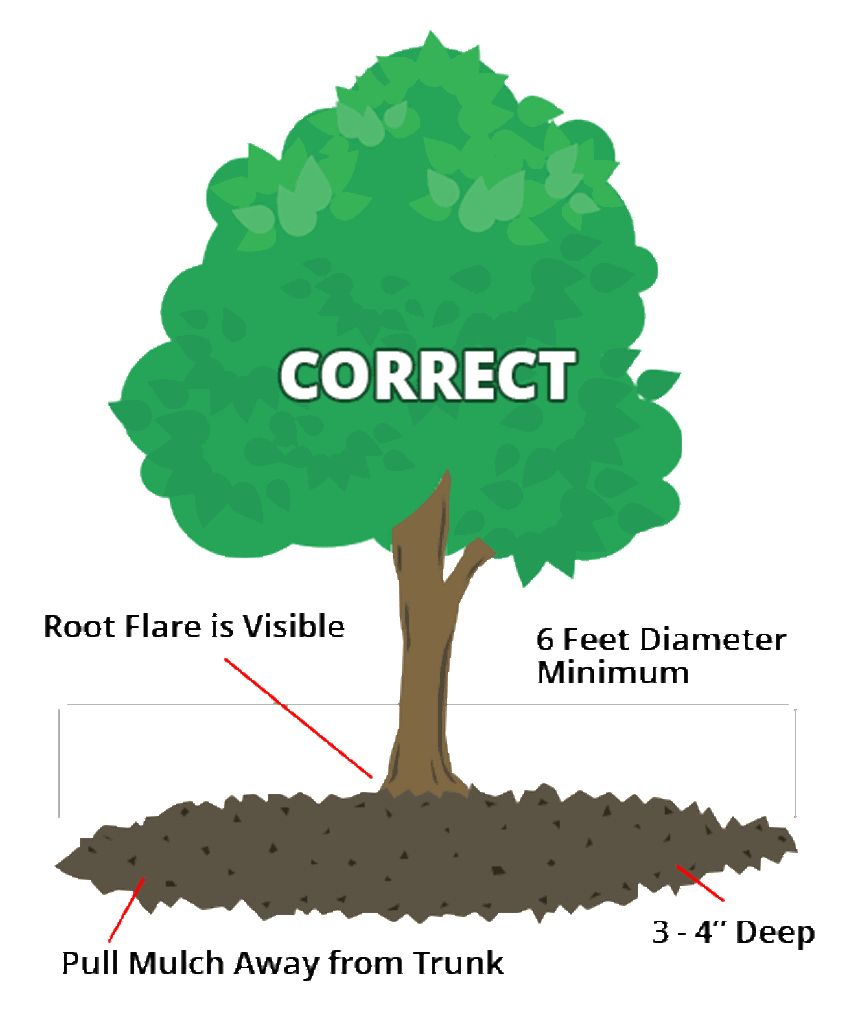
Apply mulch in the right thickness to keep soil healthy. Too little mulch dries out the soil. Too much mulch stops air and water from reaching roots.
- Use 2 to 4 inches of mulch for best results.
- Check mulch layer regularly and add more if it shrinks.
- Avoid piling mulch deeper than 4 inches to prevent root rot.
Spacing Around Plant Stems
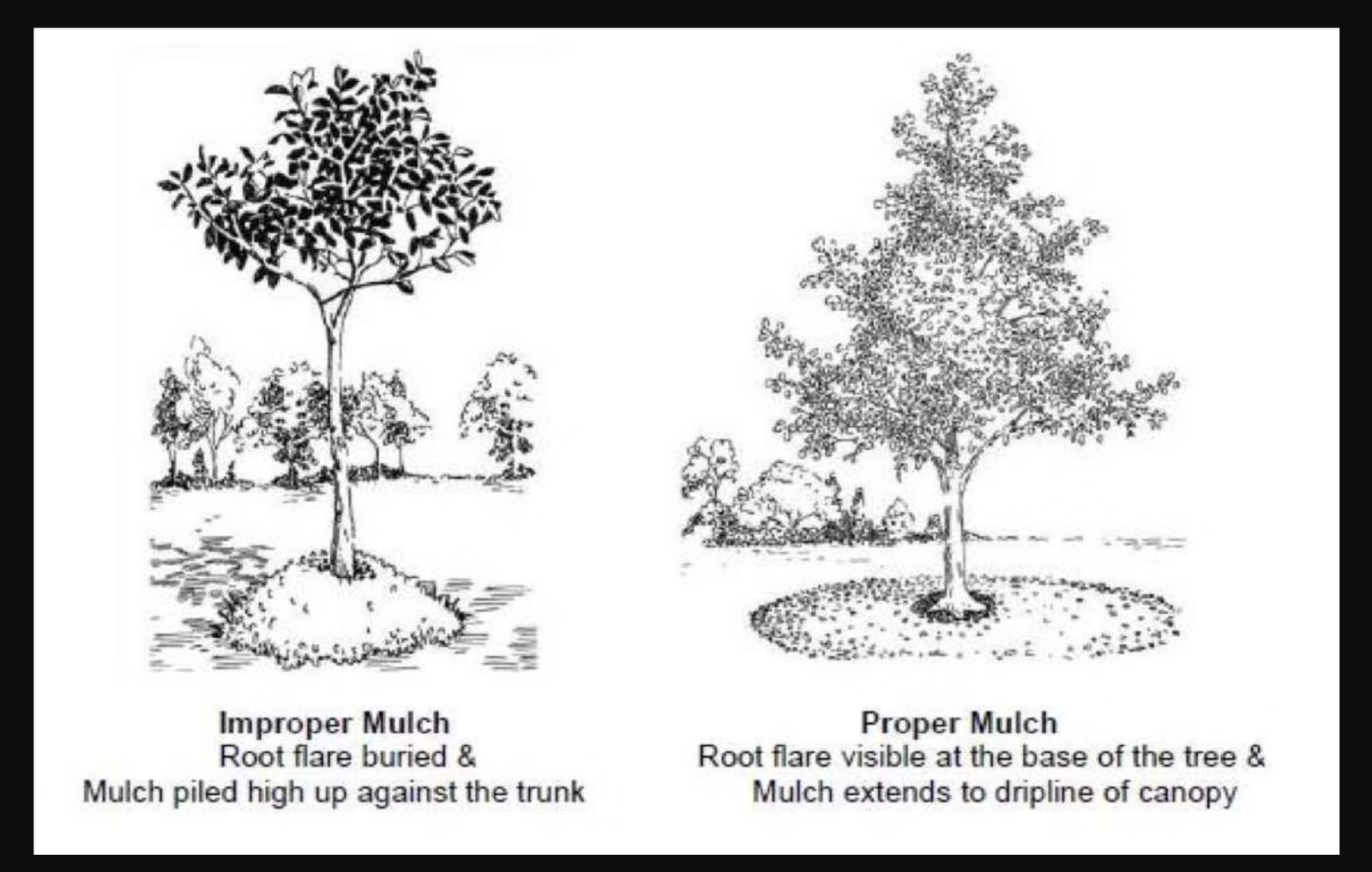
Keep mulch away from the plant stems. Mulch touching stems can cause stem rot and attract pests. Leave a small clear space around each stem.
| Mulch Distance from Stem | Reason |
| 2 to 3 inches | Prevents moisture buildup on stem |
| 0 inches | Causes rot and pests |
| More than 4 inches | Leaves soil exposed to weeds |
Avoiding Mulch Volcanoes
Do not pile mulch up like a volcano around plants. This can smother roots and cause disease. Keep mulch flat and even around the base.
- Keep mulch level with the soil surface near the stem.
- Remove extra mulch that forms a mound around the plant.
- Fluff mulch gently to prevent compacting and allow air flow.
Maintaining Mulch For Plant Health
Mulching helps young plants grow strong by keeping soil moist and cool. Proper care of mulch keeps plants healthy and protects roots.
Maintaining mulch means checking it often, adding more when needed, and watching for pests. These actions support plant growth and prevent problems.
Regular Inspection
Look at the mulch around your plants every week. Check if it is dry, thin, or packed too tightly. These signs show the mulch needs attention.
Also, see if the mulch is touching the plant stems. Mulch should stay a few inches away to stop rot and pests.
Replenishing Mulch
Add fresh mulch to keep a layer about 2 to 3 inches thick. Thin mulch will not hold moisture well or protect roots.
Spread mulch evenly, but leave space around the plant base. Too much mulch can block air and cause problems.
- Remove old, broken mulch before adding new
- Use organic mulch like wood chips or straw
- Keep mulch layer consistent for best results
Managing Pest Issues
Check mulch for signs of insects or rodents. Some pests live under mulch and can harm young plants.
Keep mulch dry and not too thick to reduce pest problems. Remove mulch that has mold or smells bad.
- Use natural pest controls if needed
- Keep mulch away from plant stems
- Replace mulch regularly to prevent pest buildup
Credit: www.starkbros.com
Common Mulching Mistakes To Avoid
Mulching helps young plants grow strong by keeping soil moist and warm. But wrong mulching can hurt plants instead of helping.
Learn common mulching mistakes to keep your plants healthy and growing well.
Over Mulching
Too much mulch can block air and water from reaching roots. It can also cause mold and rot in the soil.
- Use 2 to 3 inches of mulch only
- Check mulch depth regularly
- Remove extra mulch if it looks thick or wet
Mulching Too Close To Stems
Placing mulch against plant stems causes moisture buildup. This can lead to stem rot and pest problems.
| Mistake | Problem | Solution |
|---|---|---|
| Mulch piled near stem | Stem rot and pests | Keep mulch 2 to 3 inches away from stem |
| Mulch touching stem | Fungal growth | Pull mulch back to expose stem base |
Using The Wrong Mulch Type
Some mulches do not suit young plants. They may cause acid soil or attract pests.
- Avoid fresh wood chips that use nitrogen while breaking down
- Do not use dyed mulch with chemicals
- Choose natural mulches like straw, shredded leaves, or compost
- Stay away from heavy clay or rocks that trap heat

Credit: stantonins.com
Frequently Asked Questions
How Close Should Mulch Be To Young Plant Stems?
Keep mulch 2-3 inches away from young plant stems. This prevents moisture buildup and reduces risk of stem rot and pests.
What Is The Best Mulch Type For Young Plants?
Organic mulches like straw, shredded leaves, or wood chips are best. They retain moisture and improve soil quality as they decompose.
How Thick Should Mulch Be Around Young Plants?
Apply mulch in a 2-4 inch layer. Too thick mulch can suffocate roots and cause waterlogging, while too thin won’t retain moisture effectively.
When Is The Best Time To Mulch Young Plants?
Mulch young plants after planting and once soil is warm. This helps conserve moisture, suppress weeds, and regulate soil temperature effectively.
Conclusion
Mulching young plants helps keep soil moist and cool. It also stops weeds from growing too close. Make sure to leave space near the plant stem. This prevents rot and lets the plant breathe. Choose mulch that breaks down slowly for best results.
Regularly check mulch thickness and adjust if needed. Healthy plants grow better with proper mulch care. Simple steps like these protect your garden’s future. Start mulching right, and watch your plants thrive.