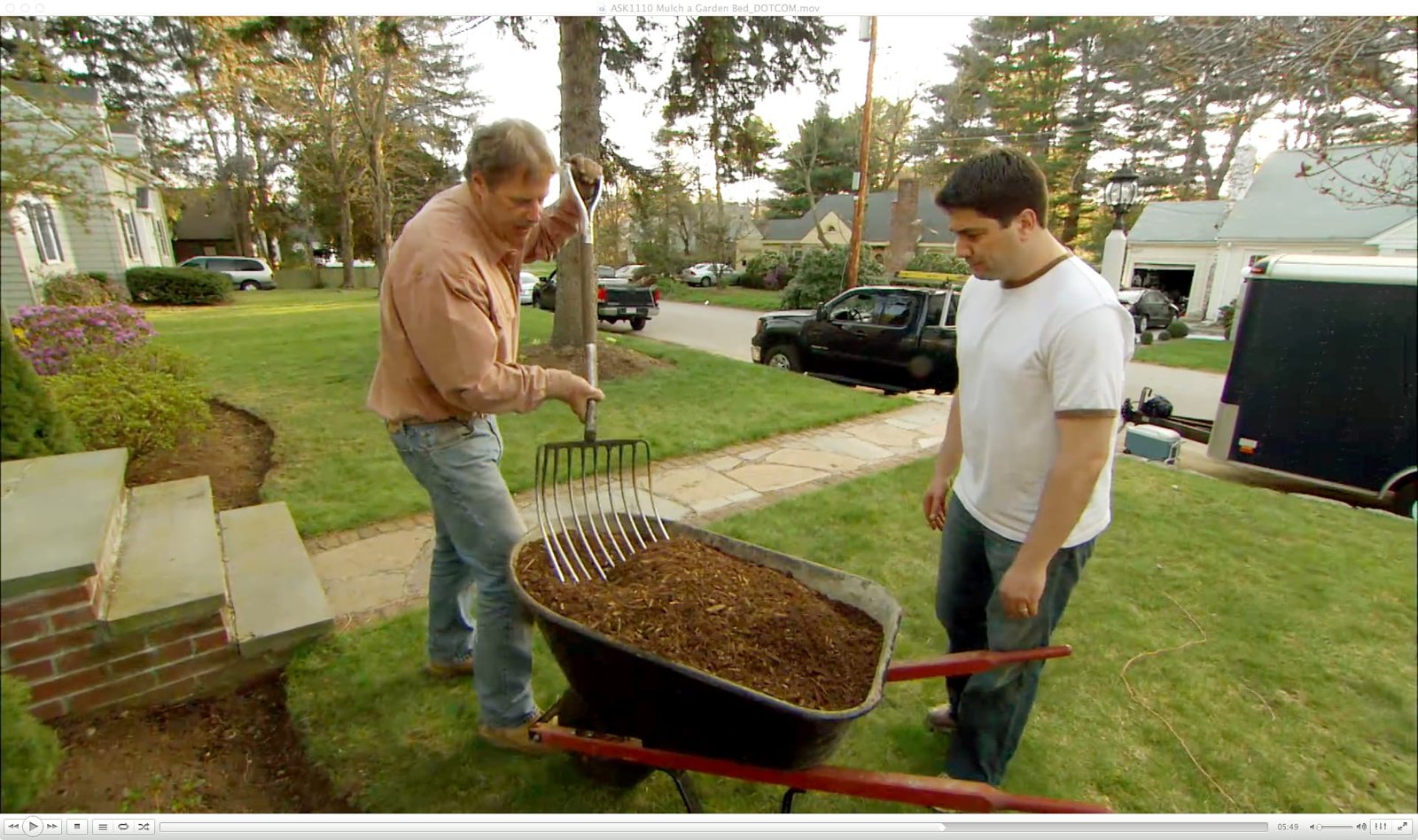
Imagine stepping into your garden and being greeted by vibrant, thriving flower beds that look like they belong on the cover of a gardening magazine. The secret to achieving this lush landscape isn’t just a green thumb; it’s about mastering the art of mulching efficiently.
Mulching is more than just a layer of material on your soil; it’s a powerful tool that can transform your flower beds and make them flourish. In this guide, you’ll discover simple yet effective techniques to mulch your flower beds like a pro.
We’ll explore why mulching is essential for the health of your plants and how it can save you time and effort in the long run. By the end of this article, you’ll have the know-how to create a stunning, low-maintenance garden that will make your neighbors envious. Ready to unlock the secrets to beautiful flower beds? Keep reading, and let’s turn your garden into the envy of the neighborhood.
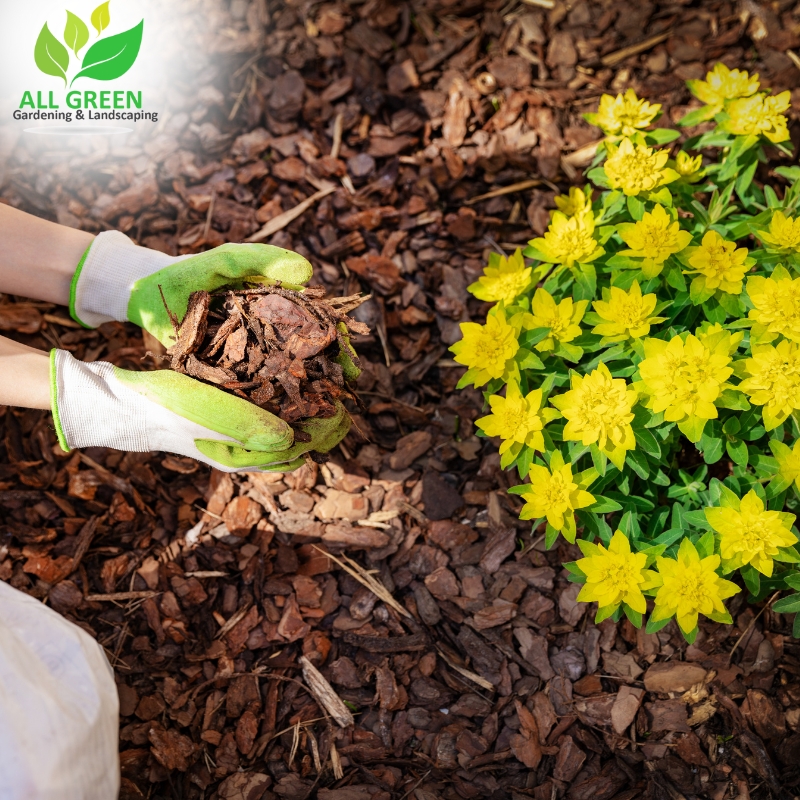
Credit: allgreen-gardening-landscaping.com.au
Benefits Of Mulching
Mulching flower beds is a simple way to help your garden grow better. It adds a protective layer over the soil that supports plant health.
This guide explains how mulching helps soil, keeps moisture, stops weeds, and makes your garden look nice.
Improving Soil Health
Mulch breaks down over time and adds nutrients to the soil. It helps soil stay loose and lets roots grow well. Mulch also supports helpful insects and earthworms.
Retaining Moisture
Mulch keeps water in the soil by slowing evaporation. This means plants need less watering. Mulch also helps the soil stay cool in hot weather.
Weed Suppression
Mulch blocks sunlight from reaching weed seeds. This stops many weeds from growing and spreading in your flower beds.
- Reduces time spent weeding
- Prevents weed seeds from sprouting
- Keeps garden beds tidy
Enhancing Garden Appearance
Mulch gives flower beds a neat and clean look. It comes in many colors and textures to match your garden style.
| Mulch Type | Appearance | Common Use |
|---|---|---|
| Wood Chips | Natural brown | Flower beds and shrubs |
| Straw | Golden yellow | Vegetable gardens |
| Rubber Mulch | Dark colors | Play areas and paths |
| Compost | Rich dark | Soil enrichment |
Choosing The Right Mulch
Mulching flower beds helps keep soil moist and reduces weeds. Choosing the right mulch makes your garden look neat and helps plants grow well.
There are many types of mulch. Each type has benefits and suits different plants and climates. Learn how to pick the best mulch for your flower beds.
Organic Vs Inorganic Mulch
Mulch comes in two main types: organic and inorganic. Organic mulch comes from natural materials that break down over time. Inorganic mulch does not decompose and lasts longer.
- Organic mulch:includes bark, leaves, straw, and compost. It improves soil quality as it breaks down.
- Inorganic mulch:includes stones, plastic, and rubber. It controls weeds but does not add nutrients to soil.
Popular Mulch Materials
| Mulch Type | Description | Best Use |
|---|---|---|
| Wood Chips | Chunks of bark or wood, slow to break down | Flower beds and trees |
| Straw | Dry stalks of grain plants, light and fluffy | Vegetable gardens and flowers |
| Peat Moss | Partly decayed sphagnum moss, holds moisture well | Acid-loving plants |
| Gravel | Small stones, do not decompose | Paths and drought-tolerant plants |
| Rubber Mulch | Recycled tires, lasts a long time | Play areas and flower beds |
Selecting Based On Climate And Plants
Climate and plant type affect mulch choice. Mulch helps keep soil cool in summer and warm in winter. Some plants prefer certain mulches.
- In hot, dry areas, use mulch that holds water like bark or straw.
- In wet or cool areas, use mulch that drains well like gravel.
- Acid-loving plants do well with peat moss or pine needles.
- Use light-colored mulch to reflect heat for sensitive plants.
- Choose mulch that matches the style of your garden.
Preparing Flower Beds
Preparing your flower beds well helps plants grow strong and healthy. It sets the stage for beautiful blooms all season.
Good preparation includes cleaning, testing the soil, and shaping the beds. Each step is important for healthy flowers.
Clearing Debris And Weeds
Start by removing leaves, sticks, and old plant parts from the flower bed. Clear away all debris to make room for new plants.
Pull out weeds by the roots to stop them from growing back. Weeds compete with flowers for water and nutrients.
- Use gloves to protect your hands
- Dispose of debris and weeds in compost or trash
- Check for hidden roots and remove them
Soil Testing And Amendments
Test the soil to know its pH and nutrient levels. This helps you choose the right amendments for your flowers.
Add compost or organic matter to improve soil texture and fertility. Amendments help the soil hold water and nutrients.
- Use a soil test kit or send samples to a lab
- Add lime to raise pH or sulfur to lower pH
- Mix in compost, peat moss, or aged manure
Shaping And Leveling Beds
Shape flower beds with smooth edges to make them look neat. Level the soil so water drains evenly and plants grow well.
Use a rake to break clumps and create a flat surface. Raised beds can improve drainage in wet areas.
- Mark bed edges with string or stakes
- Use a garden rake to smooth soil
- Build raised beds if drainage is poor
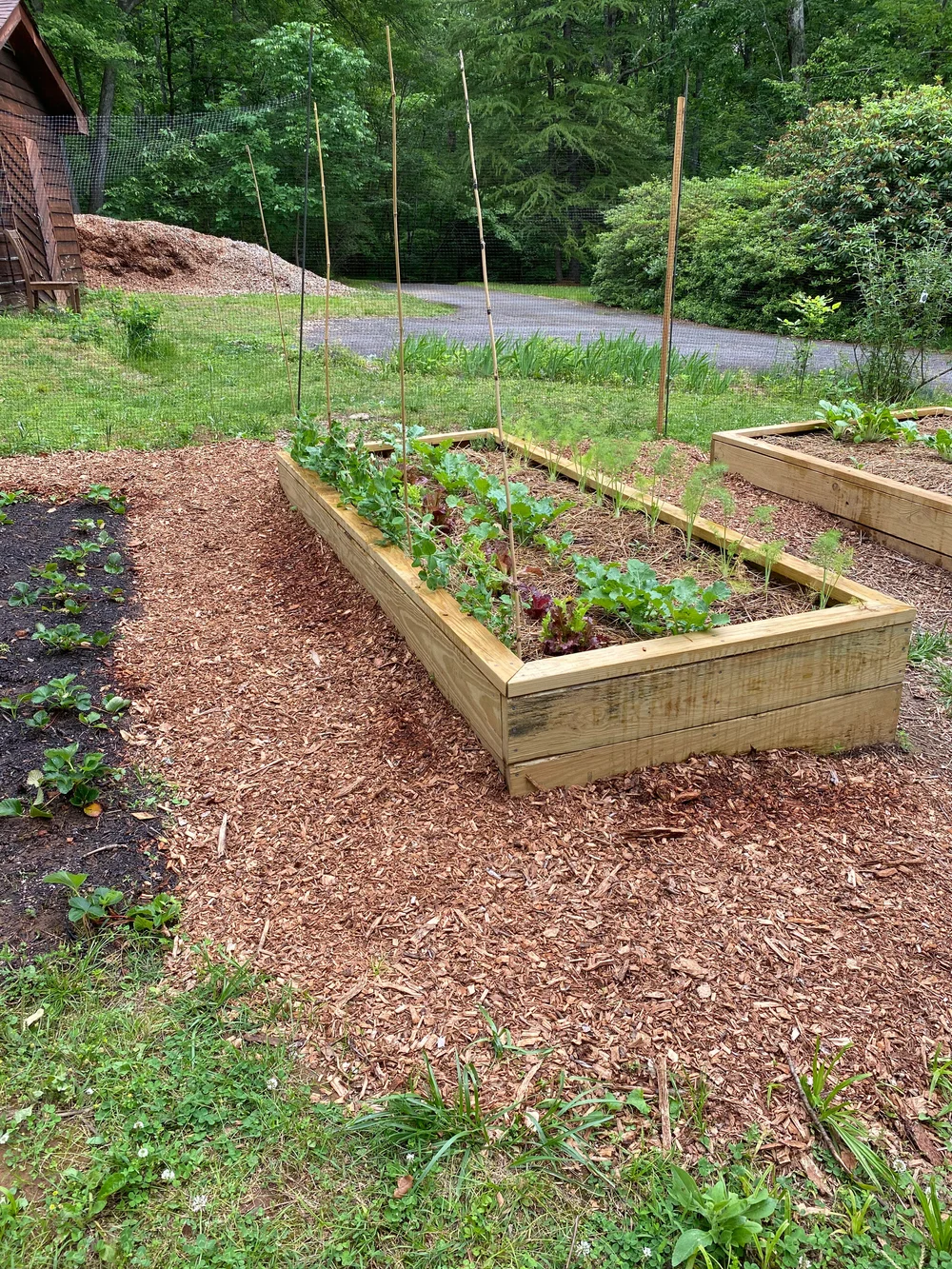
Credit: www.thunderbirddisco.com
Mulching Techniques
Mulching flower beds helps keep soil moist and blocks weeds. It also adds nutrients to the soil as it breaks down.
Using the right mulching techniques makes your flower beds look neat and healthy. Let’s explore how to mulch efficiently.
Proper Mulch Depth
Mulch should be thick enough to hold moisture but not too thick to harm plants. A good depth keeps soil cool and reduces weed growth.
Too much mulch can stop water and air from reaching roots. Too little mulch will not protect the soil well.
- Apply 2 to 4 inches of mulch for best results
- Spread mulch evenly across the flower bed
- Avoid piling mulch against plant stems or trunks
Applying Mulch Around Plants
Leave some space between the mulch and the base of plants. This prevents moisture buildup that can cause rot.
Spread mulch gently around flowers and shrubs. Make sure roots get covered but stems stay clear of mulch.
- Keep mulch 2 to 3 inches away from plant stems
- Use your hands or a rake to spread mulch carefully
- Refill mulch as it breaks down over time
Avoiding Common Mistakes
Many gardeners make simple mistakes that harm plants or reduce mulch benefits. Avoid these to keep your flower beds healthy.
Check mulch regularly and fix problems early. Good care helps plants grow strong and soil stay healthy.
- Don’t pile mulch too high around plants
- Avoid using mulch with weed seeds or harmful chemicals
- Do not mulch over wet soil or frozen ground
- Remove old mulch before adding new layers
Maintaining Mulched Beds
Keeping your flower beds mulched helps plants grow strong and healthy. Mulch keeps soil moist and stops weeds. Regular care makes mulch work best.
This guide shows how to maintain mulched beds well. Follow simple tips to keep your garden neat and thriving.
When To Replenish Mulch
Mulch breaks down over time and thins out. Add fresh mulch to keep a 2 to 3 inch layer. This keeps soil cool and moist.
- Check mulch depth every 2 to 3 months
- Top up mulch in early spring and fall
- Remove old mulch that looks moldy or slimy
- Spread mulch evenly to avoid bare spots
Monitoring Soil Moisture
Mulch helps soil hold water but does not replace watering. Check soil moisture regularly to keep plants healthy.
| Check Method | What to Do |
| Finger Test | Push finger 2 inches in soil. If dry, water plants. |
| Soil Moisture Meter | Use meter to get exact moisture levels. |
| Visual Signs | Wilting or dry leaves need more water. |
Preventing Pest Issues
Mulch can hide pests if not managed well. Watch for bugs and damage to stop problems early.
Tips to prevent pests in mulched beds:
- Keep mulch 2 to 3 inches away from plant stems
- Turn mulch occasionally to air out soil
- Remove fallen leaves and debris regularly
- Use natural pest repellents if needed
Seasonal Mulching Tips
Mulching flower beds helps keep plants healthy all year. It controls weeds, keeps soil moist, and adds nutrients.
Using the right mulching methods each season makes your garden look great and grow strong.
Spring Mulching Strategies
Apply mulch in spring after the soil warms up. This protects roots and stops weeds from growing early.
Use fresh mulch to add nutrients and improve soil quality for new plants.
- Clear old mulch before adding new
- Spread mulch 2-3 inches thick around plants
- Keep mulch a few inches away from stems to avoid rot
Summer Care For Mulched Beds
Check mulch during summer to keep soil cool and moist. Add more if it looks thin or dry.
Water mulched beds deeply but less often to save water and keep roots healthy.
- Remove weeds that grow through mulch
- Fluff mulch if it becomes compacted
- Watch for pests hiding in mulch
Preparing Mulch For Winter
Before winter, add a fresh layer of mulch to protect plant roots from cold. This keeps soil temperature steady.
Use coarse mulch like bark or straw to prevent mold and allow air to flow.
- Remove any old, soggy mulch
- Apply 3-4 inches thick mulch for good insulation
- Keep mulch away from plant crowns to avoid rot
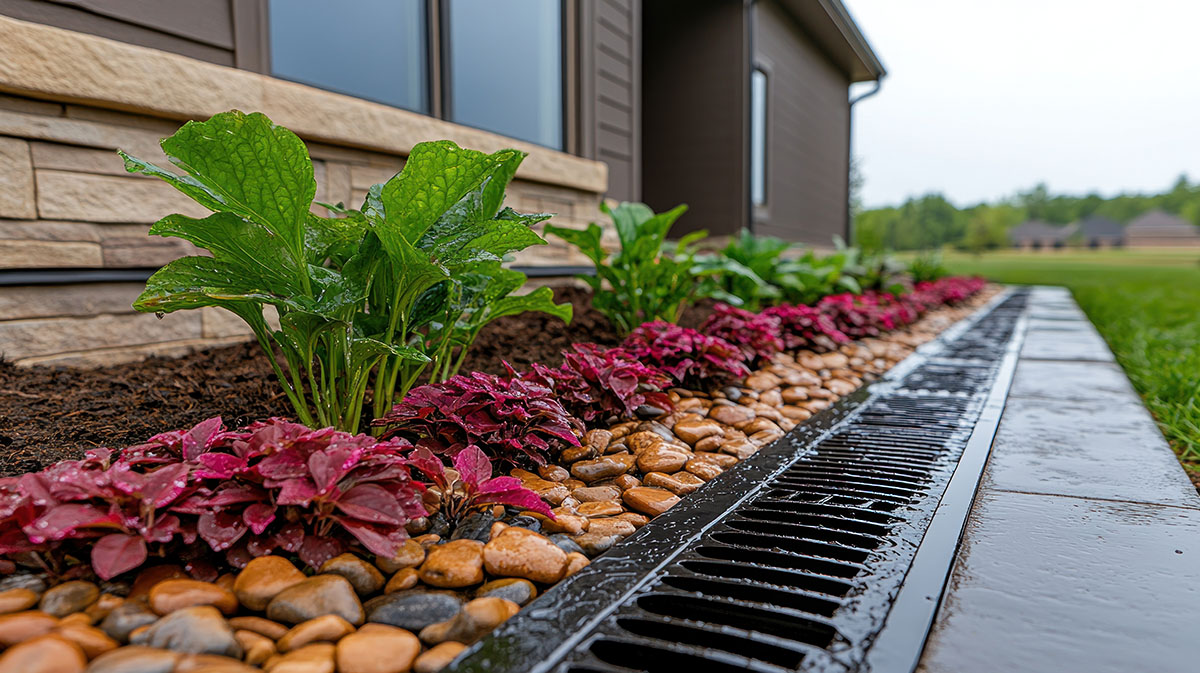
Credit: www.lawnstarter.com
Frequently Asked Questions
What Is The Best Mulch For Flower Beds?
Organic mulches like shredded bark, compost, and straw work best. They improve soil and retain moisture effectively.
How Thick Should Mulch Be In Flower Beds?
Apply mulch 2 to 3 inches thick. This depth suppresses weeds and conserves soil moisture without suffocating plants.
When Is The Best Time To Mulch Flower Beds?
Mulch flower beds in early spring or late fall. This timing protects roots and helps regulate soil temperature.
How Often Should You Replace Mulch In Flower Beds?
Replace mulch every 1 to 2 years. Fresh mulch maintains nutrients, appearance, and soil health for your flowers.
Conclusion
Mulching flower beds helps keep plants healthy and soil moist. It stops weeds from growing and saves water. Use the right mulch and spread it evenly. Avoid piling mulch too close to plant stems. Regularly check your mulch for pests or decay.
This simple step improves your garden’s look and health. Start mulching today and enjoy vibrant flower beds all season.