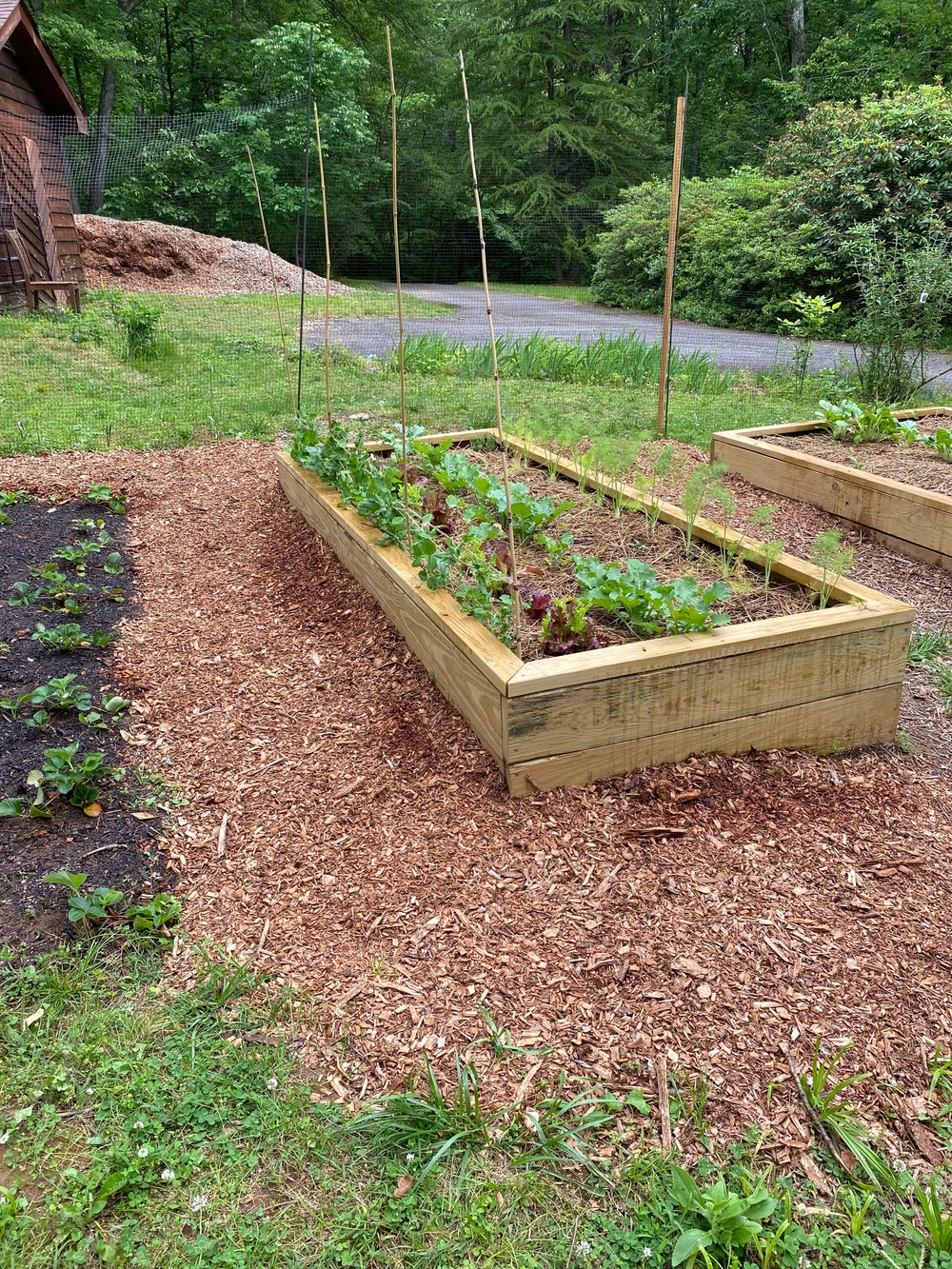
Are you looking to boost the health and productivity of your vegetable garden? Mulching might just be the game-changer you need.
Imagine having a garden that retains moisture, suppresses weeds, and enriches the soil—all with minimal effort on your part. Sounds too good to be true? It’s not, and you can make it happen! In this guide, you’ll discover the secrets of how to mulch your vegetable beds effectively.
Get ready to transform your garden into a thriving oasis and reap the rewards of your efforts. Curious to learn more? Keep reading to unlock the full potential of your vegetable beds.

Credit: forksinthedirt.com
Benefits Of Mulching
Mulching vegetable beds helps plants grow better. It covers the soil with a protective layer.
This layer brings many benefits that improve garden health and yield.
Moisture Retention
Mulch keeps soil moist by reducing evaporation. Plants get water for longer after rain or watering.
Less frequent watering saves time and water resources in the garden.
Weed Suppression
Mulch blocks sunlight from reaching weed seeds. This stops many weeds from growing.
- Reduces competition for nutrients and water
- Makes garden beds look tidy
- Decreases the need for chemical weed killers
- Helps gardeners spend less time weeding
Soil Temperature Regulation
| Season | Mulch Effect |
| Summer | Keeps soil cool and prevents heat stress |
| Winter | Keeps soil warmer and protects roots |
Mulch acts as an insulator. It protects plants from harsh temperature swings.
Nutrient Enhancement
Organic mulches slowly break down and add nutrients to the soil. They improve soil health over time.
- Supports beneficial soil microbes
- Improves soil structure and fertility
- Reduces soil erosion and nutrient loss

Credit: www.youtube.com
Choosing The Right Mulch
Mulching vegetable beds helps keep soil moist and controls weeds. Picking the right mulch is key for healthy plants.
Different mulches suit different garden needs. Learn about organic and inorganic options before deciding.
Organic Mulch Options
Organic mulches come from natural materials that break down over time. They add nutrients back into the soil as they decompose.
- Straw or hay: Light and easy to spread, keeps soil cool.
- Grass clippings: Cheap and widely available, but use sparingly.
- Leaves: Shredded leaves make good insulation for soil.
- Compost: Adds nutrients and improves soil structure.
- Wood chips or bark: Lasts longer but may tie up nitrogen temporarily.
Inorganic Mulch Options
Inorganic mulches do not break down. They are good at controlling weeds and retaining soil moisture without adding nutrients.
- Black plastic: Warms soil and blocks weeds but may cause overheating.
- Landscape fabric: Allows water and air to pass through but blocks weeds.
- Gravel or stones: Long-lasting and good for drainage but do not add nutrients.
Best Mulch For Vegetables
| Mulch Type | Benefits | Considerations |
| Straw | Keeps soil cool and moist | May contain weed seeds |
| Grass Clippings | Free and nutrient-rich | Use dry to avoid matting |
| Black Plastic | Warms soil, controls weeds | Can overheat in hot climates |
| Landscape Fabric | Weed control with water flow | Needs to be covered with organic mulch |
| Wood Chips | Long-lasting, improves soil | May reduce nitrogen temporarily |
Preparing Vegetable Beds
Preparing your vegetable beds well helps plants grow strong. Good preparation improves soil health and water use.
Follow these steps to get your beds ready for mulching and planting.
Soil Preparation
Start by loosening the soil with a garden fork or tiller. This improves air flow and root growth.
- Remove large rocks and old roots.
- Work in compost or organic matter.
- Check soil pH and adjust if needed.
- Make sure soil drains well but holds moisture.
Clearing Weeds And Debris
Clear all weeds and plant debris to stop pests and diseases. This also helps mulch work better.
| Task | Purpose |
| Pull weeds by hand or with tools | Remove competition for nutrients |
| Clear fallen leaves and stems | Reduce hiding places for pests |
| Dispose of debris away from beds | Prevent disease spread |
Irrigation Setup
Set up irrigation before mulching. This keeps water reaching roots under the mulch.
Use these tips for irrigation:
- Install drip lines or soaker hoses along rows.
- Check that water reaches all plants evenly.
- Set timers to water early in the day.
- Adjust water flow to avoid puddles.
Applying Mulch Correctly
Mulching vegetable beds helps keep soil moist and weeds down. Applying mulch the right way makes plants healthy.
Use proper mulch thickness, timing, and placement. This supports growth and protects your vegetables.
Ideal Mulch Thickness
Spread mulch evenly over the soil. Too thin mulch won’t stop weeds well.
Too thick mulch can stop water and air from reaching roots. Aim for a good balance.
- Use 2 to 3 inches of mulch
- Adjust thickness if mulch is very light or heavy
- Check mulch yearly and add more if needed
Mulching Around Plants
Keep mulch a little away from plant stems. Touching stems may cause rot or pests.
Leave a 1 to 2 inch gap around each plant base. This helps air flow and keeps plants healthy.
- Pull mulch back gently at stem bases
- Keep mulch around roots to hold moisture
- Watch plants for signs of too much mulch near stems
Timing For Mulching
Apply mulch after planting seeds or seedlings. Wait until soil warms up in spring.
Mulching too early can keep soil cold and slow growth. Mulch after soil reaches about 60°F.
- Plant vegetables first, then add mulch
- Mulch in spring after last frost date
- Add mulch again in summer if soil dries fast
Maintaining Mulched Beds
Mulching vegetable beds helps keep soil moist and controls weeds. To get the best results, you must take care of the mulch regularly.
Maintaining mulched beds means checking the mulch, soil, and plants often. This keeps your vegetables healthy and growing well.
Replenishing Mulch
Mulch breaks down over time, so you need to add more often. Add a fresh layer to keep the soil protected and moist.
Use about 2 to 3 inches of mulch on top. Avoid piling it against plant stems to stop rot and pests.
- Check mulch thickness every few weeks
- Add new mulch if it looks thin or patchy
- Use dry mulch to avoid mold growth
Monitoring Soil Health
Good soil is the key to healthy vegetables. Mulch helps, but you must watch soil moisture and nutrients closely.
Check soil by feeling it or using a moisture meter. Soil should be damp but not soggy. Add compost if the soil looks poor.
- Test soil moisture regularly
- Add organic matter to improve soil
- Look for signs of nutrient deficiency in plants
Managing Pests And Diseases
Mulch can attract pests or hide diseases if not managed well. Watch your plants and soil for problems.
Remove old or moldy mulch to stop diseases. Hand-pick pests or use safe traps to protect your vegetables.
- Inspect plants and mulch weekly
- Clear away diseased plant parts immediately
- Use natural pest control methods
Common Mulching Mistakes
Mulching vegetable beds helps keep soil healthy and plants strong. It also saves water and stops weeds. But some mistakes can harm your garden.
Knowing common mulching errors can help you protect your plants and get better results.
Overmulching Risks
Using too much mulch blocks air and water from reaching the soil. This hurts plant roots and can cause rot. Thick layers also invite pests and mold growth.
- Soil stays too wet and suffocates roots
- Plant stems can rot from constant moisture
- Insects and rodents hide under thick mulch
- Weed seeds may not get killed by sunlight
Using Improper Materials
Not all mulch types work well for vegetables. Some materials may contain chemicals, weed seeds, or pests. Avoid using grass clippings with herbicides or fresh wood chips that pull nitrogen from soil.
| Mulch Material | Good for Vegetables? | Notes |
| Straw | Yes | Light and breaks down easily |
| Fresh Wood Chips | No | Uses nitrogen while decomposing |
| Grass Clippings | Sometimes | Only if free of herbicides |
| Leaves | Yes | Shredded works best |
| Plastic Mulch | Yes | Controls weeds but limits water |
Mulching Too Early Or Late
Timing matters for mulching vegetable beds. Mulching too early keeps soil cold and slows growth. Mulching too late lets weeds grow and soil dry out.
Follow these tips for timing:
- Wait until soil warms in spring before mulching
- Apply mulch after seedlings emerge or are planted
- Reapply mulch as needed during growing season
- Remove mulch before cold weather to protect roots
Seasonal Mulching Tips
Mulching vegetable beds helps keep soil healthy and plants strong. Different seasons need different mulching care. Follow these tips to protect your garden all year.
Learn how to mulch in spring, summer, fall, and winter. This guide covers key steps to make your mulch work well every season.
Spring Mulching Strategies
Apply mulch after planting seeds or seedlings. Use light mulch to keep soil warm and moist. This helps young plants grow fast.
- Clear old mulch and weeds before adding new mulch.
- Use straw, grass clippings, or shredded leaves for light mulch.
- Keep mulch 2-3 inches thick to allow air flow.
- Leave space around plant stems to avoid rot.
Summer Mulching Care
Mulch helps keep soil cool and retains water during hot months. Check mulch often to keep it fresh and effective.
| Summer Mulch Tasks | Why It Matters |
| Water mulch lightly | Keeps mulch from blowing away and helps soil stay moist |
| Remove weeds regularly | Prevents weeds from stealing water and nutrients |
| Add mulch if it thins | Maintains soil temperature and moisture |
| Watch for pests | Mulch can hide insects that harm plants |
Fall And Winter Considerations
Mulch protects soil from cold and frost damage. Use thick mulch layers to insulate plant roots and keep soil healthy.
- Apply 3-4 inches of mulch to vegetable beds.
- Use shredded leaves, straw, or wood chips.
- Do not mulch too close to plant stems.
- Remove heavy mulch in early spring to warm soil.
Credit: www.thecelticfarm.com
Frequently Asked Questions
What Is The Best Mulch For Vegetable Beds?
Organic mulches like straw, grass clippings, and shredded leaves are best. They improve soil quality and retain moisture effectively. Avoid synthetic mulches as they don’t enrich the soil or allow air exchange.
How Thick Should Mulch Be In Vegetable Beds?
Apply mulch in a 2 to 4-inch layer for optimal results. Too thin won’t suppress weeds; too thick may hinder water penetration. Adjust thickness based on mulch type and vegetable requirements.
When Is The Ideal Time To Mulch Vegetable Beds?
Mulch after planting when soil is warm and moist. This timing helps retain moisture and control weeds. Avoid mulching too early to prevent soil cooling and delayed seed germination.
Can Mulching Prevent Weed Growth In Vegetable Beds?
Yes, mulch acts as a barrier, blocking sunlight to weeds. This reduces weed growth and competition for nutrients. Regularly check mulch for weed seeds and remove unwanted sprouts.
Conclusion
Mulching vegetable beds helps keep soil moist and weeds down. It also adds nutrients to the soil as it breaks down. Choose organic materials like straw, leaves, or grass clippings for best results. Spread mulch evenly around your plants, but keep it away from stems.
Regularly check your mulch to keep it fresh and effective. Mulching saves water and protects your plants from extreme temperatures. Try mulching in your garden to see how much it helps your vegetables grow. Simple steps, big benefits.