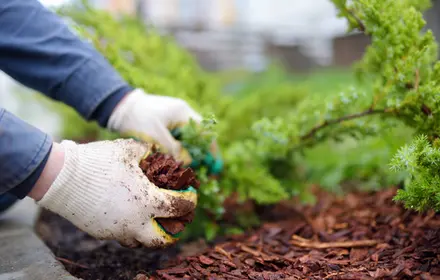
Are you looking to boost the health and growth of your vegetable garden with less effort? Mulching might be the simple secret you’ve been missing.
When done right, mulching can keep your plants hydrated, reduce weeds, and improve your soil—all while saving you time and energy. But how do you mulch effectively so your garden thrives instead of struggles? Keep reading, and you’ll discover easy, practical tips that will transform your vegetable garden into a lush, productive space.
Don’t let your hard work go to waste—learn how to mulch like a pro today!
Benefits Of Mulching
Mulching helps vegetable gardens stay healthy and strong. It covers the soil with a layer of material like straw or leaves. This simple step brings many benefits to your plants.
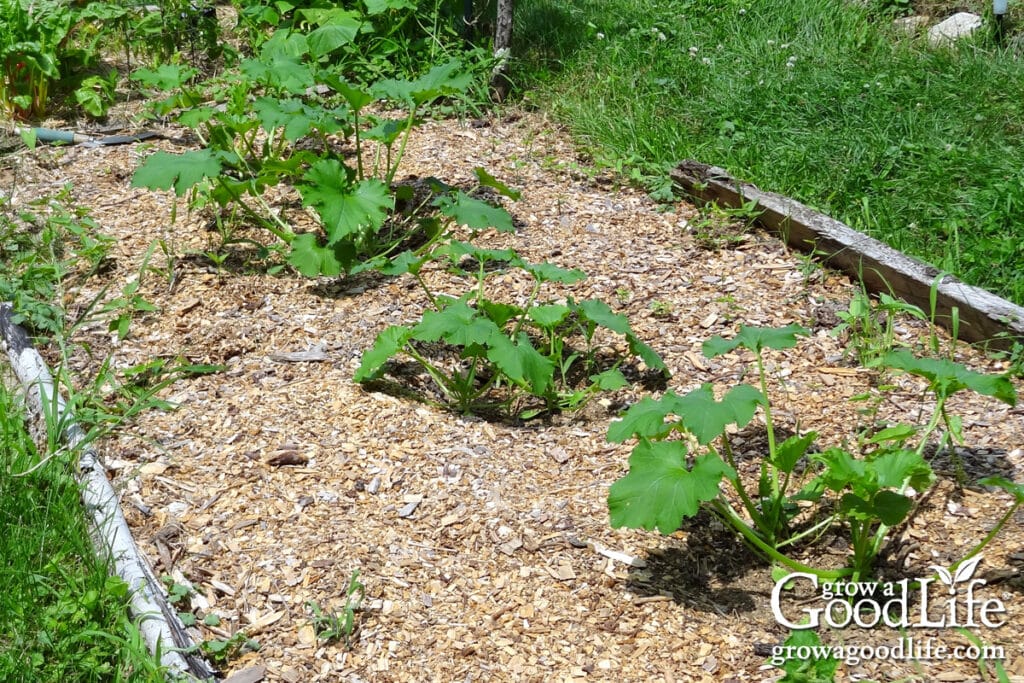
Using mulch improves your garden’s growth and saves time on care. It protects soil and plants in different ways. Here are some key benefits of mulching vegetable gardens.
Soil Moisture Retention
Mulch keeps soil moist by reducing water loss. It blocks sunlight and wind from drying the soil quickly. This means plants need less frequent watering. Healthy moisture helps roots grow well and supports steady plant growth.
Weed Suppression
Mulch stops weeds from growing by blocking light. Without light, many weed seeds cannot sprout. This reduces the number of weeds competing with your vegetables for nutrients and water.
- Mulch covers weed seeds and prevents germination
- Reduces the need to pull weeds by hand
- Keeps the garden neat and healthy
- Limits weed growth without chemicals
Temperature Regulation
Mulch acts like a blanket for soil. It keeps soil cooler in hot weather and warmer in cold weather. This stable temperature helps roots stay safe and plants grow better through changing seasons.
Improved Soil Health
| Benefit | How Mulch Helps |
|---|---|
| Soil Structure | Mulch breaks down to add organic matter and improve soil texture. |
| Microorganisms | It creates a habitat for helpful soil bacteria and fungi. |
| Nutrient Supply | Decomposing mulch slowly releases nutrients for plants to use. |
| Erosion Control | Mulch protects soil from rain and wind erosion. |
Credit: growagoodlife.com
Types Of Mulch For Vegetables
Mulching helps keep vegetable gardens healthy and productive. It controls weeds, keeps soil moist, and adds nutrients.
There are two main types of mulch: organic and inorganic. Each type has its own uses and benefits for your garden.
Organic Mulches
Organic mulches come from natural materials that break down over time. They improve soil quality and add nutrients as they decompose.
- Grass clippings: Cheap and easy to use, but apply thin layers to avoid matting.
- Straw: Helps keep soil cool and moist; avoid hay with seeds.
- Wood chips: Long-lasting mulch that controls weeds well.
- Leaves: Shredded leaves add nutrients and improve soil texture.
- Compost: Adds nutrients and improves soil structure while mulching.
Inorganic Mulches
Inorganic mulches do not break down. They control weeds and conserve moisture but do not add nutrients to the soil.
| Type | Uses | Benefits | Drawbacks |
| Plastic mulch | Warm soil for early planting | Good weed control, retains heat | Does not improve soil, can overheat plants |
| Landscape fabric | Weed barrier under pathways | Allows water flow, long-lasting | Can be costly, may need fixing |
| Gravel or stones | Pathways and borders | Long-lasting, good drainage | Can raise soil temperature, no nutrients |
Choosing The Right Mulch
Pick mulch based on your garden needs and vegetable types. Consider soil health, moisture, and temperature control.
- Use organic mulch if you want to improve soil and add nutrients.
- Choose inorganic mulch for long-lasting weed control and moisture retention.
- Consider climate: plastic mulch warms soil, good for cool areas.
- Apply mulch 2 to 4 inches deep to work well.
- Replace or refresh mulch as needed to keep plants healthy.
When To Apply Mulch
Mulching helps keep soil moist and controls weeds in vegetable gardens. Knowing the right time to apply mulch improves its benefits.
Timing depends on weather and plant growth stage. Applying mulch too early or late can affect plant health.
Timing For Best Results
Apply mulch after the soil warms up in spring. Cold, wet soil can slow plant growth if covered too soon.
- Wait until the soil temperature reaches about 55°F (13°C).
- Ensure seedlings or plants have emerged and are growing.
- Apply mulch evenly around plants, leaving space near stems.
Mulching New Vs Established Plants
New plants need gentle mulching to avoid damage. Established plants tolerate thicker layers to keep soil moist.
| Plant Stage | Mulch Thickness | Special Notes |
| New Plants | 1-2 inches | Keep mulch away from stems |
| Established Plants | 2-4 inches | Spread mulch evenly around base |
How To Apply Mulch Properly
Mulching helps keep your vegetable garden healthy and moist. It also stops weeds from growing too much.
Applying mulch the right way makes sure your plants get the most benefit. Follow simple steps for best results.
Preparing The Garden Bed
Clear the garden bed of weeds and old mulch first. This stops pests and allows new mulch to work well.
Water the soil before adding mulch. Moist soil helps plants stay hydrated under the mulch layer.
Correct Mulch Thickness
Use the right amount of mulch to protect plants. Too thin lets weeds grow. Too thick stops water flow.
- Apply about 2 to 3 inches of mulch.
- Keep mulch a few inches away from plant stems.
- Check mulch thickness every few weeks.
Avoiding Common Mistakes
Don’t pile mulch against plant stems. It can cause rot and attract bugs.
Avoid using mulch that is too fresh or not broken down. It can steal nutrients from the soil.
- Keep mulch away from plant bases.
- Use aged or composted mulch when possible.
- Remove old mulch before adding new layers.
Maintaining Mulched Vegetable Gardens
Mulching helps keep your vegetable garden healthy. It controls weeds, keeps soil moist, and adds nutrients.
Regular care of mulch is important. It ensures your plants get the best growing conditions.
Monitoring Mulch Condition
Check your mulch often. Look for signs of decay or thinning. Mulch that breaks down too fast may need attention.
Watch for compacted areas. These can stop water and air from reaching the soil. Fluff the mulch if it becomes dense.
- Inspect mulch every two weeks
- Look for wet or dry spots
- Check for weed growth through mulch
- Notice any mold or fungus on mulch surface
Replenishing Mulch
Add fresh mulch as the old mulch breaks down. This keeps the soil covered and protected. Thin mulch may let weeds grow.
Spread mulch evenly around plants. Keep mulch a few inches away from stems to avoid rot. Use the same mulch type for best results.
- Top up mulch every 1-2 months
- Use 2-3 inches of mulch depth
- Leave 2-3 inches space from plant stems
- Mix old and new mulch if possible
Dealing With Pests And Diseases
Mulch can hide pests or disease signs. Check under mulch for insects or mold. Remove any affected mulch promptly.
Use natural pest controls if needed. Avoid chemical sprays near edible plants. Keep mulch dry to reduce disease risks.
- Inspect mulch weekly for pests
- Remove moldy or rotten mulch pieces
- Keep mulch dry and loose
- Use beneficial insects for pest control

Credit: www.rasnetwork.org
Seasonal Mulching Tips
Mulching helps protect vegetable gardens all year. It keeps soil moist and controls weeds.
Using the right mulch at the right time improves garden health and growth.
Spring Mulching Strategies
Apply mulch after planting seeds or seedlings. It keeps soil warm and moist in spring.
Use light, organic mulches like straw or shredded leaves. They break down and add nutrients.
- Spread 2-3 inches thick layer of mulch
- Keep mulch a few inches away from plant stems
- Water soil before applying mulch
Summer Mulching Practices
Mulch helps keep soil cool and moist during hot summer days. It reduces water loss.
Use mulches like grass clippings or compost. They add nutrients and protect roots.
- Check mulch regularly for dryness
- Add more mulch to replace what breaks down
- Avoid piling mulch too close to plants to prevent rot
Fall And Winter Care
In fall, add thick mulch to protect soil from cold and erosion. It keeps soil healthy.
Use bark chips or shredded leaves. They act as insulation over winter months.
- Apply 3-4 inches of mulch before frost
- Remove mulch in early spring to warm soil
- Keep mulch away from plant crowns to prevent damage

Credit: mulchpros.com
Frequently Asked Questions
What Is The Best Mulch For Vegetable Gardens?
The best mulch for vegetable gardens includes straw, shredded leaves, and grass clippings. These mulches retain moisture, suppress weeds, and improve soil health effectively.
How Thick Should Mulch Be In Vegetable Gardens?
Apply mulch about 2 to 3 inches thick. This thickness conserves moisture, controls weeds, and prevents soil erosion without suffocating plants.
When Is The Best Time To Mulch Vegetable Gardens?
Mulch your vegetable garden after planting seedlings and soil warming. This timing protects roots, conserves moisture, and boosts plant growth efficiently.
Can Mulch Improve Vegetable Garden Soil Quality?
Yes, organic mulches break down over time, enriching soil with nutrients. This process enhances soil structure and supports healthy plant development naturally.
Conclusion
Mulching vegetable gardens offers many benefits. It helps retain soil moisture. Keeps weeds at bay. Improves soil health over time. Choose the right mulch for your garden needs. Organic mulches, like straw or leaves, enrich the soil. Inorganic options, like plastic, control weeds effectively.
Apply mulch in the correct thickness. Too much can suffocate plants. Keep mulch a few inches away from stems. This prevents rot and disease. Regularly check and replenish mulch as needed. A well-mulched garden supports healthy, thriving vegetables. Enjoy a bountiful harvest with these simple mulching tips.
Happy gardening!