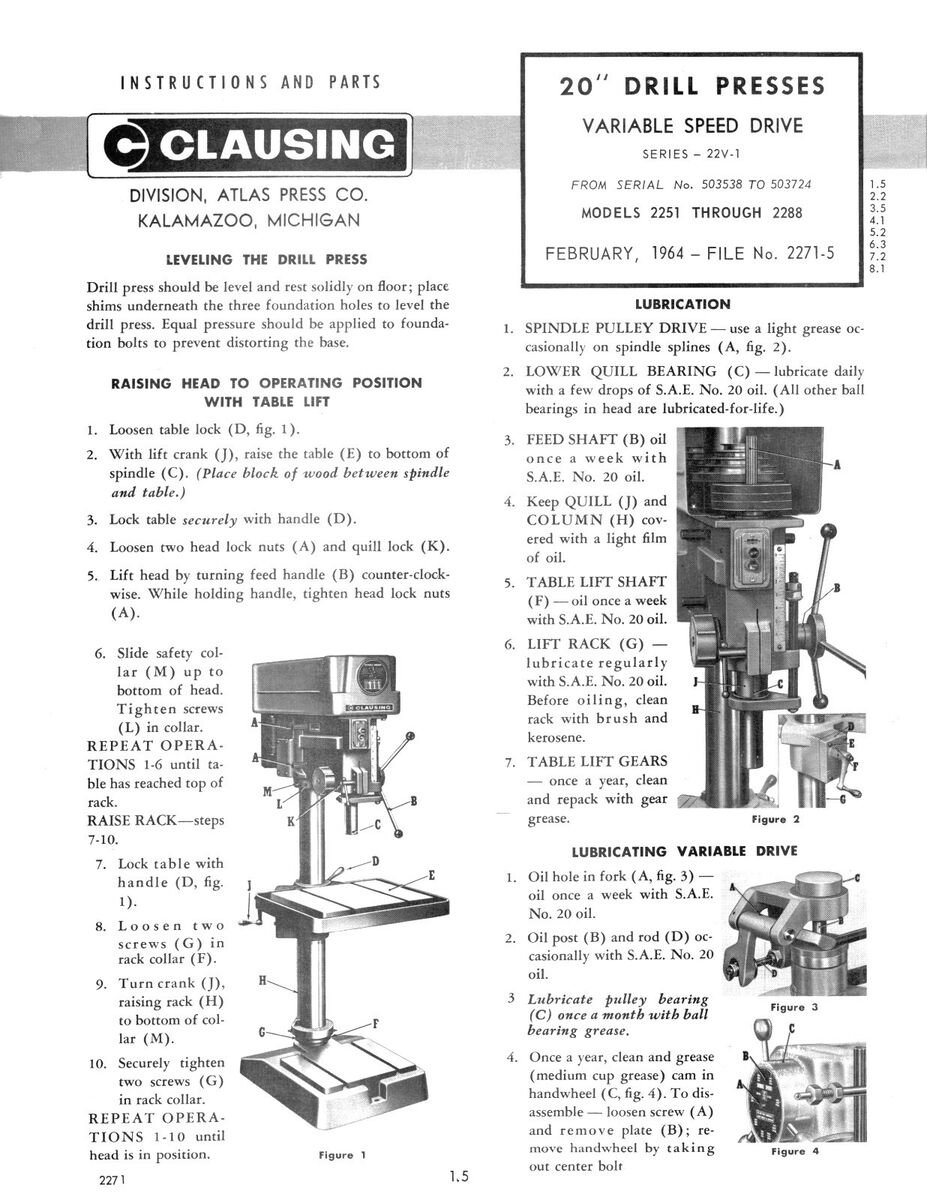
If you want your drill press to work smoothly and last longer, knowing how to oil it properly is key. You might think it’s a small step, but skipping this simple task can lead to costly repairs and frustrating breakdowns.
In this guide, you’ll discover easy, step-by-step tips to keep your drill press running like new. Whether you’re a beginner or have some experience, you’ll learn exactly what to do—and what to avoid. Ready to save time and money while boosting your tool’s performance?
Let’s get started.

Credit: www.bobvila.com
Choosing The Right Oil
Oiling a drill press is key for smooth operation. Choosing the right oil keeps parts moving without wear.
Different oils suit different parts and tasks. Learn which oil type fits your drill press best.
Types Of Oils Suitable For Drill Presses
Use machine oil or light lubricating oil for drill presses. These oils reduce friction and protect metal parts.
- 3-in-1 oil: Common for general lubrication
- Motor oil (light weight): Good for heavy parts
- Spindle oil: Thin, designed for high-speed parts
- Grease: Best for gears and heavy load areas
Synthetic Vs. Mineral Oils
Synthetic oils last longer and work well in cold or hot conditions. Mineral oils come from natural sources and cost less.
For a drill press, synthetic oil offers better protection. Mineral oil is fine for light use and older machines.
Oil Viscosity And Its Importance
Viscosity means how thick or thin the oil is. Thinner oils flow easily but may not protect heavy parts well. Thicker oils protect better but can slow moving parts.
| Viscosity Grade | Best Use |
| 10W-30 | General lubrication for most drill presses |
| SAE 20 | Heavier parts and warmer conditions |
| SAE 10 | Thin oil for cold weather or high speed parts |
Preparing The Drill Press
Oiling a drill press helps keep it working smoothly. Before oiling, you must prepare the machine well. Proper preparation makes the oiling process safe and effective.
This guide covers cleaning, safety, and tools needed to prepare your drill press for oiling.
Cleaning Before Oiling
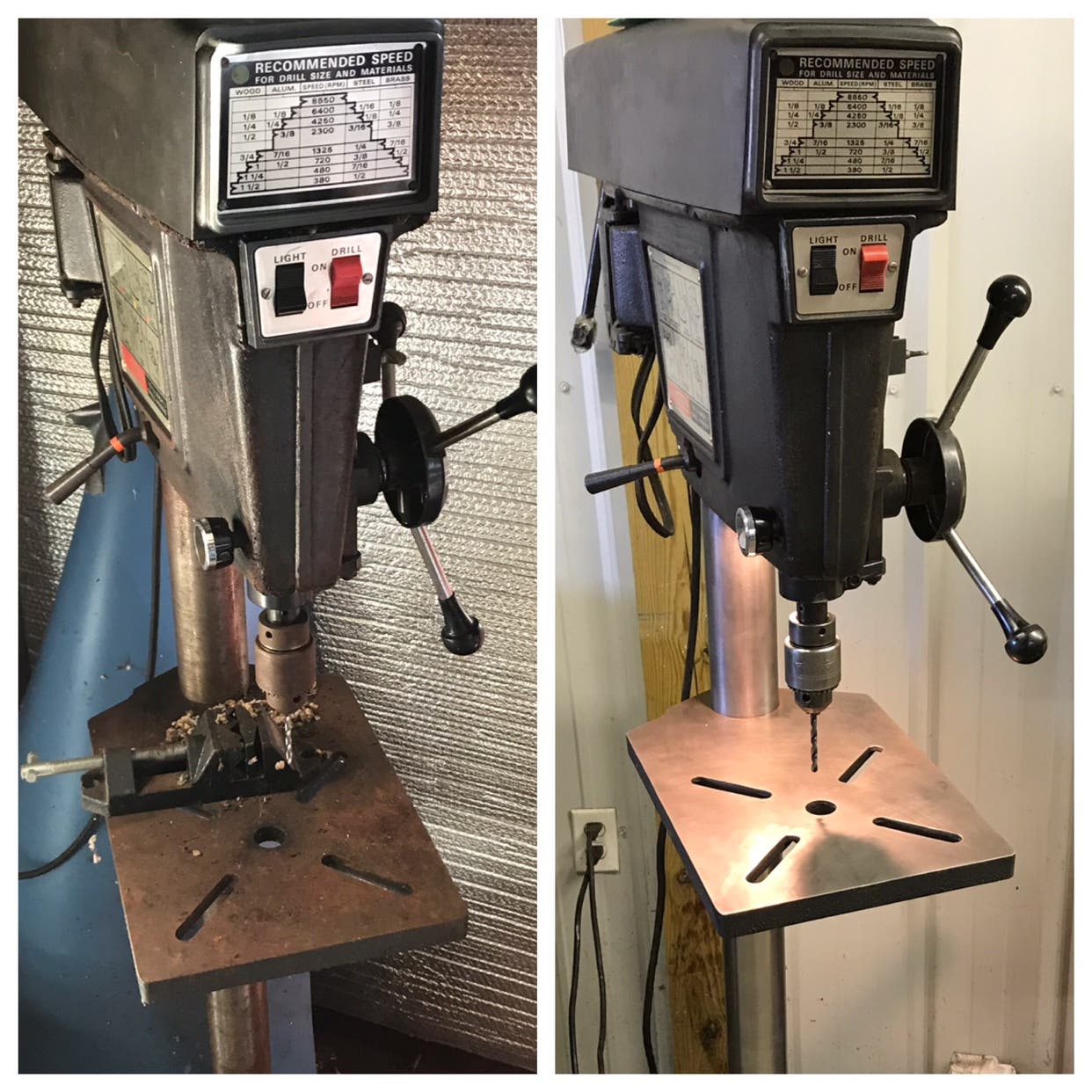
Cleaning the drill press removes dust and old grease. This prevents dirt from mixing with the oil. Clean parts get better lubrication and last longer.
- Unplug the drill press to avoid accidents.
- Use a brush to remove dust and debris.
- Wipe metal parts with a clean cloth.
- Remove old grease with a degreaser if needed.
- Check for rust and clean it carefully.
Safety Precautions
Safety is key before oiling your drill press. Take these steps to protect yourself and the machine from harm.
| Safety Step | Reason |
|---|---|
| Disconnect power | Prevents accidental starts |
| Wear gloves | Keeps hands clean and safe from chemicals |
| Work in a well-ventilated area | Reduces inhaling fumes from oil or cleaners |
| Use eye protection | Protects eyes from splashes or debris |
Tools Needed For Oiling
Gathering the right tools makes oiling easier and more effective. Use tools made for drill press maintenance.
- Cleaning cloths or rags
- Small brush for dust removal
- Degreaser or cleaning solvent
- Drip oil or machine oil
- Oil can or applicator
- Wrench set for parts access
- Gloves and safety glasses
Oiling The Moving Parts
Keeping your drill press well-oiled helps it run smoothly. Oiling stops parts from wearing out too fast.
This guide covers key spots to oil on your drill press. Focus on the spindle, quill, gears, and bearings.
Lubricating The Spindle
The spindle moves the drill bit up and down. It needs light oil for smooth motion. Use a few drops of machine oil on the spindle shaft.
- Turn off and unplug the drill press.
- Clean the spindle area with a cloth.
- Apply 2 to 3 drops of light oil around the spindle.
- Move the spindle to spread the oil evenly.
Oiling The Quill
The quill holds the spindle and slides up and down in the head. It needs oil to prevent rust and sticking. Use oil designed for metal tools.
| Quill Part | Oil Type | Amount |
| Inner surface | Light machine oil | Few drops |
| Outer surface | General purpose oil | Light coat |
| Moving joints | Penetrating oil | Small spray |
Greasing The Gears And Bearings
Gears and bearings need grease to work well and last long. Use the right type of grease for your drill press model. Check the manual if unsure.
Follow this process to grease gears and bearings:
- Remove covers to access gears and bearings.
- Clean old grease and dirt with a rag.
- Apply a small amount of grease on each gear tooth.
- Put grease inside bearing housings if possible.
- Reassemble covers tightly after greasing.

Credit: www.youtube.com
Frequency Of Oiling
Oiling your drill press keeps it running smoothly. It helps prevent rust and wear on moving parts.
Knowing how often to oil your drill press saves time and extends its life.
Daily Vs. Weekly Maintenance
Daily oiling is not always needed unless you use the drill press a lot. Light users can oil weekly.
Daily maintenance includes wiping down and checking for dust or debris. Oil parts lightly if dry.
- Daily: Clean surfaces and check for dryness
- Weekly: Apply oil to moving parts like the spindle and quill
Signs It’s Time To Oil
Your drill press may need oil if it starts to squeak or feels stiff. These signs mean parts are dry.
Watch for slow spindle movement or rough sounds. These show that oil is needed soon.
- Squeaking or noise during use
- Spindle or quill moves slowly or unevenly
- Visible dryness or rust on metal parts
Long-term Care Tips
Oil your drill press regularly to avoid damage. Store it in a dry place to prevent rust.
Use the right oil type and clean old oil before adding new. Check belts and screws often too.
- Use machine oil recommended for drill presses
- Remove old oil and dirt before oiling again
- Keep belts tight and replace if worn
- Store drill press in a dry, dust-free area
Common Mistakes To Avoid
Oiling a drill press keeps it working well. Avoid mistakes to protect your tool and save money.
Learn the common errors people make when oiling. Fixing these helps your drill press last longer.
Using The Wrong Oil
Using the wrong oil can harm your drill press. Not all oils work well with metal parts and moving joints.
Choose oil made for metal tools. Avoid thick or dirty oils that can clog parts or wear them down.
- Do not use motor oil or cooking oil
- Use light machine or sewing machine oil
- Check the drill press manual for oil type
Over-oiling And Its Effects
Too much oil causes problems. It can attract dust and dirt, which wears out parts faster.
Over-oiling also makes a mess and can drip onto your work area. Use only the right amount.
- Apply a few drops, not a flood
- Wipe off extra oil after application
- Check regularly but avoid excess oil
Neglecting Hard-to-reach Areas
Some parts of a drill press are hard to reach but still need oil. Skipping these areas causes rust and wear.
Use small tools like a needle oiler or a brush to reach tight spots. Keep all moving parts lubricated.
- Oil gears, bearings, and joints carefully
- Do not forget the spindle and feed handles
- Clean parts before oiling to remove old grease
Credit: www.weldingweb.com
Enhancing Drill Press Performance
Oiling a drill press helps keep it running smoothly. Proper lubrication reduces friction between moving parts.
Regular oiling improves the machine’s efficiency and prevents damage over time. It is an easy way to maintain your drill press.
Improving Smoothness And Precision
Oiling the drill press makes its parts move without sticking or jerking. This leads to smoother drilling action.
Smoother movement helps you drill holes more accurately. Precise holes are important for good results in your work.
- Lubricate the spindle and quill regularly
- Use machine oil recommended by the manufacturer
- Wipe away old oil and dirt before applying new oil
Reducing Noise And Wear
Oiling reduces metal rubbing on metal. This lowers noise levels when the drill press runs.
Less friction means the parts wear out slower. This keeps your drill press in good shape longer.
- Apply oil to bearings and gears to cut down noise
- Check oil levels often and refill as needed
- Clean parts before oiling to avoid trapping dirt
Extending Machine Lifespan
Regular oiling stops rust and damage caused by dry parts. This extends how long your drill press works well.
Well-lubricated machines need fewer repairs and last many years. This saves money on parts and service.
- Oil moving parts at least once a month
- Store the drill press in a dry place to avoid rust
- Follow the maintenance guide for your specific model
Frequently Asked Questions
How Often Should I Oil A Drill Press?
Oil your drill press every 3 to 6 months for optimal performance. Frequent use may require more regular lubrication. Consistent oiling prevents rust and ensures smooth operation.
What Type Of Oil Is Best For A Drill Press?
Use lightweight machine oil or 3-in-1 oil for your drill press. These oils reduce friction and protect metal parts. Avoid thick oils that can gum up the mechanism.
Where Should I Apply Oil On A Drill Press?
Apply oil to the spindle, quill, and feed handles. Lubricate moving parts and any metal-to-metal contact areas. This keeps the drill press running smoothly and extends its lifespan.
Can I Use Wd-40 Instead Of Oil On A Drill Press?
WD-40 is a water displacer, not a proper lubricant. Use machine oil for lubrication to protect parts effectively. WD-40 can clean but should not replace oil on a drill press.
Conclusion
Oiling a drill press keeps it running smoothly and lasts longer. Clean the parts well before adding oil. Use the right oil type and apply it carefully. Regular oiling stops rust and reduces wear. This simple step saves money on repairs.
Keep your drill press ready for every job. Small effort, big results. Take care of your tools—they work better and last more.