Imagine you’re standing in your workshop, eyeing that drill press with a mix of excitement and hesitation. You know it’s a powerful tool capable of making precise holes in various materials, but you’re not quite sure how to harness its full potential.
Learning how to operate a drill press efficiently can transform your projects, saving you time and ensuring accuracy. You’ll discover simple, actionable steps that will boost your confidence and make your woodworking or metalworking tasks smoother and more enjoyable. Dive in, and unlock the secrets to mastering this essential piece of equipment.
Your projects—and your peace of mind—will thank you.
Choosing The Right Drill Press
Using a drill press can make drilling tasks easier and more precise. Picking the right drill press helps you work safely and efficiently.
Consider the types, features, and drill bits to find the best fit for your needs.
Types Of Drill Presses
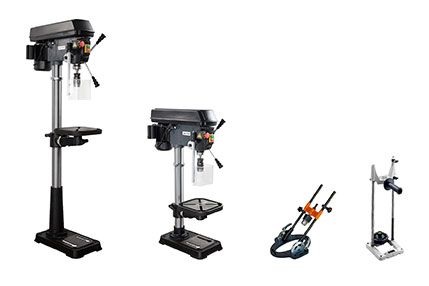
There are several drill press types. Each suits different tasks and workspaces.
- Bench Drill Press:Small and fits on a workbench. Ideal for light jobs.
- Floor Drill Press:Larger and stands on the floor. Best for heavy-duty work.
- Radial Drill Press:Has an adjustable arm for large workpieces.
- Magnetic Drill Press:Portable and uses a magnet to hold on metal surfaces.
Key Features To Consider
| Feature | Why It Matters |
| Motor Power | Stronger motors handle tougher materials. |
| Speed Settings | Variable speeds fit different drill bits and materials. |
| Table Size | Larger tables support bigger workpieces. |
| Depth Stop | Controls drilling depth for accuracy. |
| Chuck Size | Limits the size of drill bits you can use. |
Choose features that match the tasks you plan to do most often.
Selecting Appropriate Drill Bits
Drill bits come in many shapes and sizes. Use the right bit for your material and hole size.
- Twist Bits:Good for wood, plastic, and metal.
- Brad Point Bits:Best for wood to prevent slipping.
- Masonry Bits:Designed for stone and concrete.
- Forstner Bits:Make flat-bottom holes in wood.
- Step Bits:Drill different hole sizes in thin metal.
Setting Up For Accurate Drilling
Operating a drill press correctly starts with proper setup. Accurate drilling depends on how well you prepare the machine and the workpiece.
Take time to adjust each part carefully. This prevents mistakes and improves the quality of your holes.
Securing The Workpiece
Hold the workpiece firmly to avoid movement during drilling. Movement can cause uneven holes or injury.
Use clamps or a vise to keep the material steady. Make sure the clamps do not block the drill bit’s path.
- Choose clamps that fit the workpiece size
- Check that the workpiece is flat against the table
- Do not overtighten to avoid damaging the material
Adjusting The Table And Spindle
Set the drill press table to the right height and angle. This helps drill holes in the correct spot.
Adjust the spindle so the drill bit lines up with the mark on the workpiece. Check alignment from different angles.
- Loosen the table lock to move the table up or down
- Use the tilt feature for angled drilling
- Lower the spindle slowly to test the drill bit position
Calibrating Depth And Speed
Set the drill press depth stop to control how deep the bit goes. This prevents drilling too far.
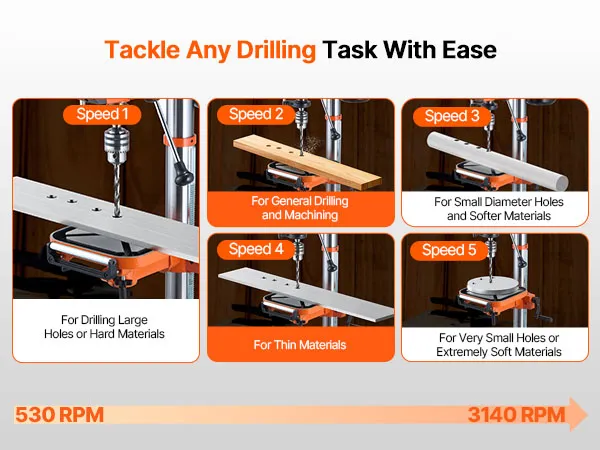
Choose the correct speed for the material and bit size. Too fast or slow speeds can cause poor results.
- Adjust depth stop by turning the knob or screw
- Use slower speeds for hard materials like metal
- Use faster speeds for soft materials like wood
- Refer to drill bit guidelines for speed recommendations
Safe Operating Practices
Using a drill press safely helps prevent injuries. It also keeps the machine working well.
Learn how to use personal protection and avoid common dangers. Know what to do if emergencies happen.
Personal Protective Equipment
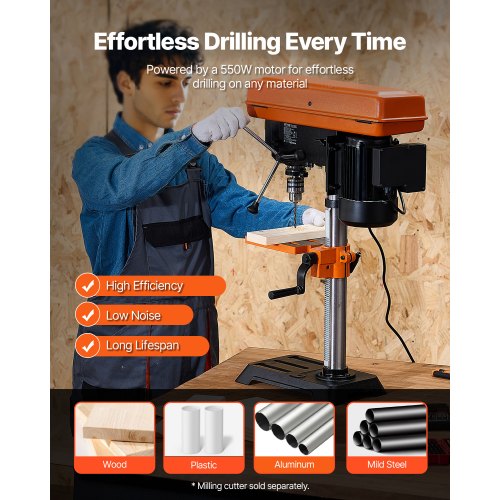
Wear the right gear before using a drill press. This protects your eyes, ears, and hands.
Always wear safety glasses or goggles. Use ear protection if the noise is loud. Gloves help protect your hands, but avoid loose gloves that might get caught.
- Safety glasses or goggles
- Hearing protection such as earplugs or earmuffs
- Close-fitting gloves when handling materials
- Non-slip footwear
- Remove loose clothing and jewelry
Avoiding Common Hazards
Keep your work area clean and organized. Remove any tools or scraps that can cause trips or slips.
Make sure the drill bit is sharp and properly secured. Never leave the drill press running unattended.
- Secure loose hair and clothing
- Check drill bits for damage before use
- Use clamps to hold the workpiece firmly
- Do not force the drill; let it cut at its own speed
- Turn off and unplug the machine before adjustments
Emergency Procedures
Know where the emergency stop button is. Use it immediately if something goes wrong.
Report any accidents to your supervisor. Keep a first aid kit nearby and know basic first aid steps.
- Locate emergency stop controls before starting
- Stop the machine if you feel unsafe
- Use first aid supplies for minor injuries
- Call for help in serious situations
- Do not try to fix the machine while it runs
Credit: www.vevor.ca
Techniques For Precision Drilling
Using a drill press correctly helps you make clean and exact holes. Precision drilling is important for many projects. It saves time and material.
Below are some key techniques to improve your drilling accuracy. These tips focus on marking, feed control, and securing your workpiece.
Marking And Centering Holes
Start by marking the exact spot where you want the hole. Use a center punch to make a small dent at the mark. This dent guides the drill bit and stops it from slipping.
- Use a ruler or measuring tool for accuracy.
- Draw a clear, visible mark with a pencil or marker.
- Place the center punch on the mark and tap lightly with a hammer.
- Align the drill bit with the punched dent before turning on the drill press.
Controlling Feed Rate
The feed rate controls how fast the drill bit moves into the material. Too fast can damage the bit or workpiece. Too slow wastes time and can cause heat build-up.
| Material | Recommended Feed Rate | Notes |
|---|---|---|
| Softwood | Medium | Use steady pressure |
| Hardwood | Slow | Prevent bit overheating |
| Metal | Very Slow | Use cutting fluid |
| Plastic | Medium to Slow | Avoid melting |
Using Clamps And Jigs
Clamps and jigs hold the material steady during drilling. This prevents movement and keeps holes aligned.
Using the right clamp or jig improves safety and accuracy. It also reduces mistakes and material waste.
- Choose clamps that fit the size and shape of your workpiece.
- Secure the workpiece firmly but avoid crushing it.
- Use jigs to guide the drill bit for repeated holes.
- Check that clamps and jigs do not block the drill bit path.
Maintenance For Optimal Performance
Keeping your drill press in good shape helps it work better and last longer. Regular maintenance stops problems before they start.
Follow simple care tips to keep your drill press running smoothly and safely every time you use it.
Lubrication And Cleaning
Lubricate moving parts often to reduce friction and wear. Clean the drill press after each use to remove dust and debris.
Use a soft cloth and light machine oil on gears, bearings, and the spindle. Avoid over-oiling to prevent buildup.
- Wipe down surfaces with a dry cloth
- Apply oil to the spindle and feed handles
- Keep the base free of sawdust and metal shavings
Checking Belt Tension
Check the belt tension regularly to ensure smooth operation. A loose belt can slip and reduce power.
Press the belt midway between pulleys. It should move about half an inch with firm pressure.
- Tighten the belt if it moves more than half an inch
- Loosen if the belt is too tight to avoid damage
- Replace the belt if it shows cracks or frays
Replacing Worn Parts
Inspect parts like belts, pulleys, and bearings for wear. Replace worn parts to keep the drill press safe and efficient.
Use parts that match your drill press model. Keep spare parts on hand for quick fixes.
- Change belts with visible cracks or damage
- Replace bearings that make noise or feel rough
- Check pulleys for wear and replace if needed
Credit: www.dictum.com
Troubleshooting Common Issues
Using a drill press can be easy if you know how to handle common problems. This guide helps you fix usual troubles fast.
Keep your drill press working well by solving issues like bit slippage, wrong hole placement, and motor troubles.
Dealing With Drill Bit Slippage
Drill bit slippage happens when the bit spins without gripping the material. It can damage the bit or workpiece.
- Check if the drill chuck is tight enough around the bit.
- Use the correct size and type of drill bit for your material.
- Clean the bit and chuck to remove dirt or oil.
- Replace worn or damaged drill bits promptly.
- Apply steady pressure to avoid sudden slips.
Fixing Misaligned Holes
Misaligned holes cause parts not to fit or work properly. Aligning your drill press can solve this problem.
| Cause | Fix |
| Loose drill press table | Tighten the table locking screws |
| Wrong fence or stop position | Adjust fence or stop to proper place |
| Incorrect drill bit setup | Set bit square and secure in chuck |
| Uneven workpiece support | Use clamps or supports to hold work steady |
Resolving Motor Problems
Motor issues can stop your drill press from running or cause strange noises. Check these points to fix motor problems.
Motor Troubleshooting Checklist:
- Ensure the power cord and plug are not damaged.
- Check if the switch is working and fully on.
- Listen for unusual sounds that may signal motor damage.
- Inspect belts for wear or looseness and replace if needed.
- Clean dust and debris from motor vents to prevent overheating.
- If motor still fails, consult a professional for repair.
Credit: eur.vevor.com
Frequently Asked Questions
How Do I Set The Speed On A Drill Press?
Adjust the drill press speed by changing the belt position on the pulleys. Refer to the speed chart for material-specific settings. Always turn off and unplug the machine before adjusting speed to ensure safety and accuracy.
What Safety Tips Should I Follow Using A Drill Press?
Always wear safety goggles and keep loose clothing away. Secure the workpiece firmly and use clamps when necessary. Never leave the drill press running unattended and always unplug it before making adjustments.
How Can I Prevent Drill Bit Slipping?
Ensure the drill bit is properly tightened in the chuck. Use a center punch to mark the drilling spot for better accuracy. Applying steady, even pressure helps prevent slipping and improves hole precision.
When Should I Replace Drill Press Belts?
Replace belts showing cracks, fraying, or excessive wear. Regular inspection ensures efficient power transmission and prevents unexpected breakdowns. Timely replacement maintains optimal drill press performance and safety.
Conclusion
Operating a drill press well saves time and effort. Always check the machine before use. Keep your workspace clean and organized. Use the right drill bit for each task. Control speed to match the material you work on. Stay focused and keep your hands safe.
Practice these tips often to improve skill. Safe, steady work leads to better results. Simple steps make drilling easier every day.