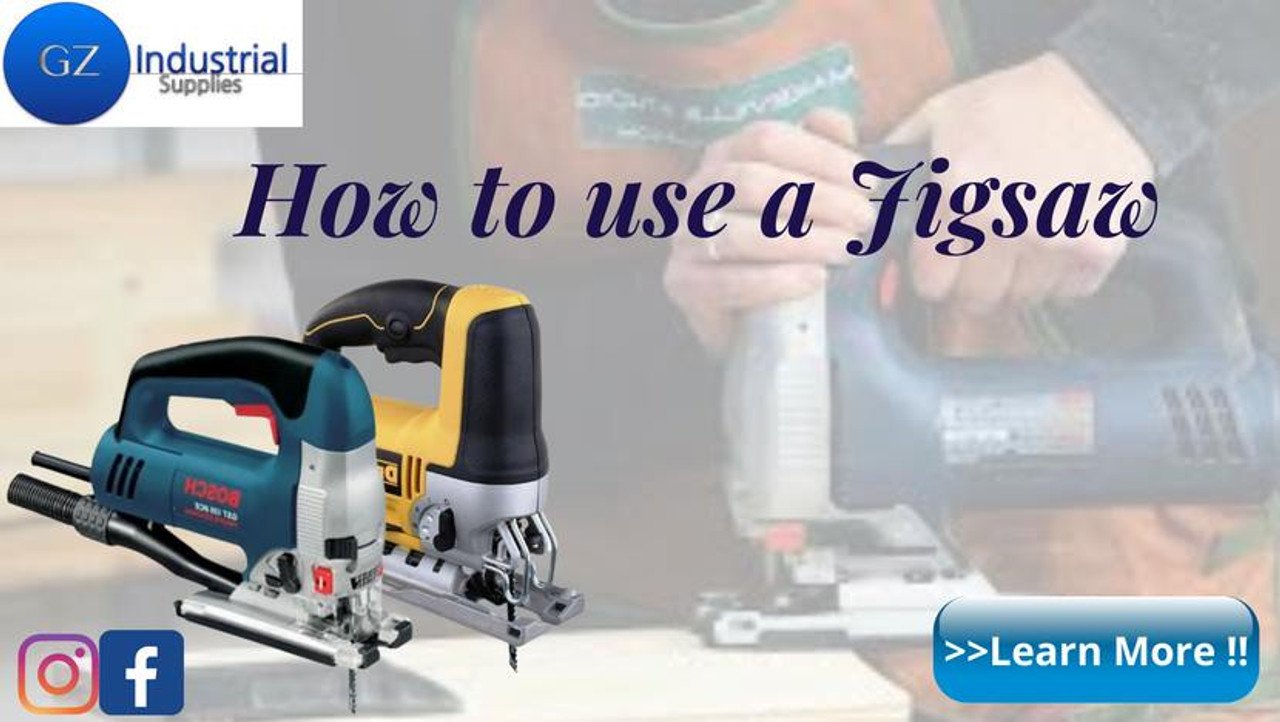
If you’re planning to use a jigsaw for your next project, knowing how to operate it safely is a must. This powerful tool can make cutting curves and shapes easy, but it can also be dangerous if you’re not careful.
You don’t want to risk injury or damage your materials. You’ll discover simple and effective tips to handle your jigsaw with confidence and keep yourself protected every step of the way. Keep reading to make sure your next cut is smooth, precise, and safe.

Credit: www.findbuytool.com
Choosing The Right Jigsaw
Choosing the right jigsaw is important for safe and accurate cutting. The right tool helps you work faster and avoid mistakes.
There are many types of jigsaws and features to think about. Knowing these helps you pick the best one for your project.
Types Of Jigsaws
Jigsaws come in corded and cordless versions. Corded jigsaws need a power outlet but offer constant power. Cordless jigsaws run on batteries and give more freedom to move.
Some jigsaws have different speed settings. Variable speed helps control the cut on different materials. Choose a type that fits your work style.
Blade Selection
Blade choice affects how clean and fast your cuts are. Use blades made for the material you cut, like wood, metal, or plastic.
- Fine-toothed blades cut metal smoothly
- Coarse blades cut wood faster
- Special blades handle curves and shapes better
Check blade length and thickness. Longer blades cut thicker materials. Thicker blades stay straighter for precise cuts.
Features To Consider
Look for safety features like blade guards and lock switches. These prevent accidents during use and when changing blades.
Other useful features include adjustable shoe plates for angled cuts and dust blowers to keep the line clear. Comfortable handles reduce hand strain.
Preparing Your Workspace
Operating a jigsaw safely starts with a clean and organized workspace. Preparing your area helps avoid accidents and makes cutting easier.
Take time to set up your work area before using the jigsaw. This will keep you safe and improve your results.
Clearing The Area
Remove all unnecessary items from your workspace. This prevents tripping and stops objects from getting in the way.
Keep tools, cords, and scraps away from the cutting path. A clear area helps you focus on your work safely.
- Clear the floor around your workbench
- Remove loose tools and materials
- Keep cords organized and out of the way
Securing The Material
Always secure your material before cutting with a jigsaw. This stops the material from moving and causing mistakes.
Use clamps or a vise to hold your workpiece firmly in place. Loose material is dangerous and hard to cut accurately.
- Use clamps to hold wood or plastic sheets
- Check that the material does not wobble
- Position clamps so they do not block the jigsaw blade
Ensuring Proper Lighting
Good lighting helps you see the cut line clearly. It reduces mistakes and makes the job safer.
Use bright overhead lights or a task lamp focused on your work area. Avoid shadows that can hide the blade or cutting line.
- Use natural light when possible
- Position lamps to shine directly on the cutting area
- Check lighting before starting your cut
Personal Safety Gear
Using a jigsaw can be risky without the right safety gear. Protecting yourself keeps accidents away.
Wear the proper equipment to guard your eyes, hands, and ears while working.
Protective Eyewear
Wear safety glasses or goggles to shield your eyes from flying debris and dust. Clear lenses help you see clearly while cutting.
Gloves And Clothing
Use gloves that fit well to protect your hands from sharp edges and splinters. Avoid loose clothes that can get caught in the jigsaw.
- Choose thick, cut-resistant gloves
- Wear long sleeves to protect your arms
- Use closed-toe shoes for foot safety
- Keep clothes tight and avoid dangling jewelry
Hearing Protection
Jigsaws can be loud. Protect your hearing by wearing earplugs or earmuffs. This prevents damage from long exposure to noise.
| Type of Hearing Protection | Best Use |
| Foam Earplugs | Single use, easy to carry |
| Reusable Earplugs | Longer projects, washable |
| Earmuffs | High noise levels, easy on/off |

Credit: www.findbuytool.com
Operating The Jigsaw
Operating a jigsaw safely requires focus and control. It is important to handle the tool carefully to avoid accidents.
Understanding how to start, control speed, and guide the blade helps you work precisely and safely.
Starting The Tool
Hold the jigsaw firmly with both hands. Make sure the blade is clear of the material.
Press the power switch gently to start the jigsaw. Let the blade reach full speed before cutting.
Controlling The Speed
Use the speed control dial or trigger to adjust the blade speed. Start slow for detailed cuts.
Increase speed for straight cuts on soft materials. Slow down for curves or hard materials.
- Low speed: curves and hard wood
- Medium speed: normal cutting tasks
- High speed: straight cuts on soft wood
Guiding The Blade
Keep the jigsaw base flat on the material. Move it slowly along the cut line for accuracy.
Do not force the blade. Let it cut at its own pace to avoid bending or breaking.
- Follow the marked line carefully
- Keep steady pressure on the tool
- Support the material to prevent movement
Cutting Techniques
Using a jigsaw safely needs good cutting skills. Proper techniques help you cut wood or other materials smoothly. You also reduce the risk of accidents by cutting correctly.
Learn how to do straight cuts, curved cuts, and avoid kickback. These tips will make your work cleaner and safer.
Straight Cuts
For straight cuts, use a guide or straight edge to keep the jigsaw steady. Mark the line clearly on the material before cutting. Start the saw before it touches the wood to avoid splintering.
- Clamp a straight edge to the material
- Follow the guide slowly and steadily
- Keep the base plate flat on the surface
- Do not force the saw; let the blade cut at its own pace
- Check the blade for sharpness before cutting
Curved Cuts
Curved cuts require more control and a thinner blade. Choose a blade designed for curves. Move the jigsaw slowly to follow the marked line smoothly. Avoid sharp turns to keep the blade from bending or breaking.
| Blade Type | Use | Blade Width |
|---|---|---|
| Fine-tooth blade | Detailed curves | Narrow |
| Standard blade | Gentle curves | Medium |
| Metal-cutting blade | Curves in metal | Narrow |
Avoiding Kickback
Kickback happens when the blade catches and the saw jerks back. To avoid this, keep a firm grip and do not force the jigsaw. Always cut with the blade spinning at full speed. Make sure your material is secure and stable.
- Hold the jigsaw firmly with both hands
- Secure the workpiece with clamps
- Keep the blade sharp and clean
- Do not twist the saw during cuts
- Wear safety glasses and gloves
Maintenance And Storage
Keeping your jigsaw clean and well-maintained helps it work better and last longer. Proper storage protects the tool from damage and keeps it ready to use.
Follow simple steps for cleaning, changing the blade, and storing your jigsaw safely.
Cleaning The Jigsaw
After using the jigsaw, unplug it before cleaning. Remove dust and debris from the tool’s surface and vents. Use a soft brush or cloth to avoid damage.
- Wipe the jigsaw with a dry cloth
- Use compressed air to clean vents
- Remove sawdust from blade area
- Do not use water or harsh chemicals
Blade Replacement
Change the blade when it becomes dull or damaged. Always unplug the jigsaw first. Use the blade release lever or screwdriver to remove the old blade.
| Blade Type | Use | Replacement Tips |
| Fine-tooth blade | Smooth cuts | Replace if teeth are missing |
| Coarse-tooth blade | Fast cuts | Check for bending or cracks |
| Specialty blade | Metal or plastic | Match blade to material |
After inserting the new blade, secure it tightly before use.
Safe Storage Practices
Store your jigsaw in a dry, clean place. Keep it away from children and pets. Use a case or cover to protect the tool from dust.
- Unplug and clean the jigsaw before storage
- Keep blades stored separately in a safe container
- Store in a location with stable temperature
- Check the tool regularly for signs of wear

Credit: www.youtube.com
Frequently Asked Questions
How Do I Start Using A Jigsaw Safely?
Always wear safety goggles and gloves before operating a jigsaw. Secure your workpiece firmly. Check the blade for damage. Start the jigsaw at a low speed and guide it steadily through the material.
What Safety Gear Is Essential For Jigsaw Use?
Wear safety goggles, gloves, and ear protection. Use a dust mask if cutting materials that produce dust. Wear sturdy shoes and avoid loose clothing to prevent accidents.
How To Choose The Right Blade For A Jigsaw?
Select blades based on material type and thickness. Use fine-tooth blades for metal and coarse-tooth blades for wood. Ensure the blade fits your jigsaw model properly.
How To Maintain Control While Operating A Jigsaw?
Hold the jigsaw firmly with both hands. Keep your fingers away from the blade path. Move the tool smoothly without forcing it to prevent kickbacks.
Conclusion
Operating a jigsaw safely is crucial for your safety. Always wear protective gear. Check your jigsaw before starting. Ensure the blade is sharp and tight. Keep your hands away from the blade. Follow the guide for straight cuts. Work slowly and carefully for best results.
Practice makes you better. With these tips, you can enjoy using your jigsaw. Stay safe and happy crafting. Remember, safety first, then fun!