Are your clamps scattered all over your workspace, making it hard to find the right one when you need it? Imagine saving time and frustration by having every clamp neatly organized by type.
You’ll not only boost your efficiency but also protect your tools from damage. You’ll discover simple and effective ways to sort and store your clamps so they’re easy to grab and use whenever a project calls for them. Ready to take control of your clutter and make your workshop a place you enjoy working in?
Let’s get started!

Credit: www.reddit.com
Choosing The Right Clamps
Clamps hold materials steady during work. Choosing the right type helps your project go smoothly.
Knowing different clamps and their uses saves time and effort. It also improves safety and results.
Common Clamp Types
Common clamps are useful for most woodworking and metal projects. They are easy to find and use.
- C-clamps:Hold heavy materials tightly with a screw mechanism.
- Bar clamps:Use a long bar for wide projects and even pressure.
- Spring clamps:Quick to use and good for light holding tasks.
- Pipe clamps:Adjustable and strong for large projects.
Specialty Clamps
Specialty clamps fit unique jobs. They help with shapes or materials that regular clamps cannot hold well.
| Clamp Type | Best For | Features |
| Corner clamps | Right angle joints | Hold pieces at 90 degrees |
| Toggle clamps | Quick holding | Fast locking and release |
| Bench clamps | Workbench use | Mounts on tables for stability |
| Strap clamps | Odd shapes | Wraps around irregular objects |
Selecting Clamps For Projects
Choose clamps based on the project size and material. Use the right clamp to avoid damage and to hold parts firmly.
- Check the material thickness and strength.
- Pick a clamp that fits the size of your work piece.
- Use more clamps for larger or heavier materials.
- Consider ease of use and how quickly you need to adjust the clamp.
- Test the clamp pressure to avoid marks or dents.
Credit: www.markswoodwerks.com
Sorting Clamps By Size And Function
Organizing clamps helps you find the right tool quickly. Sorting by size and function keeps your workspace neat.
Clamps come in many shapes and sizes. Grouping them correctly saves time and effort during projects.
Grouping By Size
Start by separating clamps into small, medium, and large groups. Size matters for storage and use.
Keep clamps with similar lengths and jaw openings together. This helps you pick the right clamp fast.
- Small clamps for light tasks and delicate work
- Medium clamps for general use
- Large clamps for heavy-duty projects
Categorizing By Use
Sort clamps by their function to find them easily. Different clamps serve unique purposes.
Group bar clamps, C-clamps, spring clamps, and specialty clamps separately. This keeps tools organized.
- Bar clamps for wide objects
- C-clamps for strong holding power
- Spring clamps for quick fixes
- Specialty clamps for unique tasks
Labeling Techniques
Use labels to mark clamp groups clearly. Labels speed up finding the right clamp.
Try color codes, tags, or written labels on shelves and containers. Keep labels simple and visible.
- Write size or type on each label
- Use colored tape or stickers for quick ID
- Place labels at eye level on storage racks
Storage Solutions For Clamps
Organizing clamps by type helps you find the right tool quickly. Proper storage also protects clamps from damage.
Choosing the right storage solution depends on your workspace size and clamp collection. Here are some options to consider.
Wall-mounted Racks
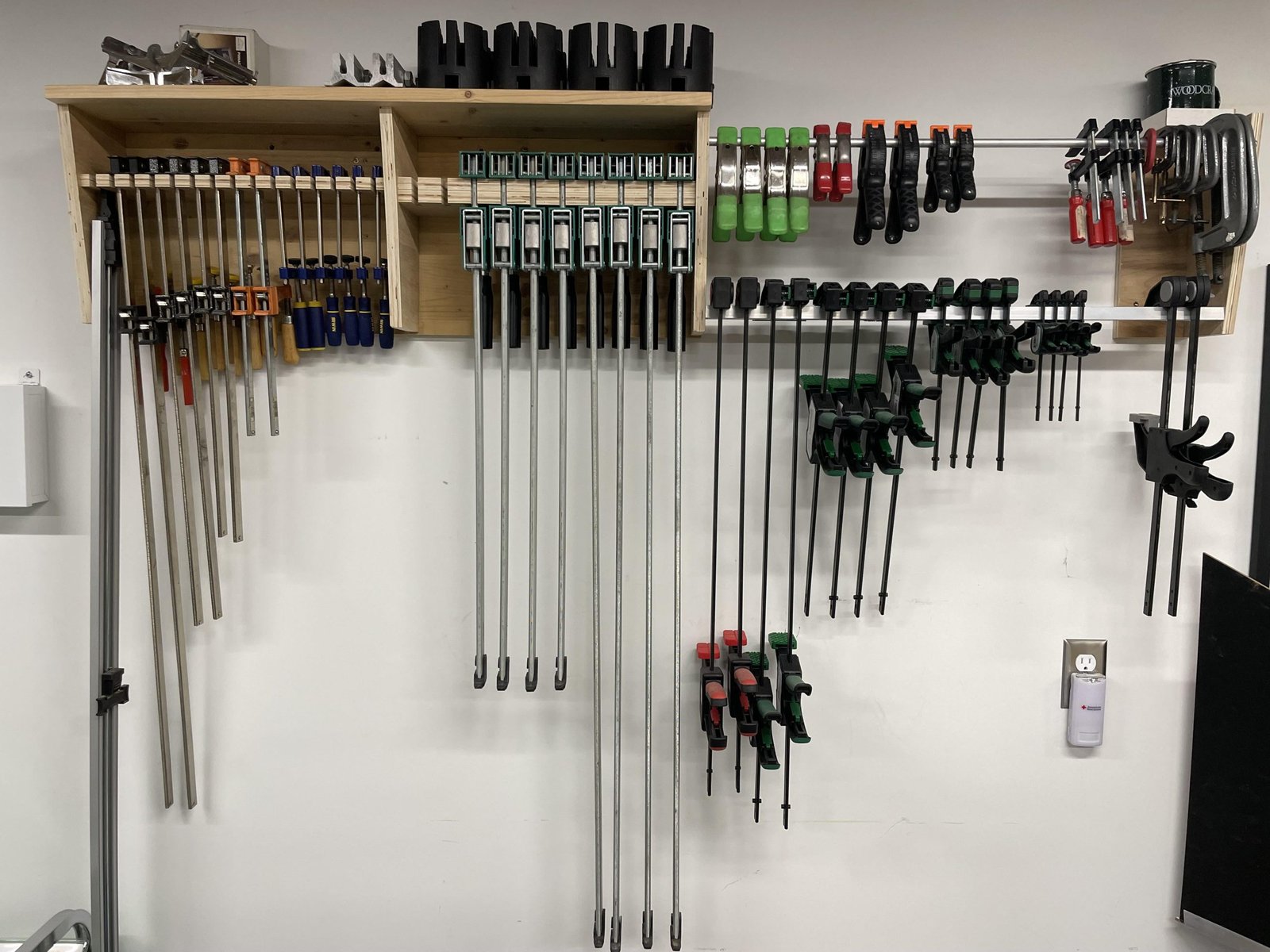
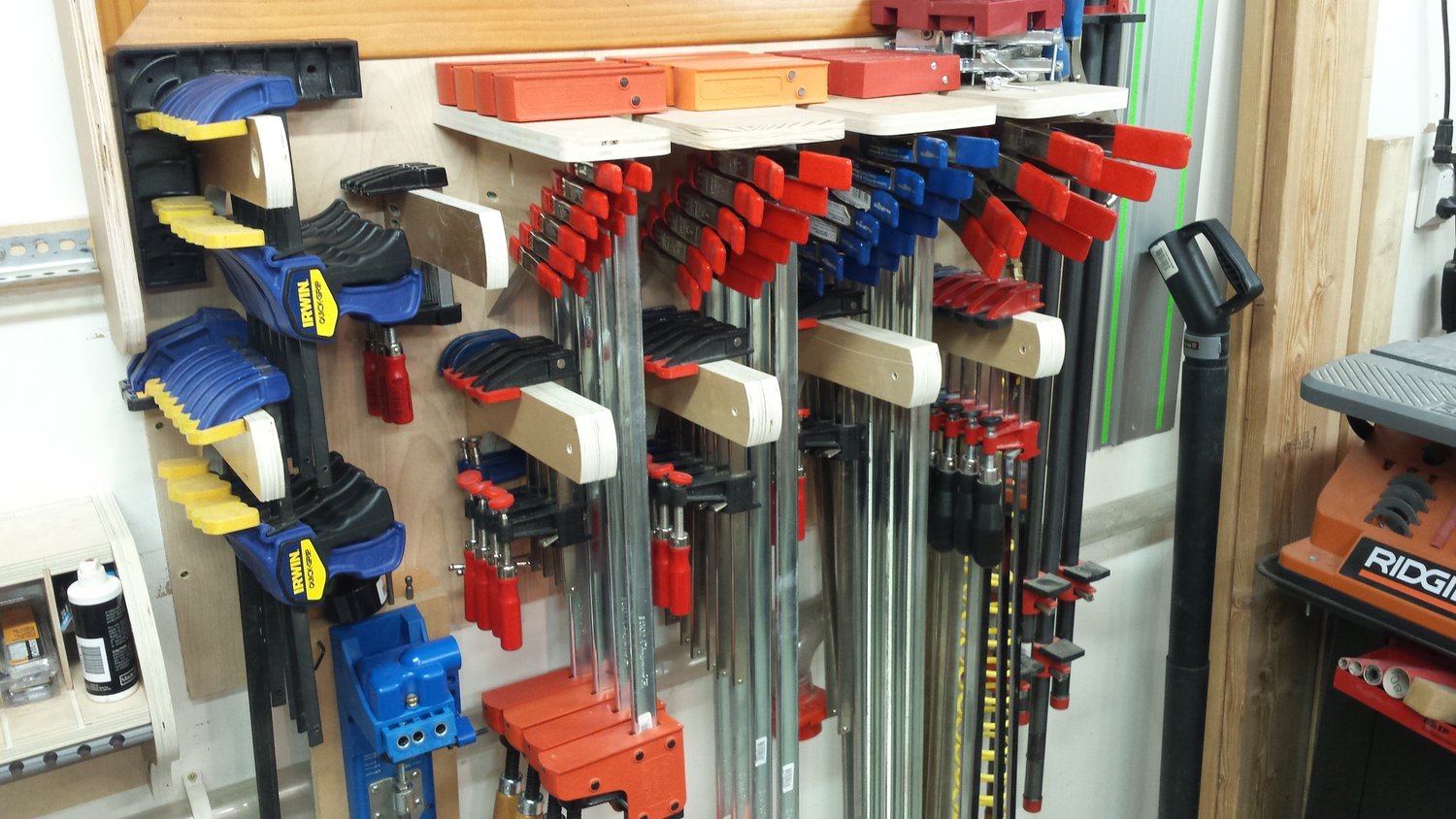
Wall-mounted racks save floor space and keep clamps visible. You can hang different clamp types on hooks or bars.
These racks are easy to build or buy and fit well in workshops. Group clamps by size or style on separate sections.
- Use sturdy hooks for heavy clamps
- Label sections for quick access
- Install at eye level for convenience
Portable Cases
Portable cases make it easy to carry clamps to different work areas. They protect clamps during transport.
Choose cases with compartments to separate clamp types. Foam inserts prevent scratches and keep clamps in place.
- Look for durable, lightweight materials
- Use clear lids to see contents
- Include handles for easy carrying
Drawer Organizers
Drawer organizers keep clamps tidy inside tool drawers. They help sort clamps by size or use.
Use dividers or trays to separate clamps. This stops clamps from tangling or sliding around when opening drawers.
- Measure drawers before buying organizers
- Use foam or rubber mats to reduce noise
- Label compartments for easy sorting
Maximizing Workspace Efficiency
Organizing clamps by type helps keep your workspace tidy. It saves time and effort when you find the right clamp quickly.
Good organization also prevents damage to your clamps. It makes your work flow smoother and safer.
Accessible Placement
Place clamps where you use them most often. Keep them within arm’s reach to avoid wasting time searching.
Use wall hooks or pegboards to hang clamps by type. This keeps clamps visible and easy to grab.
- Group bar clamps together on one wall
- Hang spring clamps near the workbench
- Store C-clamps in a drawer with dividers
Space-saving Tips
Stack clamps that fit inside each other to save space. Use vertical storage to keep your bench clear.
Magnetic strips work well for small metal clamps. This keeps them off surfaces and easy to reach.
- Hang clamps vertically on pegboards
- Store small clamps in labeled bins
- Use shelves for larger clamps
Maintenance And Care
Clean clamps regularly to remove dust and debris. This prevents rust and keeps them working well.
Check clamp screws and handles for damage. Fix or replace parts to avoid problems during use.
- Wipe metal parts with a dry cloth after use
- Apply light oil to metal joints to prevent rust
- Store clamps in a dry place away from moisture
Diy Clamp Organizers
Clamps are useful tools but can create clutter if not stored well. Organizing clamps by type saves time and space. DIY clamp organizers help keep your workspace neat and tools easy to find.
This guide shows simple ways to sort clamps using materials you may have at home. Choose a method that fits your needs and workshop size.
Building Custom Racks
Building a custom rack lets you create storage that fits your clamps perfectly. You can design it to hold different clamp sizes and types. Use wood or metal for sturdy racks.
- Measure your clamps to decide rack size
- Cut wood pieces for shelves or slots
- Assemble with screws or nails
- Add hooks or pegs for hanging smaller clamps
- Paint or finish the rack for durability
Repurposing Household Items
You can use many common household items to store clamps. This option is budget-friendly and easy to change. Items like old shelves, PVC pipes, or baskets work well.
| Household Item | Use for |
| Old Bookshelf | Stacking bar clamps |
| PVC Pipes | Slotting small clamps |
| Wire Baskets | Holding spring clamps |
| Wooden Dowels | Hanging C-clamps |
Creative Storage Ideas
Creative storage ideas help you organize clamps in unusual ways. These ideas save space and keep clamps visible. Try wall-mounted holders or magnetic strips for metal clamps.
- Mount pegboards with labeled spots for each clamp type
- Use magnetic strips to hold metal clamps on a wall
- Create a rolling cart with slots for clamps and other tools
- Hang clamps on hooks under workbench shelves

Credit: nick.blog
Frequently Asked Questions
What Are The Best Ways To Sort Clamps By Type?
Sorting clamps by type involves grouping similar clamps together. Use labeled bins or wall-mounted racks. This keeps your workspace tidy and speeds up clamp selection.
How Can I Maximize Space When Organizing Clamps?
Use vertical storage like pegboards or wall hooks. This saves floor space and keeps clamps visible. Stack smaller clamps in clear containers to avoid clutter.
Why Is Organizing Clamps By Type Important?
Organizing clamps by type improves efficiency and saves time. It prevents damage by avoiding improper storage. It also helps maintain a safer and cleaner workspace.
What Tools Help In Organizing Different Clamp Types?
Use pegboards, magnetic strips, and labeled shelves. Drawer dividers and bins also help separate clamp types. These tools keep clamps accessible and well-organized.
Conclusion
Organizing clamps by type makes your workspace efficient and tidy. It saves time searching for the right clamp during projects. Group similar clamps together for easy access. Use labels or color codes for quick identification. Keep frequently used clamps within reach.
Store specialized clamps separately for safety. Regularly review and update your storage system. This helps maintain order and ease of use. You boost productivity by keeping things organized. A well-organized space inspires creativity and reduces stress. Start organizing today and enjoy a clutter-free work environment.