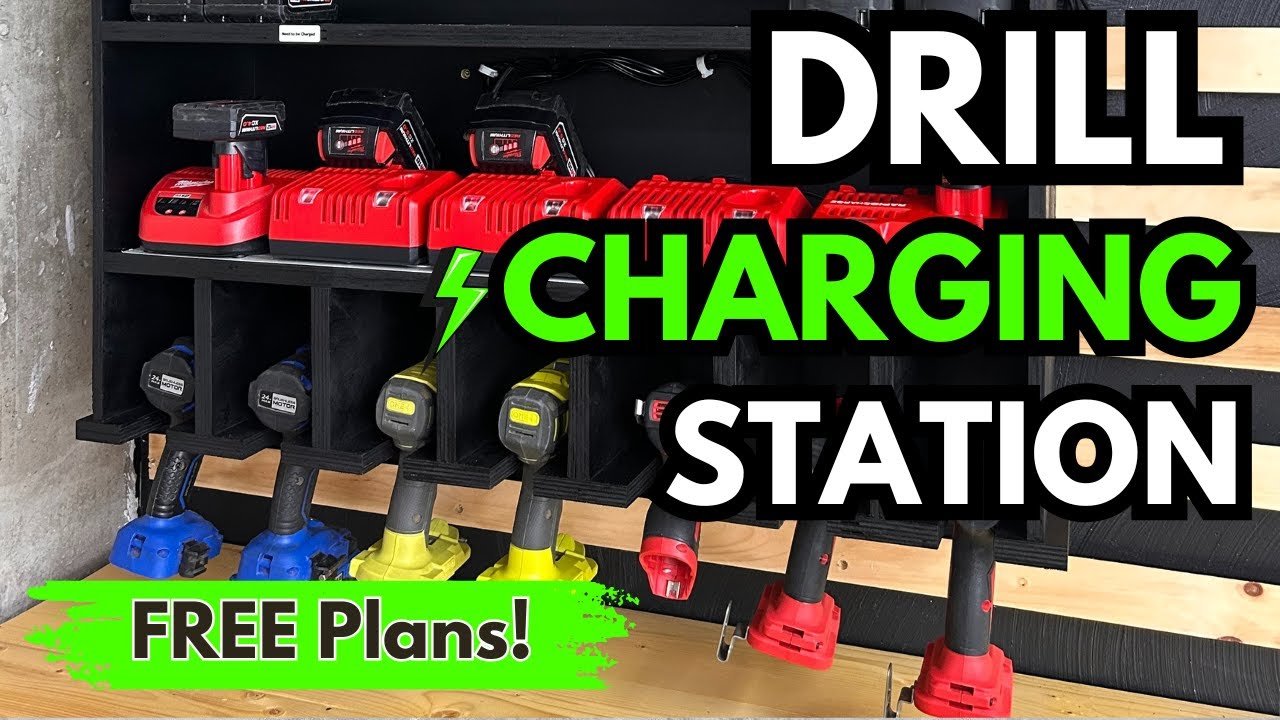
Imagine walking into your garage or workshop and finding exactly what you need, right when you need it. No more sifting through piles of tools or tangled cords.
Sounds like a dream, doesn’t it? If you’re tired of the chaos and ready to bring order to your tool collection, you’re in the right place. Organizing your cordless drills by battery can transform your workspace from a cluttered mess into a model of efficiency.
This simple strategy not only saves you precious time but also extends the life of your tools. With a few easy steps, you can ensure that every drill is charged and ready to go when inspiration strikes or a job demands it. Read on, and discover how this straightforward organization technique can make your DIY projects smoother and more enjoyable.

Credit: www.amazon.in
Benefits Of Organizing By Battery Type
Organizing cordless drills by battery type helps keep your tools neat and ready. It makes finding the right drill faster and easier.
Sorting drills by their batteries also helps protect the batteries and keep the workspace safe. This simple step saves time and prevents damage.
Improved Efficiency And Accessibility
When drills are grouped by battery type, you can quickly grab the one you need. This cuts down the time spent searching for the right tool.
It also helps teams work better together. Everyone knows where each drill is based on its battery, making the workflow smoother.
- Find drills faster
- Reduce downtime
- Keep tools ready to use
Battery Life Preservation
Storing drills by battery type helps protect battery health. Batteries stay in the right environment and avoid damage from mixing types.
Organized storage also makes it easier to charge batteries correctly. Proper charging keeps batteries lasting longer and working well.
- Prevent battery damage
- Ensure proper charging
- Extend battery lifespan
Safety Considerations
Keeping drills sorted by battery type reduces risks of accidents. Mixing battery types can cause short circuits or overheating.
Clear organization helps spot damaged batteries or tools fast. This lowers chances of injury or tool failure during work.
- Avoid battery mix-ups
- Spot damaged batteries quickly
- Reduce fire and injury risks
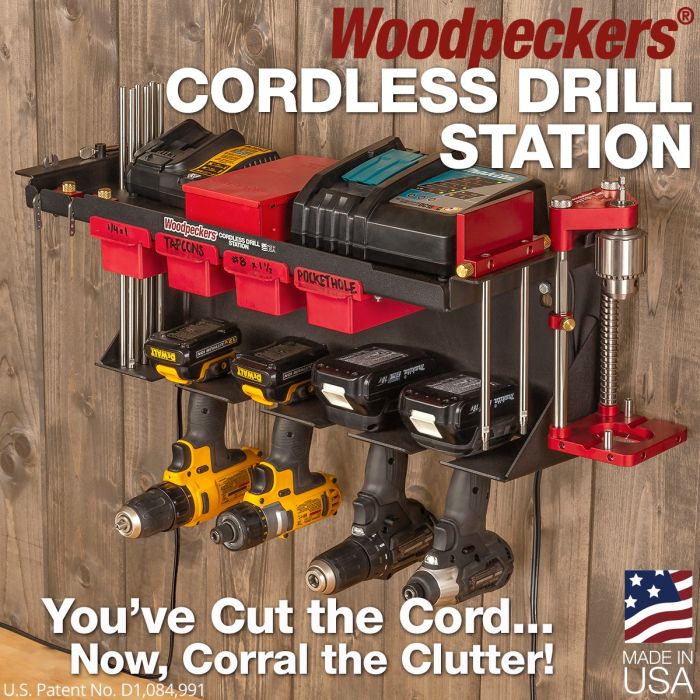
Credit: www.woodpeck.com
Sorting Your Cordless Drills
Keeping cordless drills organized saves time and space in your workshop. Sorting them by battery helps you find the right tool fast.
This guide covers simple ways to sort cordless drills by their battery features. It focuses on identifying batteries, grouping drills, and labeling.
Identifying Battery Types
Different cordless drills use different battery types. Common types are lithium-ion, nickel-cadmium, and nickel-metal hydride. Knowing the type helps match chargers and batteries.
- Lithium-ion: Lightweight, long-lasting, no memory effect.
- Nickel-cadmium: Durable but heavier and can lose charge capacity.
- Nickel-metal hydride: Less common, better than nickel-cadmium in memory effect.
Grouping By Voltage And Brand
Sort drills by their voltage rating and brand. Voltage shows the power level, and brand ensures battery compatibility.
| Brand | Voltage | Drill Model |
| Brand A | 12V | Model X1 |
| Brand A | 18V | Model X2 |
| Brand B | 20V | Model Y1 |
| Brand C | 12V | Model Z1 |
Labeling Techniques
Clear labels help you identify drills and batteries quickly. Use labels for battery type, voltage, and brand. Color-coding works well too.
- Write battery type on each drill and battery.
- Use colored stickers for different voltages.
- Label storage bins by brand and voltage.
- Keep a chart nearby to explain labels.
Storage Solutions For Battery Organization
Organizing cordless drill batteries keeps your workspace neat. It helps you find the right battery fast. Good storage also protects batteries from damage.
There are many ways to store batteries safely and neatly. This guide covers custom shelving, storage cases, and wall-mounted options.
Custom Shelving And Racks
Custom shelves and racks fit your battery sizes perfectly. They keep batteries off the floor and easy to access. You can build shelves with different compartments for each battery type.
- Use wooden or metal shelves for strength
- Add labels to mark battery types
- Design racks with slots to hold batteries upright
- Include space for chargers and accessories
Using Battery Storage Cases
Battery storage cases protect batteries during transport and storage. They keep batteries safe from dust and moisture. Many cases have foam inserts to hold batteries snugly.
| Case Type | Capacity | Protection |
| Hard Plastic | 4-6 Batteries | High |
| Soft Pouch | 2-3 Batteries | Medium |
| Foam Insert Box | Custom Fit | High |
Magnetic And Wall-mounted Options
Magnetic strips and wall mounts save floor space. They keep batteries visible and easy to grab. Magnets hold batteries securely without damage.
- Choose magnets strong enough for battery weight
- Install mounts near your workspace for quick access
- Use wall pockets or hooks for chargers and cables
- Keep batteries dry and away from heat sources
Charging Station Setup
Organizing cordless drills by battery helps keep your workspace neat. Setting up a charging station is key to this organization.
A well-planned charging station saves time and protects your batteries and chargers. It also keeps everything in one place for easy access.
Designing A Central Charging Area
Pick a dry, cool spot to place your charging station. Make sure it has enough outlets for all your chargers.
Use shelves or wall mounts to keep chargers and batteries off the floor. Label each charger to match the battery type.
- Choose a well-ventilated area
- Place chargers on sturdy shelves or mounts
- Label chargers by battery type or drill model
- Keep cords organized to avoid tangles
Safety Tips For Charging Batteries
Always charge batteries away from flammable materials. Avoid charging batteries near water or in damp places.
Do not leave batteries charging overnight or unattended. Remove batteries from chargers once fully charged.
- Charge in a dry, cool place
- Keep batteries away from fire or heat sources
- Never leave charging batteries unattended
- Unplug chargers when not in use
Maintaining Chargers And Batteries
Clean chargers and battery contacts regularly to ensure good connection. Use a dry cloth to wipe dust and dirt.
Store batteries at room temperature when not in use. Check for damage or swelling and replace damaged batteries immediately.
- Wipe chargers and batteries clean often
- Store batteries in a cool, dry place
- Inspect batteries for damage before use
- Replace any damaged or swollen batteries
Maintaining Battery Health
Organizing cordless drills by battery helps keep them in good shape. Proper care extends battery life and performance.
Knowing how to charge, store, and clean batteries prevents damage. This guide shows key ways to maintain battery health.
Proper Charging Cycles
Charge batteries fully before the first use. Avoid letting them drain completely before charging again.
Use the charger made for your battery type. Overcharging or quick charging can shorten battery life.
- Charge batteries at room temperature
- Unplug charger after full charge
- Do not use damaged chargers
- Store batteries partially charged if unused
Temperature And Humidity Control
Keep batteries away from extreme heat or cold. Temperatures affect how batteries hold their charge.
Store batteries in dry places to avoid moisture damage. Humidity can cause corrosion and reduce battery life.
- Store batteries between 50°F and 77°F (10°C to 25°C)
- Avoid direct sunlight or freezing conditions
- Use sealed containers to reduce humidity exposure
Regular Inspection And Cleaning
Check batteries often for cracks, leaks, or dirt. Damaged batteries can be unsafe and should be replaced.
Clean battery contacts with a dry cloth to keep good connections. Avoid water or cleaning liquids on batteries.
- Look for swelling or corrosion signs
- Remove dust and debris regularly
- Store batteries separately to prevent damage
Organizing Accessories Alongside Drills
Keeping cordless drills organized by battery type helps you find the right tool fast. Storing accessories with drills saves time and space.
Good organization keeps your workspace neat and tools easy to access. You can arrange drill bits, chargers, and other tools near the drills.
Storing Drill Bits
Drill bits come in many sizes and shapes. Store them in a case or a bit holder to keep them safe and sorted.
Label the storage by bit size or type. This helps you pick the right bit quickly for each drill.
- Use small containers or trays with compartments
- Keep frequently used bits within easy reach
- Group bits by material, like wood or metal
- Store bits close to the drill with matching batteries
Keeping Chargers Organized
Chargers can get tangled or lost if not stored well. Use hooks or shelves to keep chargers off the floor.
Keep chargers near their matching batteries to avoid confusion. Label cords if you have many types of batteries.
- Wrap cords neatly with ties or Velcro straps
- Use wall-mounted holders to save desk space
- Place chargers in a separate bin with clear labels
- Store chargers where they can be plugged in easily
Managing Additional Tools
Other tools like screwdrivers or wrenches often go with drills. Keep them in the same area for fast access.
Use drawer dividers or toolboxes to separate different tools. This keeps your workspace tidy and tools easy to find.
- Sort tools by type and size
- Use pegboards to hang frequently used tools
- Label tool storage areas clearly
- Keep specialty tools with related drills and bits
Space Optimization Tips
Organizing cordless drills by battery helps keep your workspace tidy. It saves time and space.
Good storage ideas improve access and protect your tools. Use smart ways to arrange drills.
Maximizing Small Work Areas
Use small containers or bins to group drills by battery size. This keeps drills close together.
Label each container clearly. It helps find the right drill fast without making a mess.
- Stack containers to save floor space
- Use clear bins to see contents easily
- Place frequently used drills on top
Portable Storage Options
Choose portable cases with compartments for different battery types. This keeps drills safe and organized.
Carry only the drills you need for the job. Portable storage helps keep your tools ready to go.
- Use cases with foam inserts to protect drills
- Include charging stations inside cases
- Pick lightweight boxes for easy transport
Using Vertical And Hidden Spaces
Hang drills on pegboards sorted by battery type. This clears bench space and shows all drills at once.
Use shelves or cabinets with dividers to store drills vertically. Hidden spaces keep tools out of sight.
- Install hooks or clips for hanging drills
- Label shelves for each battery size
- Store chargers and batteries nearby

Credit: www.amazon.com
Frequently Asked Questions
How Can I Organize Cordless Drills By Battery Type?
Organize cordless drills by grouping those with similar battery types together. Label each group clearly to avoid confusion. Use storage bins or shelves to separate batteries and drills. This method ensures easy access and prevents mixing incompatible batteries.
Why Should I Separate Drills By Battery Voltage?
Separating drills by battery voltage helps maintain battery performance and safety. It prevents using the wrong charger or battery, which can damage tools. Organizing this way also speeds up finding the right drill for specific tasks, improving efficiency.
What Storage Solutions Work Best For Battery Organization?
Clear plastic bins with labels are ideal for organizing batteries. Wall-mounted racks or pegboards keep drills accessible and visible. Use insulated containers for lithium-ion batteries to ensure safety. Proper storage extends battery life and keeps your workspace tidy.
How Often Should I Check Cordless Drill Batteries?
Check cordless drill batteries every 3 to 6 months. Inspect for signs of damage, swelling, or leakage. Regular checks ensure batteries remain safe and functional. Replace any batteries showing signs of wear to maintain tool performance.
Conclusion
Organizing cordless drills by battery keeps your workspace neat and safe. It helps you find the right drill fast. You save time and avoid mixing batteries that do not fit. Store batteries in a dry, cool place to keep them working longer.
Label each drill and battery for easy matching. This simple system makes your work smoother and less stressful. Try it and see the difference it brings to your projects. Small steps lead to big improvements in tool management.