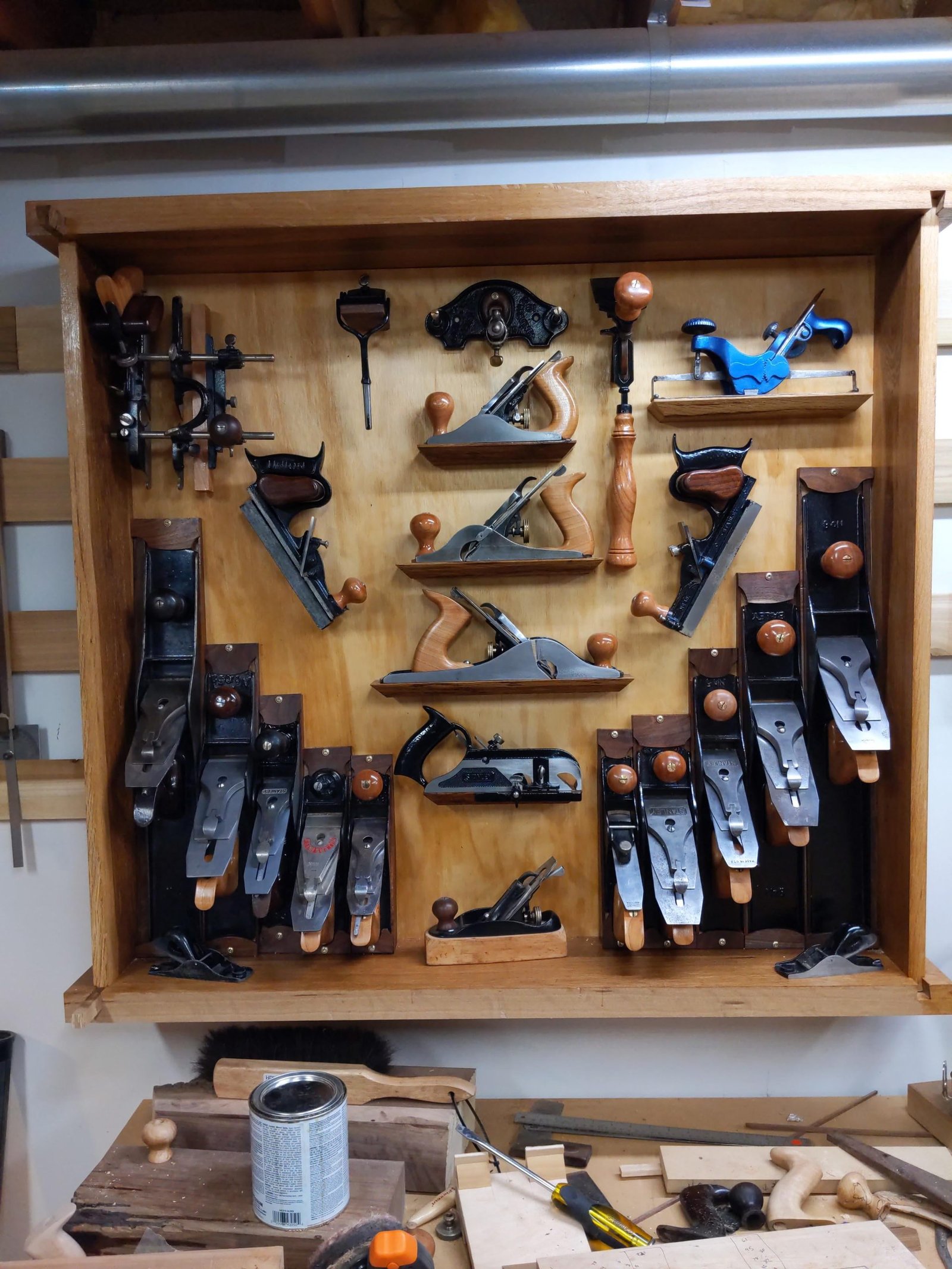
Are your hand planes gathering dust and cluttering your workshop? You’re not alone.
Many woodworking enthusiasts face the same challenge: how to organize hand planes on shelves in a way that’s both efficient and aesthetically pleasing. Imagine walking into your workshop and feeling a sense of calm, knowing that every hand plane has its designated spot.
This isn’t just about tidiness; it’s about creating a workspace where creativity can thrive. You’ll discover practical tips and clever strategies to transform your shelves from chaotic to orderly. By the end, you’ll not only have a streamlined setup but also a newfound motivation to tackle your next woodworking project. Ready to turn your workspace into a haven of productivity? Let’s dive in!
Choosing The Right Shelves
Organizing hand planes on shelves keeps them safe and easy to find. Choosing proper shelves matters a lot for their care and use.
This guide explains key points about shelf materials, size, and weight capacity. It helps you pick shelves that fit your hand planes well.
Material Options
Materials affect shelf strength and appearance. Common choices include wood, metal, and plastic. Wood looks classic and holds weight well.
- Wood shelves offer durability and a warm look.
- Metal shelves are strong and resist damage.
- Plastic shelves are light but less sturdy.
Size And Depth Considerations
Shelf size must fit your hand planes. Depth is important to avoid planes hanging off the edge. Wider shelves store more planes safely.
| Plane Type | Recommended Shelf Depth | Recommended Shelf Width |
| Block Plane | 6 inches | 12 inches |
| Smoothing Plane | 8 inches | 16 inches |
| Jack Plane | 10 inches | 18 inches |
Weight Capacity
Hand planes can be heavy. Shelves need enough strength to hold them without sagging or breaking. Check the weight limits before buying or building shelves.
- Estimate total weight of all your hand planes.
- Choose shelves rated for at least 20% more weight.
- Use sturdy brackets or supports for extra safety.
Sorting Hand Planes By Type
Organizing your hand planes by type makes your workspace neat. It helps you find the right tool fast.
Different planes serve different jobs. Sorting them by type keeps your tools ready to use.
Bench Planes
Bench planes are the most common hand planes. They smooth and shape wood surfaces.
Sort bench planes by size. Place larger ones on the bottom shelves. Smaller ones go higher.
- Jack planes – medium size for general use
- Jointer planes – long for straight edges
- Smoothing planes – small for fine finish
Block Planes
Block planes are small and easy to use with one hand. They trim end grain and small parts.
Keep block planes in a separate spot. Use small bins or shallow shelves to avoid clutter.
- Standard block planes for general trimming
- Low-angle block planes for tricky grain
Specialty Planes
Specialty planes do unique jobs like molding or rabbeting. They come in many shapes.
Group specialty planes by function or shape. Label shelves to find them quickly.
- Molding planes for decorative edges
- Rabbet planes for cutting grooves
- Router planes for cleaning recesses
Creating Accessible Storage
Organizing hand planes on shelves helps keep your workspace neat. It also makes the tools easy to find and use.
Good storage saves time and protects your tools from damage. Use simple methods to keep planes within reach.
Using Adjustable Dividers
Adjustable dividers let you customize shelf space for each hand plane. They keep planes separated and prevent scratches.
- Measure each plane’s width before setting dividers
- Use wood or metal dividers that fit your shelf depth
- Make dividers removable for easy cleaning and rearranging
- Place dividers tightly to avoid planes tipping over
Labeling Techniques
Labels help you find the right hand plane quickly. Clear labels reduce mistakes and speed up work.
| Label Type | Material | Placement | Benefit |
| Sticky Labels | Paper or plastic | Front edge of shelf | Easy to read and change |
| Tag Labels | Cardboard or plastic | Handle or body of plane | Portable and visible |
| Engraved Plates | Metal or wood | Fixed on shelf divider | Durable and professional |
Positioning For Easy Reach
Place your most used hand planes at eye level or below. This keeps them close and easy to grab during work.
- Keep heavy planes on lower shelves to avoid accidents
- Group planes by size or function for faster selection
- Leave some empty space for new or temporary tools
- Use shelf edge guards to prevent tools from falling

Credit: www.reddit.com
Protecting Your Planes
Hand planes are valuable tools for woodworking. Proper storage keeps them safe and ready to use. Protecting your planes prevents rust and damage over time.
This guide covers simple ways to organize hand planes on shelves while keeping them in good condition. Follow these tips to extend their life.
Preventing Rust And Damage
Rust can ruin the metal parts of your planes. Moisture and dust cause rust and wear. Store your planes in a dry place with good air flow. Avoid stacking planes directly on each other to stop scratches and dents.
- Keep shelves dry and clean
- Use silica gel packs to absorb moisture
- Do not store planes in damp basements
- Place planes on padded surfaces
Using Protective Liners
Protective liners add a soft layer between your planes and the shelves. They prevent scratches and reduce rust risk by keeping metal off hard wood or metal shelves.
| Type of Liner | Benefits |
| Felt | Soft surface, absorbs light moisture |
| Cork | Durable, prevents slipping |
| Rubber mats | Non-slip, easy to clean |
| Foam padding | Cushions against impact |
Regular Maintenance Tips
Keep your hand planes working well by cleaning and oiling them regularly. Check for rust spots and remove them quickly. Sharpen blades to keep cuts smooth.
- Wipe down planes after each use
- Apply light oil to metal parts monthly
- Sharpen blades as needed
- Inspect for damage or wear regularly
- Store planes in a dry, ventilated area
Maximizing Space Efficiency
Organizing hand planes on shelves saves space and keeps your tools ready. Efficient storage helps protect your planes and makes your workspace tidy.
Choosing the right method to store hand planes can improve your shelf space and tool access. Think about how you use your shelves before arranging.
Vertical Vs Horizontal Storage
Vertical storage means placing hand planes standing up on their ends. This method uses less shelf depth and keeps the soles clear of dust.
Horizontal storage means laying hand planes flat. This approach is stable and prevents planes from tipping but needs more shelf space.
- Vertical storage saves shelf depth.
- Horizontal storage offers stability.
- Vertical keeps soles cleaner.
- Horizontal avoids risk of tipping.
Stacking Strategies
Stacking hand planes can save space but requires care to avoid damage. Use padding between planes to protect surfaces.
| Stacking Method | Advantages | Disadvantages |
| Flat stacking with padding | Maximizes shelf use | Needs careful padding |
| Nested stacking | Fits irregular shapes | May be unstable |
| Using separators | Keeps planes secure | Requires extra materials |
Utilizing Wall Space
Wall space can hold hand planes and free shelf room. Use hooks, racks, or magnetic strips to keep planes visible and handy.
Wall Storage Tips
- Install sturdy hooks for each plane.
- Use magnetic strips for metal parts.
- Place planes at eye level for easy reach.
- Keep wall storage away from damp areas.

Credit: www.reddit.com
Incorporating Custom Storage Solutions
Hand planes are essential tools for woodworking. Keeping them organized helps you work faster and protects your tools.
Custom storage solutions fit your space and tool collection. They keep your hand planes safe and easy to find.
Building Custom Racks
Custom racks hold hand planes securely on shelves. You can build racks to match the size of your planes.
Use wood strips or plywood to create slots or rests. Each slot should fit a plane so it does not tip over.
- Measure each plane to know the slot size
- Cut wood strips to create dividers
- Attach the strips to a base board
- Sand edges to protect your tools
- Finish with paint or sealant to prevent damage
Using Magnetic Strips
Magnetic strips are a simple way to store metal hand planes. They hold tools firmly and save shelf space.
Mount magnetic strips on the wall or shelf edges. Make sure the magnets are strong enough to hold your planes.
- Choose magnets that support the weight of each plane
- Place strips at a comfortable height for easy access
- Space strips so planes do not touch each other
- Test the grip before hanging your planes
Diy Organizers
DIY organizers let you customize storage for your hand planes and other tools. Use simple materials like wood or plastic.
Create trays, boxes, or compartments to keep your planes neat. Label each space to find tools quickly.
- Use shallow trays for small planes
- Build boxes with dividers for different sizes
- Add handles to move organizers easily
- Label sections with paint or stickers
- Stack organizers to save space

Credit: www.reddit.com
Frequently Asked Questions
How Do I Arrange Hand Planes On Shelves Efficiently?
Arrange hand planes by size and type for easy access. Use vertical or horizontal racks to save space. Label shelves to quickly identify each plane. This method keeps tools organized and protects their blades from damage.
What Materials Work Best For Hand Plane Shelves?
Wood and metal are ideal materials for hand plane shelves. Wood is gentle on tools and easy to customize. Metal offers durability and strong support. Choose sturdy, moisture-resistant materials to protect your planes from rust and wear.
How Can I Prevent Hand Planes From Rust On Shelves?
Keep shelves dry and well-ventilated to prevent rust. Use silica gel packs or moisture absorbers nearby. Apply a light coat of oil on blades before storage. Regularly clean planes to remove dust and debris.
Should Hand Planes Be Stored Horizontally Or Vertically?
Storing hand planes horizontally protects the blade and sole. Vertical storage saves space but needs secure holders to prevent falling. Use padded racks in either position to avoid damage and maintain tool sharpness.
Conclusion
Organizing hand planes on shelves keeps your workspace neat and safe. It saves time when you need a specific tool. Proper arrangement prevents damage and extends tool life. Simple methods like using dividers or labels help a lot. Keep the planes easy to reach and visible.
A tidy shelf makes woodworking more enjoyable and efficient. Start organizing today and see the difference it makes. Small changes create big improvements in your workshop.