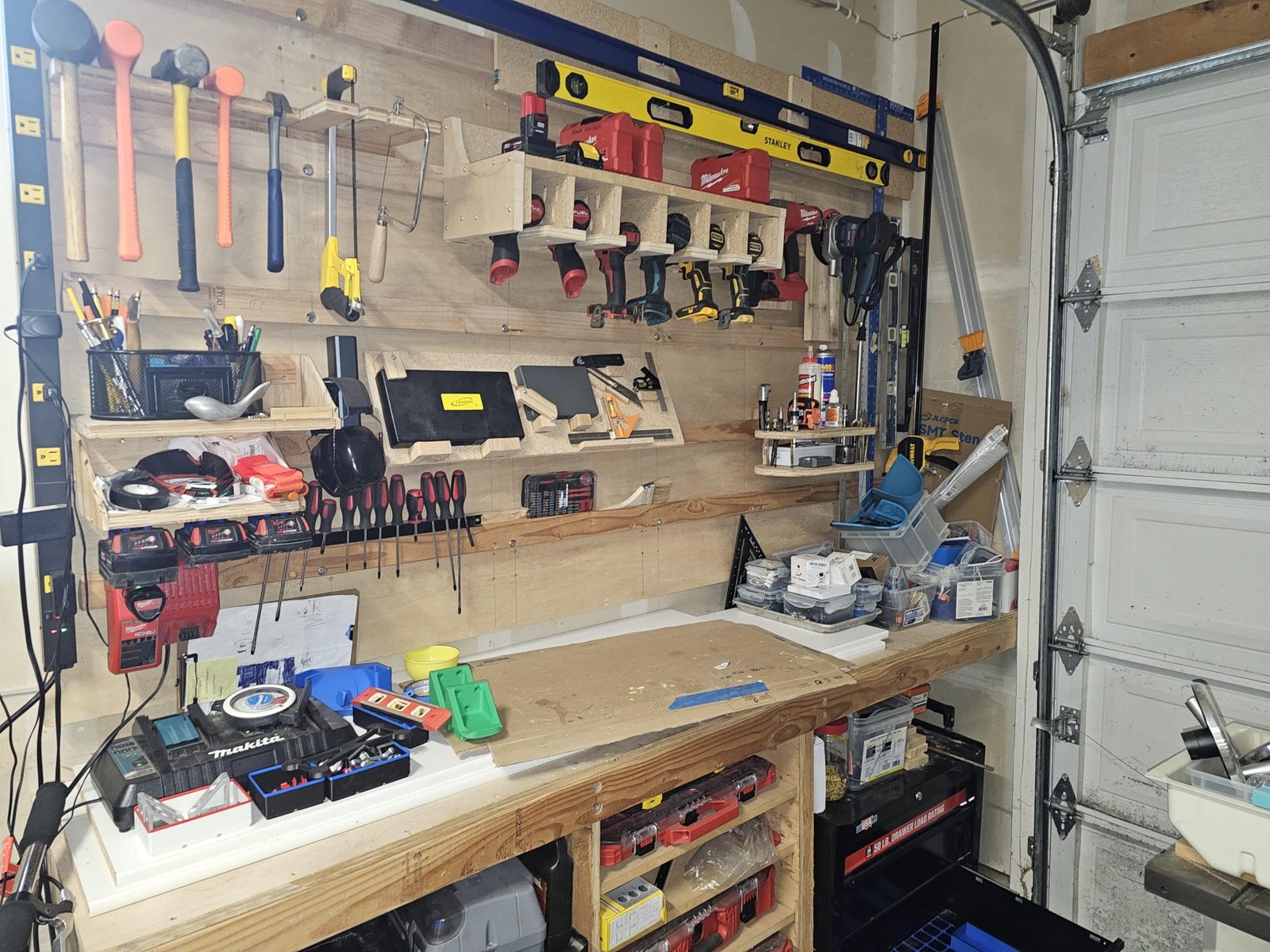
Are you tired of digging through piles of tools every time you start a project? Imagine how much faster and easier your work would be if every hand tool had its perfect spot.
Organizing your workshop isn’t just about tidiness—it’s about saving time, reducing frustration, and boosting your productivity. You’ll discover simple, effective ways to arrange your hand tools so you can find exactly what you need, right when you need it. Ready to transform your workspace and make every project smoother?
Let’s dive in.

Credit: www.reddit.com
Choosing The Right Storage
Keeping hand tools organized helps you work faster and safer. The right storage makes tools easy to find and protects them.
Pick storage that fits your space and tool types. Good storage saves time and keeps your workshop tidy.
Wall-mounted Solutions
Wall-mounted storage uses vertical space in your workshop. It keeps tools visible and off the workbench.
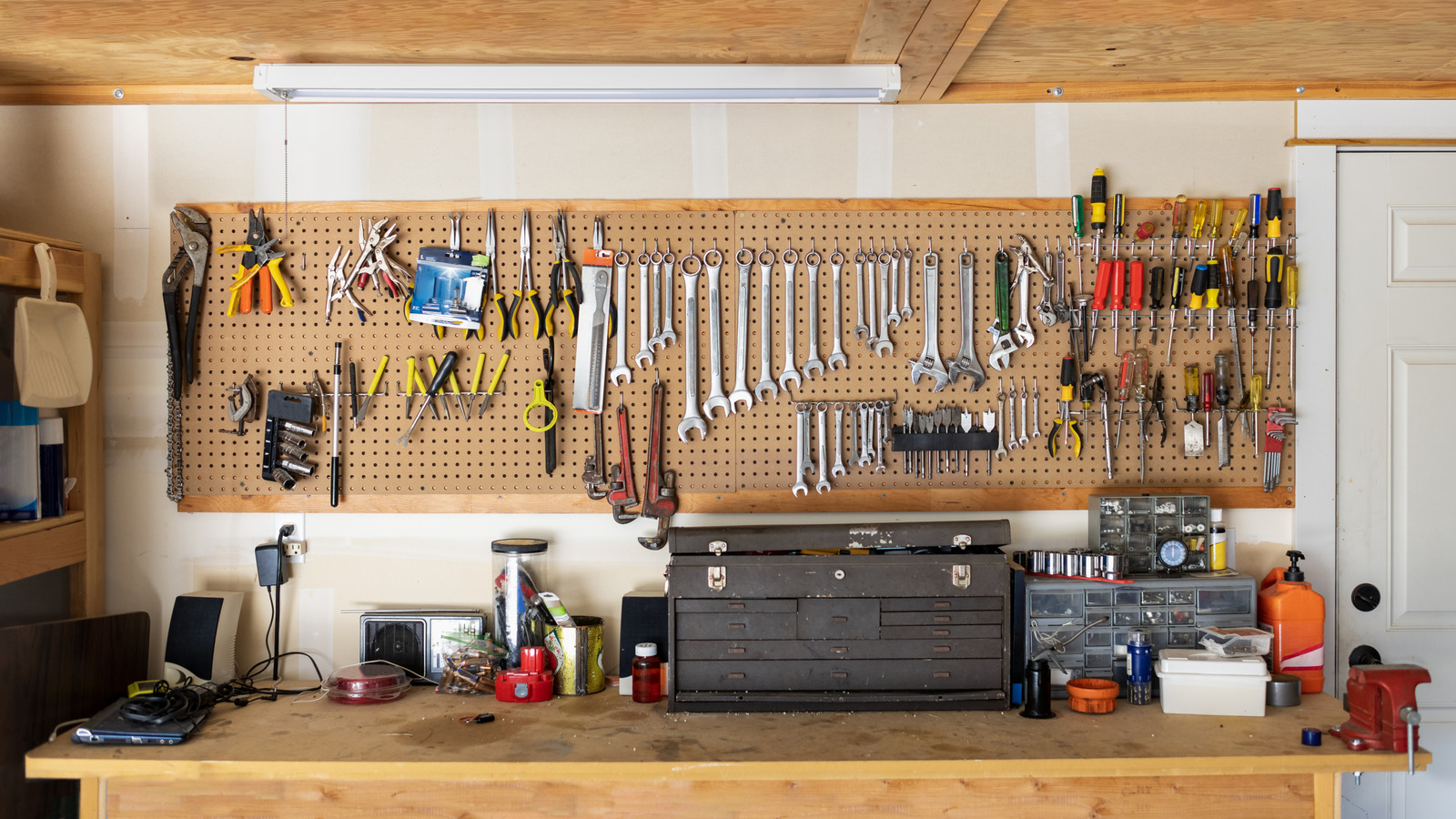
Use pegboards, hooks, and racks for different hand tools. This setup helps you sort and reach tools quickly.
- Pegboards hold hammers, screwdrivers, and pliers
- Hooks store wrenches and saws safely
- Magnetic strips keep metal tools within reach
- Wall racks can hold larger tools like levels
Portable Toolboxes
Portable toolboxes let you carry tools to different work areas. They keep tools organized and protected on the move.
Look for toolboxes with compartments and trays. This helps separate small parts from larger tools.
- Choose lightweight models for easy transport
- Lockable boxes protect tools from damage
- Stackable designs save space when not in use
- Compartments help organize screws and nails
Drawer Organizers
Drawer organizers keep hand tools neat inside cabinets or benches. They prevent clutter and damage from shifting tools.
Use adjustable dividers or trays to fit different tools. This system works well for small hand tools and accessories.
- Divide drawers into sections for each tool type
- Use foam inserts to protect delicate tools
- Label drawers to find tools faster
- Keep heavy tools in lower drawers for safety
Maximizing Vertical Space
Using vertical space in a workshop helps keep hand tools organized and easy to find. It saves floor and bench space for other tasks.
There are several ways to store tools vertically. This guide covers pegboards and hooks, magnetic strips, and shelving units.
Pegboards And Hooks
Pegboards are boards with holes to hold hooks and holders. They let you hang tools on the wall for quick access.
- Mount the pegboard at eye level for easy reach.
- Use hooks of different sizes for various tools.
- Group similar tools together for faster work.
- Label areas to keep tools in order.
- Leave some empty space to add new tools later.
Magnetic Strips
Magnetic strips hold metal tools securely on the wall. They keep tools visible and reduce clutter on benches.
| Tool Type | Magnet Strength Needed |
| Screwdrivers | Light |
| Wrenches | Medium |
| Hammers | Strong |
| Chisels | Medium |
Place the strip near your workbench to grab tools quickly. Clean metal surfaces before placing on magnets.
Shelving Units
Shelves use vertical height to store boxes and tool cases. They keep larger items off the floor and organized.
- Use adjustable shelves for different box sizes.
- Place heavy items on lower shelves for safety.
- Label shelves to find tools faster.
- Keep frequently used items at eye level.
Grouping Tools By Function
Organizing hand tools in a workshop helps you find them quickly. Grouping tools by their function keeps your space neat and efficient.
Sorting tools this way reduces clutter and saves time during projects. Each type of tool has a specific use, so keep similar tools together.
Hand Tools
Hand tools include items you use by hand without power. Group these tools by what they do, like cutting, gripping, or hammering.
Keep similar hand tools together on pegboards or in drawers. This makes it easy to grab the right tool fast.
- Cutting tools: saws, knives, scissors
- Gripping tools: pliers, clamps, wrenches
- Hammering tools: hammers, mallets
- Measuring tools: rulers, squares (if not stored separately)
Power Tools
Power tools use electricity or batteries to work. Group them by their main purpose, such as drilling, cutting, or sanding.
Store power tools on shelves or in cases. Keep their cords and batteries organized nearby to avoid damage.
- Drilling tools: drills, impact drivers
- Cutting tools: circular saws, jigsaws
- Sanding tools: orbital sanders, belt sanders
- Other power tools: rotary tools, nail guns
Measuring Instruments
Measuring instruments help you check sizes and angles. Keep these tools in one place for quick access.
Use small containers or drawers to prevent damage. Group similar measuring tools together for easy comparison.
- Tape measures
- Levels
- Squares and protractors
- Calipers and micrometers

Credit: www.reddit.com
Labeling And Accessibility
Organizing hand tools well helps you find them fast. Labeling and accessibility are key parts of this.
Clear labels and easy reach keep your workshop tidy. They save time and reduce frustration.
Clear Labels
Use clear labels on tool holders and drawers. This shows where each tool belongs.
Labels should be easy to read and simple. Use large fonts and bold letters.
- Label by tool type or size
- Use waterproof labels for durability
- Place labels at eye level
Easy Reach Zones
Put often-used tools in easy reach zones. These are areas you can reach without stretching.
Keep less used tools in higher or lower spots. This keeps your main area clutter-free.
- Place frequent tools at waist or chest height
- Store heavy tools low for safety
- Use pegboards or wall racks near workbench
Tool Shadowing
Tool shadowing means marking the tool’s shape on its spot. It shows where each tool fits.
This method helps you spot missing tools quickly. It also keeps tools in their place.
- Draw outlines on pegboards or foam inserts
- Use color codes to group similar tools
- Update shadows if tool sets change
Maintenance And Upkeep
Keeping your hand tools clean and well-maintained helps them last longer. Regular care also ensures your tools work safely and efficiently.
Organizing your workshop is not just about storage. It includes ongoing tasks to keep tools in good shape and ready to use.
Regular Cleaning
Cleaning tools after each use prevents rust and dirt build-up. Use a dry cloth to wipe off dust and grime. For tougher dirt, use a mild soap and water, then dry completely.
- Wipe tools with a clean cloth
- Remove grease or sticky residue
- Dry tools thoroughly to avoid rust
- Use oil for metal parts to protect them
- Store tools in a dry place
Tool Inspection
Check your tools regularly for damage or wear. Look for cracks, loose handles, or dull blades. Fix small problems early to avoid accidents and costly repairs.
| Tool | Inspection Points | Action if Damaged |
|---|---|---|
| Hammer | Head tightness, handle cracks | Tighten or replace handle |
| Screwdriver | Tip shape, handle grip | Sharpen tip or replace tool |
| Wrench | Jaw alignment, rust | Clean rust, adjust or replace |
Reorganizing Schedule
Set a regular time to tidy your tool storage. This keeps tools easy to find and prevents clutter. A good schedule helps spot missing or broken tools early.
- Pick a day each month for reorganization
- Remove all tools from storage
- Clean storage areas and tools
- Sort tools by type and use
- Return tools to their proper place
- Note any tools needing repair or replacement
Credit: www.slashgear.com
Creative Space-saving Hacks
Keeping hand tools organized in a workshop can be a challenge. Using creative space-saving ideas helps keep tools tidy and easy to find.
Small workshops need smart storage solutions. These hacks use everyday items and clever designs to save space and improve workflow.
Repurposed Household Items
Many household items work well as tool storage. Using what you already have saves money and space.
- Old mason jars can hold nails, screws, and small parts.
- Magnetic strips from kitchen knife holders keep metal tools visible and accessible.
- Hanging shoe organizers store small hand tools and keep them off surfaces.
- Wooden crates can be stacked to create open shelving for larger tools.
Foldable Workstations
Foldable workstations save floor space. They let you work comfortably and store tools neatly when not in use.
| Type | Space Saved | Tool Storage |
| Wall-Mounted Fold-Down Table | Freed floor area | Hooks or shelves underneath |
| Foldable Rolling Cart | Compact when folded | Multiple drawers and trays |
| Collapsible Sawhorse Bench | Easy to store flat | Surface space for hand tools |
Multi-functional Storage
Storage that serves more than one purpose helps keep the workshop tidy. Choose options that combine tool holding and workspace.
Examples of Multi-Functional Storage:
- Workbench with built-in tool racks and drawers
- Tool cabinets with a fold-out work surface
- Storage benches that open to hold tools and provide seating
Frequently Asked Questions
What Are The Best Storage Options For Hand Tools?
Use pegboards, tool chests, and wall-mounted racks. These keep tools visible and accessible. Drawer organizers help separate small items. Clear labeling improves efficiency and saves time.
How Can I Prevent Hand Tools From Rusting?
Store tools in a dry place with low humidity. Use silica gel packs or rust inhibitors. Clean and oil tools regularly to maintain condition. Proper storage extends tool life significantly.
How Do I Organize Hand Tools By Type?
Group similar tools together, like screwdrivers, wrenches, and pliers. Use labeled bins or drawers for each category. This method speeds up tool retrieval and improves workflow in your workshop.
What Is The Ideal Workshop Layout For Tool Organization?
Designate zones for different tasks and tool types. Keep frequently used tools within easy reach. Use vertical storage to maximize space. A well-planned layout enhances productivity and safety.
Conclusion
Organizing hand tools boosts your workshop efficiency and safety. Simple steps make a big difference. Sort tools by type and size. Label shelves and drawers for quick access. Use pegboards and tool racks to save space. Regularly clean and maintain your tools.
Keep your workspace tidy. This saves time and energy. A well-organized workshop helps you work smarter. Enjoy a clutter-free environment. Feel more productive and stress-free. Happy organizing!