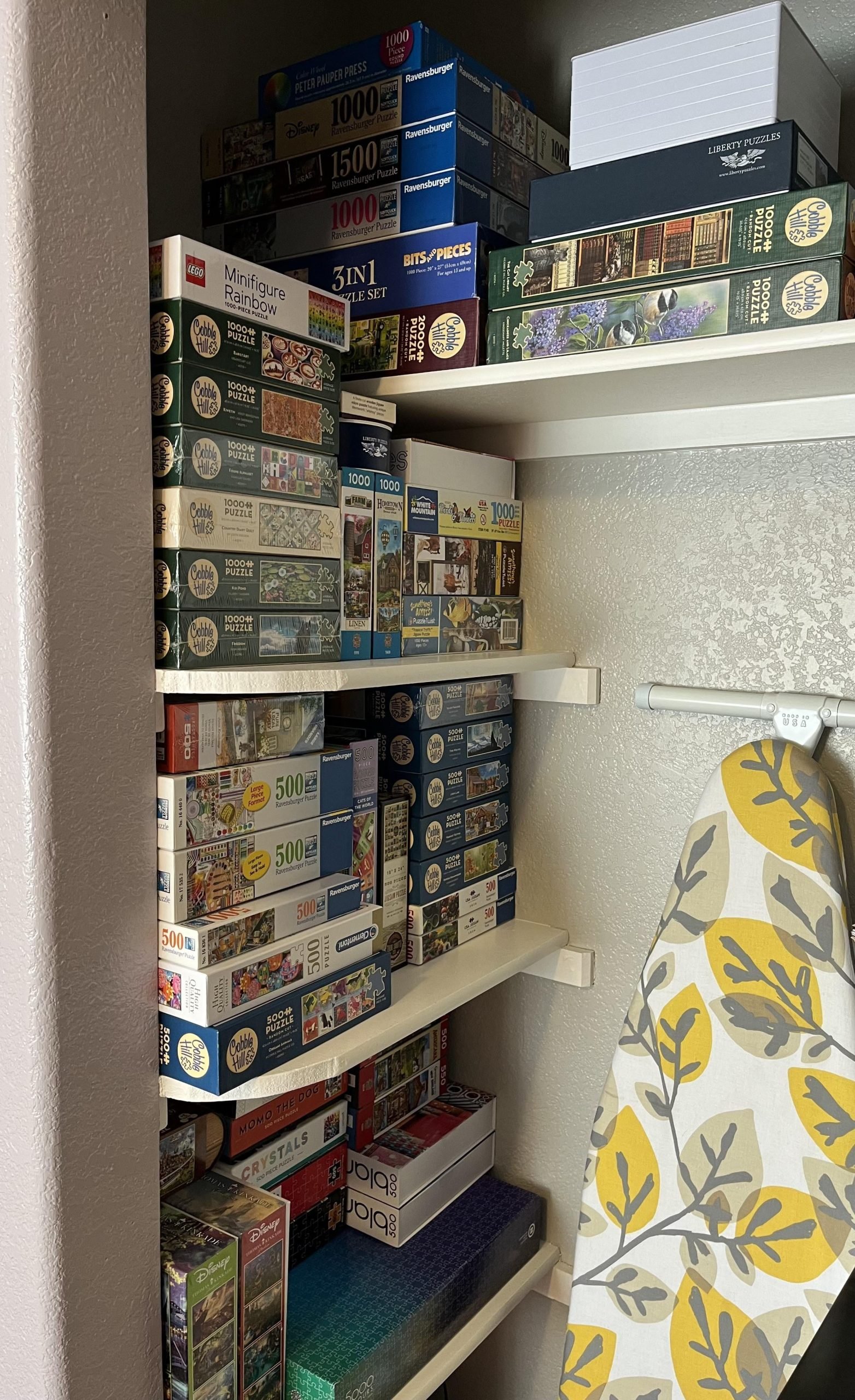
Are your jigsaw puzzles piling up and creating chaos in your space? You’re not alone.
Jigsaws are a beloved pastime for many, but organizing them can be a headache. Imagine a world where your puzzles are neatly arranged, making it easy to find and enjoy them. By learning how to organize jigsaws in racks, you can transform clutter into a beautifully ordered collection.
This not only enhances your space but also brings peace of mind. Dive into this guide and discover how simple changes can lead to a more enjoyable jigsaw experience. Ready to declutter and delight in your puzzles like never before? Let’s get started.
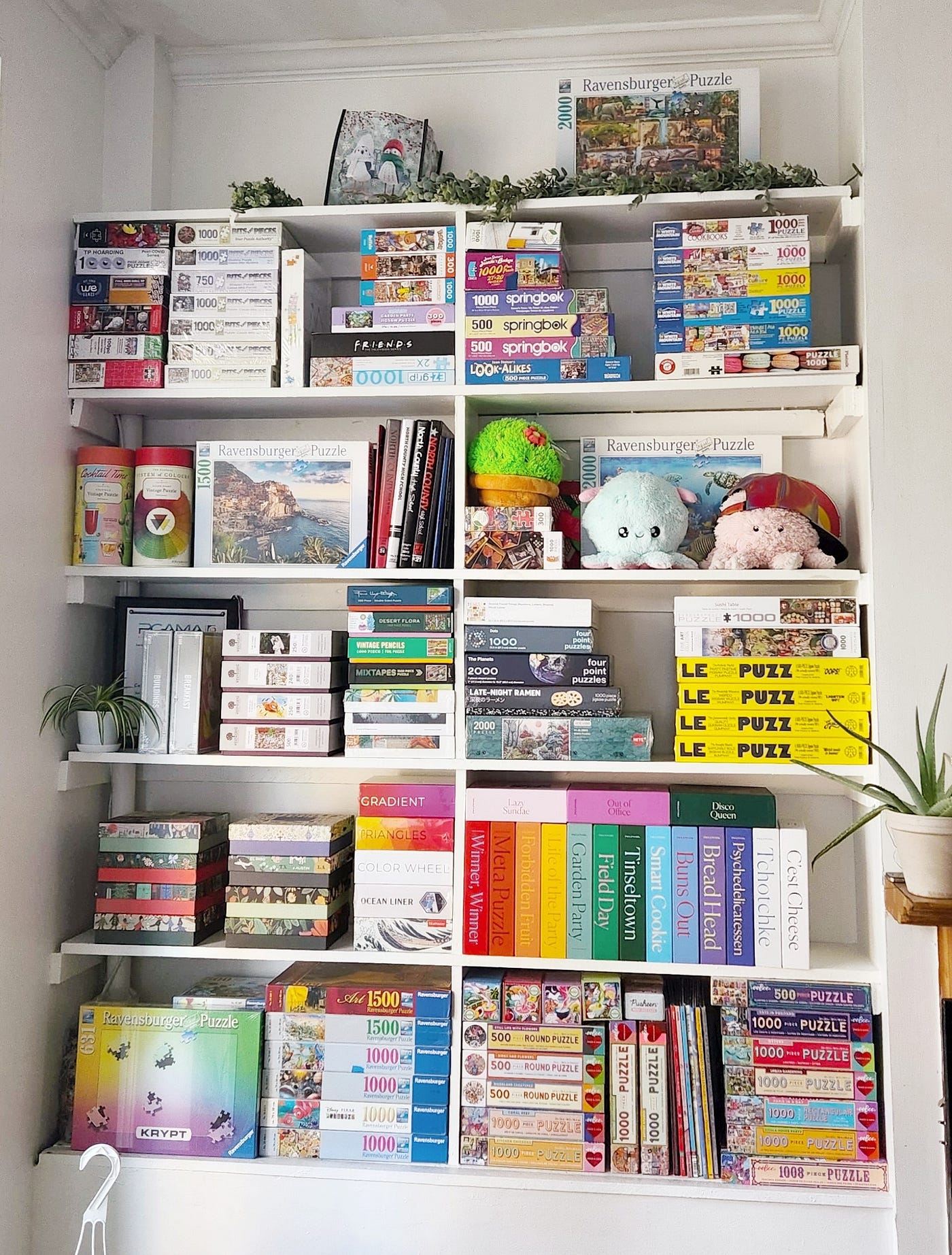
Credit: krystalcarpintieri.medium.com
Choosing The Right Rack
Organizing jigsaws properly keeps your workspace neat. Picking the right rack helps store puzzles safely.
A good rack saves space and protects your jigsaw pieces. Think about what fits your needs best.
Materials And Durability
Racks come in different materials like wood, metal, or plastic. Choose a strong material to last long.
Wood racks look nice and hold weight well. Metal racks resist damage but may be heavy. Plastic racks are light and cheap but may break easily.
- Wood: sturdy and attractive
- Metal: durable and strong
- Plastic: lightweight and affordable
Size And Capacity
Pick a rack that fits your space and puzzle collection size. Check the number of jigsaws it can hold.
Too small racks make puzzles stack up. Too big racks waste space. Measure your area before buying.
- Count your jigsaw puzzles first
- Measure your storage space
- Choose a rack with enough slots
Adjustable Features
Adjustable racks let you change slot size or shelf height. This helps fit puzzles of different sizes.
Look for racks with removable dividers or sliding shelves. These features add flexibility and save space.
- Removable dividers for different puzzle sizes
- Sliding shelves for easy access
- Foldable racks for storage when not in use

Credit: www.reddit.com
Sorting Jigsaws Efficiently
Organizing jigsaw puzzles in racks keeps your space tidy. It also helps you find puzzles quickly.
Sorting methods depend on your collection size and how you use them. Choose a system that suits your needs.
By Size And Shape
Group jigsaws by their size and shape for easy storage. This method helps fit puzzles neatly into racks.
- Place large puzzles on lower shelves for stability
- Store medium-sized puzzles in the middle for easy reach
- Keep small puzzles on top or in compartments
- Stack puzzles with similar shapes together
By Type Or Brand
Sorting by puzzle type or brand helps you find your favorites fast. It also protects delicate pieces.
| Brand | Material | Typical Puzzle Size |
| Brand A | Wooden | 500 pieces |
| Brand B | Cardboard | 1000 pieces |
| Brand C | Plastic | 300 pieces |
By Usage Frequency
Sort puzzles based on how often you use them. Keep popular puzzles easy to access.
- Place frequently used puzzles at eye level
- Store occasional puzzles on higher or lower racks
- Keep rare or seasonal puzzles in closed boxes or less visible areas
Maximizing Rack Space
Organizing jigsaws in racks helps save space and keeps puzzles easy to find. Good organization lets you store more puzzles in less room.
Using smart storage ideas keeps your area neat. This guide explains ways to arrange jigsaws efficiently.
Vertical Vs Horizontal Storage
Vertical storage means standing puzzles upright, like books on a shelf. Horizontal storage means stacking puzzles flat.
Vertical storage saves space and shows puzzle edges. Horizontal storage allows stacking but can be hard to reach puzzles at the bottom.
- Vertical saves floor and shelf space
- Horizontal can hold more puzzles in piles
- Vertical helps spot puzzles quickly
- Horizontal needs careful stacking to avoid damage
Using Dividers And Compartments
Dividers split rack space into sections. Compartments keep puzzles separate and tidy. This stops puzzles from falling or mixing up.
Using dividers lets you customize space for different puzzle sizes. Compartments make it easy to pull out one puzzle without disturbing others.
- Use wood or plastic dividers for strength
- Label compartments for quick ID
- Adjust dividers for large or small puzzles
- Keep compartments deep enough to hold puzzle boxes
Stacking Techniques
Stack puzzles carefully to avoid damage and save space. Place heavier puzzles at the bottom and lighter ones on top.
Use flat stacking for strong support. Avoid tall stacks to prevent toppling. Leave some space for easy access.
- Stack by puzzle size, largest at bottom
- Keep stacks low and stable
- Use shelf liners to stop sliding
- Group puzzles by theme or difficulty for quick finding
Labeling For Easy Access
Organizing jigsaws in racks saves time and keeps pieces safe. Clear labels make finding puzzles quick and simple.
Good labeling helps everyone know where each puzzle is stored. It reduces frustration and keeps your space neat.
Simple Labeling Systems
Use basic labels with puzzle names or themes. This helps you spot puzzles at a glance. Labels can be handwritten or printed for clarity.
- Write the puzzle name clearly on each rack slot
- Include the puzzle piece count to match the box
- Use large fonts for easy reading
- Attach labels with tape or reusable stickers
Color Coding Methods
Assign colors to puzzle categories for fast sorting. Colors catch the eye and make racks easier to scan.
| Color | Category |
| Red | Animals |
| Blue | Landscapes |
| Green | Cartoons |
| Yellow | Abstract |
Digital Inventory Tools
Keep a digital list of your puzzles for easy tracking. Use apps or spreadsheets to log puzzle details and locations.
- Record the puzzle name and piece count
- Note the rack number or shelf where it is stored
- Add photos of the puzzle box for quick ID
- Update the list when puzzles are moved or completed
Maintenance And Upkeep
Keeping your jigsaw racks clean and well-organized helps tools last longer. Regular care stops damage and keeps your workspace safe.
Simple maintenance steps make your jigsaw racks neat and ready to use anytime.
Regular Cleaning Tips
Dust and dirt can build up on jigsaw racks. Clean them often to prevent rust and wear.
Use a soft cloth and mild cleaner to wipe racks. Avoid harsh chemicals that can damage the finish.
- Remove jigsaws before cleaning
- Wipe down shelves and slots
- Clean with a damp cloth, then dry
- Check for sticky residue and remove it
Inspecting For Damage
Look at your racks regularly for cracks or loose parts. Damaged racks can cause jigsaws to fall or break.
Fix small issues quickly to avoid bigger problems later. Tighten screws and replace broken pieces as needed.
- Check joints and screws for looseness
- Look for cracks or bent sections
- Replace worn or broken parts immediately
- Ensure racks hold jigsaws securely
Updating Organization Periodically
Review your jigsaw storage every few months. Update the layout to fit new tools or changed needs.
Keep the system simple and easy to use. This helps you find and store jigsaws quickly.
- Remove unused or broken jigsaws
- Label racks if needed for easy ID
- Adjust shelves to fit different jigsaw sizes
- Keep the area tidy and clutter-free
Creative Space-saving Ideas
Organizing jigsaw puzzles can save you space and keep your area tidy. Using smart storage ideas helps protect puzzle pieces and keeps them ready to use.
This guide shows creative ways to store jigsaws using racks and furniture. Each idea fits different room styles and storage needs.
Wall-mounted Racks
Wall-mounted racks keep puzzles off the floor and tables. They use vertical space to store puzzles neatly.
- Use wooden shelves with dividers for puzzle boxes.
- Install pegboards with hooks to hang puzzle bags or small boxes.
- Add magnetic strips to hold metal puzzle tins.
- Label each section to find puzzles quickly.
Multi-purpose Furniture
Furniture with storage space offers a dual function. It can hold puzzles and serve as seating or tables.
| Furniture Type | Storage Feature | Benefits |
| Storage Ottoman | Inside compartment | Hides puzzles, doubles as a seat |
| Bookshelf with Bins | Removable bins | Keeps puzzles sorted and easy to access |
| Console Table | Drawers | Stores puzzles neatly and fits in hallways |
Portable Storage Solutions
Portable storage lets you move puzzles easily. It also keeps pieces safe during travel or between rooms.
- Use stackable plastic containers with lids.
- Choose clear bags with zipper seals for small puzzles.
- Roll up puzzles in puzzle mats and store in tubes.
- Label containers with puzzle names or themes.

Credit: www.reddit.com
Frequently Asked Questions
How Do I Choose The Right Rack For Jigsaw Storage?
Select a rack that fits your space and jigsaw sizes. Consider adjustable shelves and sturdy materials for durability and ease of access.
What Is The Best Way To Label Jigsaw Racks?
Use clear, visible labels on each rack or shelf. Label by puzzle size, theme, or difficulty to find and store puzzles quickly.
Can I Store Jigsaw Pieces In Racks Safely?
Yes, use containers or ziplock bags for pieces. Place them on the rack to keep puzzles organized and prevent loss.
How Often Should I Reorganize My Jigsaw Racks?
Reorganize every few months or after adding new puzzles. This keeps the storage tidy and makes puzzles easier to find.
Conclusion
Organizing jigsaws in racks saves space and keeps puzzles neat. It helps find pieces faster and prevents damage. Use labels or pictures to spot puzzles quickly. Choose racks that fit your room and puzzle sizes. Keep your jigsaw collection tidy and ready for fun.
Simple steps make a big difference in puzzle storage. Enjoy puzzling without the mess or lost pieces.