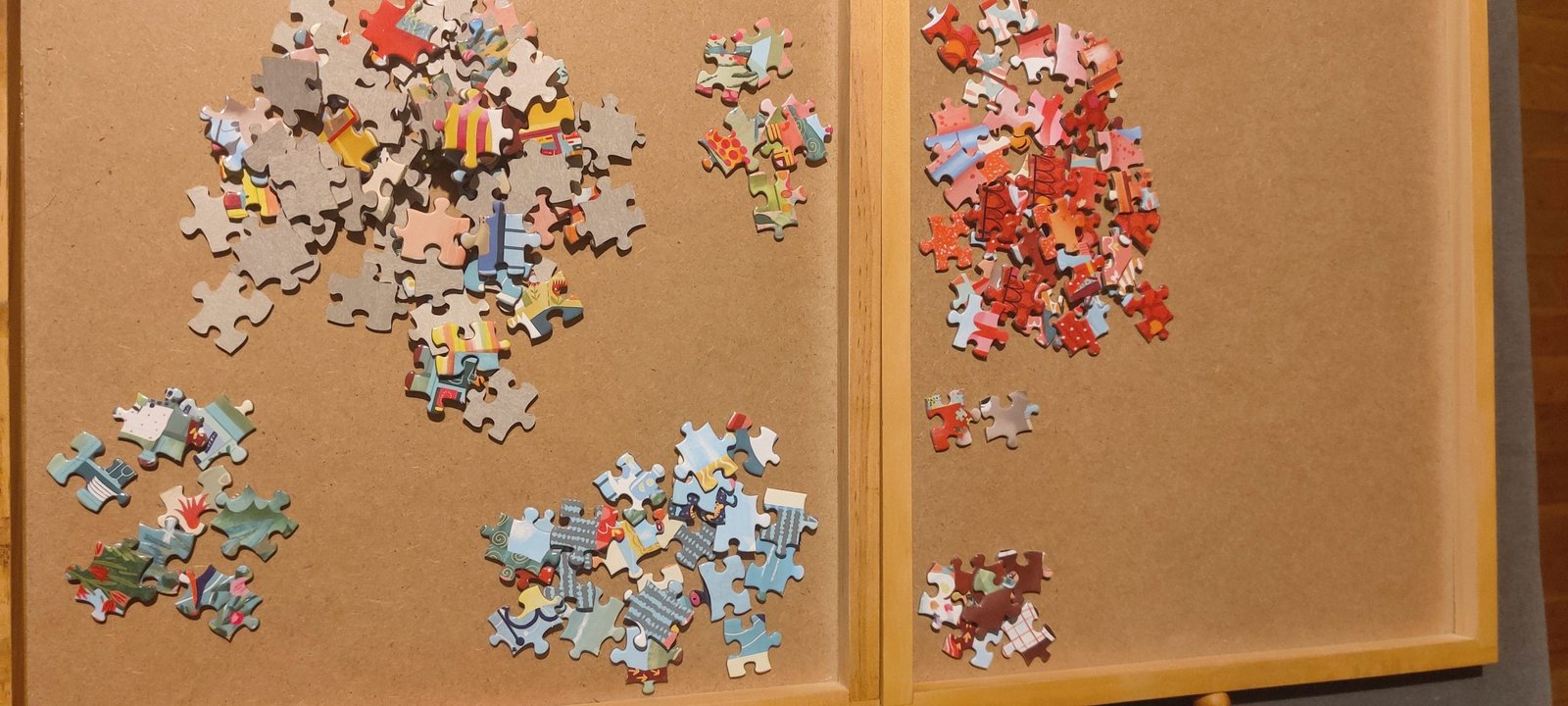
Are you a jigsaw puzzle enthusiast who finds joy in the challenge of fitting pieces together, only to end up with a cluttered mess? Organizing your jigsaw puzzles doesn’t have to be a daunting task.
In fact, with the right approach, it can be both simple and rewarding. Imagine reaching for your favorite puzzle and knowing exactly where every piece is, without the frustration of lost or damaged parts. By organizing your jigsaws safely, you not only protect your cherished puzzles but also enhance your overall puzzle-solving experience.
Dive into this guide to discover practical tips and strategies that will transform your puzzle chaos into an orderly haven. Your puzzles—and your peace of mind—will thank you!

Credit: www.puzzlewarehouse.com
Choosing The Right Storage Containers
Organizing jigsaws safely keeps pieces in good shape and saves space. Choosing the right containers is key to protect and store puzzles well.
Good storage containers make it easy to find and keep pieces together. They help avoid damage and loss of pieces over time.
Types Of Containers
There are many container types for jigsaw storage. Choosing one depends on puzzle size, piece count, and space available.
- Plastic boxes with lids for secure closure
- Cardboard boxes for lightweight storage
- Fabric pouches with zippers for portability
- Drawer organizers to separate pieces by color or shape
Benefits Of Transparent Boxes
Transparent boxes show the puzzle pieces inside without opening. This saves time and reduces the risk of spilling pieces.
| Benefit | Description |
| Easy Identification | See contents at a glance |
| Quick Access | Find puzzles fast without opening boxes |
| Stackable | Save space by stacking clear boxes |
| Durable | Protect pieces from dust and damage |
Using Ziplock Bags
Ziplock bags keep puzzle pieces together and prevent loss. They are flexible and easy to label.
- Use small bags for corner and edge pieces
- Label bags with puzzle name or number
- Store bags inside a larger container or box
- Choose thick bags to avoid tearing
Sorting Jigsaw Pieces Effectively
Organizing jigsaw puzzle pieces makes assembling easier and faster. Sorting helps you find pieces without frustration.
Use simple methods to keep pieces in order. This saves time and keeps your puzzle space neat.
Separating Edge Pieces
Find all edge pieces first. These pieces have one straight side and form the puzzle frame.
Sorting edges separately helps build the border quickly. It also reduces the number of pieces to search through later.
Grouping By Color Or Pattern
Sort pieces by similar colors or patterns. This groups parts of the image and speeds up assembly.
- Look for pieces with the same colors
- Group pieces with matching patterns or textures
- Keep similar shades together
- Use this sorting for large puzzles with many pieces
Using Small Trays Or Dividers
Use trays or dividers to keep sorted pieces separate. This prevents mixing and makes finding pieces easier.
| Type | Purpose |
| Small trays | Hold groups of pieces safely |
| Dividers | Separate colors or edge pieces |
| Sectioned boxes | Organize many small groups |
Labeling For Easy Identification
Organizing jigsaw puzzles is easier with clear labels. Proper labeling saves time and prevents mix-ups.
Use simple labeling methods to keep your puzzles safe and easy to find. This guide covers useful tips for labeling boxes and bags.
Labeling Boxes And Bags
Write the puzzle name and piece count on each box or bag. Use a permanent marker or printed label for durability.
- Include puzzle title and brand
- Note the number of pieces
- Add the puzzle dimensions if possible
- Seal the bag or box tightly to avoid spills
Including Puzzle Image Copies
Attach a printed image of the puzzle box to each container. This helps you see what the finished puzzle looks like.

Example of a puzzle image copy attached to a box
Using Color-coded Stickers
Color-coded stickers help quickly identify puzzle categories or sizes. Assign colors based on your system.
| Color | Meaning |
| Red | 1000-piece puzzles |
| Blue | 500-piece puzzles |
| Green | Children’s puzzles |
| Yellow | Seasonal puzzles |
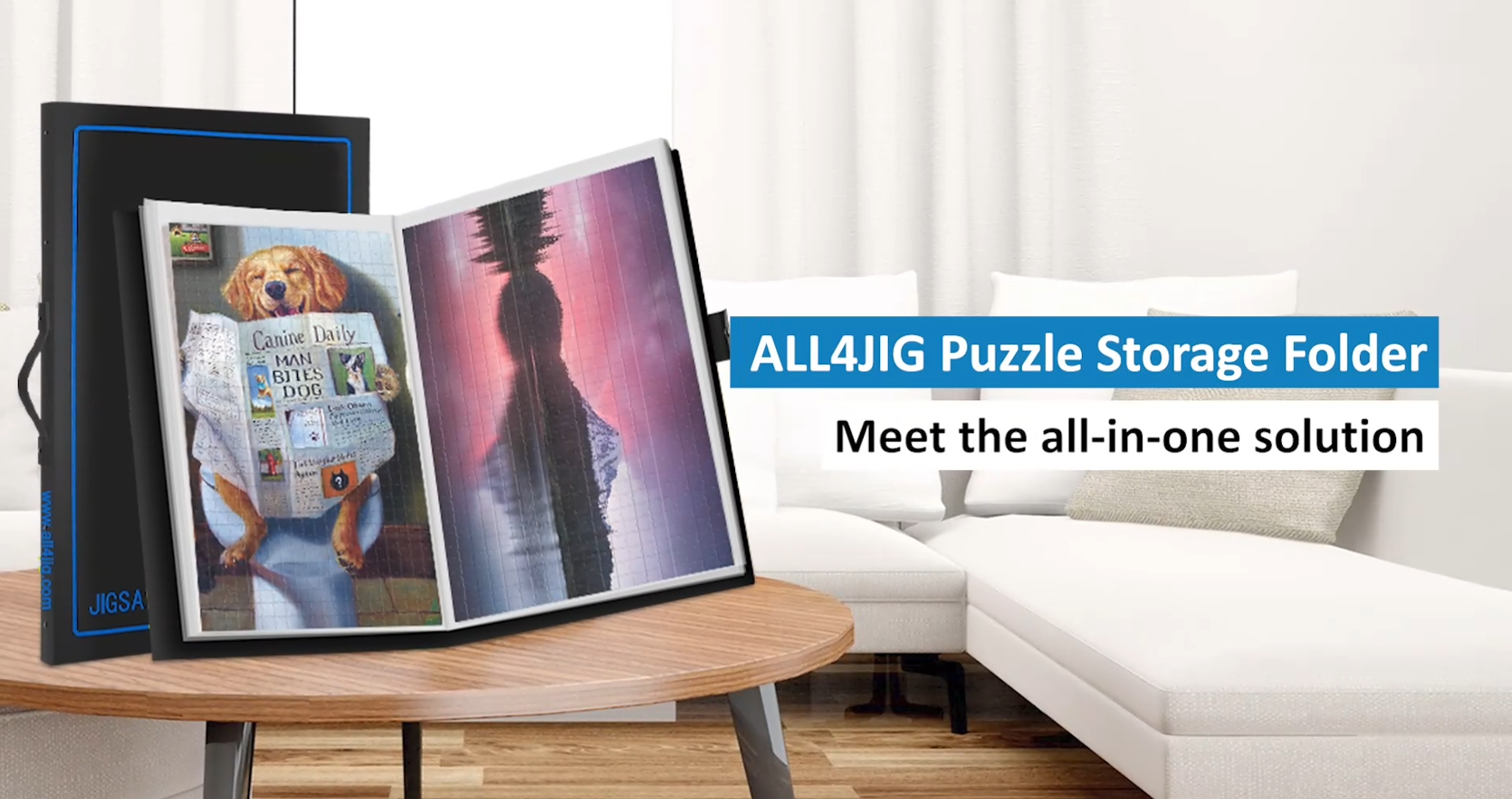
Credit: www.amazon.com
Maximizing Storage Space
Organizing jigsaw puzzles safely helps protect the pieces. Efficient storage saves room and keeps puzzles neat.
Use smart methods to stack, use vertical areas, and choose the right furniture. This guide shows ways to maximize space.
Stacking Techniques
Stack puzzles carefully to avoid damage and save space. Keep completed puzzles flat and in sturdy boxes.
- Place heavier puzzles at the bottom
- Use flat boxes or trays for stacking
- Wrap puzzles in protective covers before stacking
- Label each stack clearly for easy finding
Utilizing Vertical Space
Vertical space often goes unused. Shelves and wall racks keep puzzles off floors and tables.
| Storage Option | Benefit |
| Wall-mounted shelves | Save floor space, easy access |
| Tall bookcases | Hold many puzzles vertically |
| Hanging organizers | Use narrow spaces like doors |
Storage Furniture Ideas
Choose furniture that fits your space and puzzle collection size. Some pieces offer built-in storage options.
- Use storage ottomans with lids to hide puzzles
- Opt for coffee tables with drawers or shelves
- Consider modular cubes for flexible stacking
- Select cabinets with clear doors to see contents
Maintaining Puzzle Pieces Safety
Keeping your jigsaw puzzle pieces safe helps them last longer. Proper care stops damage and loss.
Follow simple steps to protect your puzzle pieces from common risks. This keeps your puzzles neat and ready.
Avoiding Moisture Damage
Moisture can warp and weaken puzzle pieces. Keep puzzles away from damp places like bathrooms and kitchens.
Store puzzles in dry areas with good airflow. Use airtight containers or sealed bags to block moisture.
- Do not leave puzzles near windows during rain
- Check storage spots for leaks or dampness
- Use silica gel packs to absorb moisture inside boxes
Protecting From Pets And Children
Pets and young children can damage puzzle pieces by chewing or losing them. Keep puzzles out of their reach.
Use high shelves or locked cabinets for storage. Teach kids to handle puzzles gently and with care.
- Store puzzles in closed boxes or bags
- Do not leave puzzles unattended with pets
- Supervise children during puzzle time
Regular Cleaning Tips
Cleaning puzzle pieces keeps them free of dust and dirt. Use a soft cloth or brush for gentle cleaning.
If needed, wipe pieces lightly with a damp cloth. Dry pieces completely before storing to avoid damage.
- Dust puzzles regularly with a dry brush
- Use a barely wet cloth for sticky spots
- Do not soak puzzle pieces in water
- Let pieces air dry fully before putting away
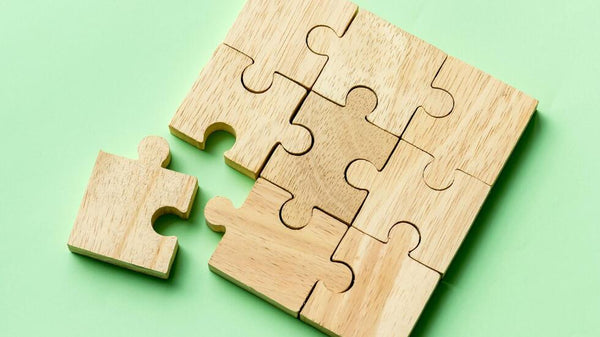
Credit: nautiluspuzzles.com
Portable Solutions For Puzzle Storage
Keeping jigsaw puzzles safe and organized can be a challenge. Portable storage options help store puzzles without losing pieces.
These solutions make it easy to move puzzles around and keep them intact. You can work on puzzles anywhere.
Using Puzzle Mats
Puzzle mats let you roll up your puzzle and keep pieces in place. They are soft and flexible, making storage easy.
These mats usually have a non-stick surface. You can store puzzles without gluing them together.
- Roll the mat carefully to avoid moving pieces
- Use elastic bands or ties to keep the mat secure
- Store in a dry, flat place to prevent damage
Portable Puzzle Cases
Portable puzzle cases are hard or soft containers made just for puzzles. They protect puzzles from dust and loss.
Many cases have compartments to hold extra pieces or tools. They make it easy to carry puzzles anywhere.
- Choose a case size that fits your puzzle
- Look for padded interiors to protect pieces
- Use cases with secure closures to prevent spills
Travel-friendly Storage Ideas
For travel, use small boxes or zip bags to keep puzzle pieces safe. Label each container to avoid confusion.
Use stackable containers or lightweight bags for easy packing. Keep puzzles in a sturdy bag to prevent damage.
- Seal bags tightly to avoid losing pieces
- Pack puzzles flat to prevent bending
- Use foam or cloth padding inside bags for extra protection
Frequently Asked Questions
How To Store Jigsaw Blades Safely?
Store jigsaw blades in a dedicated case or magnetic strip. This prevents damage and keeps them organized. Always label blade types for easy access. Avoid loose storage to reduce injury risks and prolong blade life.
What Safety Measures To Follow When Organizing Jigsaws?
Wear gloves and eye protection when handling jigsaws. Unplug the tool before organizing or cleaning. Store jigsaws in a secure, dry place away from children. Keep blades detached for added safety during storage.
How To Prevent Jigsaw Damage During Storage?
Use padded cases or foam inserts to protect jigsaws. Keep the tool clean and dry before storing. Store jigsaws upright or in a stable position to avoid falls. Avoid stacking heavy items on top of stored jigsaws.
Can I Organize Jigsaw Accessories In One Container?
Yes, use a compartmentalized organizer for blades and attachments. Label each section for quick identification. This keeps accessories tidy and reduces loss. Ensure the container is sturdy and portable for convenience.
Conclusion
Organizing jigsaws safely keeps your pieces intact and easy to find. Use clear containers or bags to separate puzzles by size or theme. Label each set for quick access. Store them in a dry, cool place to avoid damage. These simple steps save time and protect your puzzles.
Enjoy putting together your jigsaws without stress or mess. Safe storage means more fun and less hassle every time. Keep your collection neat, and puzzles will last longer. A little care goes a long way.