Are your pliers scattered all over your workspace, making it hard to find the right one when you need it? You’re not alone.
Many people struggle with keeping their tools organized, and pliers can be particularly tricky due to their varied shapes and sizes. But imagine a world where every plier is neatly stored in its own holder, ready to grab at a moment’s notice.
This isn’t just about tidiness; it’s about boosting your productivity and reducing frustration. In this guide, you’ll discover simple yet effective ways to organize your pliers using holders, transforming your workspace into a more efficient and enjoyable place to work. Read on, and unlock the secret to a clutter-free tool area that makes every project a breeze.

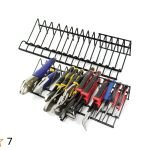
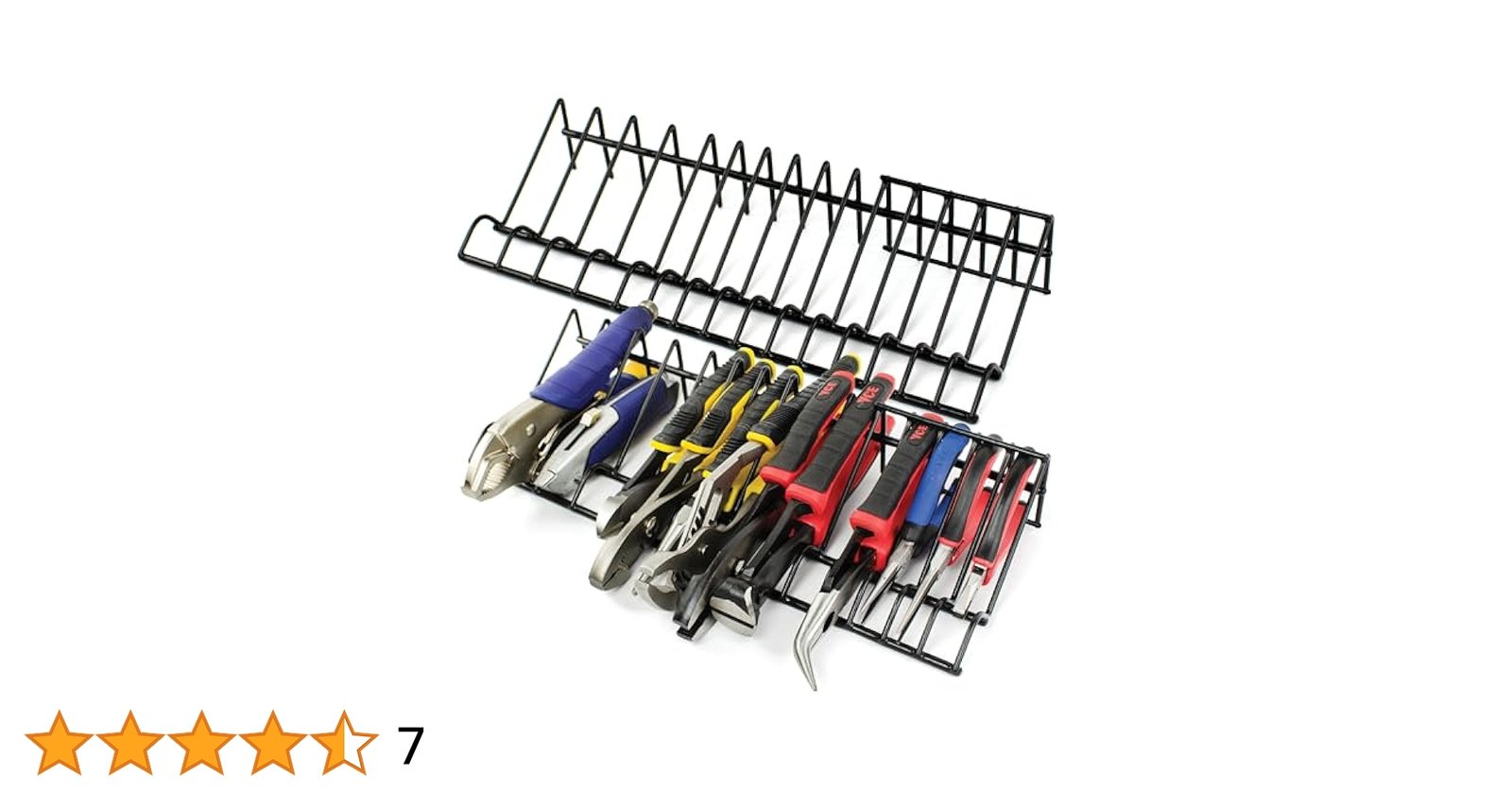
Credit: www.amazon.com
Choosing The Right Holder
Organizing pliers helps keep your workspace neat and tools easy to find. Choosing the right holder is key for good organization.
There are many holders available. Pick one that fits your needs and tool collection.
Types Of Pliers Holders
Pliers holders come in different styles. Each type offers unique benefits for storage and access.
- Wall-mounted racks keep pliers off the workspace.
- Toolboxes with slots hold pliers securely inside.
- Magnetic strips allow quick grab and return.
- Drawer organizers separate pliers by size or type.
- Portable holders make carrying pliers easy.
Material Considerations
Material affects a holder’s durability and weight. Choose a material that suits your workspace and tool use.
- Plastic holders are lightweight and easy to clean.
- Wood holders look nice and are sturdy.
- Metal holders are strong and long-lasting.
- Magnetic holders use steel for tool grip.
Size And Capacity
Choose a holder that fits your pliers collection. Consider the size and how many pliers you have.
| Holder Size | Best For | Notes |
|---|---|---|
| Small | Few pliers, limited space | Fits compact areas |
| Medium | Standard collections | Balances space and capacity |
| Large | Many pliers, varied sizes | Needs more room |
Make sure the holder can hold your largest pliers without damage. Check the spacing between slots.
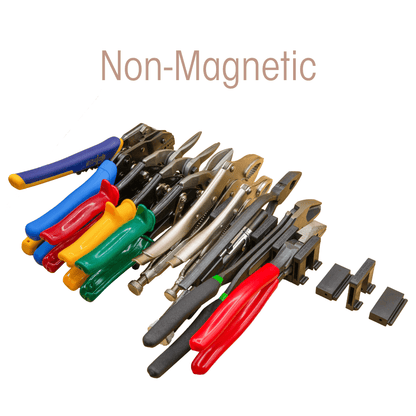
Credit: toolboxwidget.ca
Preparing Your Workspace
Organizing pliers in holders starts with a clean and ready workspace. Preparing well helps keep tools safe and easy to find.
A tidy area makes the organizing process faster and less stressful. Clear space lets you focus on sorting your pliers properly.
Clearing Clutter
Remove all items that do not belong near your pliers. This gives you room to work and prevents losing small tools.
Sort through your tools and throw away broken or unused items. Keep only what you need for your projects.
- Clear the workbench surface
- Sort tools by type
- Dispose of trash and broken tools
- Keep only pliers and related items nearby
Lighting And Accessibility
Good lighting helps you see all your pliers clearly. It reduces mistakes and makes choosing the right tool easier.
Arrange your workspace so you can reach pliers and holders easily. Avoid placing tools too high or too low.
- Use bright overhead lights or task lamps
- Place holders within arm’s reach
- Keep frequently used pliers in front
- Ensure no shadows block your view
Safety Measures
Safety is important when handling pliers. Prepare your workspace to avoid accidents and injuries.
Wear gloves if needed and keep sharp edges covered. Make sure holders hold pliers firmly to stop them from falling.
- Wear protective gloves
- Use holders that fit pliers tightly
- Keep the area free of spills and debris
- Store sharp pliers with covers
Sorting And Categorizing Pliers
Organizing pliers in holders helps you find the right tool fast. Sorting them makes your workspace neat and efficient.
There are simple ways to sort pliers. You can group them by function, size, or how often you use them.
By Function
Sort pliers based on what they do. Group similar tools together to save time when working.
For example, keep cutting pliers separate from gripping pliers. This way, you know exactly where each type is.
- Cutting pliers (side cutters, wire cutters)
- Gripping pliers (needle nose, slip joint)
- Bending pliers (round nose, flat nose)
- Crimping pliers (for connectors)
By Size
Arrange pliers by their length or jaw size. This helps you pick the right size for each job.
Place smaller pliers in one section and larger ones in another. It keeps your holder orderly and clear.
- Small pliers for delicate work
- Medium pliers for general use
- Large pliers for heavy tasks
By Frequency Of Use
Keep the pliers you use most often within easy reach. Less used tools can be stored further away.
This saves time and effort. You avoid digging through your holder to find common tools.
- Daily use pliers in the front or top
- Occasional use tools in the middle
- Rarely used pliers at the back or bottom
Mounting Holders Efficiently
Organizing pliers properly helps keep your workspace safe and tidy. Mounting holders efficiently saves space and makes tools easy to find.
Select the right mounting method based on your workspace size and tool use. This guide covers wall-mounted, workbench, and portable holder options.
Wall-mounted Options
Wall-mounted holders keep pliers off surfaces and visible. Use pegboards, magnetic strips, or custom racks to mount your tools.
- Install a pegboard with hooks for different plier sizes
- Use magnetic strips to hold metal pliers securely
- Build or buy racks that fit your pliers’ shape
- Place holders at eye level for easy access
Workbench Integration
Adding holders to your workbench keeps tools close while you work. Use built-in slots, drawers, or mounted rails for better organization.
| Holder Type | Placement | Benefit |
|---|---|---|
| Built-in slots | Workbench surface | Easy to grab pliers during work |
| Drawers with dividers | Below work surface | Protect tools from dust and damage |
| Mounted rails | Side or back of bench | Maximizes space without clutter |
Portable Solutions
Portable holders let you carry pliers to different work sites. Use cases, bags, or foldable racks that keep tools organized and safe.
Consider these features for portable holders:
- Strong handles for easy carrying
- Separate compartments for each plier
- Lightweight but sturdy materials
- Secure closures to prevent falling tools
Maximizing Space With Creative Hacks
Organizing pliers in holders can save space and keep your tools easy to find. Using smart ideas helps you make the most of your workshop or drawer.
Try different ways to store pliers so your workspace stays neat. This guide shows creative hacks that fit any room or budget.
Vertical Storage Techniques
Storing pliers vertically uses wall or cabinet space well. It keeps pliers visible and easy to grab without clutter.
You can hang pliers on hooks or use a pegboard. This keeps each tool separate and stops them from tangling.
- Install a pegboard on your wall
- Hang pliers by their handles on hooks
- Use vertical slots in a wooden holder
- Place holders on the inside of cabinet doors
Using Magnetic Strips
Magnetic strips hold metal pliers without drilling holes. They keep tools off counters and easy to reach.
Attach a strong magnetic strip to a wall or inside a drawer. Place pliers so their metal parts stick firmly to the strip.
- Choose magnets that hold the weight of your pliers
- Mount the strip at a comfortable height
- Arrange pliers by size or use
- Keep the strip clean for strong hold
Repurposing Household Items
You can use everyday items to store pliers without buying new holders. This saves money and uses what you have.
Try containers, jars, or old racks to keep pliers organized. Label each spot for quick access and neatness.
- Use mason jars to hold pliers upright on shelves
- Turn an old spice rack into a tool holder
- Place pliers in divided drawer organizers
- Use a shoe organizer with pockets for small pliers

Credit: www.amazon.co.uk
Maintaining Organization Over Time
Keeping your pliers organized is easy if you maintain good habits. Over time, tools can get mixed up or misplaced. Regular care helps keep everything in its place.
This guide covers simple ways to keep pliers tidy in holders for the long run. Use these tips to avoid clutter and save time searching for the right tool.
Regular Cleanups
Set a schedule to clean and organize your pliers and holders. Doing this often stops dirt buildup and tool damage. It also helps you spot missing or broken pliers quickly.
- Remove all pliers from the holder.
- Wipe each tool clean with a dry cloth.
- Check for rust or damage on each plier.
- Clean the holder to remove dust and debris.
- Place pliers back in their correct spots.
Labeling Systems
Use labels to mark each holder slot or section. Labels help you return pliers to the right place quickly. This method reduces mix-ups and speeds up tool retrieval.
- Write plier type names on tape labels.
- Use color-coded stickers for different sizes.
- Attach small cards with pictures of each plier.
Routine Checks
Inspect your pliers and holders regularly to keep them in good shape. Routine checks spot problems early and keep your system working well.
| Check Item | What to Look For | Action Needed |
| Pliers Condition | Rust, loose joints, or broken parts | Clean, repair, or replace |
| Holder Cleanliness | Dust, debris, or damage | Wipe clean, fix or replace holder |
| Label Visibility | Faded or missing labels | Replace or update labels |
Frequently Asked Questions
What Are The Best Holders For Organizing Pliers?
The best holders for pliers are pegboards, magnetic strips, and compartment trays. They keep tools accessible, visible, and prevent damage. Choose holders based on your workspace size and plier types for optimal organization and efficiency.
How Can I Prevent Pliers From Rusting In Holders?
To prevent rust, keep pliers dry and clean before storing. Use holders in dry areas and apply a light coat of oil on metal parts. Regular maintenance ensures long-lasting, rust-free tools.
How Do I Arrange Pliers By Size In Holders?
Arrange pliers from smallest to largest for quick access. This method saves time and keeps your workspace tidy. Label sections for added convenience and faster tool selection.
Can Magnetic Holders Securely Hold Heavy Pliers?
Yes, strong magnetic holders can securely hold heavy pliers. Ensure the magnet’s strength matches the pliers’ weight. Proper installation prevents falling and maintains a safe, organized workspace.
Conclusion
Organizing pliers in holders saves time and space. It keeps your tools easy to find and use. Proper storage also protects pliers from damage. Choose holders that fit your tool size well. Label each holder for quick identification. Keep your workspace tidy and efficient daily.
Small steps lead to big improvements in tool care. Start organizing today for a smoother workflow tomorrow.