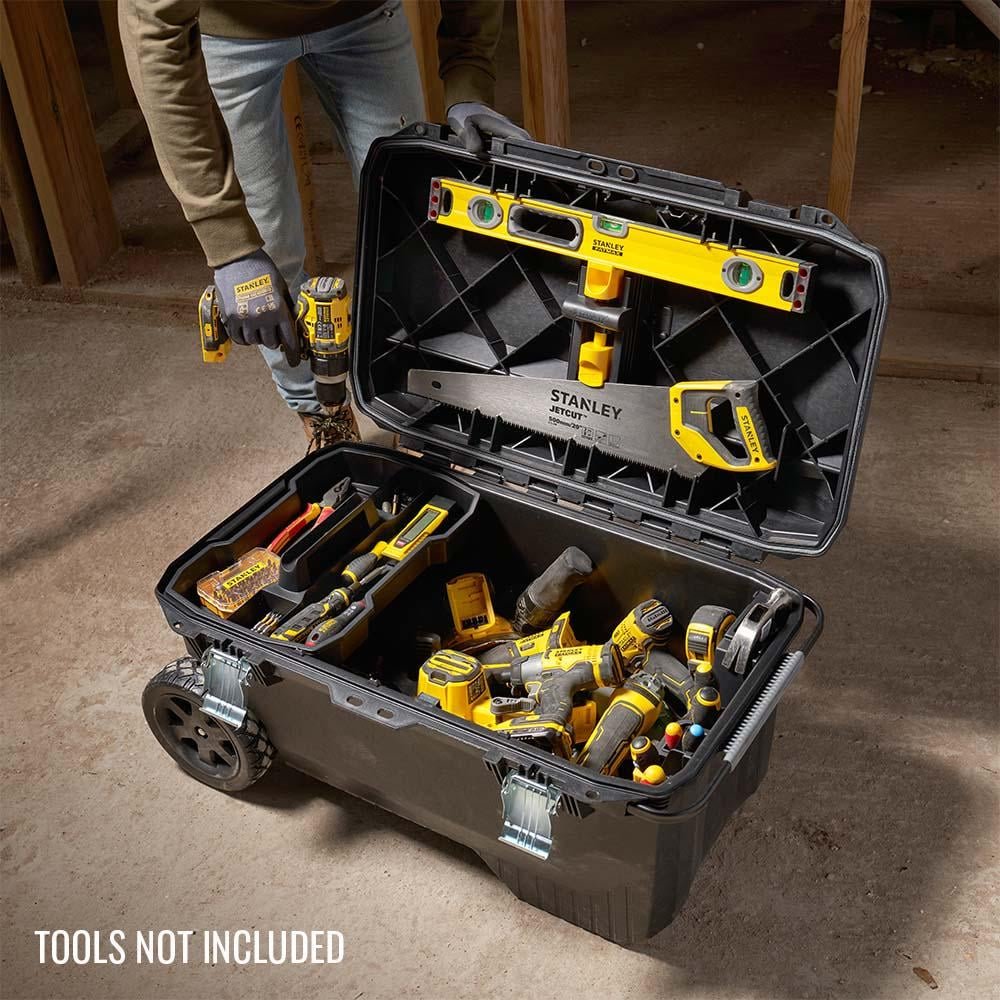
Are you constantly struggling to find the right power sander when you need it the most? Does your workshop feel cluttered and disorganized, making your projects more stressful than they should be?
If so, you’re not alone. Many DIY enthusiasts and professionals alike face the challenge of keeping their tools in order. But imagine having a workspace where every sander has its place, easily accessible and neatly arranged. In this guide, you’ll discover simple yet effective strategies to organize your power sanders in racks, transforming your chaotic workshop into a streamlined, efficient haven.
Get ready to save time, reduce stress, and boost your productivity with a well-organized tool collection. Keep reading to learn how you can make this transformation a reality.
Choosing The Right Rack
Organizing power sanders properly keeps your workspace clean. It also protects your tools and saves time. Choosing the right rack is important for these benefits.
This guide covers material options, size considerations, and weight capacity. Each factor helps you pick the best rack for your power sanders.
Material Options
Racks come in different materials. Each offers its own strength and durability. Common materials include wood, metal, and plastic.
- Wood:Strong and looks nice. May need treatment to resist moisture.
- Metal:Very durable and holds heavy tools well. Can resist wear and tear.
- Plastic:Lightweight and easy to clean. Best for lighter sanders.
Size Considerations
Measure your sanders before choosing a rack. The rack must fit all your tools comfortably. Leave space for easy access and removal.
| Rack Dimension | Purpose |
| Width | Should be wider than the largest sander |
| Height | Enough to hold sanders without crowding |
| Depth | Deep enough for sander bases and handles |
Weight Capacity
Check the rack’s weight limit. It must support all sanders safely. Overloading can cause damage or accidents.
- List all your sanders and their weights.
- Add the weights to find total load.
- Choose a rack with capacity above your total load.
- Consider extra capacity for future tools.

Credit: www.reddit.com
Preparing Your Workspace
Organizing power sanders in racks helps keep your tools safe and easy to find. A clean and planned workspace makes the job simpler and faster.
Before building or placing racks, prepare your workspace carefully. This ensures you have enough room and a safe area to work.
Clearing The Area
Remove all clutter and tools from the space where you want to set the racks. This gives you a clear view of the area.
Cleaning the area helps avoid accidents and makes measuring easier. It also prevents dust and debris from falling on your tools.
Measuring Available Space
Use a tape measure to check the width, height, and depth of the space. Write down these numbers so you can plan the rack size.
Measure carefully to make sure the rack fits well. Consider space for walking and opening any doors or drawers near the rack.
- Measure wall length and height
- Check floor space around the area
- Note any obstacles like pipes or outlets
Safety Precautions
Wear safety gloves and goggles while organizing your workspace. This protects your hands and eyes from dust or sharp objects.
Make sure the area has good lighting and ventilation. Keep cords and tools off the floor to prevent trips and falls.
- Use protective gear like gloves and goggles
- Keep the workspace well-lit
- Clear pathways to avoid tripping
- Avoid wet or slippery floors
Mounting Techniques
Organizing power sanders in racks saves space and protects your tools. Choosing the right mounting technique keeps sanders safe and easy to access.
This guide covers three common rack types. Each uses different mounting techniques to hold power sanders securely.
Wall-mounted Racks
Wall-mounted racks attach directly to a wall. They keep sanders off work surfaces and free up floor space.
Use strong brackets or hooks to hold the sanders. Secure them to wall studs for stability and safety.
- Locate wall studs for mounting points
- Use heavy-duty screws and anchors
- Add padded hooks to protect sander bodies
- Arrange sanders by size or type for easy access
Freestanding Racks
Freestanding racks stand on the floor and hold sanders in slots or shelves. They can be moved if needed.
Build racks with strong wood or metal. Make sure the base is wide enough to keep the rack stable.
- Use thick wood planks or metal bars
- Create slots or hooks sized for each sander
- Add rubber padding to prevent scratches
- Keep the rack at a comfortable height
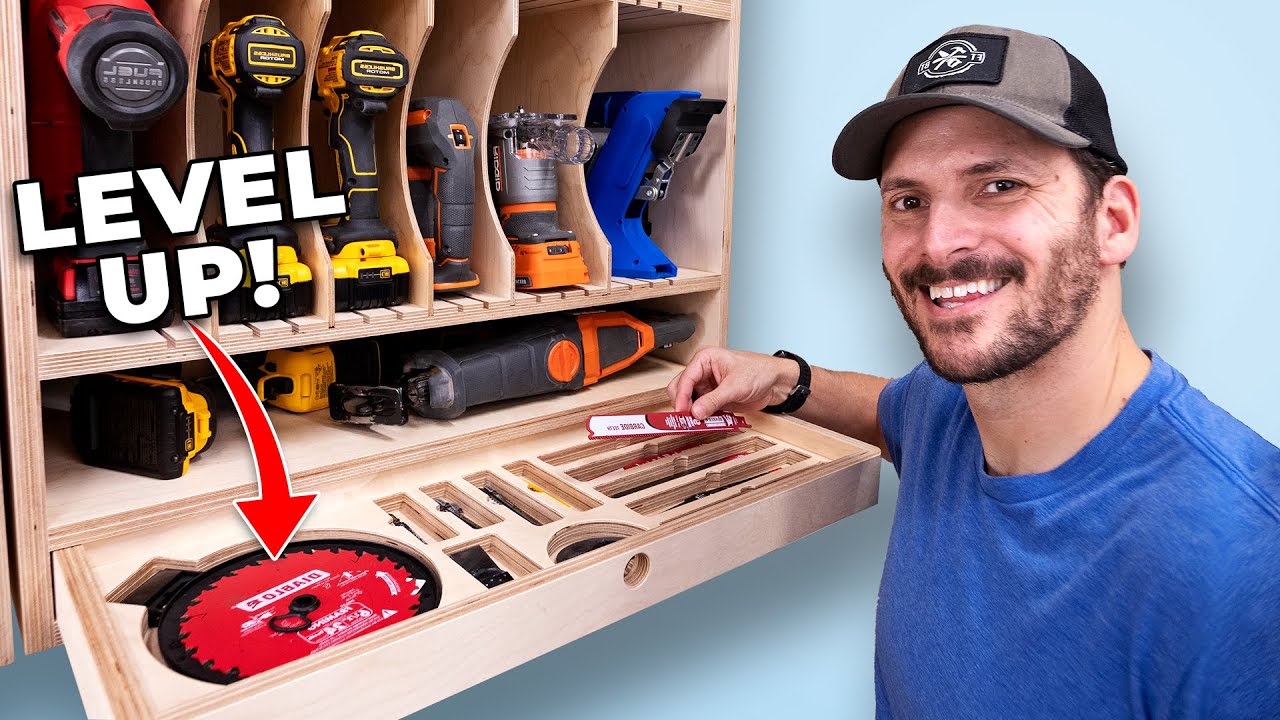
Custom-built Racks
Custom-built racks fit your workshop and tool collection perfectly. Design them with the right size and shape for your sanders.
Use a mix of mounting options like hooks, shelves, and slots. This keeps tools organized and easy to find.
- Measure your sanders before building
- Choose materials that match your workshop style
- Combine wall mounts with freestanding parts if needed
- Include labels or color codes for quick identification
Credit: www.youtube.com
Organizing Different Types Of Sanders
Power sanders come in many types. Keeping them organized helps you find the right tool fast.
Using racks is a smart way to store sanders safely and neatly. Each type needs its own space.
Orbital Sanders
Orbital sanders are small and round. They work well on flat surfaces and corners.
Use wall-mounted racks with padded hooks. This keeps the sander secure and easy to grab.
- Place sanders with their cords wrapped neatly
- Label each slot for different grit pads
- Keep dust bags close for quick swaps
Belt Sanders
Belt sanders are larger and heavier. They need strong racks that hold their weight safely.
Store belt sanders on wide shelves or heavy-duty hooks. Make sure they sit flat to avoid damage.
- Keep belts and spare parts nearby
- Use dividers to separate different belt sizes
- Label shelves by belt type for easy access
Detail Sanders
Detail sanders are small and pointed. They help sand tight spots and edges.
Use small cubby racks or bins to store detail sanders. This stops them from bumping into other tools.
- Place sanders upright to save space
- Keep sanding pads organized by shape and grit
- Use clear containers to see tools easily
Maximizing Space Efficiency
Organizing power sanders well saves space and keeps your workspace neat. Efficient storage helps you find tools fast.
Using racks smartly can fit many sanders in a small area. This guide shows easy ways to store sanders better.
Vertical Storage Tips
Store power sanders vertically to save shelf space. This method uses height instead of floor area.
Place sanders on racks with slots or compartments that hold them upright. This keeps tools stable and easy to grab.
- Keep cords wrapped to avoid tangles
- Label each slot for quick ID
- Use rubber mats to prevent slipping
Using Adjustable Shelves
Adjustable shelves let you change shelf height for different sander sizes. This flexibility improves space use.
You can move shelves up or down depending on your tools. This way, no space goes to waste.
- Set shelves close for small sanders
- Make room for large sanders by raising shelves
- Use sturdy materials for heavy tools
Incorporating Hooks And Holders
Hooks and holders add extra spots to hang sanders by their handles. This keeps them off surfaces.
Attach hooks to rack sides or above shelves. Use holders shaped for power sanders to hold them firmly.
- Use heavy-duty hooks for weight support
- Place hooks at easy-to-reach heights
- Group similar sanders together
Maintenance And Safety
Organizing power sanders in racks keeps your workspace safe and efficient. Proper maintenance helps tools last longer and work better.
Follow simple steps to clean, inspect, and handle your power sanders safely every day.
Regular Cleaning
Keep your power sanders free from dust and debris. Clean the racks and tools often to avoid damage and accidents.
- Wipe sanders with a dry cloth after each use.
- Remove dust from racks using a brush or vacuum.
- Check air vents on sanders for blockages.
- Use mild detergent if sanders are greasy.
- Dry tools completely before placing them back.
Inspecting Rack Stability
Check racks regularly to avoid falls or damage. Make sure racks hold sanders safely and stay steady.
| Inspection Area | What to Check | Action Needed |
| Rack Fasteners | Loose screws or bolts | Tighten immediately |
| Rack Frame | Cracks or bends | Replace or repair |
| Weight Capacity | Exceeding limits | Remove excess tools |
| Base Stability | Wobbles or tilts | Level and secure base |
Safe Handling Practices
Handle sanders carefully to avoid injury. Follow rules to keep yourself and others safe.
- Always unplug sanders before placing in racks.
- Use both hands when lifting heavy sanders.
- Do not overload racks beyond their limit.
- Store sanders with cords neatly wrapped.
- Wear gloves if sanders are hot or sharp.

Credit: spartanmounts.com
Frequently Asked Questions
How Do I Choose The Best Rack For Power Sanders?
Select a rack that fits your sander sizes and workshop space. Look for sturdy materials like metal or wood. Ensure it has easy access and good ventilation to keep sanders safe and organized.
What Is The Ideal Rack Design For Power Sanders?
An ideal rack has adjustable shelves or hooks to hold different sander shapes. It should provide secure storage to prevent falls and allow quick retrieval. Compact designs save space and keep your tools visible.
How Can I Maximize Space When Organizing Sanders?
Use vertical wall racks or pegboards to free up bench space. Group sanders by type or frequency of use. Adding labels and compartments improves organization and speeds up tool selection.
Should Power Sanders Be Stored With Accessories On The Rack?
Yes, storing accessories like sanding sheets nearby saves time. Use small bins or pockets attached to the rack for easy access. Keep everything organized to maintain workflow efficiency.
Conclusion
Organizing power sanders in racks saves space and protects tools. It helps keep your workspace tidy and easy to work in. You find the right sander quickly without any hassle. Racks also prevent damage and make your tools last longer.
Choose racks that fit your sanders well and install them securely. A simple system keeps your tools ready and your projects smooth. Try these tips to keep your sanders neat and safe every day.