Are your power tools scattered everywhere, making it hard to find what you need when you need it? Imagine opening your workshop and instantly spotting the exact tool you want—neatly arranged and ready to use.
Organizing power tools on shelves isn’t just about tidiness; it’s about saving time, reducing frustration, and protecting your valuable equipment. In this guide, you’ll discover simple, effective ways to transform your cluttered space into a well-ordered haven. Ready to take control of your tools and boost your productivity?
Let’s get started.
Credit: www.youtube.com
Choosing The Right Shelves
Organizing power tools on shelves helps keep your workspace neat. Picking the right shelves is key for safety and easy access.
Consider the material, weight capacity, and shelf design to find shelves that fit your needs well.
Material Options
Shelves come in wood, metal, and plastic. Wood shelves look nice and hold medium weight. Metal shelves are strong and last longer. Plastic shelves are light and resist moisture.
- Wood:Good for light to medium tools.
- Metal:Best for heavy tools and durability.
- Plastic:Useful in damp areas, but less strong.
Weight Capacity
Check how much weight a shelf can hold. Power tools can be heavy. Choose shelves that support your heaviest items safely.
| Shelf Type | Max Weight Capacity |
| Wooden Shelves | 100 to 250 lbs per shelf |
| Metal Shelves | 200 to 800 lbs per shelf |
| Plastic Shelves | 50 to 150 lbs per shelf |
Adjustable Vs Fixed Shelves
Adjustable shelves let you change shelf height. Fixed shelves stay in one place. Adjusting shelves helps fit tools of different sizes.
- Adjustable Shelves:Flexible for many tool sizes.
- Fixed Shelves:More stable for heavy tools.
Sorting Power Tools By Type
Organizing power tools on shelves keeps your workspace tidy. Sorting tools by type helps you find them fast.
Separate your tools into handheld, cordless, and stationary groups. Each group needs a special storage method.
Handheld Tools
Handheld power tools include drills, sanders, and grinders. Store them where you can easily reach them.
- Use pegboards with hooks to hang tools
- Place smaller tools in labeled bins
- Keep cords coiled and secure
Cordless Tools
Cordless tools run on batteries. These include drills, impact drivers, and saws.
| Tool | Storage Tip | Battery Care |
| Drill | Store in charging station | Charge after use |
| Impact Driver | Use shelf bins | Remove battery when stored |
| Saw | Hang on wall hooks | Keep batteries cool |
Stationary Tools
Stationary tools stay in one place. Examples are table saws, drill presses, and bench grinders.
- Place tools on sturdy shelves or benches
- Keep safety guards in place
- Label each tool’s area clearly
Maximizing Vertical Space
Organizing power tools on shelves saves space and keeps your workshop tidy. Using vertical space helps store more tools efficiently.
By stacking and hanging tools, you avoid clutter and find what you need faster. Here are ways to use vertical space well.
Using Wall-mounted Shelves
Wall-mounted shelves lift power tools off the floor. They free up workbench space and make tools easy to reach.
- Choose sturdy shelves that hold heavy tools.
- Place frequently used tools at eye level.
- Use adjustable shelves for different tool sizes.
- Label shelves to keep tools organized.
Stacking Techniques
Stacking power tools properly prevents damage and saves shelf space. Use containers or racks to keep them stable.
| Stacking Method | Benefit | Tip |
| Toolboxes on top of each other | Uses vertical space well | Stack heaviest boxes at bottom |
| Use bins with dividers | Keeps smaller tools separated | Label bins for easy finding |
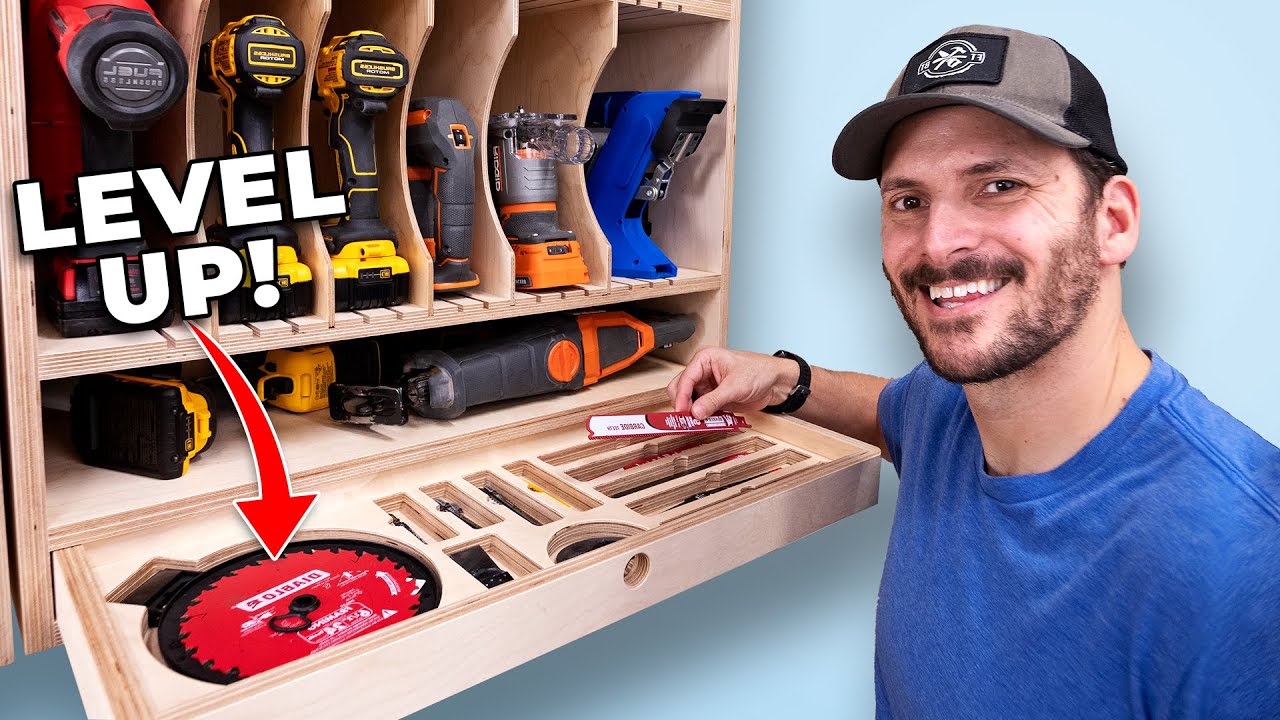
| Custom shelves with slots | Holds tools like drills securely | Measure tools before building |
Adding Hooks And Pegboards
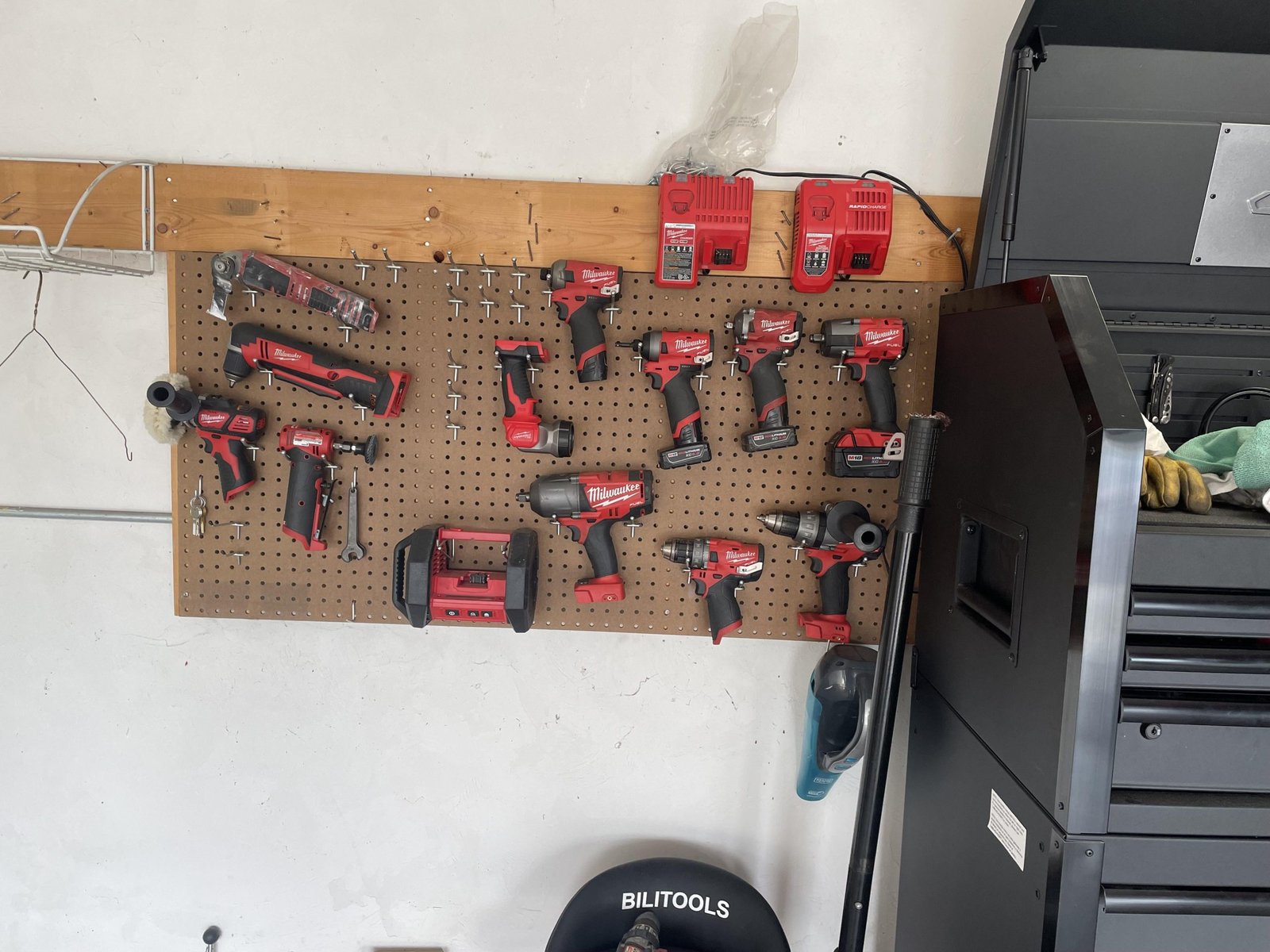
Hooks and pegboards let you hang tools on walls. This clears shelf space and shows tools clearly.
- Install pegboards above workbenches.
- Use hooks to hang drills, wrenches, and cords.
- Arrange hooks by tool type for quick access.
- Add small shelves or bins on pegboards for accessories.

Credit: www.reddit.com
Labeling And Accessibility
Organizing power tools on shelves helps keep your workspace safe and efficient. Labeling and easy access are important parts of this process.
Clear labels make finding tools fast. Accessibility means putting tools where you can reach them easily.
Clear Labels
Use clear labels to identify each power tool. Labels help you find tools quickly without searching.
Choose labels with large, simple text. Use waterproof or laminated labels to keep them readable over time.
- Label shelves or bins by tool type
- Use color codes for quick recognition
- Include tool names and sizes if needed
Tool Frequency
Store tools you use often in easy-to-reach places. Tools used less can go on higher or lower shelves.
Sort tools by how often you need them to save time and effort. This keeps your workspace more productive.
- Keep daily-use tools at eye level
- Store seasonal or rare tools higher or lower
- Rotate tools based on changing needs
Easy Reach Strategies
Arrange shelves so you can grab tools without moving others. Avoid stacking tools on top of each other.
Use shelves with open fronts or pull-out drawers. This helps you see and reach tools quickly and safely.
- Place heavier tools on lower shelves
- Use hooks or holders for hanging tools
- Keep clear space in front of shelves
Safety And Maintenance
Organizing power tools on shelves is important for safety and upkeep. Proper storage helps prevent accidents and keeps tools in good shape.
Clean and secure shelves make it easy to find tools and reduce damage. Regular checks keep everything working well.
Securing Heavy Tools
Heavy power tools must be placed safely to avoid falling. Use strong brackets or straps to hold them in place on shelves.
Put heavy tools on lower shelves. This keeps shelves stable and lowers the risk of injury when reaching for tools.
- Use wall anchors for extra support
- Keep heavy items close to the wall
- Avoid stacking heavy tools on top of each other
Keeping Shelves Clean
Dust and dirt can damage tools and shelves. Clean shelves often to keep your workspace safe and tidy.
Wipe shelves with a damp cloth and dry well. Remove any spills or debris quickly to avoid rust or stains.
- Clear off shelves weekly
- Use a brush to clean tight spots
- Check for signs of wear or damage
Regular Tool Checks
Inspect power tools regularly to keep them working safely. Look for frayed cords, loose parts, or rust.
Fix small problems early. Proper maintenance helps tools last longer and prevents accidents.
- Test tool functions before use
- Replace worn or broken parts
- Store tools dry to avoid rust

Credit: www.amazon.com
Diy Storage Solutions
Organizing power tools on shelves keeps your workspace neat. It also helps you find tools fast.
DIY storage solutions let you customize your space. You can save money and make shelves fit your needs.
Custom Shelving
Custom shelves fit your tools perfectly. You can build shelves with different heights and widths.
Use sturdy wood or metal for strong shelves. Add dividers to keep tools separated and safe.
- Measure your tools before building shelves
- Use brackets for extra support
- Paint or stain shelves for a clean look
Repurposed Containers
Repurpose old containers to store small power tool parts. Boxes, jars, or bins work well.
Label each container for easy identification. This keeps screws, bits, and batteries organized.
- Use clear containers to see contents
- Stack containers to save space
- Attach lids with tape to keep parts safe
Mobile Carts
Mobile carts make moving tools around easy. You can store many tools in one place.
Choose carts with drawers and shelves. Lock wheels to keep the cart steady during work.
- Organize tools by size or use in each drawer
- Add hooks on the sides for cords
- Keep cart near your workspace for quick access
Frequently Asked Questions
How Do You Categorize Power Tools On Shelves?
Categorize power tools by type, size, or frequency of use. Group similar tools together for easy access. Label each section clearly. Use dividers or bins for smaller items. Maintain a logical order to keep your workspace organized.
What Are The Best Shelves For Power Tools?
Sturdy, metal or heavy-duty wooden shelves work best. Ensure shelves can support the weight of your tools. Adjustable shelves offer flexibility for different tool sizes. Consider wall-mounted options to save floor space. Choose shelves with safety features like lip edges.
How Often Should I Reorganize My Power Tools?
Reorganize tools every few months or as needed. Regular checks prevent clutter and ensure efficiency. Adjust organization as your tool collection grows. Keep the most used tools easily accessible. A clean, organized space boosts productivity.
What Safety Tips Should I Follow When Organizing Tools?
Ensure tools are securely placed to prevent falling. Store heavier tools on lower shelves. Keep sharp or dangerous tools out of reach of children. Use proper labeling to avoid confusion. Regularly check for any damage to shelves or tools.
Conclusion
Organizing power tools on shelves keeps your workspace neat and safe. Easy access saves time and reduces frustration during projects. Use labels and bins to find tools quickly. Arrange heavier items on lower shelves for safety. Regularly check and tidy your shelves to maintain order.
A well-organized shelf helps you work smarter, not harder. Keep tools visible and reachable for better efficiency. Small efforts in organizing create big benefits in your daily tasks.