Do you find yourself constantly searching for your sanding blocks, only to end up frustrated and wasting precious time? If so, you’re not alone.
Many DIY enthusiasts and professionals alike face the challenge of keeping their sanding blocks neatly organized in drawers. But fear not! By mastering the art of organizing these essential tools, you can transform your workspace into an efficient haven of creativity and productivity.
Imagine opening your drawer and immediately spotting the perfect sanding block for your project, all without the clutter and chaos. In this guide, we’ll uncover simple yet effective strategies to help you achieve just that. Ready to take control of your workspace and boost your project efficiency? Let’s dive in!

Credit: www.familyhandyman.com
Choosing The Right Drawer
Organizing sanding blocks in drawers keeps your workspace tidy. Picking the right drawer helps store them safely.
Consider size, depth, and location to find the best drawer for your sanding blocks.
Assessing Drawer Size
Check the drawer’s width and length to fit your sanding blocks comfortably. Avoid tight spaces that cause damage.
Make sure the drawer can hold all your blocks without stacking them too high.
- Measure sanding blocks before choosing a drawer
- Allow extra space for easy access
- Avoid overfilling to prevent damage
Considering Drawer Depth
Drawer depth should fit the height of sanding blocks and any storage dividers. Shallow drawers may not hold tall blocks.
Choose drawers deep enough to avoid blocks sticking out and causing clutter.
- Measure block height before selecting drawer
- Use drawer dividers if needed to separate blocks
- Deep drawers protect blocks from dust and damage
Selecting Accessible Locations
Place the drawer where you can easily reach sanding blocks during work. Avoid hard-to-reach spots.
Keep sanding blocks near your main workspace to save time and effort.
- Choose drawers close to your workbench
- Keep frequently used blocks at eye level
- Store less used blocks in lower or higher drawers
Credit: creators.yahoo.com
Preparing Sanding Blocks
Organizing sanding blocks helps keep your workspace tidy. It also saves time when you need a block quickly.
Start by preparing your sanding blocks. This makes sorting and storing easier and more effective.
Cleaning And Sorting Blocks
Clean sanding blocks before organizing. Dirt and dust reduce their effectiveness and cause mess.
Sort blocks by condition. Remove worn-out or damaged ones to keep only useful blocks.
- Use a brush or cloth to remove dust
- Check for cracks or tears
- Separate usable and unusable blocks
Grouping By Grit Size
Group sanding blocks by their grit size. This helps find the right block fast for each project.
Keep coarse, medium, and fine grit blocks in separate sections or containers within your drawer.
- Coarse grit for heavy sanding
- Medium grit for smoothing surfaces
- Fine grit for finishing touches
Labeling For Quick Identification
Label each group of sanding blocks clearly. Labels save time searching for the right grit size.
Use simple tags or stickers on containers or drawer sections to mark the grit size.
- Write grit number on tags
- Use color codes for quick visual cues
- Place labels where they are easy to see
Organizing Techniques
Keeping sanding blocks neat makes your workspace better. Organized drawers save time and reduce clutter.
Using smart ways to arrange sanding blocks helps you find the right one quickly. Try these simple organizing techniques.
Using Dividers And Compartments
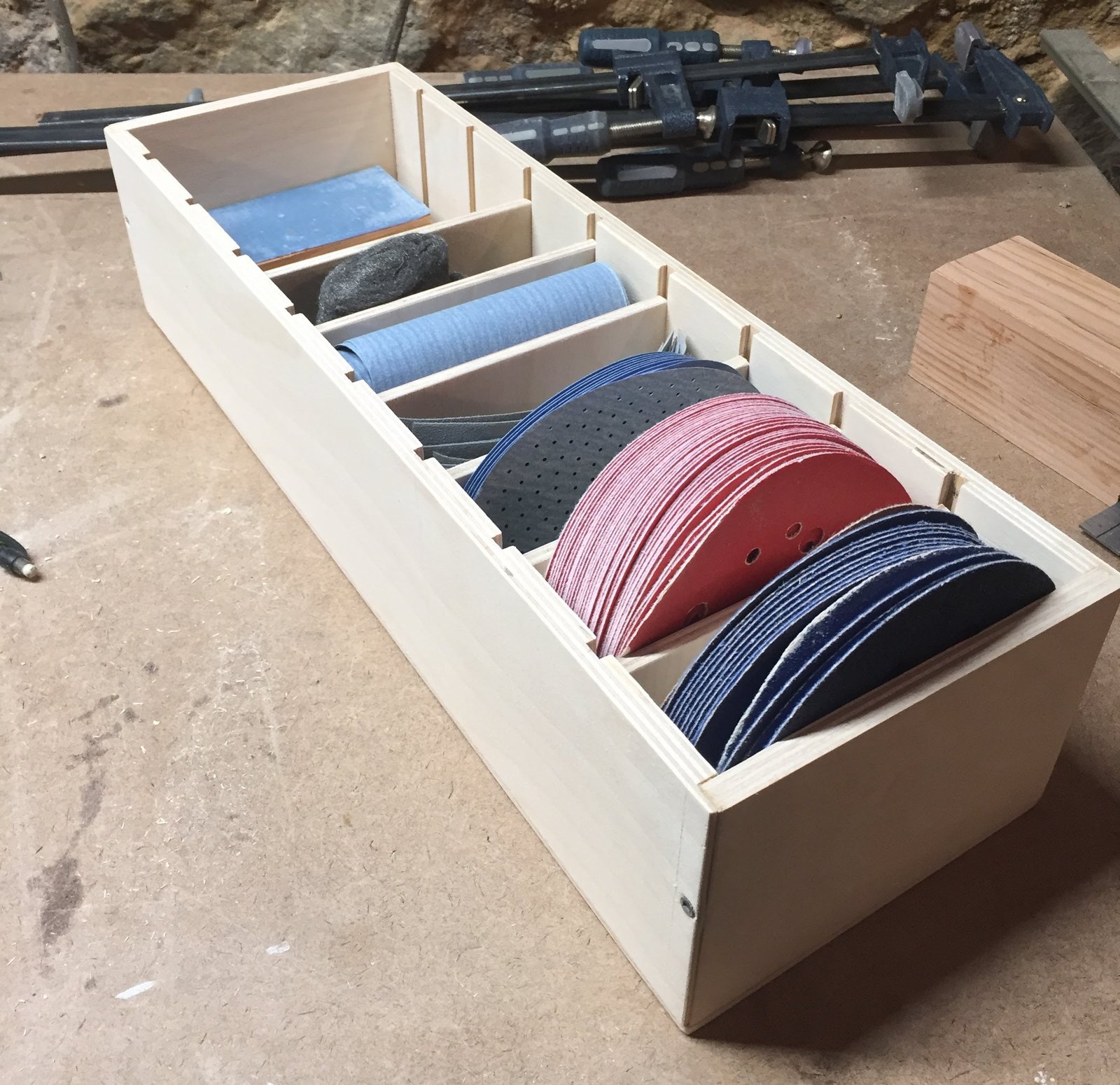
Dividers create sections inside a drawer. They keep sanding blocks from mixing together.
Compartments fit different block sizes. You can separate rough and fine blocks easily.
- Use wooden or plastic dividers
- Label compartments for quick ID
- Adjust divider size for larger blocks
Stacking Vertically Vs. Horizontally
Vertical stacking lets you see all blocks at once. It saves drawer space and keeps blocks visible.
Horizontal stacking is easy for blocks of the same size. It keeps them flat and prevents damage.
- Stack vertically for easy access
- Stack horizontally to protect block surfaces
- Choose stacking based on your drawer depth
Utilizing Small Containers
Small containers help group sanding blocks by type or grit. They keep the drawer tidy and blocks sorted.
Clear containers let you see contents quickly. Use containers that fit inside your drawer well.
- Use plastic or metal small boxes
- Label each container with grit size
- Stack containers if drawer space is limited
Space-saving Tips
Keeping sanding blocks organized saves time and space. A tidy drawer helps you find tools faster. Use smart ways to store blocks neatly.
These tips focus on making the most of your drawer space. They help reduce clutter and keep sanding blocks ready to use.
Maximizing Drawer Height
Use the full height of your drawer to fit more sanding blocks. Add small risers or stack trays inside the drawer. This creates extra layers.
- Place a shallow tray at the bottom for large blocks
- Add a second tray on risers for smaller blocks
- Use vertical dividers to keep blocks standing upright
Removing Unnecessary Packaging
Remove bulky packaging from sanding blocks before storing them. This frees up drawer space and reduces mess. Keep only what is needed.
| Type of Packaging | Action |
| Plastic wraps | Remove and discard |
| Cardboard sleeves | Recycle or remove |
| Paper labels | Keep if useful, otherwise remove |
Combining Similar Items
Group sanding blocks by size or grit inside the drawer. This makes it easier to pick the right block. Grouping also saves space.
- Sort blocks from coarse to fine grit
- Stack blocks of the same size together
- Use small containers or dividers for each group
Maintenance And Upkeep
Keeping sanding blocks organized in drawers needs regular care. This helps tools last longer and stay ready to use.
Good maintenance stops damage and keeps your workspace neat. Follow simple steps to keep sanding blocks in top shape.
Regular Cleaning Routine
Dust and debris can stick to sanding blocks and reduce their work quality. Clean them often to remove grit and dirt.
- Brush off sanding surface after each use
- Use compressed air to clear hard-to-reach areas
- Wipe drawer compartments to prevent dust buildup
- Keep blocks dry to avoid damage from moisture
Periodic Reorganization
Sorting sanding blocks by size and grit makes work faster. Rearrange blocks in drawers regularly to keep order.
| Type | Storage Tip |
| Coarse Grit | Place in front for quick access |
| Medium Grit | Store in middle section |
| Fine Grit | Keep at back to protect from damage |
Replacing Worn-out Blocks
Old sanding blocks lose effectiveness and can harm surfaces. Check blocks often and replace worn ones to keep good results.
- Inspect blocks for tears or flattening
- Discard blocks that no longer sand evenly
- Buy replacements that match your usual grit sizes
- Label new blocks for easy identification

Credit: jaredmacdonald.com
Frequently Asked Questions
How Do I Store Sanding Blocks Neatly In Drawers?
Use drawer dividers or small containers to separate sanding blocks. Arrange them by grit size for easy access and better organization.
What’s The Best Way To Label Sanding Blocks In Drawers?
Label each section or container with grit type using adhesive labels. Clear labels save time and help quickly find the right sanding block.
Can I Stack Sanding Blocks Without Damaging Them?
Avoid stacking directly to prevent deforming blocks. Use flat trays or separators to keep blocks in good shape and easily accessible.
How To Prevent Sanding Dust Buildup In Drawers?
Clean sanding blocks before storing and use drawer liners. Regularly vacuum or wipe drawers to maintain a dust-free storage area.
Conclusion
Organizing sanding blocks in drawers saves time and keeps your workspace neat. Use dividers or small containers for easy sorting. Label each section clearly to find blocks quickly. Keep similar grits together to avoid confusion. Regularly check and clean your drawer to maintain order.
A tidy drawer helps you work better and faster. Simple steps bring big changes to your workshop. Try these tips and enjoy a clutter-free space.