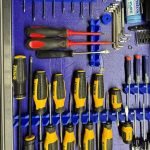
Are your screwdrivers scattered everywhere, making it hard to find the right one when you need it most? Imagine saving time and avoiding frustration by having every screwdriver neatly organized by its function.
This simple change can make your projects smoother and more efficient. You’ll discover easy steps to sort your screwdrivers so that you always grab the perfect tool on the first try. Ready to take control of your toolbox? Let’s get started.
Types Of Screwdrivers
Screwdrivers come in many shapes and sizes. Each type fits different screw heads.
Organizing screwdrivers by function helps you find the right tool fast. It saves time and effort.
Flathead Screwdrivers
Flathead screwdrivers have a flat, straight blade. They fit screws with a single slot on top.
These screwdrivers come in many sizes. Smaller ones work on delicate items, larger ones on wood or metal.
- Used for simple slotted screws
- Common in woodworking and electronics
- Blade widths vary to match screw slots
Phillips Screwdrivers
Phillips screwdrivers have a cross-shaped tip. They fit screws with a plus-shaped slot.
This design prevents slipping and improves grip. They are popular in construction and appliances.
- Common sizes include 0, 1, 2, and 3
- Used for wood, metal, and plastic screws
- Reduces cam-out, helping with tight screws
Torx Screwdrivers
Torx screwdrivers have a star-shaped tip. They fit screws with six-pointed star slots.
These screwdrivers provide better torque. They are common in cars and electronics.
- Sizes range from T1 to T100
- Used to prevent stripping screws
- Popular in manufacturing and repair
Hex And Allen Screwdrivers
Hex and Allen screwdrivers have a hexagonal tip. They fit screws with hex-shaped slots.
They are often used for furniture and bicycles. Allen wrenches are a common type of hex screwdriver.
- Sizes vary from very small to large
- Provide strong grip and torque
- Used in assembly and mechanical work
Specialty Screwdrivers
Specialty screwdrivers fit unique screw heads. They include security and precision types.
Examples include tri-wing, spanner, and precision screwdrivers. They serve specific tasks in electronics and security.
- Tri-wing for electronics and appliances
- Spanner for tamper-proof screws
- Precision for small screws in watches and glasses

Credit: www.reddit.com
Sorting By Function
Organizing screwdrivers by their function helps you find the right tool fast. It also protects the tools and keeps your workspace neat.
Each type of screwdriver serves a specific purpose. Grouping them by function makes your work easier and more efficient.
General Purpose Screwdrivers
General purpose screwdrivers fit most common screws. They often have flat or Phillips heads.
Keep these tools in a separate section for easy access. They are handy for many daily tasks around the house.
- Flathead screwdrivers
- Phillips screwdrivers
- Combination screwdrivers
Precision Screwdrivers
Precision screwdrivers have small tips for tiny screws. They work well on electronics and small devices.
Store these in a compact case or drawer. This keeps them safe and easy to find when needed.
- Small flathead tips
- Small Phillips tips
- Torx and hex tips for specialty screws
Electrician’s Screwdrivers
Electrician’s screwdrivers have insulated handles and are designed for electrical work. They help prevent electric shocks.
Keep these screwdrivers separate from others. Label the section clearly to avoid confusion.
- Insulated shafts
- Voltage testers included in some models
- Flathead and Phillips tips
Insulated Screwdrivers
Insulated screwdrivers protect users from electric shocks. They are tested to handle high voltage safely.
Use a dedicated holder or rack for these tools. Keep them away from non-insulated screwdrivers.
- Rated for 1000 volts
- Non-conductive handles
- Common in electrical and industrial work
Choosing Storage Solutions
Organizing screwdrivers by function makes your workspace safer and more efficient.
Picking the right storage helps you find the right tool fast. It also protects your tools from damage.
Toolboxes And Cases
Toolboxes keep screwdrivers together and easy to carry. Cases often have slots for each screwdriver type.
Look for toolboxes with adjustable compartments. This lets you separate screwdrivers by size or tip type.
Wall-mounted Racks
Wall racks save space and keep tools visible. You can hang screwdrivers by their handles or tips.
- Choose racks with slots that fit your screwdriver sizes.
- Place racks at eye level for easy access.
- Group similar types, like flathead or Phillips, together.
Magnetic Strips
Magnetic strips hold metal screwdrivers firmly. They keep your tools off surfaces and easy to reach.
| Feature | Benefit |
|---|---|
| Strong magnets | Securely hold screwdrivers without slipping |
| Easy installation | Mounts on walls or inside cabinets |
| Space saver | Keeps workbench clear |
Drawer Organizers
Drawer organizers divide space inside drawers. They prevent screwdrivers from mixing up.
- Use foam inserts cut to fit each screwdriver.
- Label sections by screwdriver type or size.
- Choose non-slip materials to keep tools in place.

Credit: stockcake.com
Labeling And Identification
Organizing screwdrivers by function helps you find the right tool fast. Labeling and identifying them clearly makes your work easier.
Good labels reduce confusion and keep your tools neat. Use simple methods to mark each screwdriver.
Color Coding Techniques
Color coding is a quick way to identify screwdriver types. Assign colors to different functions or sizes.
- Use colored tape on handles
- Paint tips or shafts with small color marks
- Match colors to screwdriver type or size
- Keep a color key nearby for easy reference
Size And Type Labels
Label screwdrivers with their size and type to avoid mistakes. Write or print clear labels for each tool.
- Mark flathead, Phillips, Torx, and others
- Include shaft length or tip size
- Use waterproof labels for durability
- Place labels where they are easy to see
Custom Tags And Markers
Custom tags help identify special screwdrivers or sets. Use tags to add notes or warnings.
- Attach plastic or metal tags to handles
- Write tool purpose or owner’s name
- Use markers that resist wear and tear
- Change tags easily when needed
Maintenance Tips
Keeping your screwdrivers in good shape helps them work better and last longer.
Regular care prevents damage and keeps your tools safe to use.
Cleaning Screwdrivers
Clean screwdrivers after each use to remove dirt and grease. Use a cloth and mild soap if needed.
- Wipe handles and metal parts with a dry cloth
- Use a brush to clean hard-to-reach areas
- Dry tools completely before storing them
- Apply light oil to metal parts to stop rust
Sharpening And Repair
Check screwdriver tips for wear or damage. Sharpen or replace tips to keep a good fit.
| Issue | Fix |
| Worn tip | Use a file to sharpen |
| Bent shaft | Gently straighten with pliers |
| Loose handle | Tighten or replace handle |
Safe Handling Practices
Use screwdrivers safely to avoid injury and tool damage.
- Choose the right screwdriver size for the screw
- Do not use screwdrivers as prying tools
- Keep handles dry and free from oil
- Store screwdrivers in a toolbox or rack
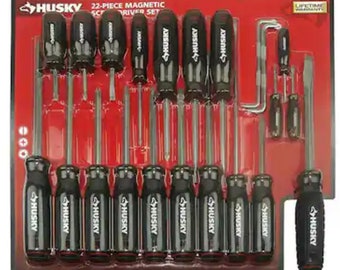
Credit: www.etsy.com
Maximizing Workspace Efficiency
Organizing screwdrivers by their function helps keep your workspace tidy. It also saves time when you need a specific tool.
Proper arrangement of tools supports smooth work flow and reduces clutter.
Ergonomic Arrangements
Place screwdrivers so you can grab them with ease. Group them by type such as flathead, Phillips, and Torx.
Keep handles facing out to avoid wrist strain. Use holders or racks that keep tools upright and visible.
Accessibility And Reach
Store the most used screwdrivers closest to your dominant hand. Less used tools can be placed further away.
- Arrange screwdrivers on a pegboard for quick access
- Use drawer inserts with labeled slots
- Keep sizes in order from small to large
- Ensure all tools are easy to see without moving others
Regular Inventory Checks
Check your screwdriver collection often to avoid missing or broken tools. Replace worn-out screwdrivers to keep work safe.
| Check Item | Frequency |
| Screwdriver tips condition | Monthly |
| Handle grips | Monthly |
| Organization layout | Quarterly |
| Inventory count | Quarterly |
Frequently Asked Questions
How Do I Categorize Screwdrivers By Function?
Categorize screwdrivers by identifying their specific use, such as Phillips, flathead, or Torx. Group them based on the tasks they perform, like electronics, carpentry, or automotive. Use labels or color codes for easy identification. This method enhances efficiency and reduces time spent searching for the right tool.
What Are The Benefits Of Organizing Screwdrivers?
Organizing screwdrivers enhances efficiency and productivity. It saves time by reducing search efforts and prevents tool loss. A well-organized system also extends the lifespan of tools by preventing damage. Proper organization ensures you have the right screwdriver for every task, streamlining workflow and improving project outcomes.
How Should I Store Specialty Screwdrivers?
Store specialty screwdrivers in a dedicated section of your toolbox. Use labeled compartments or holders to keep them separate from standard tools. Consider using foam inserts or magnetic strips for added protection and easy access. This prevents damage and ensures you can quickly find the right tool for specific tasks.
Can Labeling Help In Screwdriver Organization?
Yes, labeling is crucial for screwdriver organization. It helps quickly identify different types and sizes. Use clear, readable labels or color codes. This system reduces time spent searching for the right screwdriver and minimizes errors. A well-labeled set enhances efficiency and keeps your workspace tidy.
Conclusion
Organizing screwdrivers by function saves time and reduces frustration. Group similar types together for easy access. Label each section clearly to avoid confusion. Keep your workspace tidy to find tools quickly. Regularly check and update your collection as needed. A neat toolbox helps you work smarter every day.
Simple steps lead to big improvements in tool management. Try organizing today and notice the difference it makes.