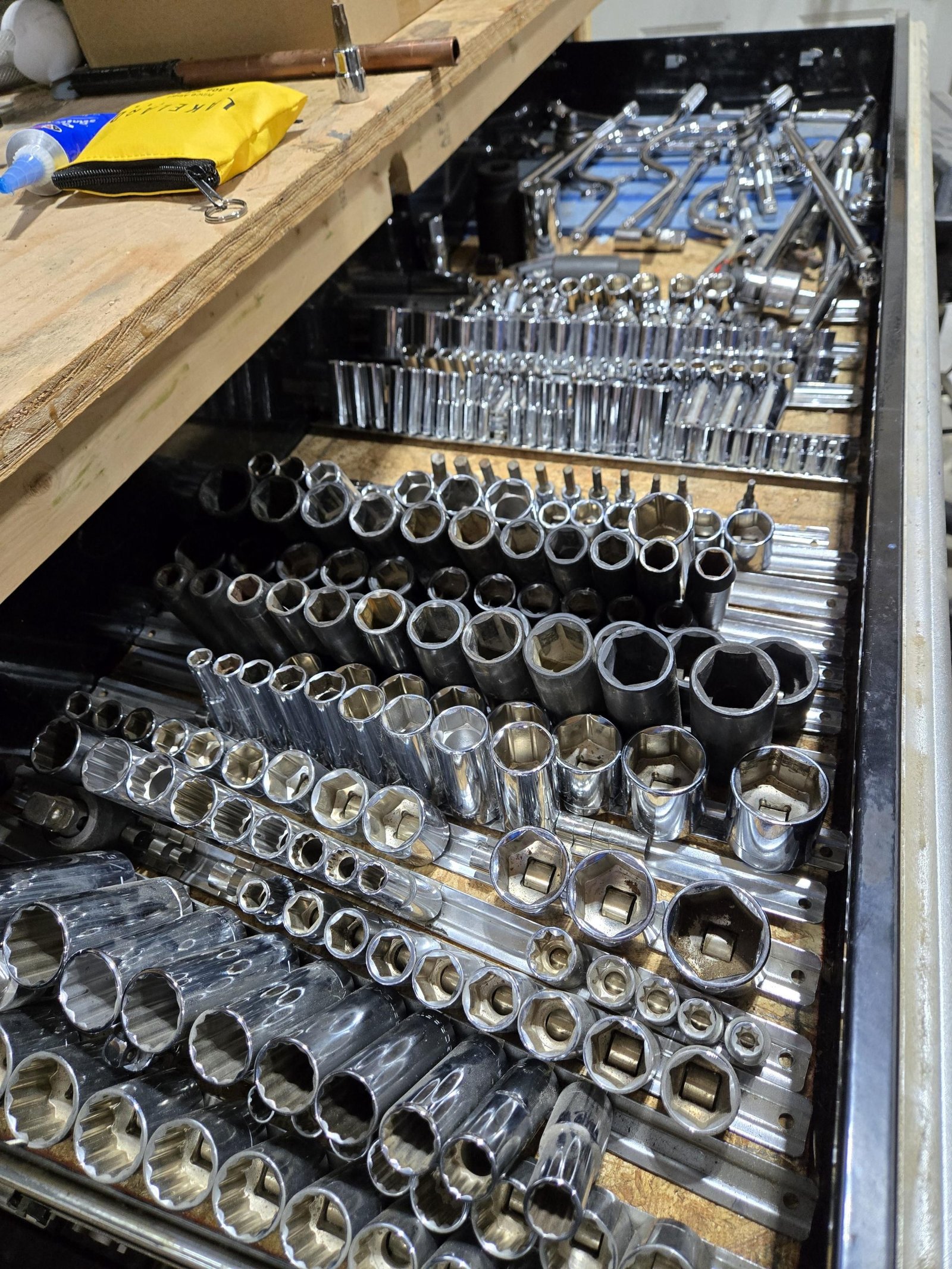
Are you tired of rummaging through a chaotic pile of socket sets every time you need to fix something? Do you find yourself wasting precious minutes searching for the right size, only to end up frustrated?
You’re not alone. Many people struggle with keeping their socket sets organized, which can turn a simple task into a daunting chore. But here’s the good news: organizing your socket sets by size can transform your toolbox from a cluttered mess into a model of efficiency.
Imagine reaching for the exact socket you need in seconds, saving time and keeping your projects on track. Dive into this guide, and discover how you can bring order to your toolbox and streamline your DIY efforts.
Benefits Of Organizing Socket Sets
Keeping your socket sets organized by size makes your work easier. You can find the right tool quickly and avoid frustration.
Organized socket sets help protect your tools and keep your workspace neat. This saves time and keeps you safe during projects.
Save Time During Projects
When socket sets are sorted by size, you spend less time searching. You can grab the correct socket fast and get your job done.
This organization helps avoid delays and keeps your work moving smoothly. You stay focused on your project instead of looking for tools.
Prevent Loss And Damage
Organizing socket sets reduces the chance of losing tools. Each socket has a place, so none get misplaced or forgotten.
Proper storage also protects sockets from damage. Tools stay in good condition longer when they are stored carefully.
Improve Workspace Safety
A tidy workspace with organized sockets lowers accident risks. Tools left out can cause trips or cuts.
Keeping sockets in their places means fewer hazards. You work safer and keep your area clean.
Types Of Socket Sets
Socket sets come in different types to fit many tools and jobs. Organizing your sockets by size helps you find the right one fast.
Knowing the types of socket sets makes it easier to sort and store them correctly. This guide explains common socket types and sizes.
Metric Vs Standard Sizes
Socket sets use two size systems: metric and standard. Metric sizes are measured in millimeters. Standard sizes use inches.
Metric sockets fit bolts with metric measurements. Standard sockets fit bolts with inch measurements. Mixing them can cause damage.
- Metric sizes: 8mm, 10mm, 12mm, etc.
- Standard sizes: 1/4″, 3/8″, 1/2″, etc.
- Keep metric and standard sockets separate.
Drive Sizes Explained
Drive size is the square hole size that fits the ratchet. It determines the socket’s power and tool compatibility.
Common drive sizes include 1/4 inch, 3/8 inch, and 1/2 inch. Smaller drives are for light work, larger drives for heavy jobs.
- 1/4″ drive: small bolts, tight spaces
- 3/8″ drive: medium bolts, general use
- 1/2″ drive: large bolts, high torque
Specialty Socket Types
Some sockets have special shapes for specific tasks. These help with unique fasteners or hard-to-reach places.
Examples include deep sockets, impact sockets, and swivel sockets. Organize these separately for easy access.
- Deep sockets: reach recessed bolts
- Impact sockets: stronger for power tools
- Swivel sockets: work at angles
- Torx sockets: fit star-shaped bolts
Tools And Accessories For Organization
Organizing socket sets by size makes your work easier and faster. Using the right tools and accessories helps keep everything neat and in place.
Choosing good organizers protects your tools and saves space in your workspace. Let’s look at some options for organizing socket sets.
Socket Trays And Holders
Socket trays and holders keep sockets in order by size and type. They prevent sockets from rolling away or getting lost.
- Plastic trays with molded slots fit each socket securely.
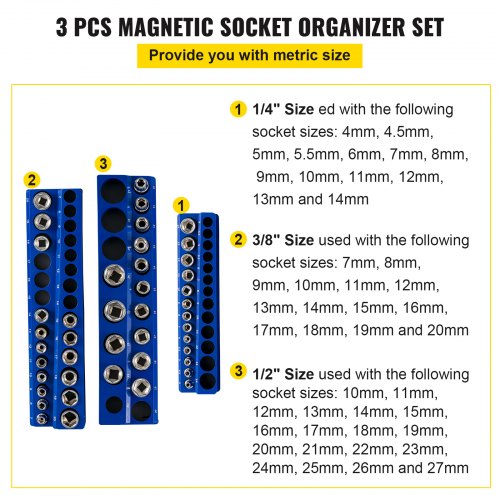
- Magnetic holders keep sockets attached and easy to reach.
- Stackable trays save space and allow sorting by drive size.
- Color-coded holders help identify socket sizes quickly.
Toolboxes And Cabinets
Toolboxes and cabinets provide larger storage solutions for socket sets and other tools. They protect tools from dust and damage.
| Type | Features | Best Use |
| Portable Toolbox | Compact, easy to carry, compartments inside | Small socket sets for mobile use |
| Rolling Cabinet | Multiple drawers, large capacity, lockable | Workshop storage with many socket sets |
| Wall-mounted Cabinet | Saves floor space, easy access, secure | Organized storage in small work areas |
Labeling Supplies
Labels help identify socket sizes quickly. They reduce time spent searching and avoid mix-ups.
Common labeling supplies include:
- Adhesive labels for trays and holders
- Permanent markers for metal surfaces
- Label tapes for toolboxes and drawers
- Color-coded stickers for size groups
Credit: www.vevor.ca
Sorting Sockets By Size
Organizing socket sets by size makes your tools easy to find. It saves time and keeps your workspace neat.
Sorting sockets helps you pick the right tool quickly. This guide shows simple ways to organize them by size.
Grouping By Diameter
Start by sorting sockets by their diameter. This means putting all sockets of the same width together.
Diameters usually come in metric or standard sizes. Keep these groups separate for easier use.
- Group metric sockets like 10mm, 12mm, 14mm
- Group standard sockets like 3/8”, 1/2”, 5/8”
- Label each group clearly
Arranging By Drive Size
Drive size is the part that fits the ratchet or wrench. Common sizes are 1/4”, 3/8”, and 1/2”.
Sort sockets by drive size inside each diameter group. This stops mixing sockets that don’t fit the same tool.
- Keep 1/4” drive sockets together
- Keep 3/8” drive sockets together
- Keep 1/2” drive sockets together
Separating Shallow And Deep Sockets
Sockets come in shallow and deep styles. Deep sockets reach bolts in tight spaces better than shallow ones.
Sort shallow and deep sockets into two groups. This helps you find the right socket length fast.
- Place shallow sockets in one tray or section
- Place deep sockets in another tray or section
- Label the sections for quick access
Labeling And Identification Techniques
Organizing socket sets by size makes finding the right tool quick and easy. Clear labeling helps you keep track of each socket.
Using good identification methods reduces confusion and speeds up your work process.
Using Color Codes
Color coding sockets helps you spot sizes fast. You can paint or use colored tape on each socket or storage case.
- Assign a different color for each size range
- Use bright colors for quick visibility
- Keep a color chart nearby for reference
- Use durable paint or tape that won’t fade
Numbering Systems
Numbering sockets by size is a simple way to identify them. Use a consistent system to avoid mix-ups.
| Socket Size | Number Label |
| 1/4 inch | 1 |
| 3/8 inch | 2 |
| 1/2 inch | 3 |
| 9 mm | 4 |
| 12 mm | 5 |
Label Placement Tips
Place labels where they are easy to see and read. Proper placement avoids wear and tear from use.
- Label the side of each socket for quick viewing
- Use clear, large fonts for numbers or colors
- Avoid placing labels on moving parts
- Secure labels with strong adhesive or engraving

Credit: www.reddit.com
Maintaining Organized Socket Sets
Keeping your socket sets neat helps you find the right size fast. It saves time and prevents loss.
Organizing by size makes your work easier and improves tool care. It also keeps your workspace clean.
Regular Inventory Checks
Check your socket sets often to know what you have. This helps spot missing or damaged pieces early.
Write down the sizes you own. Compare your list with the actual sockets in the set.
- Count each socket size in your set
- Look for any broken or worn sockets
- Note missing pieces to replace
- Keep your inventory list updated
Cleaning And Care
Clean your sockets after use to stop rust and dirt build-up. This keeps them working well.
Use a dry cloth or brush to remove dust and grease. Avoid water to prevent rust.
- Wipe sockets with a clean cloth
- Use a small brush for tight spots
- Apply light oil to metal parts
- Store sockets in a dry place
Replacing Missing Pieces
Replace missing sockets quickly to keep your set complete. Missing sizes slow down work.
Keep a list of missing pieces. Buy or borrow sockets that match your set sizes.
- Identify missing socket sizes from your inventory
- Check local stores or online for replacements
- Label new sockets to match your set
- Update your inventory list after adding pieces
Maximizing Efficiency In Your Workspace
Organizing socket sets by size helps you work faster and find tools easily. A neat workspace saves time and reduces frustration.
When you arrange sockets well, you can focus more on your tasks. This guide shows simple ways to keep your socket sets tidy.
Optimizing Tool Access
Place socket sets where you can reach them quickly. Keep frequently used sizes at eye level or near your workbench.
Use clear labels to identify socket sizes. This helps you grab the right tool without checking each piece.
- Store sockets in order from smallest to largest
- Use trays or racks that show all sockets at once
- Keep your socket set close to your main workspace
- Arrange sockets by type (metric or imperial) for easy access
Customizing Storage Solutions
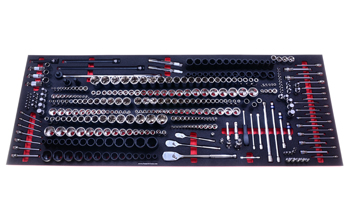
Choose storage that fits your socket sets and workspace size. Custom trays or foam inserts help keep sockets in place.
Label each compartment with the socket size. This way, you can spot missing tools quickly and avoid searching.
- Use drawer organizers with slots for each socket size
- Make foam cutouts for a snug fit
- Consider wall-mounted racks if bench space is limited
- Stack cases by size or type for easy selection
Integrating With Other Tools
Keep sockets near related tools like ratchets and wrenches. Grouping tools reduces time spent switching between them.
Use pegboards or tool chests that allow all tools to be visible and reachable. This creates a smooth workflow.
- Hang ratchets beside socket racks
- Store extensions and adapters nearby
- Arrange wrenches and pliers close to sockets
- Label tool areas for quick identification
Credit: www.foamfittools.com
Frequently Asked Questions
How Do I Sort Socket Sets By Size Efficiently?
Sort sockets from smallest to largest using a tray or organizer. Label compartments by size for quick access and avoid mixing.
What Tools Help Organize Socket Sets By Size?
Use socket organizers, trays, or magnetic strips. These tools keep sizes separated and easy to find, improving workspace order.
Why Is Organizing Socket Sets By Size Important?
It saves time finding sockets and prevents damage. Organized sets improve workflow and reduce frustration during projects.
Can I Use Diy Methods To Organize Socket Sets?
Yes, DIY organizers using foam inserts or labeled boxes work well. They provide customized storage tailored to your socket sizes.
Conclusion
Organizing socket sets by size saves time and reduces frustration. It helps you find the right tool quickly. Keep sockets in labeled trays or holders for easy access. Arrange them from smallest to largest for clear order. Regularly check and clean your sets to keep them ready.
A neat workspace improves your efficiency and safety. Simple steps make a big difference in tool management. Start organizing today and enjoy a smoother work process.