Are you tired of searching through a jumbled mess of socket sets every time you need to make a quick repair? Imagine a world where you can find the exact socket you need in seconds, saving you time and frustration.
Organizing your socket sets by type can transform your workspace into a model of efficiency and ease. This isn’t just about tidying up—it’s about enhancing your productivity and making your work more enjoyable. By the end of this article, you’ll have practical tips and tricks to arrange your sockets in a way that makes sense for you.
Ready to transform your toolbox into a well-oiled machine? Let’s dive in!

Credit: 10spottools.com
Benefits Of Organizing Socket Sets
Organizing socket sets by type helps you find tools quickly. It saves time during projects and repairs.
A well-organized socket set keeps your workspace neat. It also protects your tools from damage and loss.
Improves Efficiency
When sockets are sorted by type, you can grab the right one fast. This speeds up your work and reduces frustration.
You spend less time searching and more time fixing or building. Efficiency increases with a clear system.
Prevents Tool Damage
Organized sockets avoid rubbing against each other. This stops scratches and wear on your tools.
Proper storage helps sockets last longer and stay in good shape for future use.
Eases Inventory Management
Sorting sockets by type makes it easy to see what you have. You can quickly find missing or extra pieces.
This helps you keep a complete set and avoid buying duplicates.
Enhances Workspace Safety
Organized tools reduce clutter and trip hazards. A tidy workspace lowers the risk of accidents.
You can focus on your tasks without worrying about misplaced tools causing harm.
Simplifies Transport And Storage
Organized socket sets fit better in toolboxes and bags. This makes carrying and storing easier.
It also protects sockets from falling out or getting lost during transport.
Common Types Of Socket Sets
Socket sets come in different types to handle many tasks. Knowing each type helps keep tools organized. It also makes work easier and faster.
This guide explains the common socket set types. You will learn about standard, deep, impact sockets, and useful extensions.
Standard Sockets
Standard sockets are the most common type. They fit most nuts and bolts. Their short length is good for tight spaces. These sockets work well for everyday repairs and projects.
Deep Sockets
Deep sockets are longer than standard ones. They reach nuts on long bolts or inside holes. Use them when standard sockets cannot fit. Deep sockets give better grip on hard-to-reach fasteners.
- Reach recessed nuts
- Work on long bolts
- Fit over protruding studs
- Provide better grip on deep fasteners
Impact Sockets
Impact sockets are made for power tools. They are stronger to handle high torque. These sockets have thicker walls. Impact sockets prevent breaking or cracking during use.
| Feature | Standard Socket | Impact Socket |
| Material | Chrome vanadium steel | Chrome molybdenum steel |
| Wall Thickness | Thin | Thick |
| Use | Hand tools | Power tools |
| Finish | Polished | Black oxide |
Universal Joints And Extensions
Universal joints and extensions add flexibility to socket sets. Extensions increase reach in tight spaces. Universal joints allow angle turning. Together, they help access hard-to-reach fasteners easily.
- Extensions:Lengthen your reach for deep or hidden bolts.
- Universal Joints:Provide angled access up to 45 degrees.
- Use both:Combine for complex or tight areas.
Sorting Sockets By Size And Drive
Organizing socket sets makes your work easier and faster. You can find the right socket without searching for a long time.
This guide helps you sort sockets by their size and drive type. It explains how to identify drive sizes and group sockets by measurement systems.
Identifying Drive Sizes
Socket drives come in different sizes. The drive size is the part that connects to the ratchet or handle. Common drive sizes include 1/4 inch, 3/8 inch, and 1/2 inch.
- Look at the square hole on the socket. This hole fits onto the drive.
- Measure the width of the square hole to find the drive size.
- Label your sockets based on this size to keep sets organized.
- Keep sockets with the same drive size together.
Grouping By Metric And Sae
Sockets come in two main size systems: Metric and SAE (Standard). Metric uses millimeters, and SAE uses inches. Grouping them separately avoids confusion.
| Type | Unit | Example Sizes |
|---|---|---|
| Metric | Millimeters (mm) | 10mm, 12mm, 14mm |
| SAE | Inches (fractional) | 1/4″, 3/8″, 1/2″ |
Sort sockets by these groups and then by size within each group. This method helps you pick the right socket quickly and keeps your tools neat.
Choosing The Right Storage Solutions
Organizing socket sets by type keeps your workspace neat. It also helps you find the right tool fast.
Choosing the right storage solution depends on your space and how often you use your sockets.
Socket Trays And Organizers
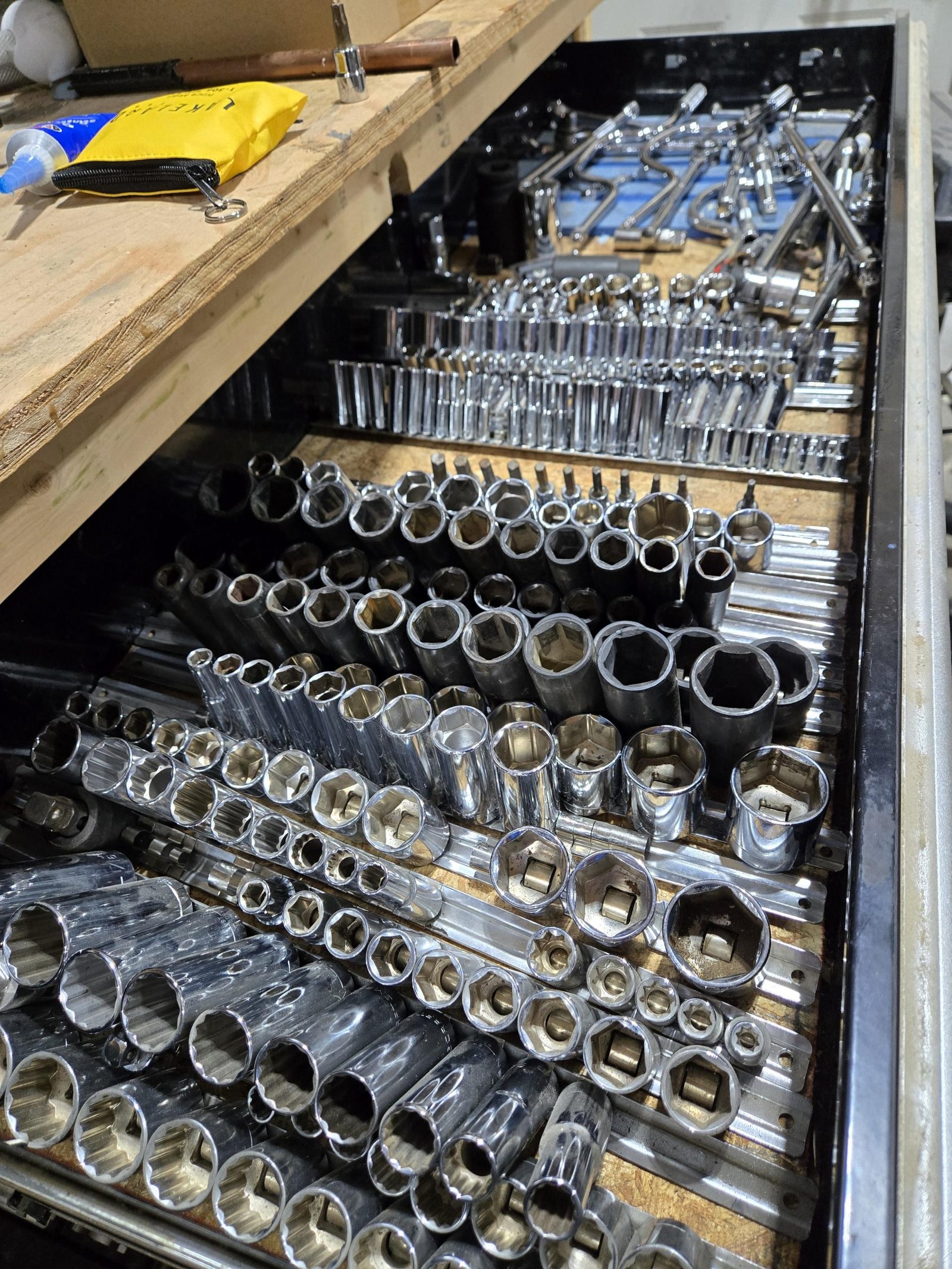
Socket trays keep sockets in place and sorted by size or type. They fit inside drawers or on shelves.
- Easy to see all sockets at once
- Prevents sockets from rolling around
- Labels help quick identification
- Compact and space-saving
Toolboxes And Cabinets
Toolboxes and cabinets provide secure storage for socket sets and other tools. They come in many sizes.
| Type | Best Use | Features |
| Portable Toolbox | Small socket sets | Compact, easy to carry |
| Rolling Cabinet | Large collections | Multiple drawers, mobile |
| Wall-Mounted Cabinet | Fixed workspace | Space-saving, organized |
Magnetic Holders
Magnetic holders keep sockets attached to a metal strip or bar. They make access quick and simple.
- Strong magnets hold sockets securely
- Easy to add or remove sockets
- Great for small sockets and bits
- Can be mounted on walls or inside cabinets
Labeling Techniques For Quick Access
Organizing socket sets by type makes your work faster and easier. Labeling helps you find the right socket quickly.
Good labeling techniques keep your tools tidy and reduce time spent searching for parts.
Using Color Codes
Color coding sockets by type or size helps you spot the right tool fast. Use different colors for metric and standard sockets.
- Assign a color for each socket type, like red for deep sockets.
- Use blue for metric sockets and green for standard sizes.
- Mark your storage trays or boxes with matching colors.
- Use colored labels or tape on the socket handles.
Number And Size Labels
Label sockets with their size clearly. This method works well with both trays and drawers.
| Label Type | Description | Example |
|---|---|---|
| Number Labels | Use stickers or tags with socket sizes. | 10 mm, 1/4 inch |
| Size Labels | Engrave or print sizes on the socket or holder. | 8 mm, 13 mm |
| Combination | Use both number and color for faster sorting. | Red 10 mm, Blue 1/2 inch |
Credit: www.foamfittools.com
Maintaining Organized Socket Sets
Keeping your socket sets organized helps you find the right tool fast. It also protects your tools from damage and loss.
Organizing by type is a good way to keep order. This guide explains how to maintain your socket sets well.
Regular Cleaning And Inspection
Clean your sockets after each use to remove dirt and grease. Use a dry cloth or brush to wipe them down.
Check each socket for cracks or rust during cleaning. Regular inspection helps spot problems early.
- Wipe sockets with a dry cloth
- Use a brush for tight spots
- Look for cracks or rust
- Keep sockets dry to avoid corrosion
Replacing Missing Or Damaged Pieces
Keep track of all sockets after use to avoid losing pieces. Missing parts can slow down work and cause frustration.
Replace any damaged sockets right away. Using damaged tools can be unsafe and can damage fasteners.
- Check the set after each use
- Note any missing sockets
- Order replacements quickly
- Do not use cracked or worn sockets
Tips For Efficient Workspace Setup
Organizing socket sets by type helps keep your workspace clean and efficient. It saves time and reduces frustration when you need tools.
A well-planned setup improves your workflow and protects your tools from damage. Focus on easy access and clear arrangement.
Ergonomic Layouts
Arrange socket sets so you can reach them without straining. Place the most used sizes closest to you for quick grabs.
Keep heavier sets lower to avoid lifting injuries. Use trays or holders that keep sockets in place and visible.
- Place frequent sizes at arm’s length
- Store heavy sets near the bottom shelf
- Use angled trays for better visibility
- Keep work area clear of clutter
Optimizing Accessibility
Label each socket set clearly to find sizes fast. Group sets by type, such as metric or standard, to avoid confusion.
Use drawer dividers or magnetic strips to separate sockets. This keeps them from mixing and saves time searching.
- Label each compartment by socket size
- Keep similar socket types together
- Use drawer organizers or magnetic holders
- Place frequently used sets in easy spots

Credit: www.reddit.com
Frequently Asked Questions
What Is The Best Way To Sort Socket Sets By Type?
Sorting socket sets by type involves grouping sockets by size, drive type, and function. Use labeled trays or organizers to keep them easily accessible and prevent mix-ups. This method saves time and improves workflow during repairs or projects.
How Can I Label My Socket Sets Efficiently?
Label sockets by size and drive type using adhesive labels or a label maker. Place labels on trays or inside storage boxes for quick identification. Clear labeling reduces search time and keeps your workspace organized.
Why Organize Socket Sets By Type Instead Of Size?
Organizing by type, such as metric, SAE, or impact sockets, helps you find the correct tool faster. It prevents using the wrong socket, which can damage bolts or tools. This method enhances efficiency and protects your equipment.
What Tools Help Organize Socket Sets Neatly?
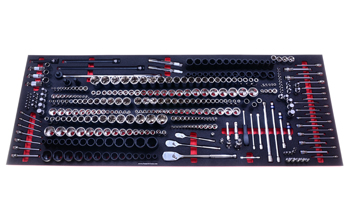
Use socket organizers like trays, racks, or foam inserts to keep sockets in place. Magnetic strips or drawer dividers also work well. These tools keep sockets visible, accessible, and prevent loss or damage.
Conclusion
Organizing socket sets by type saves time and reduces frustration. Group similar sockets together for quick access. Label containers or trays to find tools easily. Keep your workspace neat and safe from clutter. Regularly check and tidy your socket sets to stay efficient.
Simple steps create a system that works well daily. Stay consistent, and your tools will always be ready. A clean, organized space helps you focus on the task. Small efforts lead to big improvements in tool management.