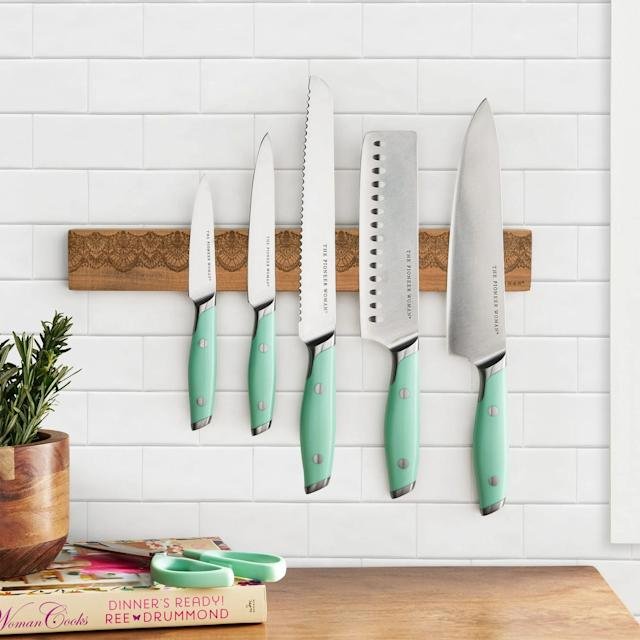
Are you tired of rummaging through a cluttered toolbox every time you need a utility knife? You’re not alone.
Many people find themselves overwhelmed by the sheer variety of utility knives they own, each designed for a specific purpose. But don’t worry; organizing your utility knives by type doesn’t have to be a daunting task. Imagine the satisfaction of reaching into your neatly arranged drawer and finding the exact knife you need in seconds.
In this guide, we’ll reveal simple yet effective strategies to help you categorize and store your utility knives, making your DIY projects and daily tasks smoother and more efficient. Get ready to transform your clutter into a perfectly organized collection that saves you time and hassle.
Credit: www.livingetc.com
Types Of Utility Knives
Utility knives come in different styles to fit many tasks. Knowing the types helps you pick the right knife for your work.
Each type has unique features and uses. Organizing your knives by type can make your workspace safer and more efficient.
Standard Utility Knives
Standard utility knives have a fixed blade that is sharp and strong. They are simple and good for general cutting jobs.
These knives are easy to use and hold well. They work well for cutting cardboard, plastic, and other materials.
Retractable Blades
Retractable utility knives have blades that slide in and out. This design keeps the blade safe when not in use.
They are popular for safety and convenience. You can adjust blade length depending on the job.
Folding Utility Knives
Folding utility knives fold the blade into the handle. This makes them compact and easy to carry.
These knives are good for people who need to keep knives in pockets or toolboxes safely.
Snap-off Blade Knives
Snap-off blade knives have segmented blades. You break off dull sections to get a fresh, sharp edge.
They are useful for long jobs where you need a sharp blade often. The blade lasts longer with less sharpening.
- Blade is divided into sections
- Snap off dull parts safely
- Good for precise, clean cuts
Electric Utility Knives
Electric utility knives use a motor to move the blade fast. This helps cut tough materials easily.
They reduce hand fatigue and improve cutting speed. These knives are good for large or repeated cutting tasks.
Credit: www.livingetc.com
Benefits Of Organizing Utility Knives
Organizing utility knives by type helps keep your tools in order. It makes your workspace safer and easier to use.
Knowing the benefits of organizing these knives can improve how you work and care for your tools.
Improved Safety
Storing utility knives by type reduces the risk of accidents. You can quickly find the right knife without searching blindly.
- Prevents cuts from reaching into cluttered drawers
- Keeps blades covered and secure
- Reduces chance of using the wrong knife
Enhanced Accessibility
When knives are grouped by type, you save time looking for the right one. This helps you work faster and stay focused.
| Knife Type | Common Use | Storage Method |
| Retractable Utility Knife | Cutting cardboard | Mounted rack |
| Fixed Blade Knife | Heavy-duty cutting | Sheath or holder |
| Precision Knife | Detail work | Small compartment |
Extended Blade Life
Organizing knives keeps blades safe and sharp longer. Proper storage prevents damage and dulling.
Tips to extend blade life:
- Keep blades dry and clean
- Store blades separately to avoid rubbing
- Replace blades regularly for best results
Workspace Efficiency
Organized knives help keep your workspace tidy. You waste less time searching and more time working.
- Clear work areas free of clutter
- Faster tool selection
- Improved project flow
Choosing The Right Storage Solutions
Utility knives come in many types and sizes. Organizing them well keeps your workspace safe and tidy.
Choosing the right storage solution helps you find the knife you need quickly. It also protects the blades and prevents accidents.
Wall-mounted Holders
Wall-mounted holders save space and keep knives visible. You can hang them near your work area for easy access.
These holders come in racks or slots to hold each knife securely. They help avoid clutter on your workbench.
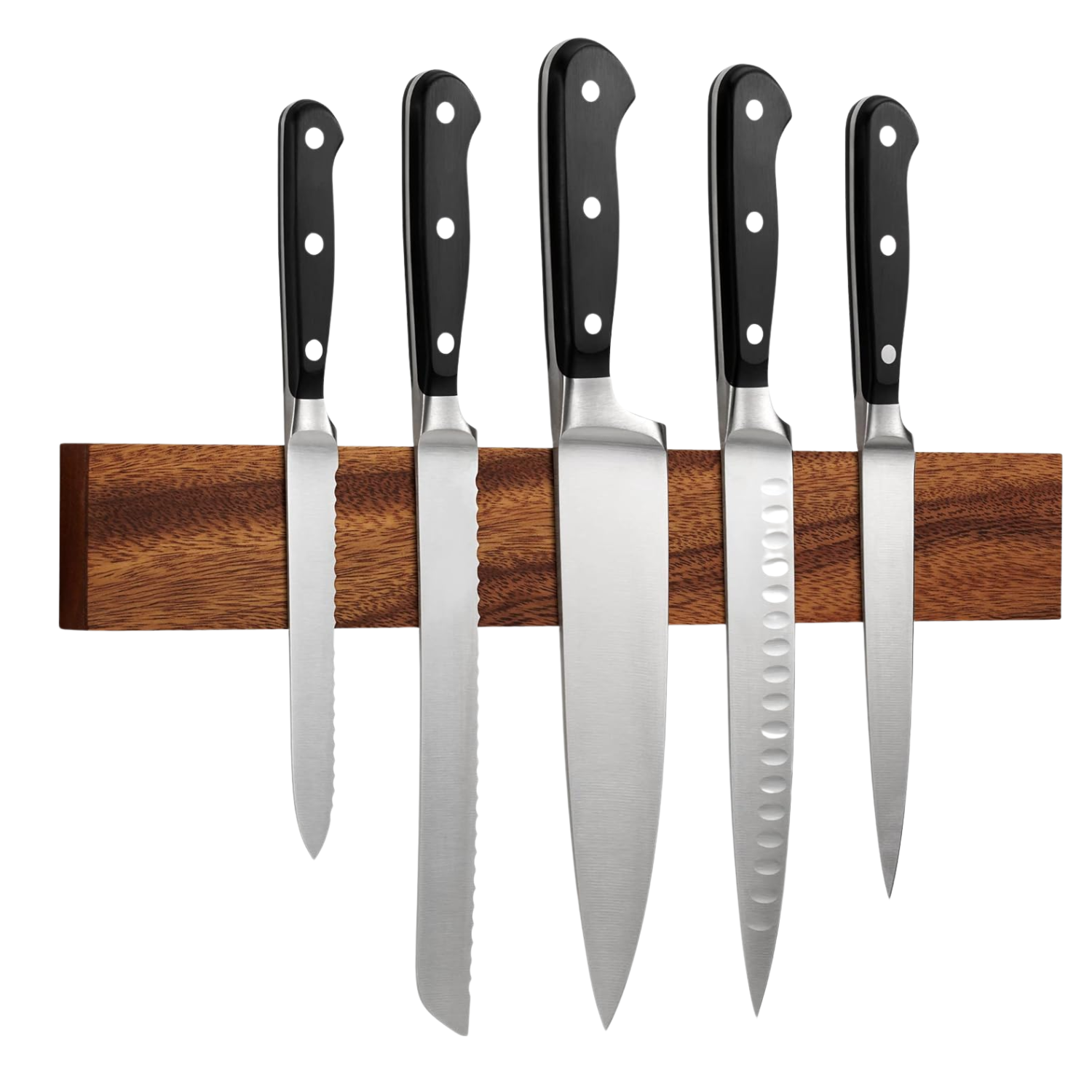
Magnetic Strips
Magnetic strips hold metal knives firmly on the wall. They keep blades off surfaces and reduce the risk of damage.
Place the strip in a safe spot to avoid accidental contact. It works best for knives with metal parts.
Toolboxes And Cases
Toolboxes and cases keep your utility knives together in one place. They protect knives during transport or storage.
Look for cases with compartments or padded sections. This prevents knives from moving and dulling their blades.
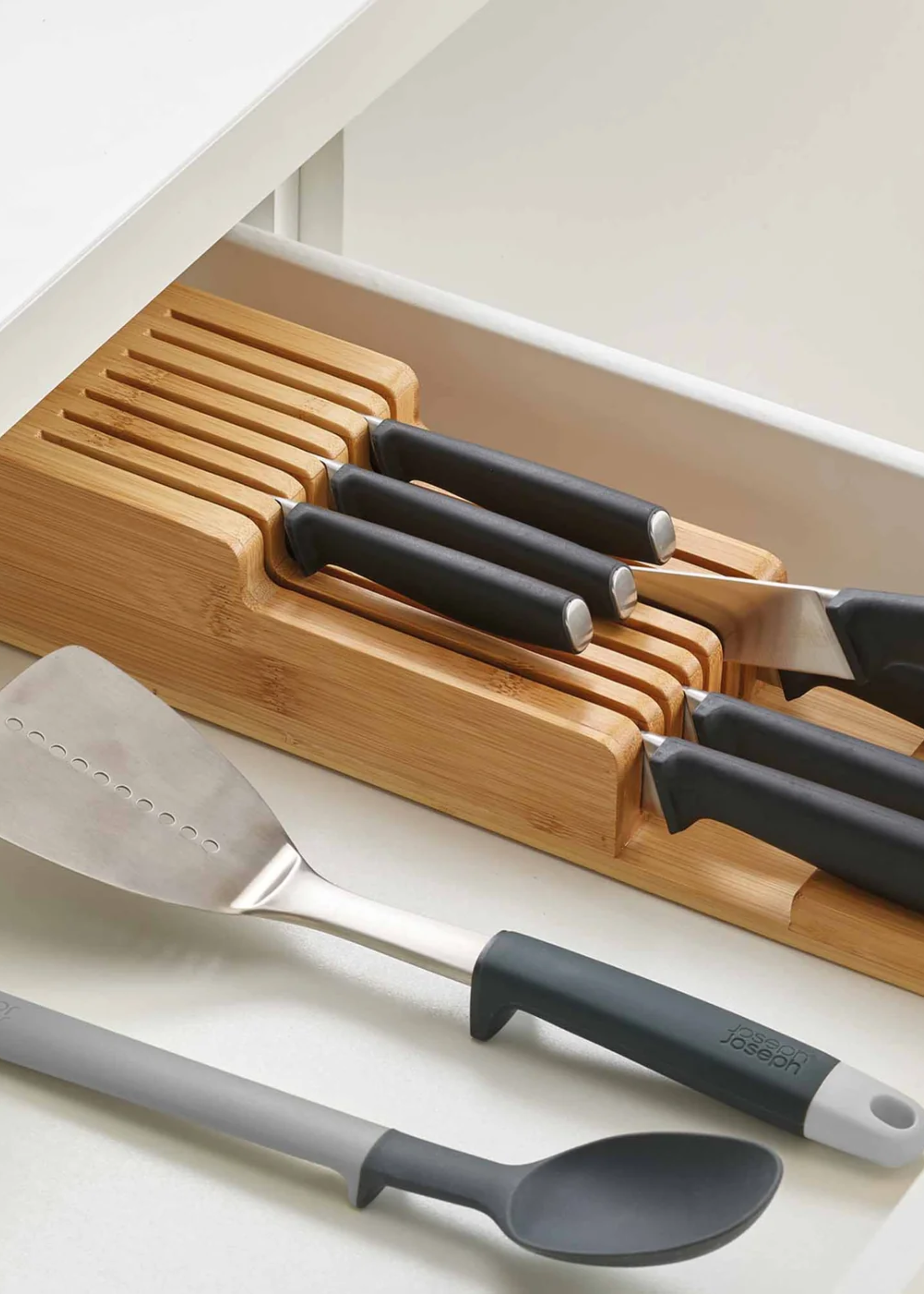
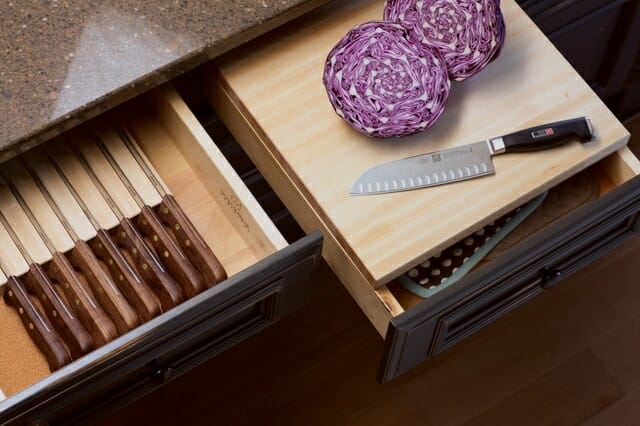
Drawer Organizers
Drawer organizers fit inside drawers to separate knives by type. They keep blades from touching and make knives easy to find.
Choose organizers with slots or dividers. This method works well for users with many small knives.
Custom Foam Inserts
Custom foam inserts hold knives securely in place. You can cut foam to fit each knife’s shape perfectly.
This option protects knives from damage and makes your collection look neat. It is ideal for high-value or specialty knives.
Credit: modernize.com
Organizing Knives By Type
Keeping utility knives organized makes your workspace safer and efficient. Sorting knives by type helps you find the right blade quickly.
This guide explains how to organize your utility knives by blade design, usage frequency, and labeling methods.
Sorting By Blade Design
Group knives based on the shape and size of their blades. Different blade designs serve different cutting needs.
| Blade Type | Description | Common Use |
| Straight Blade | Sharp and straight edge | General cutting |
| Hook Blade | Curved blade tip | Cutting linoleum or carpet |
| Rounded Tip | Blunt, rounded edge | Safety cutting tasks |
| Snap-off Blade | Segmented blade to snap off dull parts | Precision work |
Grouping By Usage Frequency
Keep your most-used knives within easy reach. Less frequently used knives can be stored separately.
- Place daily-use knives in a front drawer or magnetic strip
- Store backup or specialty knives in labeled boxes
- Use drawer dividers to separate groups by use
- Regularly review and remove unused knives
Labeling And Identification
Label your knives clearly to avoid confusion. Use tags, color codes, or markings on handles and storage areas.
- Use waterproof labels on knife handles
- Color-code knife holders for quick ID
- Mark blade types on storage compartments
Maintenance Tips For Utility Knives
Utility knives need care to last longer and work well. Regular maintenance keeps blades sharp and safe to use.
This guide covers cleaning, blade replacement, and storage for your utility knives.
Cleaning And Sharpening
Clean your utility knife after each use. Dirt and residue can dull the blade and cause rust. Use warm water and a mild soap to wash the blade and handle. Dry it thoroughly to avoid moisture buildup.
- Wipe blade with a clean cloth after cleaning
- Use a sharpening stone or tool to keep the blade sharp
- Sharpen the blade at a 20-degree angle for best results
- Test blade sharpness on scrap material before use
Safe Blade Replacement
Replacing blades safely prevents injuries. Always wear gloves during blade changes. Use the knife’s release mechanism to avoid direct contact with the blade.
- Slide the old blade out carefully
- Insert the new blade firmly into the holder
- Check that the blade locks in place securely
- Dispose of old blades in a blade-safe container
Storage Environment Considerations
Store utility knives in a dry, cool place. Avoid humid areas to stop rust and corrosion. Keep knives away from children and pets for safety.
| Storage Tip | Reason |
|---|---|
| Use a blade guard or sheath | Protects blade and prevents accidents |
| Store knives upright or in a case | Keeps blades from dulling or damage |
| Avoid direct sunlight | Prevents handle damage and warping |
| Keep away from moisture | Stops rust and blade corrosion |
Diy Utility Knife Storage Ideas
Utility knives come in many shapes and sizes. Organizing them by type keeps your workspace safe and tidy.
Try different storage ideas to find what fits your tools and space best.
Repurposed Household Items
Use items around your home to store utility knives without buying extra tools.
- Old magnetic strips can hold metal blades securely.
- Glass jars or tins keep knives visible and easy to grab.
- Cutlery trays work well to separate knife types by size.
- Ice cube trays are perfect for small knife parts and blades.
Custom Wooden Racks
Build racks from wood to fit your utility knives exactly. This keeps tools organized and easy to access.
| Knife Type | Slot Size (Inches) | Rack Feature |
|---|---|---|
| Standard Utility | 3 | Slotted vertical holders |
| Retractable Blade | 4 | Horizontal grooves with stop |
| Hook Blade | 2.5 | Hook-shaped cutouts for grip |
| Precision Knife | 1.5 | Small compartments with foam lining |
Portable Storage Solutions
For moving between jobs or rooms, portable storage helps keep knives safe and sorted.
- Tool rolls with pockets prevent blades from rubbing.
- Small plastic cases can hold sets by type and size.
- Magnetic strips inside carrying boxes keep knives secure.
- Clear pouches let you see knives without opening them.
Common Mistakes To Avoid
Organizing utility knives by type keeps your tools easy to find. Avoid mistakes that cause clutter or danger. Simple tips help keep your workspace safe and tidy.
Learn what to watch out for when storing and caring for your utility knives. Fixing these errors saves time and prevents accidents.
Overcrowding Storage Spaces
Putting too many knives in one space causes damage and makes it hard to find the right tool. Overcrowding also increases the risk of cuts when reaching inside.
- Use separate compartments for each knife type
- Keep blades from touching to avoid dulling
- Label storage areas to find knives quickly
- Remove old or unused knives to free space
Ignoring Safety Protocols
Not following safety rules can cause serious injuries. Always store knives with blade covers or in sheaths. Keep knives out of reach of children.
| Safety Tip | Reason |
| Use blade guards | Prevents accidental cuts |
| Store knives vertically | Reduces blade damage |
| Keep knives away from children | Avoids accidents |
| Do not leave knives loose in drawers | Reduces risk of injury |
Neglecting Regular Maintenance
Utility knives need care to work well and last long. Ignore cleaning and sharpening, and your knives become dull and unsafe.
- Clean knives after each use to remove dirt
- Sharpen blades regularly for safe cutting
- Check handles for cracks or looseness
- Replace blades when worn or damaged
Frequently Asked Questions
What Are The Main Types Of Utility Knives?
Utility knives include retractable, fixed blade, folding, and specialty knives. Each serves different cutting tasks and materials. Organizing by type helps easy access and improves safety.
How To Store Utility Knives Safely?
Store utility knives in dedicated holders or cases. Use blade covers and label compartments clearly. This prevents accidents and keeps knives organized for quick use.
Why Organize Utility Knives By Type?
Organizing by type saves time and reduces blade damage. It ensures you grab the right knife quickly for specific tasks. It also enhances workspace safety and efficiency.
What Materials Help In Organizing Utility Knives?
Use magnetic strips, wall-mounted racks, and drawer inserts. These materials hold knives securely and keep them visible. Choose based on your workspace size and knife collection.
Conclusion
Organizing utility knives by type makes work easier and safer. Each knife has its own place. This helps find the right tool quickly. It also keeps your workspace neat and tidy. Sorting knives prevents accidents and blade damage. Use simple containers or racks to separate types.
Label each section clearly for quick access. Keep knives clean and dry before storing. Regularly check and sharpen blades for best use. Good organization saves time and reduces stress. Try these tips and notice the difference today.