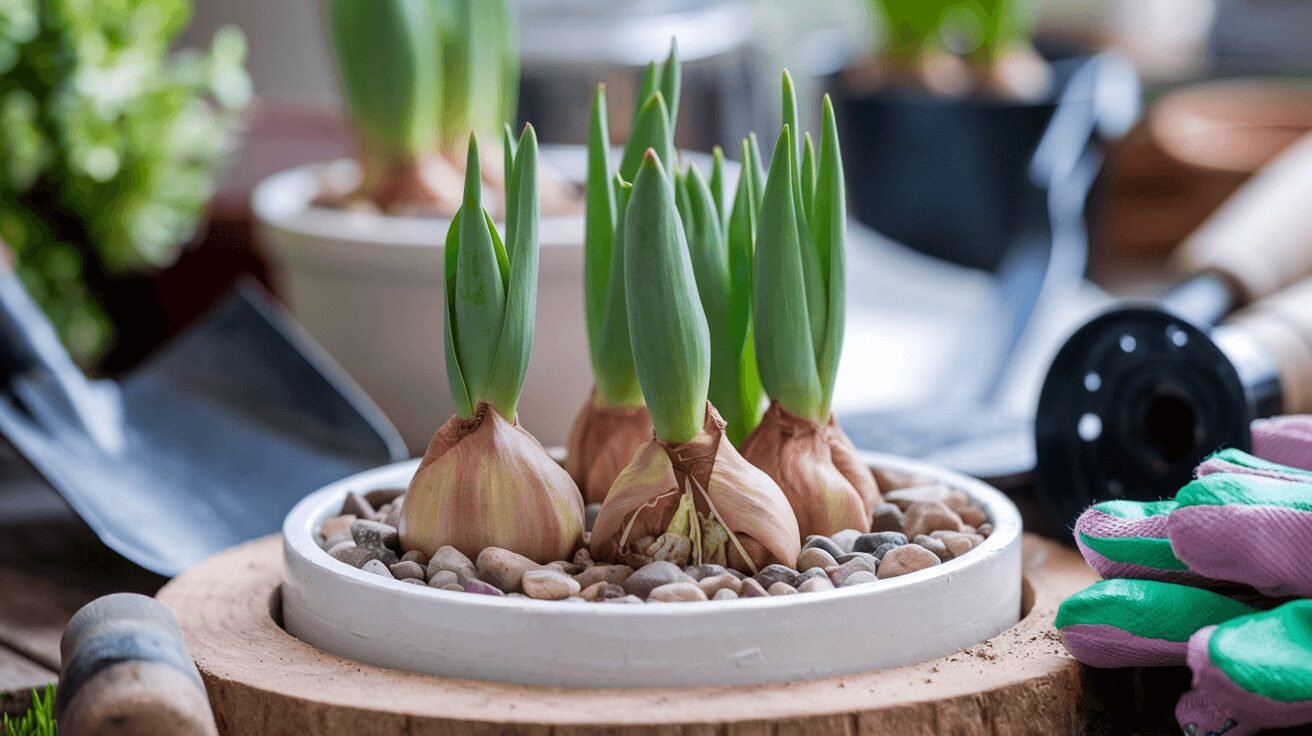
Planting bulbs can transform your garden into a vibrant display of color, but achieving that perfect, even look requires a bit of know-how. If you’ve ever felt frustrated by uneven rows or clumps of flowers that don’t quite match your vision, you’re not alone.
Many gardeners struggle with this, but the solution is simpler than you might think. By learning how to plant bulbs evenly in rows, you can create a stunning garden that looks like it was designed by a professional. This guide will walk you through the steps, helping you avoid common pitfalls and ensuring your garden blooms beautifully every season.
Ready to discover the secrets to a picture-perfect garden? Let’s dig in!

Credit: www.yahoo.com
Choosing The Right Bulbs
Planting bulbs in even rows makes your garden look neat and tidy. Picking the right bulbs helps bulbs grow well and bloom beautifully.
Different bulbs suit different garden styles and climates. Choose bulbs that match your needs for the best results.
Best Bulbs For Row Planting
Some bulbs grow best when planted in straight rows. These bulbs have similar sizes and blooming times.
- Tulips: They come in many colors and bloom in spring.
- Daffodils: Bright yellow flowers that spread well.
- Hyacinths: Fragrant flowers that add nice scent.
- Crocuses: Early bloomers that look great in rows.
Seasonal Considerations
Plant bulbs based on the season to help them grow strong. Some bulbs need cold weather to bloom.
Spring bulbs like tulips and daffodils need to be planted in fall. Summer bulbs, like lilies, go in spring.
- Fall planting: Tulips, Daffodils, Crocuses
- Spring planting: Lilies, Gladiolus
- Check local frost dates for best timing
Bulb Size And Quality
Choose large and healthy bulbs for better blooms. Small or damaged bulbs may not grow well.
Look for firm bulbs without soft spots or mold. Bigger bulbs usually produce bigger flowers.
- Firm texture without bruises
- No signs of mold or rot
- Choose bulbs with a healthy root base
- Bigger bulbs give stronger plants

Credit: urbangreenguide.com
Preparing The Soil
Good soil is the base for planting bulbs evenly in rows. Preparing the soil well helps bulbs grow strong roots.
Start by checking the soil and making it ready for planting. This guide covers key steps to prepare your soil.
Soil Type And Drainage
Bulbs need loose, well-draining soil to avoid rotting. Clay soils hold water and can harm bulbs.
Sandy or loamy soils work best. You can improve drainage by adding materials that help water flow.
- Test soil by digging a small hole and filling it with water.
- If water drains in less than 2 hours, drainage is good.
- For slow drainage, mix in sand or compost to loosen soil.
Adding Nutrients
Soil needs nutrients for bulbs to grow healthy flowers. Adding fertilizer or compost gives the soil extra food.
| Nutrient | Source | Benefit |
| Nitrogen | Compost, manure | Supports leaf growth |
| Phosphorus | Bone meal, rock phosphate | Helps root development |
| Potassium | Wood ash, potash | Boosts flower and bulb strength |
Mix nutrients evenly into the soil before planting bulbs. Avoid over-fertilizing, which can damage bulbs.
Clearing Debris
Remove rocks, weeds, and old roots from the planting area. Debris blocks bulb growth and rows may not be even.
- Pull out weeds by hand or use a hoe.
- Clear stones and sticks from the soil surface.
- Break up large clumps of dirt to create a smooth bed.
Planning Your Layout
Planting bulbs evenly in rows helps your garden look neat and healthy. Good planning makes it easier to space bulbs correctly.
Start by measuring and marking your garden area. This will guide you to plant bulbs in straight lines and equal distances.
Measuring Row Spacing
Decide how far apart each row of bulbs should be. This depends on the type of bulbs and the space you have.
Use a tape measure or yardstick to mark the distance between rows. Keep rows straight for a tidy look.
- Most bulbs need 6 to 12 inches between rows
- Larger bulbs may require more space
- Use stakes and string to mark rows clearly
Spacing Between Bulbs
Space bulbs within each row so they have room to grow. Crowded bulbs may not bloom well.
Follow planting guides for each bulb type. Measure the distance and mark spots for planting.
- Small bulbs need about 2 to 3 inches apart
- Medium bulbs need 4 to 6 inches apart
- Large bulbs need 6 to 8 inches apart
Using Templates And Markers
Templates and markers help keep your bulbs evenly spaced. You can make simple tools at home.
Use wooden boards with holes or sticks to mark planting spots. This saves time and improves accuracy.
- Cut a board with holes spaced for your bulb size
- Push the board into soil to mark spots
- Use string between stakes to keep rows straight
- Place small flags or stones to mark bulbs’ spots
Planting Techniques
Planting bulbs evenly in rows helps your garden look neat and organized. It also ensures bulbs have enough space to grow strong roots.
Using correct planting techniques improves bulb growth and flower quality. This guide explains key tips for planting bulbs in rows.
Depth Guidelines
Plant bulbs at the right depth to protect them from weather and pests. Most bulbs need to be 2 to 3 times as deep as their height.
Planting too shallow can dry out bulbs. Too deep can stop sprouting. Use a ruler or stick to measure the hole depth.
- Small bulbs: 2 to 3 inches deep
- Medium bulbs: 4 to 6 inches deep
- Large bulbs: 6 to 8 inches deep
Angle And Orientation
Plant bulbs with their pointed end facing up. This helps shoots grow straight towards the surface.
Place bulbs in rows with equal spacing between each one. Keep the same angle for all bulbs for uniform growth.
- Pointed end up, flat end down
- Space bulbs 3 to 6 inches apart
- Keep rows straight using a string line
Watering After Planting
Water bulbs right after planting to settle the soil around them. This helps roots start growing faster.
Keep the soil moist but not soggy during the growing season. Avoid overwatering to prevent bulb rot.
- Water immediately after planting
- Water deeply once a week if dry
- Check soil moisture regularly
Maintaining Even Rows
Planting bulbs in even rows creates a neat and beautiful garden. Careful planning and regular care help keep rows straight and healthy. This guide covers key tasks for maintaining even rows after planting.
Regular attention to your bulbs ensures they grow well and your garden looks tidy. Use these tips to protect and support your bulbs through the growing season.
Regular Inspection
Check your bulb rows often to spot any problems early. Look for uneven growth, signs of disease, or damage from weather. Correcting issues quickly keeps rows straight and plants healthy.
- Walk along the rows to observe plant spacing
- Look for bulbs that are leaning or out of line
- Remove any damaged or weak plants
- Note any pests or fungal spots on leaves
Weeding And Mulching
Weeds compete with bulbs for water and nutrients. Remove weeds regularly to keep rows clear. Mulching helps reduce weed growth and keeps soil moist.
| Task | Benefit |
| Remove weeds weekly | Prevents crowding and nutrient loss |
| Apply 2-inch mulch layer | Retains moisture and controls weeds |
| Use organic mulch | Improves soil as it breaks down |
Protecting Bulbs From Pests
Pests can damage bulbs and spoil your rows. Use safe methods to keep pests away without harming plants.
- Cover bulbs with garden netting if needed
- Use natural pest repellents like garlic spray
- Encourage helpful insects such as ladybugs
- Remove fallen leaves that can harbor pests
Troubleshooting Common Issues
Planting bulbs evenly in rows can sometimes cause problems. These problems affect growth and the overall look of your garden.
Knowing what causes these issues helps fix them faster. Below are common problems and ways to solve them.
Uneven Growth Causes
Uneven growth happens when bulbs do not get the same care or conditions. Some bulbs may grow tall while others stay small.
- Plant bulbs at the wrong depth
- Unequal spacing between bulbs
- Inconsistent watering
- Variations in sunlight
- Pests or disease affecting some bulbs only
To avoid uneven growth, use a measuring tool to space bulbs evenly. Water all bulbs the same amount and check for pests regularly.
Dealing With Poor Germination
Poor germination means few bulbs sprout after planting. This reduces the number of flowers in your rows.
| Cause | Solution |
| Old or damaged bulbs | Buy fresh bulbs from a trusted source |
| Planting too deep or too shallow | Follow planting depth guidelines on the bulb package |
| Soil too dry or too wet | Keep soil moist but not soaked |
| Cold or warm soil temperatures | Plant bulbs when soil temperature is right for the bulb type |
Check bulbs before planting and handle them gently. Adjust watering and soil conditions to help bulbs sprout well.
Adjusting For Soil Variations
Soil varies in texture and nutrients. Some soil may drain well, while others hold too much water.
Use this simple checklist to adjust soil for bulb planting:
- Test soil drainage by digging a hole and filling it with water. It should drain in 1-2 hours.
- Mix sand into heavy clay soil to improve drainage.
- Add organic matter like compost to sandy soil to hold moisture.
- Check soil pH and use lime or sulfur to adjust if needed.
- Remove large stones and debris before planting.
Good soil helps bulbs grow evenly and strong. Adjust soil before planting to give bulbs the best start.
Credit: practicalselfreliance.com
Frequently Asked Questions
How Deep Should I Plant Bulbs In Rows?
Plant bulbs at a depth three times their height. This protects them from frost and encourages strong root growth. Proper depth ensures healthy blooms and long-lasting plants.
What Spacing Is Ideal Between Bulbs In Rows?
Space bulbs about 3 to 6 inches apart. Proper spacing allows bulbs enough room to grow. It prevents overcrowding and improves air circulation, reducing disease risks.
How Do I Ensure Straight Rows When Planting Bulbs?
Use a string line or garden hose as a guide. Mark equal intervals along the line to keep spacing consistent. This method helps plant bulbs evenly and creates a neat garden appearance.
Can I Plant Different Bulbs Together In The Same Row?
Yes, but choose bulbs with similar growth habits. Mixing bulbs with different bloom times adds continuous color. Ensure compatible depth and spacing for all bulb types.
Conclusion
Planting bulbs evenly in rows makes your garden look neat and bright. Using simple tools helps keep the spacing right. Taking time to measure and mark spots saves effort later. Your flowers will grow strong and healthy this way. Enjoy watching your colorful garden bloom year after year.
Small steps bring big beauty to your outdoor space. Keep practicing these easy tips for better results. Gardening can be fun and rewarding for everyone.