Do you have a shaded garden that seems to resist your green thumb? You’re not alone.
Many gardeners face the challenge of bringing life to those shadowy corners of their outdoor spaces. But don’t worry—there’s a bright side. Planting bulbs in shaded areas isn’t just possible; it can transform your garden into a hidden oasis of color and texture.
Imagine stepping outside to find vibrant blooms where you least expect them. This guide will show you how to make it happen, turning those tricky spots into your garden’s best-kept secret. Ready to unlock the magic of shade gardening? Let’s get started!
Choosing Bulbs For Shade
Planting bulbs in shaded areas needs special care. Not all bulbs grow well without much sunlight.
Choosing the right bulbs helps your garden stay bright and colorful in the shade.
Best Bulb Varieties
Some bulbs do well in low light. These bulbs bloom nicely without full sun.
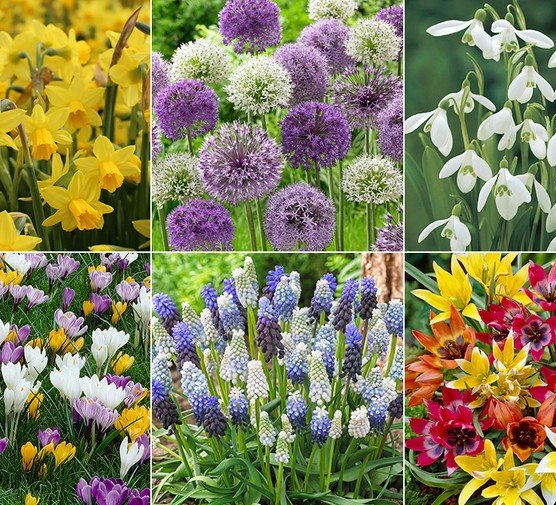
- Snowdrops – small white flowers that appear early in spring.
- Bluebells – blue flowers that grow in woodlands and shaded spots.
- Daffodils – many types tolerate partial shade and bloom bright yellow.
- Crocus – early spring flowers that can grow under trees.
- Fritillaria – unique bell-shaped flowers that like shade.
Shade Tolerance Factors
Several things affect how well bulbs grow in shade. Knowing these helps you pick the best bulbs.
| Factor | Effect on Bulbs |
|---|---|
| Light Level | Bulbs need some light to bloom well. Deep shade may reduce flowers. |
| Soil Moisture | Shade keeps soil moist longer. Choose bulbs that like damp soil. |
| Soil Type | Well-drained soil prevents bulb rot in shady areas. |
| Temperature | Shade can keep bulbs cooler, which some bulbs prefer. |
| Leaf Cover | Fallen leaves can block light and air. Keep area clear for bulbs. |

Credit: www.gardenersworld.com
Preparing The Soil
Planting bulbs in shaded areas needs special soil care. Good soil helps bulbs grow strong roots.
Before planting, prepare the soil well. This makes sure bulbs get enough nutrients and water.
Soil Testing And Improvement
Test the soil to know its pH and nutrients. Bulbs like soil that is slightly acidic to neutral.
Improve soil by adding organic matter like compost. This makes soil loose and rich in nutrients.
- Collect soil samples from different spots
- Use a soil test kit or send samples to a lab
- Add compost or aged manure if soil is poor
- Adjust pH with lime or sulfur if needed
- Mix improvements well into the top 6-8 inches
Drainage Solutions
Good drainage stops bulbs from sitting in water. Bulbs can rot if soil holds too much moisture.
Fix drainage by loosening soil and adding materials that help water flow. Raised beds work well too.
- Mix sand or fine gravel into clay soil
- Create raised beds to lift bulbs above wet ground
- Check that water moves away from planting spots
- Avoid compacted soil by digging and turning it
Planting Techniques
Planting bulbs in shaded areas needs care and the right methods. Bulbs can grow well if you follow good planting techniques. This guide helps you plant bulbs so they thrive in low light.
Understanding how deep and how far apart to plant bulbs is key. These steps will give your bulbs room to grow strong roots and healthy shoots in shade.
Optimal Planting Depth
Plant bulbs at a depth about two to three times their height. This protects them from cold and helps roots reach moisture. Shaded soil is usually cooler and damper, so planting at the right depth keeps bulbs safe.
- Small bulbs: plant 3 to 4 inches deep.
- Medium bulbs: plant 4 to 6 inches deep.
- Large bulbs: plant 6 to 8 inches deep.
- Cover bulbs with loose soil for good drainage.
Spacing Tips
Proper spacing helps bulbs get enough air and nutrients. Crowded bulbs may not bloom well in shade. Leave enough room for growth and easy digging later.
| Bulb Size | Recommended Spacing |
| Small (e.g., crocus) | 2 to 3 inches apart |
| Medium (e.g., tulip) | 4 to 6 inches apart |
| Large (e.g., daffodil) | 6 to 8 inches apart |

Credit: www.gardenersworld.com
Watering And Fertilizing
Planting bulbs in shaded areas needs special care with water and nutrients. Proper watering and fertilizing help bulbs grow strong and healthy.
In shaded spots, bulbs may get less sun and dry out slower. Knowing the right watering and fertilizing methods will improve their growth.
Watering Schedules
Bulbs in shade need less water than those in full sun. Water them deeply but less often to keep soil moist without waterlogging.
- Check soil moisture before watering.
- Water once a week during dry spells.
- Avoid watering in the evening to reduce mold risks.
- Use drip irrigation or soaker hoses for gentle watering.
- Mulch soil to retain moisture longer.
Choosing The Right Fertilizer
Bulbs need nutrients to bloom well. Choose fertilizers with the right balance of nitrogen, phosphorus, and potassium.
| Fertilizer Type | Nitrogen (N) | Phosphorus (P) | Potassium (K) | Use |
| Bulb Booster | 5% | 10% | 5% | Encourages strong roots and flowers |
| Balanced Fertilizer | 10% | 10% | 10% | General growth support |
| Low Nitrogen | 3% | 12% | 12% | Prevents excess leaf growth |
Maintaining Bulbs In Shade
Growing bulbs in shaded areas requires special care. Bulbs need proper maintenance to thrive without full sun. Attention to pests and diseases helps keep plants healthy.
Mulching also plays a key role in supporting bulbs. It helps control moisture and soil temperature. Let’s explore how to care for bulbs in shade.
Pest And Disease Control
Shade can increase moisture, attracting pests and diseases. Watch bulbs closely for signs of trouble. Early action prevents damage and keeps plants strong.
- Inspect leaves and stems for spots or holes.
- Remove dead or infected parts immediately.
- Use natural pest repellents like neem oil.
- Keep the area clean by removing fallen leaves.
- Avoid overhead watering to reduce fungal growth.
Mulching Benefits
Mulch protects bulbs by keeping soil cool and moist. It also stops weeds from growing and competing for nutrients. Choose the right mulch for shaded bulbs.
| Mulch Type | Benefit | Notes |
| Shredded Leaves | Improves soil structure | Use dry leaves to avoid mold |
| Wood Chips | Prevents weeds | Apply 2-3 inches deep |
| Straw | Keeps moisture | Replace annually |
| Compost | Adds nutrients | Mix lightly with soil |
Seasonal Care Tips
Planting bulbs in shaded areas needs special care during the seasons. Proper attention helps bulbs survive and bloom well.
Follow these seasonal tips to keep your bulbs healthy and ready for the next growing season.
Preparing For Dormancy
As the growing season ends, bulbs enter dormancy. This period is important for their rest and future growth.
- Allow foliage to die back naturally to feed the bulbs.
- Keep the soil moist but avoid waterlogging.
- Remove dead leaves and debris to prevent pests.
- Apply a light mulch to protect bulbs from cold in shaded spots.
Encouraging Next Season’s Growth
After dormancy, bulbs need good care to bloom again. Use the right feeding and soil care techniques.
| Care Action | Details |
| Fertilizing | Use a balanced, low-nitrogen fertilizer early spring |
| Watering | Keep soil moist but not soaked during growth |
| Soil | Loosen soil around bulbs to improve air and water flow |
| Light | Trim overhead branches to allow dappled sunlight |
Credit: www.gardeningknowhow.com
Frequently Asked Questions
What Bulbs Grow Best In Shaded Garden Areas?
Bulbs like snowdrops, bluebells, and crocuses thrive in shade. These bulbs tolerate low light and bloom beautifully under trees or shrubs, adding color to shaded gardens.
How Deep Should I Plant Bulbs In Shade?
Plant bulbs two to three times their height deep. This depth protects bulbs from temperature changes and ensures proper root development in shaded soil.
Can Bulbs Bloom Without Direct Sunlight?
Yes, many bulbs bloom well in partial or full shade. They adapt to lower light and still produce vibrant flowers, making shaded planting successful.
When Is The Best Time To Plant Bulbs In Shade?
Plant bulbs in early fall before the ground freezes. This timing allows roots to establish during cool soil conditions, promoting healthy growth in shaded areas.
Conclusion
Planting bulbs in shaded areas can bring beauty to hidden spots. Choose bulbs that grow well without much sun. Prepare the soil to stay loose and moist. Plant bulbs at the right depth for best growth. Water them gently after planting to help roots form.
Watch as colorful flowers brighten your shady garden. With some care, even shaded spots can bloom beautifully. Start planting today and enjoy nature’s quiet surprises.