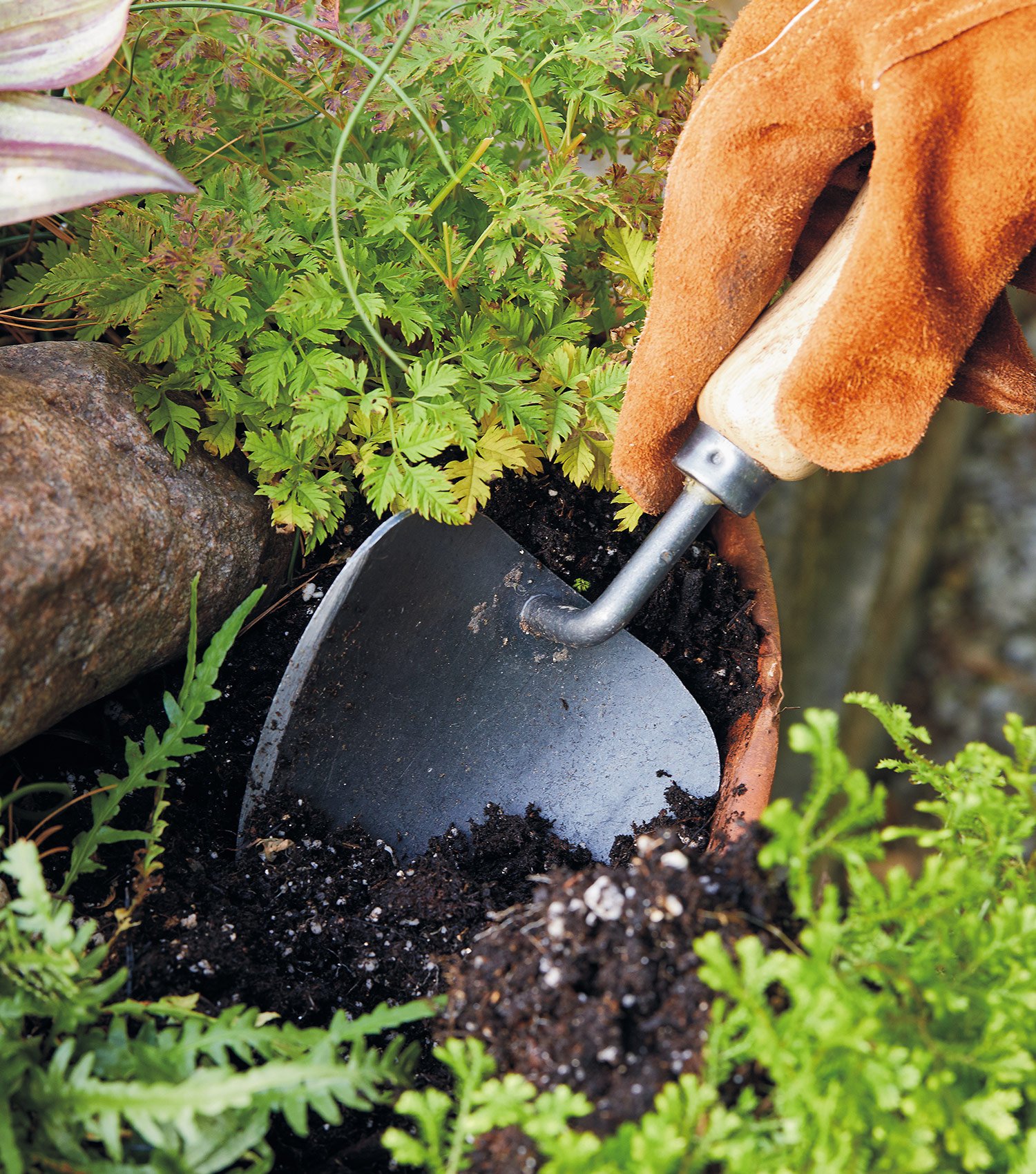
Imagine transforming your garden into a stunning tapestry of vibrant colors with just a little effort. Planting bulbs is an easy and rewarding way to achieve this, and you don’t need to be a gardening expert to get started.
With a simple tool like a hand trowel, you can unlock the secret to a flourishing garden that will have your neighbors talking. But why a hand trowel, you ask? This tool is not just for the pros; it’s perfect for you too.
Its precision and simplicity make bulb planting a breeze, allowing you to get up close and personal with your garden. As you dig into the soil, you’ll feel a sense of connection to nature that is deeply satisfying. In this guide, we’ll walk you through the straightforward steps to plant bulbs with a hand trowel. You’ll discover tips and tricks that will make your garden the envy of the neighborhood. Get ready to transform your outdoor space into a breathtaking masterpiece that you can proudly call your own. Keep reading to find out how!
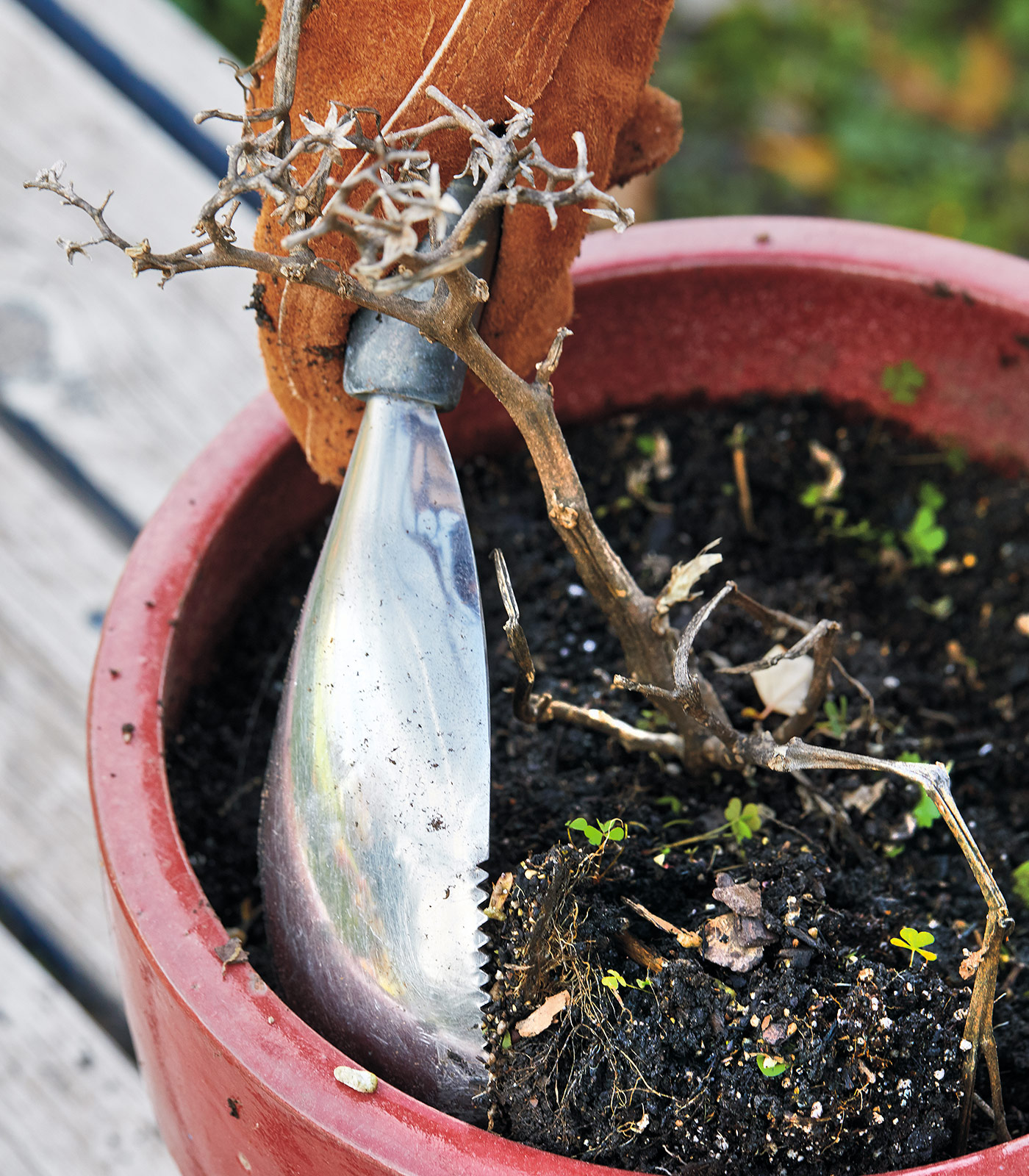
Credit: www.gardengatemagazine.com
Choosing The Right Bulbs
Choosing the right bulbs is key to a beautiful garden. Bulbs must suit your area and soil. Picking healthy bulbs helps plants grow strong. Knowing bloom times keeps your garden colorful longer.
This guide covers how to select bulbs for your climate, pick healthy ones, and plan by blooming time.
Select Bulbs For Your Climate
Bulbs grow best in climates they like. Some bulbs need cold winters to bloom well. Others prefer warmer places. Check your zone before buying bulbs.
- Tulips and daffodils grow well in cold zones.
- Gladiolus and dahlias like warm zones.
- Crocus bulbs can handle both cold and mild climates.
Pick Healthy Bulbs
Healthy bulbs give you better flowers. Look for bulbs that are firm and plump. Avoid bulbs with soft spots or mold. Check the outer skin for damage.
| Bulb Condition | What to Look For | What to Avoid |
|---|---|---|
| Firmness | Bulb feels firm when squeezed | Soft or mushy spots |
| Skin | Dry, papery outer layer | Peeling or cracked skin |
| Color | Uniform color, no dark patches | Discoloration or mold |
Consider Blooming Time
Bulbs bloom at different times. Plan your garden to have flowers all season. Early bloomers brighten spring. Late bloomers add color in summer or fall.
- Early bloomers: Crocus, Snowdrops
- Mid-season: Tulips, Daffodils
- Late bloomers: Lilies, Gladiolus
Preparing The Soil
Planting bulbs needs good soil preparation. Healthy soil helps bulbs grow strong roots. It also improves water drainage and air flow.
Follow these steps to get your soil ready with a hand trowel. Proper preparation gives your bulbs the best start.
Clear The Planting Area
Remove all weeds, stones, and old plant debris from the area. This clears space for the bulbs to grow. It also stops weeds from competing for nutrients.
Loosen Soil With A Hand Trowel
Use your hand trowel to dig and turn over the soil. Loosen it to a depth of about 8 inches. This makes room for bulb roots to spread easily.
- Break up large clumps of soil
- Remove rocks and hard pieces
- Make the soil crumbly and soft
- Check for good drainage by observing water flow
Add Fertilizer Or Compost
Adding nutrients helps bulbs grow healthy and bloom well. Mix fertilizer or compost into the soil after loosening it.
| Type | Benefits | How to Use |
| Compost | Improves soil texture and adds nutrients | Mix 2–3 inches into topsoil |
| Bulb Fertilizer | Provides phosphorus for strong roots and flowers | Apply as directed on package and mix well |
| Organic Matter | Enhances moisture retention and soil life | Incorporate evenly into soil before planting |
Using The Hand Trowel
A hand trowel is a small tool that helps you dig holes for planting bulbs. It makes planting easier and faster.
Using the right technique with a hand trowel helps your bulbs grow strong and healthy. Let’s see how to use it well.
Dig The Proper Depth
Digging the correct depth is important for bulb growth. Too shallow or too deep can harm the bulbs.
Use the hand trowel to dig a hole about two to three times the height of the bulb. This gives the bulb enough space to grow roots.
Create Space Between Bulbs
Bulbs need space to grow well. Crowded bulbs can cause weak flowers and poor growth.
- Leave at least two to three inches between bulbs
- Use the hand trowel to clear soil between holes
- Space helps roots spread and bulbs get enough nutrients
Handle Bulbs Carefully
Bulbs are delicate and need gentle handling. Rough handling can damage them and stop growth.
Hold bulbs by the sides, not the tip or roots. Use the trowel to place bulbs gently into the hole without forcing them.
Planting The Bulbs
Planting bulbs with a hand trowel is simple and rewarding. Proper planting helps bulbs grow strong flowers.
Follow these steps to plant bulbs correctly and give them the best start.
Position Bulbs Correctly
Place bulbs with the pointed end facing up. The roots grow from the bottom.
Plant bulbs at the right depth. Usually, it is about two to three times the bulb’s height.
- Pointed end faces up
- Flat or rounded end faces down
- Plant bulbs two to three times their height deep
Cover With Soil
Fill the hole with soil after placing the bulb. Cover it completely to protect it from cold and pests.
Use the hand trowel to add soil gently around the bulb. Avoid damaging it while covering.
Firm The Soil Gently
Press the soil lightly with your hands or the back of the trowel. This removes air pockets around the bulb.
Firm soil helps bulbs stay in place and grow roots better. Do not press too hard to avoid crushing the bulb.
Watering And Mulching
Planting bulbs with a hand trowel needs careful watering and mulching. These steps help bulbs grow strong roots.
Water and mulch protect bulbs from dry soil and cold weather. They keep the soil healthy and moist.
Water After Planting
After planting bulbs, water the soil well. Water helps the bulbs settle and start growing roots.
Use enough water to soak the soil deeply but avoid flooding. This keeps the soil moist and supports root growth.
Apply Mulch For Protection
Put a layer of mulch over the planted bulbs. Mulch shields bulbs from cold temperatures and stops weeds.
Use organic mulch like shredded leaves, straw, or bark. Spread about 2 to 3 inches thick for best results.
- Protects bulbs from frost damage
- Prevents soil drying out too fast
- Keeps weeds from competing with bulbs
Maintain Moisture Levels
Check soil moisture regularly to keep bulbs healthy. Soil should be damp but not soggy.
If soil feels dry, water lightly. Avoid overwatering, which can cause bulbs to rot.
- Feel soil with your fingers
- Water only when top inch is dry
- Keep mulch in place to hold moisture
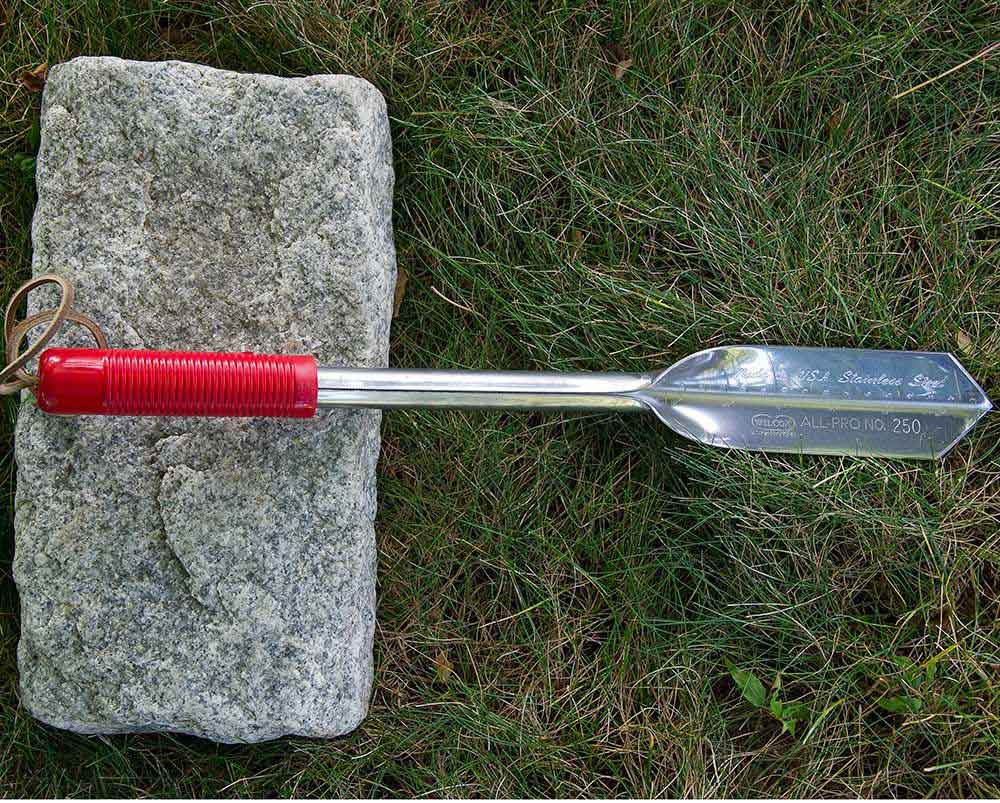
Credit: www.whiteflowerfarm.com
Caring For Bulbs After Planting
Planting bulbs with a hand trowel is the first step to a beautiful garden. After planting, caring for bulbs is important for healthy growth and blooms.
Good care helps bulbs stay strong and ready to bloom next season.
Monitor Growth
Check your bulbs regularly as they start to sprout. Watching growth helps you spot any problems early.
Look for green shoots pushing through the soil and note their progress each week.
- Water bulbs if the soil feels dry
- Remove weeds that compete for nutrients
- Note any unusual spots or damage on leaves
Protect From Pests
Pests like insects and animals can harm bulbs or young shoots. Protect your plants to keep them safe.
Use natural methods to keep pests away without chemicals.
- Cover bulbs with netting to stop animals
- Plant pest-repellent flowers nearby
- Handpick insects like slugs or beetles
- Keep garden clean to reduce hiding spots
Prepare For Next Season
After bulbs bloom, their leaves need care to store energy for next year. Let leaves die back naturally before removing them.
Dig up bulbs only if needed and store them in a cool, dry place. Otherwise, leave them in the soil.
- Water bulbs lightly after flowering
- Remove dead leaves only when fully brown
- Dig and store bulbs in autumn if crowded
- Plant bulbs in well-prepared soil next season
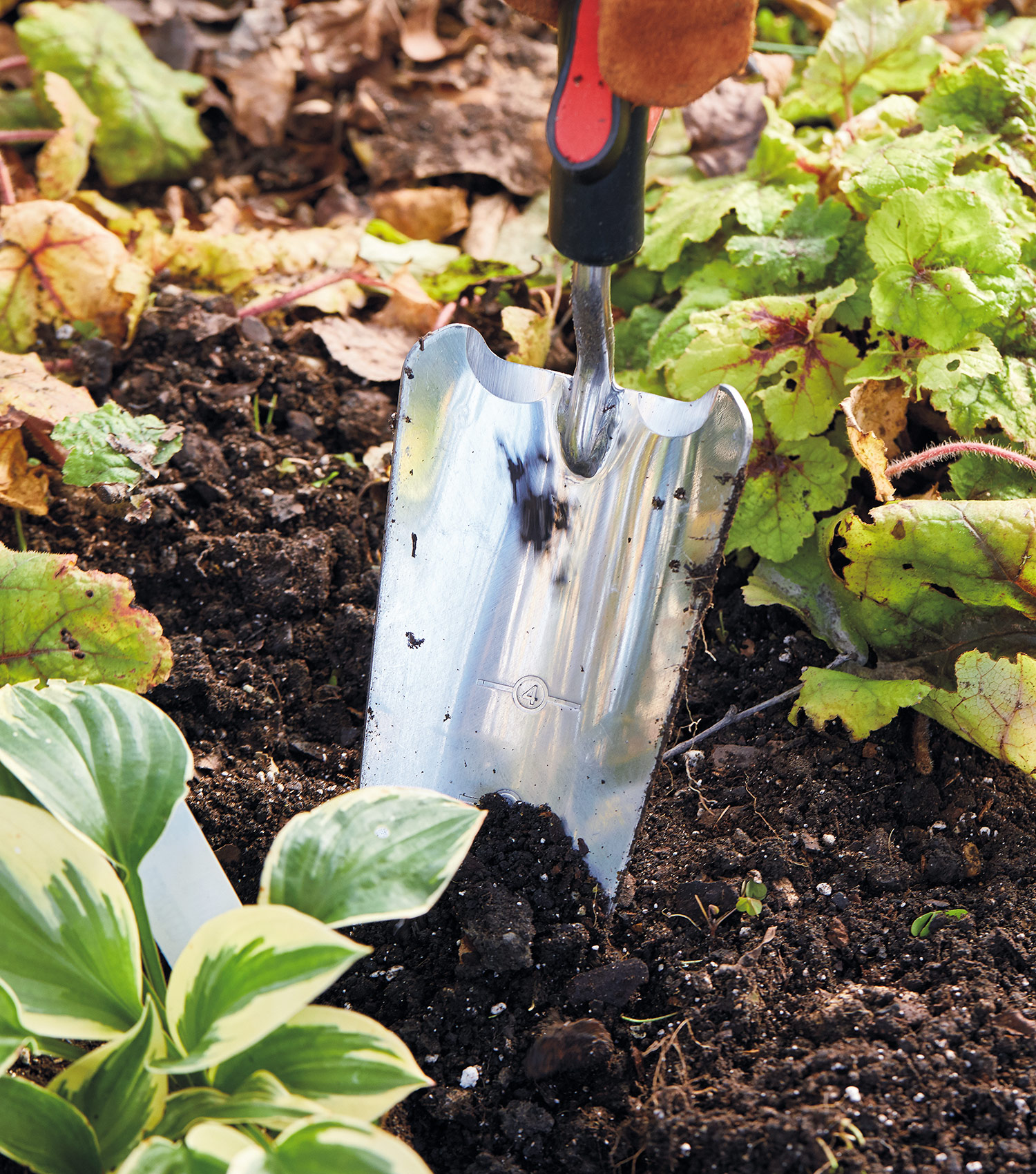
Credit: www.gardengatemagazine.com
Frequently Asked Questions
How Deep Should I Plant Bulbs With A Hand Trowel?
Plant bulbs at a depth three times their height. Use the trowel to dig a hole this deep. This ensures proper root growth and protection from frost.
What Soil Type Works Best For Bulb Planting?
Well-drained, loose soil is ideal for bulbs. Use your hand trowel to loosen compacted soil. Avoid waterlogged areas to prevent bulb rot.
When Is The Best Time To Plant Bulbs?
Plant bulbs in early fall before the first frost. This timing allows roots to develop before winter. Use a hand trowel to prepare the soil for planting.
How Do I Protect Bulbs After Planting?
Cover bulbs with soil and press gently with the trowel. Mulch with organic material to retain moisture and regulate temperature. This protects bulbs from pests and extreme weather.
Conclusion
Planting bulbs with a hand trowel is simple and rewarding. Choose healthy bulbs and good soil. Dig holes deep enough for roots to grow well. Place bulbs with the pointed end up. Cover them gently with soil and water lightly.
Watch your garden come alive in spring. Small steps bring beautiful flowers. Enjoy the process and the blooms it creates. Gardening with a hand trowel helps connect with nature. Keep practicing, and your skills will improve. Happy planting!