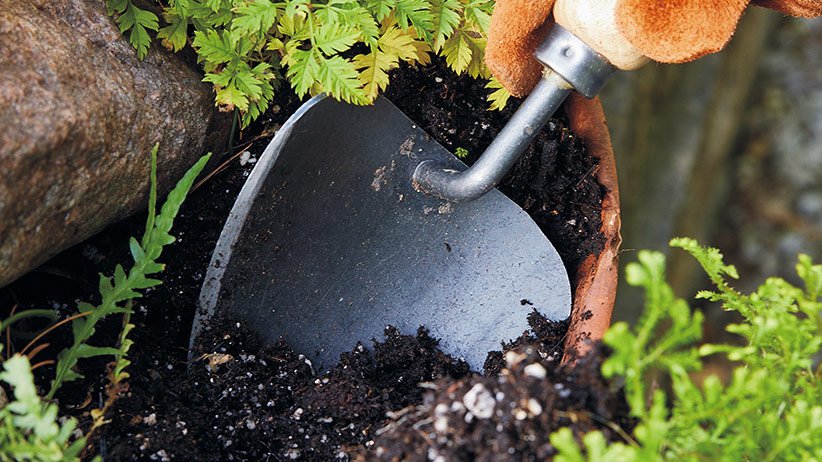
Planting shrubs might seem tricky, but with the right tool and a bit of know-how, you can do it easily yourself. Using a trowel makes the process simple, quick, and even enjoyable.
Imagine adding fresh greenery to your garden, creating a beautiful space that feels like your own little haven. In this guide, you’ll discover step-by-step how to plant shrubs with a trowel, avoiding common mistakes and getting the best results. Ready to transform your garden?
Let’s get your hands dirty and make your outdoor space thrive!
Credit: www.whiteflowerfarm.com
Choosing The Right Shrubs
Choosing the right shrubs helps your garden grow healthy and strong. Picking shrubs that fit your area saves time and effort.
Learn how to select shrubs that suit your climate and soil. This guide will help you make good choices before planting.
Selecting Shrubs For Your Climate
Different shrubs grow well in different climates. Some like cold weather, while others prefer warm places.
- Know your climate zone before buying shrubs.
- Choose shrubs that can survive your winter temperatures.
- Pick plants that handle the humidity in your area.
- Consider shrubs that resist local pests and diseases.
Considering Soil And Sunlight Needs
Shrubs need the right soil and sunlight to grow well. Some need full sun, while others like shade.
| Shrub Type | Soil Type | Sunlight |
| Azalea | Acidic, well-drained | Partial shade |
| Boxwood | Loamy, moist | Full sun to shade |
| Hydrangea | Rich, moist | Partial shade |
| Juniper | Well-drained, sandy | Full sun |
Gathering Your Tools
Planting shrubs with a trowel is simple if you have the right tools. Getting your tools ready helps you work faster and easier.
This guide shows you what tools to gather and how to prepare your trowel for planting shrubs.
Essential Tools For Planting
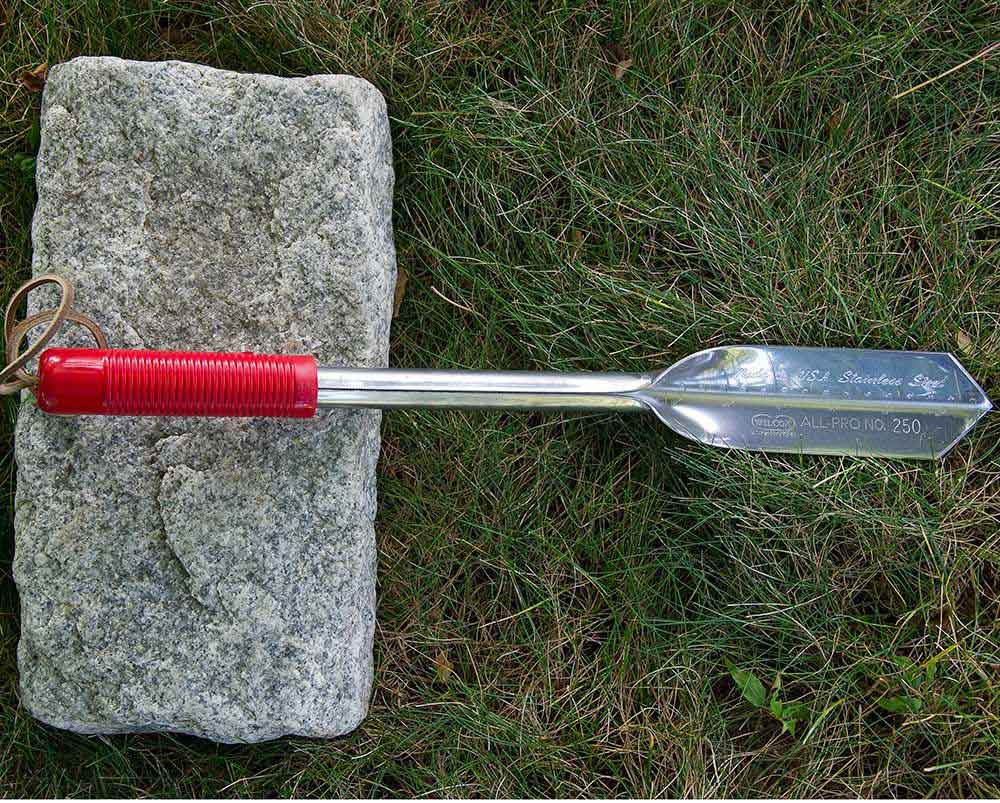
You need a few basic tools to plant shrubs well. These tools help you dig, move soil, and care for your plants.
- Trowel – for digging small holes
- Gloves – to protect your hands
- Watering can – to water the shrubs after planting
- Pruning shears – to trim roots or branches if needed
- Bucket or wheelbarrow – to carry soil or compost
Preparing Your Trowel
Cleaning and checking your trowel makes planting easier. A sharp, clean trowel cuts soil well and lasts longer.
| Task | Why It Matters | How to Do It |
| Clean the blade | Remove dirt and prevent rust | Wipe with a damp cloth after use |
| Sharpen the edge | Make digging easier | Use a metal file or sharpening stone |
| Check the handle | Ensure a firm grip | Tighten screws or replace if loose |
Preparing The Planting Site
Planting shrubs with a trowel starts with preparing the site properly. Good preparation helps shrubs grow strong roots.
Focus on clearing the area and making the soil ready. Also, measure the space so shrubs have room to grow.
Clearing And Loosening Soil
Remove grass, weeds, and rocks from the planting spot. This gives shrubs a clean space to grow.
Use your trowel to dig and loosen the soil. Loose soil lets roots spread easily and absorb water well.
- Clear away all debris and plants from the area.
- Dig about 12 inches deep with the trowel.
- Break up clumps of soil for better aeration.
- Mix in compost to improve soil health.
Measuring Proper Spacing
Plant shrubs far enough apart to avoid crowding. Good spacing helps air flow and sunlight reach each shrub.
| Shrub Type | Recommended Spacing |
| Small Shrubs | 2 to 3 feet apart |
| Medium Shrubs | 3 to 5 feet apart |
| Large Shrubs | 5 to 8 feet apart |

Credit: www.burgonandball.com
Digging With A Trowel
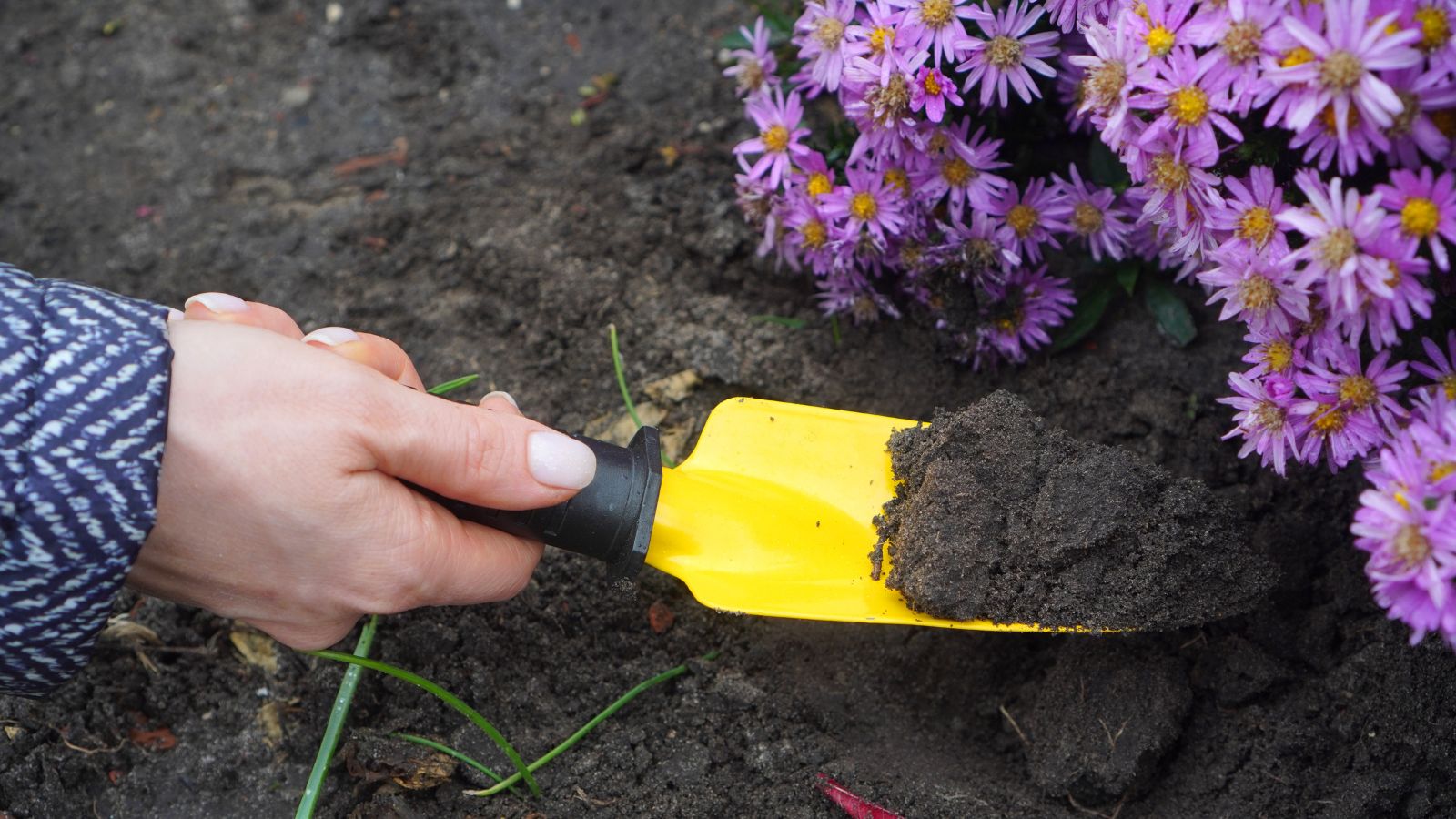
Using a trowel to plant shrubs is a simple way to start your garden. A trowel helps you dig small, precise holes. This makes planting easier and cleaner.
Knowing how to dig the right hole is important. This guide will help you dig with the right depth and width for your shrubs.
Digging The Perfect Hole
First, clear the area of weeds and rocks. Use the trowel to loosen the soil. Dig a hole slightly wider than the shrub’s root ball. This allows roots to spread easily.
- Clear surface debris
- Loosen soil with the trowel
- Dig wider than the root ball
- Remove excess soil from the hole
Adjusting Depth And Width
Check the shrub’s root depth before digging. The hole should be as deep as the root ball. Make the width twice as wide. This gives roots room to grow.
| Aspect | Recommended Size |
| Depth | Same as root ball height |
| Width | Twice the root ball diameter |
Planting The Shrub
Planting a shrub correctly helps it grow strong and healthy. Using a trowel makes the job easier in small spaces.
This guide shows how to remove the shrub from its container and place it in the hole.
Removing The Shrub From Its Container
Take care when removing the shrub to avoid damaging its roots. Follow these simple steps to do it safely.
- Water the shrub a few hours before planting to soften the soil.
- Hold the base of the shrub gently but firmly.
- Tap the container sides to loosen the root ball.
- Slide the shrub out by tipping the container upside down.
- If roots are stuck, use the trowel carefully to free them.
Positioning The Shrub In The Hole
Place the shrub in the hole at the right depth. The top of the root ball should be level with the ground.
| Task | Details |
| Check hole size | Make it twice as wide as the root ball |
| Place shrub | Center it in the hole without tilting |
| Adjust depth | Root crown should be even with soil surface |
| Fill soil | Backfill gently, pressing soil to remove air pockets |
| Water | Water deeply after planting to settle soil |
Backfilling And Firming Soil
After placing the shrub in the hole, backfilling the soil properly is important. It helps support the plant and keeps roots safe.
Firming the soil ensures the shrub stays stable and can absorb water well. Use gentle pressure to avoid damaging roots.
Filling The Hole Carefully
Fill the hole slowly with soil, making sure to cover all roots evenly. Avoid leaving air pockets around the roots.
- Add soil in small amounts, not all at once.
- Use your fingers or a trowel to spread soil between roots.
- Check that the shrub stays straight as you fill the hole.
- Leave some space at the top for watering.
Tamping Soil Around Roots
After filling, gently press the soil around the roots to firm it. This helps remove air pockets and supports the plant.
| How to Tamp Soil | Why It Matters |
|---|---|
| Press soil with the back of your trowel | Prevents roots from drying out |
| Use your hands to firm soil gently | Keeps shrub stable in the ground |
| Check soil level matches surrounding ground | Ensures proper water absorption |
Watering And Mulching
Proper watering and mulching help shrubs grow strong. These steps keep the soil healthy and plants happy.
Using a trowel to plant shrubs is easy. After planting, give the right care for the best results.
Initial Deep Watering
Water the shrub deeply right after planting. This helps the roots settle and reduces air pockets in the soil.
- Fill the hole with water slowly.
- Wait for the water to soak into the soil.
- Repeat filling the hole until the soil feels moist all around.
- Check that water drains well to avoid root rot.
Applying Mulch For Moisture Retention
Mulch keeps soil moist and cool. It also stops weeds from growing near your shrub.
| Mulch Type | Benefits | Notes |
|---|---|---|
| Wood chips | Retains moisture well | Use a 2-3 inch layer |
| Straw | Lightweight and easy to spread | Replace yearly |
| Compost | Improves soil nutrition | Mix with soil before planting |
Keep mulch a few inches away from the shrub’s stem to prevent rot. Refresh mulch as needed to maintain moisture.
Aftercare Tips
Planting shrubs with a trowel is only the first step. Proper care after planting helps shrubs grow strong and healthy.
Focus on watching the shrubs closely and protecting them from common problems. This helps them thrive in your garden.
Monitoring Growth And Health
Check your shrubs regularly for signs of good growth. Look at the leaves and stems to see if they are healthy.
- Water the shrubs deeply once a week, more in hot weather.
- Remove dead or yellow leaves to keep plants healthy.
- Check the soil moisture by feeling it; it should be damp but not soggy.
- Look for new shoots and buds as a sign of growth.
- Use mulch around the base to keep soil moist and control weeds.
Protecting From Pests And Diseases
Keep pests and diseases away to help your shrubs stay healthy. Early action prevents big problems.
| Common Issue | Signs | Protection Tips |
| Aphids | Sticky leaves, curled edges | Spray water to remove, use natural insecticides |
| Fungal Diseases | Spots on leaves, mold | Remove affected leaves, improve air flow |
| Spider Mites | Fine webbing, yellow spots | Keep plants moist, spray insecticidal soap |
| Slugs | Holes in leaves, slime trails | Use barriers, handpick at night |
Credit: www.epicgardening.com
Frequently Asked Questions
What Is The Best Time To Plant Shrubs?
The ideal time to plant shrubs is during early spring or fall. These seasons provide moderate temperatures and moisture. This helps shrubs establish roots before extreme weather conditions. Avoid planting in summer heat or winter frost for optimal growth.
How Deep Should I Dig With A Trowel?
When planting shrubs, dig a hole twice as wide and as deep as the root ball. This provides enough space for roots to spread and grow. Using a trowel, ensure the soil is loose to encourage root development.
Can All Shrubs Be Planted With A Trowel?
Most small to medium-sized shrubs can be planted with a trowel. For larger shrubs, a shovel might be necessary. A trowel is ideal for detailed work and smaller root systems. Always choose the right tool for the shrub size.
How Do I Ensure Proper Drainage?
To ensure proper drainage, mix organic matter like compost with your soil. Ensure the planting hole is well-drained and not waterlogged. Good drainage prevents root rot and promotes healthy plant growth.
Conclusion
Planting shrubs with a trowel is simple and effective. You only need a few tools and some patience. Dig a hole slightly bigger than the root ball. Place the shrub carefully and fill the hole with soil. Press the soil gently to remove air pockets.
Water the shrub well to help it settle. Regular care helps shrubs grow healthy and strong. Enjoy watching your garden come alive with new plants. Small steps lead to a beautiful yard. Start planting today and see the difference!
