Are your fruit bushes looking a little wild? Pruning them might seem daunting, but it’s easier than you think—and crucial for a bountiful harvest.
Imagine picking juicy, ripe fruits from your own garden, knowing you had a hand in their growth. This guide will show you how to prune your fruit bushes effectively, ensuring they stay healthy and productive. You’ll learn simple tips and tricks that even a beginner can master.
Ready to transform your garden and boost your fruit yield? Let’s get started and make your garden the envy of the neighborhood!
Benefits Of Pruning Fruit Bushes
Pruning fruit bushes helps keep them healthy and strong. It improves fruit quality and makes harvesting easier.
Cutting old branches lets new growth appear. This gives the plant more energy to produce fruit.
Improves Fruit Size And Quality
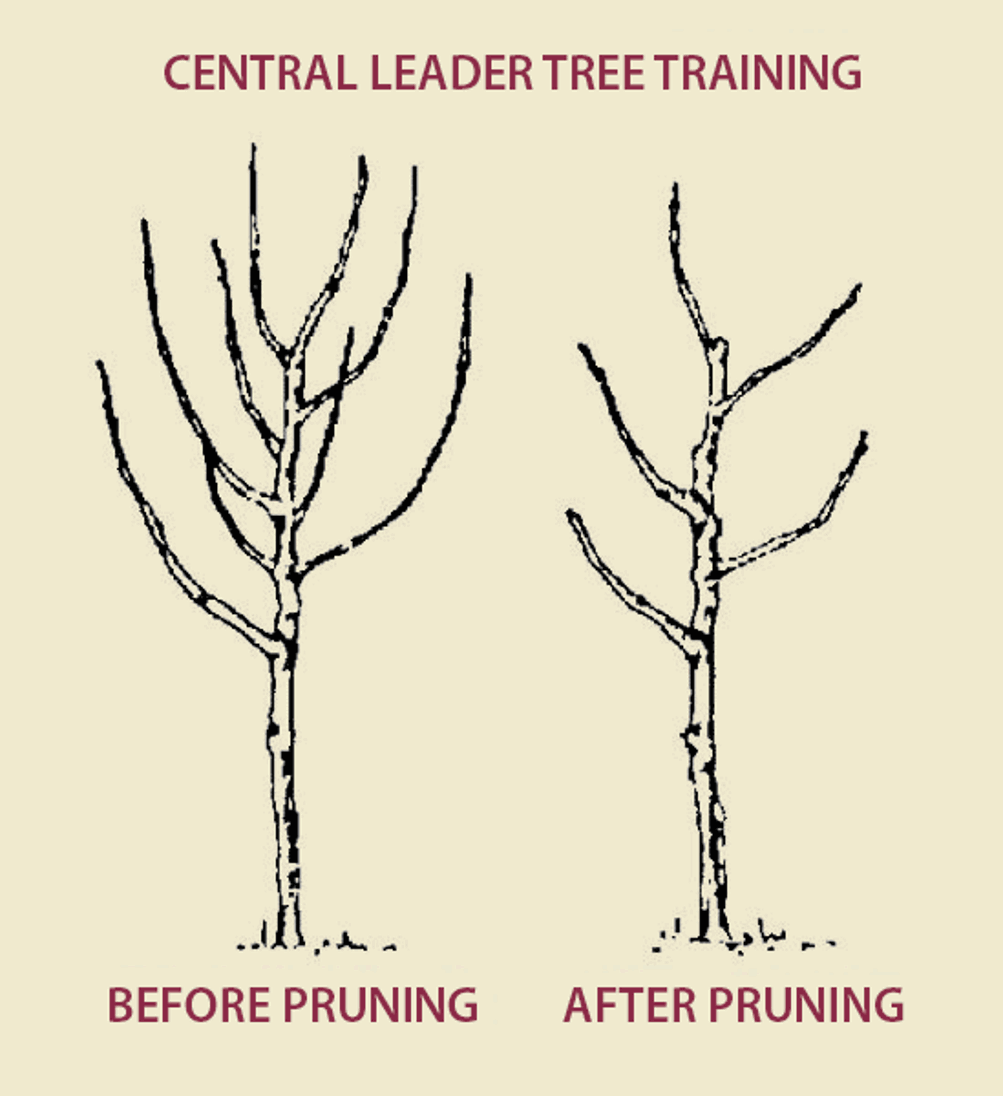
Pruning removes weak branches that take energy from the plant. This allows the bush to focus on growing bigger, tastier fruits.
Open spaces after pruning help sunlight reach all parts of the bush. This helps fruits ripen evenly and become sweeter.
Promotes Healthy Growth
Cutting dead or damaged branches stops diseases from spreading. It also encourages new shoots to grow strong and healthy.
Good airflow after pruning reduces pests and mold problems. This keeps the bush in better shape through the seasons.
Makes Harvesting Easier
Pruning shapes the bush to a manageable size. This makes it simpler to pick fruits without damaging the plant.
Clear branches help you see the fruit better. You can harvest ripe fruits faster and avoid missing any.
Increases Fruit Bush Longevity
Regular pruning prevents overcrowding and stress on the bush. This helps the plant live longer and produce fruit for many years.
Removing old wood keeps the bush young. It supports steady growth and a good fruit supply over time.
Credit: www.starkbros.com
Best Time To Prune
Pruning fruit bushes helps them grow healthy and produce more fruit. Picking the right time to prune is important for good results.
Pruning at the wrong time can hurt the plants or lower fruit production. Learn when to prune to keep your bushes strong.
Seasonal Considerations
The best time to prune fruit bushes depends on the season. Most fruit bushes do well with pruning in late winter or early spring.
Pruning during these times helps the plant heal fast and grow new branches for fruit. Avoid pruning in fall or summer to reduce stress on the bush.
- Late winter pruning removes dead or weak branches.
- Early spring pruning encourages strong growth.
- Avoid pruning in fall to prevent frost damage.
- Summer pruning can reduce fruit production.
Signs To Start Pruning
Look for certain signs on your fruit bushes to know when to start pruning. Healthy growth and plant condition guide the timing.
If branches look dead, damaged, or crowded, it is time to prune. Also, prune before buds open to avoid harming new growth.
- Dead or broken branches need removal.
- Crowded branches block sunlight and air flow.
- Buds just before they start to swell are ideal for pruning.
- Look for signs of disease or pests before pruning.
Tools You Need
Pruning fruit bushes helps them grow healthy and produce more fruit. Using the right tools makes pruning easier and safer.
This guide shows the essential tools for pruning and how to keep them in good shape.
Essential Pruning Tools
You need strong and sharp tools to cut branches cleanly. Dull tools can harm the plant and make your work hard.
- Hand pruners: For small branches and twigs.
- Loppers: For medium branches that are too thick for hand pruners.
- Pruning saw: For large or old branches.
- Gloves: To protect your hands from scratches and thorns.
- Safety glasses: To protect your eyes from flying debris.
Maintenance And Safety
Clean and sharpen your tools after each use. This keeps them working well and stops plant diseases from spreading.
Always wear gloves and safety glasses to protect yourself. Use tools carefully to avoid injuries.
- Wash tools with soapy water and dry them.
- Sharpen blades using a file or sharpening stone.
- Oil metal parts to stop rust.
- Wear gloves to avoid cuts and scratches.
- Keep tools away from children.
Credit: ucanr.edu
Pruning Techniques
Pruning fruit bushes helps keep them healthy and productive. It involves cutting certain parts to improve growth.
Good pruning lets light and air reach all parts of the bush. This makes fruits grow better and reduces disease risk.
Removing Dead And Diseased Wood
Start by cutting off any dead or diseased branches. These parts can harm the whole bush if left alone.
Use clean, sharp tools to make clean cuts. Remove branches that look brown, dry, or have spots.
- Cut dead wood back to healthy tissue
- Remove branches with signs of disease or rot
- Dispose of removed wood to prevent spread
Shaping The Bush
Shape the bush to keep it balanced and easy to harvest. A good shape supports strong fruit growth.
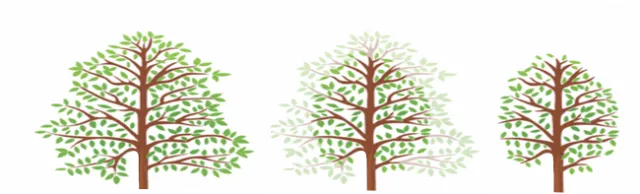
Trim branches that grow too long or cross over others. Aim for an open shape with a clear center.
- Cut back long branches to promote side growth
- Remove crossing branches that rub together
- Keep the center open for light and air
Thinning For Airflow
Thinning means removing some branches to let air move freely. Good airflow lowers chances of fungus.
Cut smaller, weaker branches from inside the bush. This helps keep the bush healthy and fruit strong.
- Remove crowded branches to reduce density
- Focus on inner branches that block airflow
- Keep stronger branches for fruit production
Pruning Different Types Of Fruit Bushes
Pruning fruit bushes helps keep plants healthy and productive. It removes old or weak branches to allow new growth.
Different fruit bushes need different pruning methods. Knowing the right way improves fruit size and yield.
Blueberries
Prune blueberry bushes in late winter before new growth starts. Remove any dead or weak branches first.
Cut older branches at the base to encourage new shoots. Keep the center open for sunlight and air flow.
- Remove branches older than 6 years
- Keep 12-15 strong canes per bush
- Trim new shoots by half to promote branching
Raspberries
Raspberries need pruning based on their type: summer-bearing or everbearing. Each type has different growth cycles.
For summer-bearing raspberries, cut old canes after fruiting. For everbearing, prune in early spring or after fall harvest.
- Remove weak or damaged canes at ground level
- Thin canes to leave 4-6 strong shoots per plant
- Shorten side branches to 6 inches for better fruit
Gooseberries
Prune gooseberries in late winter or early spring before buds open. Remove old wood to keep bushes vigorous.
Open the bush by cutting some older branches at the base. This improves air circulation and light inside the bush.
- Cut out branches older than 3 years
- Keep 8-12 young shoots per bush
- Trim new shoots lightly to shape the bush
Common Mistakes To Avoid
Pruning fruit bushes helps them grow healthy and produce more fruit. Avoid mistakes to keep bushes strong and productive.
Many gardeners prune too much or at the wrong time. Learn the common errors to protect your fruit bushes.
Cutting Too Much At Once
Removing too many branches can stress the bush. It loses leaves that make food for growth and fruit.
Cut only about one-third of the bush at a time. This keeps the plant healthy and strong.
Pruning At The Wrong Time
Pruning in the wrong season can harm fruit bushes. Some bushes bloom on old wood and lose flowers if cut too late.
Learn when your fruit bush needs pruning. Usually, late winter or early spring is best before new growth starts.
Using Dull Or Dirty Tools
Dull tools make rough cuts that hurt the plant. Dirty tools can spread diseases to healthy branches.
Always use sharp, clean pruning shears. Clean tools with rubbing alcohol before and after use.
Ignoring Dead Or Diseased Branches
Dead or sick branches use energy and can spread disease. Leaving them on the bush weakens the plant.
Remove these branches as soon as you see them. This helps the bush stay healthy and grow better fruit.
Not Thinning The Bush Properly
Thick bushes block sunlight and air inside. This causes poor fruit and can lead to disease.
- Remove crowded branches
- Keep branches spaced apart
- Open the center for light and air
Proper thinning helps fruit grow bigger and healthier.
Cutting Too Close Or Too Far From Buds
Cutting too close can damage buds that form new growth. Cutting too far leaves stubs that die back.
Make clean cuts just above a healthy bud. This encourages new shoots and strong growth.
Aftercare For Pruned Bushes
After pruning your fruit bushes, proper care helps them grow healthy and strong. This care supports new growth and protects plants from stress.
Watering and feeding your bushes, along with pest and disease prevention, are key steps to keep them thriving after pruning.
Watering And Feeding
Fresh cuts need moisture to heal and encourage new shoots. Water your bushes deeply but avoid waterlogging the soil. Feeding gives the plant nutrients to recover fast.
- Water the soil around the base, not the leaves.
- Apply water early in the morning or late in the evening.
- Use a balanced fertilizer with equal nitrogen, phosphorus, and potassium.
- Feed bushes once a month during the growing season.
- Mulch the base to keep moisture and reduce weeds.
Pest And Disease Prevention
Pruned bushes can be open to pests and diseases. Watch for signs like discolored leaves or holes. Keep bushes healthy by removing dead branches and fallen leaves.
| Pest/Disease | Signs | Prevention |
| Aphids | Sticky leaves, curled growth | Use insecticidal soap or strong water spray |
| Powdery Mildew | White powder on leaves | Ensure good air flow and avoid wetting leaves |
| Spider Mites | Yellow specks, webbing | Keep bushes well-watered and spray with water |
| Fungal Rot | Soft, dark spots on stems | Remove affected parts and improve drainage |
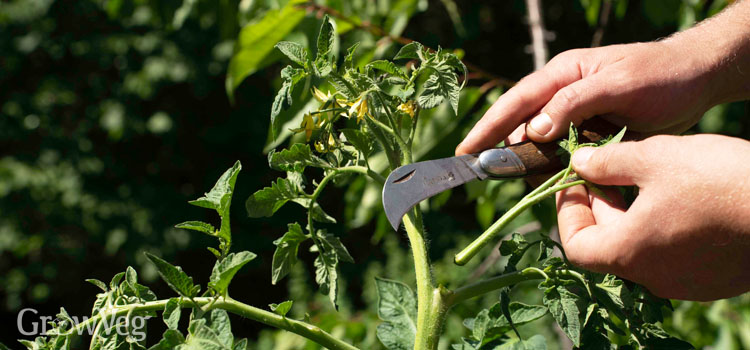
Credit: www.growveg.com
Frequently Asked Questions
How Often Should I Prune Fruit Bushes?
Prune fruit bushes once a year, preferably in late winter or early spring. This timing encourages healthy growth and better fruit production. Avoid pruning during frost or extreme cold to prevent damage.
What Tools Are Best For Pruning Fruit Bushes?
Use sharp, clean pruning shears or loppers for precise cuts. Sterilize tools before use to prevent disease spread. For thicker branches, a pruning saw may be necessary.
When Is The Best Time To Prune Fruit Bushes?
The best time to prune is late winter or early spring before new growth starts. This helps shape the bush and promotes vigorous fruiting during the growing season.
Why Is Pruning Important For Fruit Bushes?
Pruning removes dead or weak branches, improves air circulation, and allows sunlight to reach the inner parts. This enhances fruit quality, controls pests, and encourages healthy plant growth.
Conclusion
Pruning fruit bushes helps them grow strong and healthy. Cut old and weak branches to let new shoots grow. Doing this yearly improves fruit quality and yield. Use clean tools and prune carefully to avoid damage. Watch your bushes often to know the best time to prune.
With simple steps, you can enjoy better fruit harvests every season. Keep your garden happy and productive by pruning right. Simple care makes a big difference in fruit bush health.