Are your fruit trees not producing as much fruit as you’d hoped? Perhaps they’re growing a bit wild, with branches shooting out in every direction.
Pruning can be the secret to unlocking your trees’ full potential. By learning how to prune fruit trees correctly, you can boost their health, encourage more fruit, and keep them looking tidy. Imagine the satisfaction of enjoying a bountiful harvest from your own backyard, all thanks to a few strategic cuts.
In this guide, you’ll discover simple yet effective pruning techniques that can transform your trees and elevate your gardening skills. Ready to dive in and give your fruit trees the care they deserve? Let’s get started!
Benefits Of Pruning Fruit Trees
Pruning fruit trees helps them grow better and produce more fruit. It is a key part of tree care that many gardeners use.
Cutting the right branches at the right time can improve the tree’s health and fruit quality. It also lets more sunlight reach the tree.
Improved Fruit Quality
Pruning removes weak and old branches, helping the tree focus on growing strong fruit. This results in bigger and sweeter fruit.
Good pruning helps air flow through the branches. This reduces the chance of fruit rotting and other problems.
Enhanced Tree Health
Removing dead or damaged branches stops pests and diseases from spreading. This keeps the tree healthy for many years.
Pruning also shapes the tree well. This helps it grow strong and supports the weight of fruit better.
Increased Sunlight Exposure
Cutting some branches lets more sunlight reach the inside of the tree. Sunlight is important for fruit to ripen well.
Sunlight also helps leaves make food for the tree. This makes the tree stronger and more productive.
Best Time To Prune
Pruning fruit trees at the right time helps them grow strong and healthy. It also improves fruit quality and yield.
Knowing the best time to prune depends on the tree type and the season. This guide covers seasonal tips and signs to start pruning.
Seasonal Considerations
Prune fruit trees during specific seasons to avoid harming them. Here are the main seasonal times to consider:
- Late Winter:Most fruit trees do best when pruned before buds swell.
- Early Spring:Prune some trees as buds start to open to shape growth.
- Summer:Light pruning can remove water sprouts and improve air flow.
- Fall:Avoid heavy pruning to prevent frost damage and disease.
Signs To Start Pruning
Look for these signs on your fruit trees to know when to prune:
| Sign | What It Means |
| Leaf Buds Swelling | Tree is ready to grow; prune before leaves open |
| Dead or Broken Branches | Remove these anytime to keep tree healthy |
| Crossing Branches | Prune to prevent rubbing and damage |
| Dense Growth | Thin branches to improve sunlight and air flow |
Essential Tools For Pruning
Pruning fruit trees helps them grow healthy and produce more fruit. Using the right tools makes pruning easier and safer.
Good tools give clean cuts and reduce damage to the tree. Always keep your tools sharp and clean for the best results.
Hand Pruners And Loppers
Hand pruners are small tools for cutting thin branches up to ¾ inch thick. They are easy to hold and use for detailed work.
Loppers have long handles and can cut thicker branches up to 2 inches. They give more leverage to cut bigger limbs.
- Hand pruners are good for small branches and shoots.
- Loppers work well for medium branches and hard-to-reach spots.
- Choose tools with sharp blades and comfortable grips.
Saw And Safety Gear
A pruning saw is needed for cutting thick branches over 2 inches wide. It has a curved blade to cut smoothly through wood.
Safety gear protects you while pruning. Wear gloves to protect your hands and safety glasses to shield your eyes.
- Use a pruning saw for large, tough branches.
- Wear gloves to avoid cuts and blisters.
- Safety glasses keep your eyes safe from flying debris.
- Wear long sleeves and sturdy shoes for extra protection.
Credit: www.groworganic.com
Pruning Techniques
Pruning fruit trees helps keep them healthy and productive. Using the right techniques can improve fruit growth and tree shape.
Good pruning removes unwanted branches and opens the tree to sunlight and air. This guide covers key pruning cuts to use.
Thinning Cuts
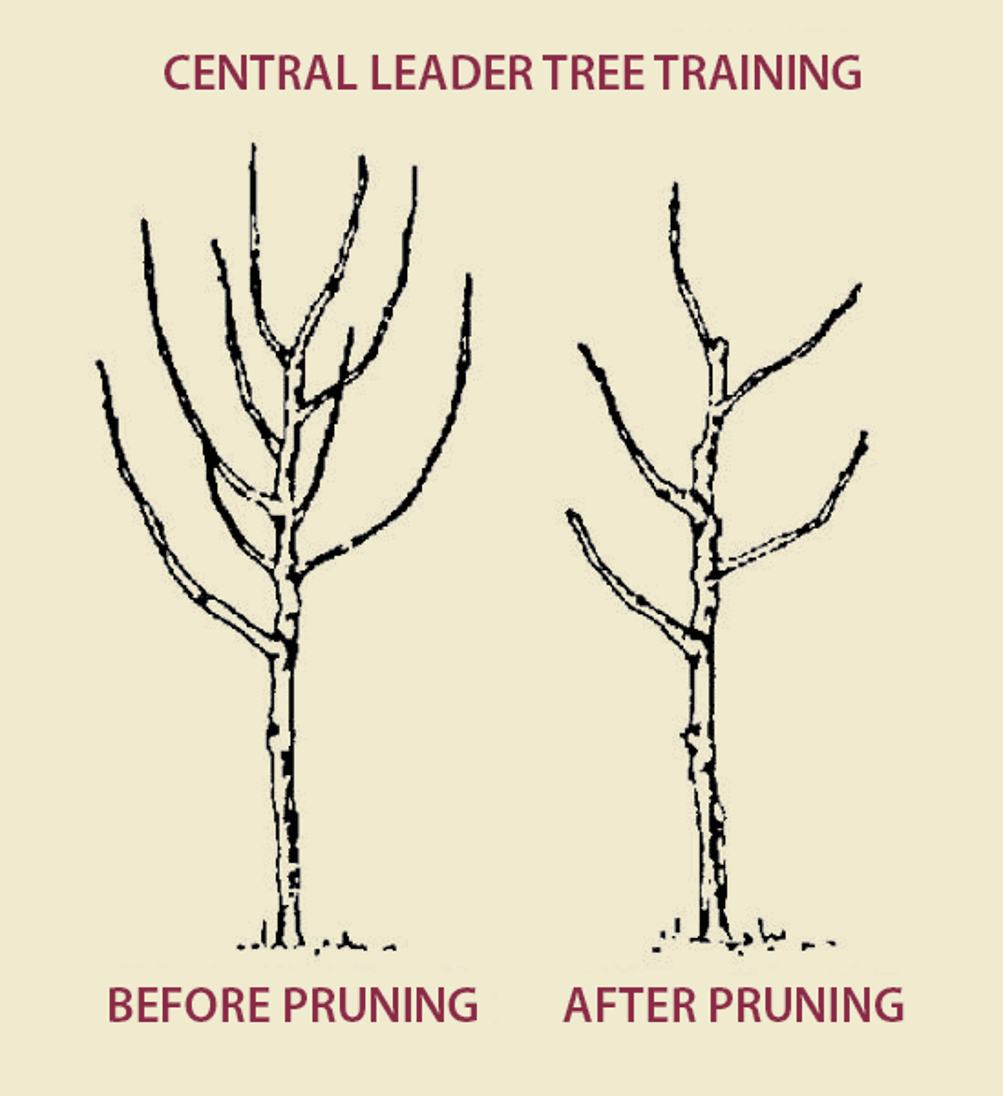
Thinning cuts remove whole branches or shoots. They open the tree’s canopy and let light reach inside.
These cuts improve air flow and reduce overcrowding. They also help fruit develop better size and color.
- Cut branches back to their base or main stem
- Remove crowded or crossing branches
- Keep the tree balanced and open
Heading Cuts
Heading cuts shorten branches by cutting them back to a bud or smaller branch. This encourages new growth near the cut.
Use heading cuts to shape young trees and control size. They help create strong branches for future fruit.
- Cut just above a healthy bud
- Make clean cuts at a slight angle
- Avoid cutting too close to the bud
Removing Dead And Diseased Wood
Dead or diseased wood can harm the tree. Removing it stops disease spread and improves tree health.
Look for dry, cracked, or discolored branches. Cut these parts back to healthy wood or the main branch.
- Cut dead branches at the base
- Remove diseased wood completely
- Disinfect pruning tools between cuts
Pruning Young Vs. Mature Trees
Pruning fruit trees helps them grow strong and produce more fruit. Young and mature trees need different pruning techniques.
Knowing how to prune each type keeps your trees healthy and fruitful for years.
Shaping Young Trees
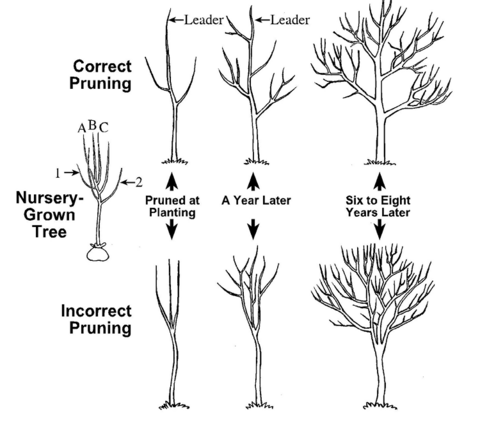
Prune young trees to build a strong structure. Remove weak or crowded branches early.
Focus on creating an open shape that lets sunlight reach all parts of the tree.
- Cut back the main leader to encourage side branches
- Remove branches that grow inward or cross others
- Keep wide angles between branches for strength
- Trim new growth lightly to balance shape
Maintaining Mature Trees
Prune mature trees to remove dead or diseased wood. Thin crowded areas to improve air flow.
Cut back old branches to encourage new fruiting wood. Avoid heavy pruning that stresses the tree.
- Remove dead, damaged, or weak branches
- Thin crowded branches to let light in
- Shorten long shoots to keep tree balanced
- Prune after harvest or during dormancy
Common Mistakes To Avoid
Pruning fruit trees helps keep them healthy and productive. But many people make mistakes that harm the tree. Avoiding these errors ensures your tree grows well and produces fruit.
This guide covers two common pruning mistakes. Learn what to watch for and how to prune correctly.
Over-pruning
Cutting too many branches weakens the tree. Over-pruning reduces leaves that make food through photosynthesis. This can slow growth and lower fruit production.
- Do not remove more than 25% of the tree’s branches in one year.
- Avoid cutting large branches that make up the main structure.
- Leave enough leaves to feed the tree through the growing season.
- Make clean cuts to prevent disease and decay.
Ignoring Tree Structure
Fruit trees need a strong shape for good air flow and sunlight. Ignoring their natural form can cause problems like weak branches and poor fruit growth.
| Common Error | Effect on Tree |
| Cutting central leader | Weak main trunk, poor shape |
| Leaving crossing branches | Branches rub and get damaged |
| Too many vertical shoots | Low fruit production |
| Removing scaffold branches | Less support for fruit |
Aftercare For Pruned Trees
After pruning fruit trees, proper care helps them heal and grow strong. This care protects the tree and improves fruit quality.
Focus on watering, feeding, and protecting the tree from pests and diseases. These steps support healthy recovery.
Watering And Feeding
Water pruned trees deeply to help roots absorb nutrients. Keep the soil moist but not waterlogged.
Feed the tree with balanced fertilizer to support new growth. Use fertilizers with equal parts nitrogen, phosphorus, and potassium.
- Water the tree once or twice a week during dry spells
- Apply fertilizer in early spring or after pruning
- Avoid overfeeding to prevent weak growth
- Mulch around the base to keep moisture
Pest And Disease Prevention
Check pruned trees regularly for signs of pests or diseases. Early detection helps protect the tree’s health.
Remove any dead branches or fallen leaves to reduce places where pests hide. Use natural pest control methods when possible.
- Inspect branches and leaves weekly
- Prune out diseased or damaged wood
- Use insecticidal soap or neem oil for pests
- Keep the area clean to reduce disease risks

Credit: www.gustharts.com
Credit: www.starkbros.com
Frequently Asked Questions
How Often Should I Prune My Fruit Trees?
Prune fruit trees once a year during late winter or early spring. This timing helps remove dead branches and encourages healthy growth before the growing season starts.
What Tools Do I Need For Pruning Fruit Trees?
Essential pruning tools include sharp pruning shears, loppers, and a pruning saw. Using clean, sharp tools ensures smooth cuts and reduces the risk of tree damage or disease.
Why Is Pruning Important For Fruit Trees?
Pruning improves fruit quality, controls tree size, and boosts air circulation. It also helps remove dead or diseased branches, promoting overall tree health and better fruit production.
When Is The Best Time To Prune Fruit Trees?
The best time is late winter to early spring, before buds break. This period minimizes stress and allows trees to heal quickly, leading to stronger growth and fruiting.
Conclusion
Pruning fruit trees helps them grow strong and produce better fruit. Cut branches carefully and remove dead or weak wood. This lets sunlight reach inside the tree and air flow freely. Regular pruning keeps trees healthy and easy to manage.
Remember to use clean tools and prune at the right time. With simple steps, you can enjoy a fruitful harvest each year. Keep practicing, and your trees will thank you. Healthy trees mean tasty fruit. Simple care makes a big difference.