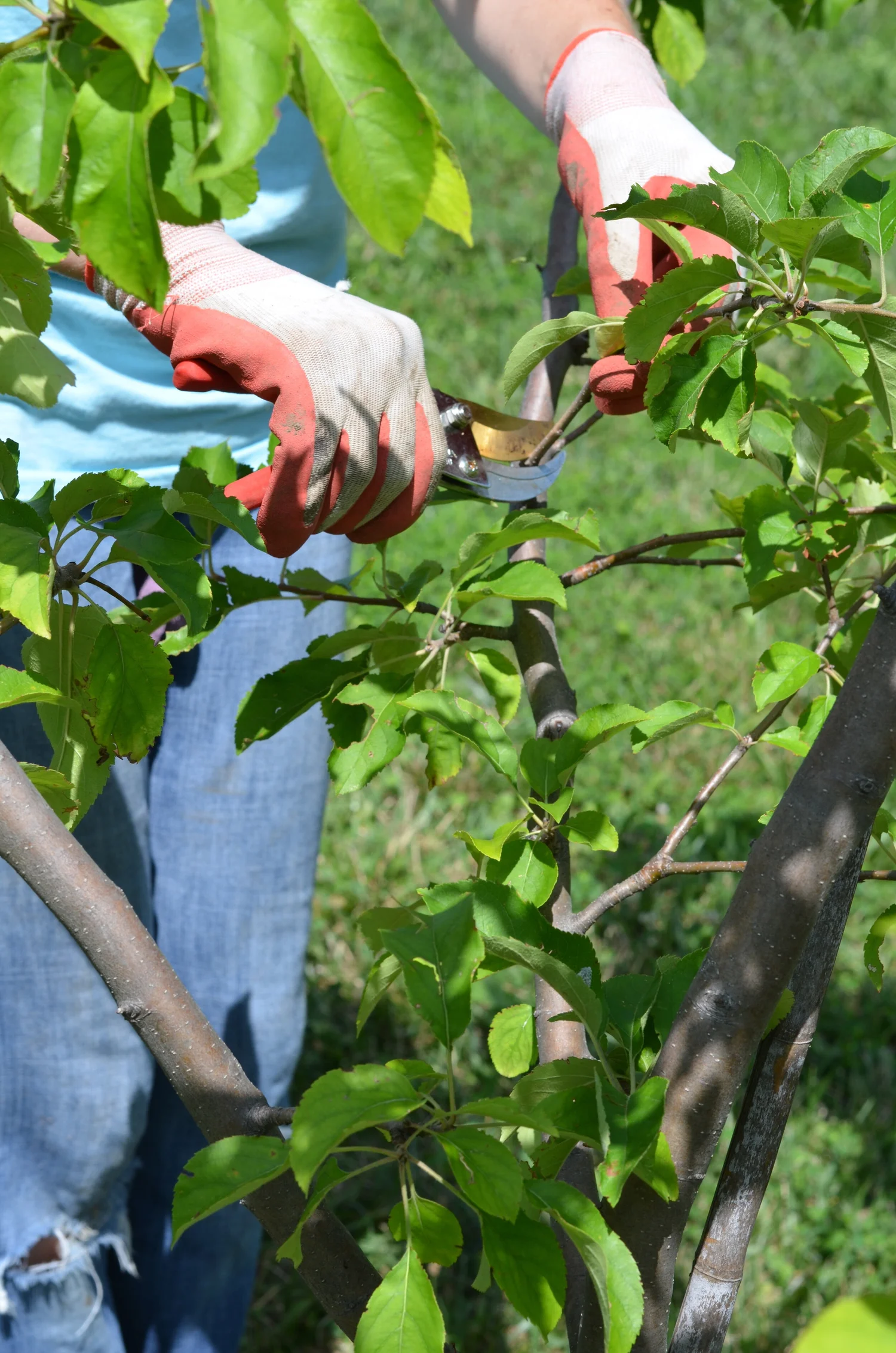
Are you dreaming of a bountiful harvest from your fruit trees each year? Pruning might just be the secret weapon you need.
It’s not just about snipping here and there; it’s about knowing exactly where to cut to encourage growth and abundance. Think of it as giving your fruit trees a refreshing makeover that boosts their health and productivity. In this guide, you’ll discover how to prune your fruit trees to ensure a robust annual yield.
Imagine the satisfaction of picking juicy apples, plump pears, or ripe peaches right from your backyard. By the end of this article, you’ll have the knowledge and confidence to transform your fruit trees into thriving producers. Ready to learn the art of pruning and unlock the full potential of your garden? Let’s get started!
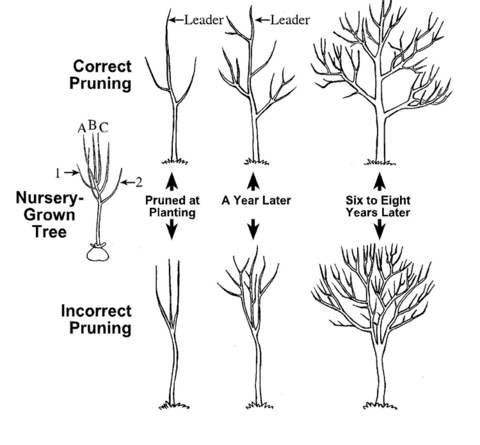
Credit: extension.msstate.edu
Benefits Of Pruning Fruit Trees
Pruning fruit trees is important for better fruit growth. It helps trees stay healthy and produce more fruit each year.
Cutting the right branches helps sunlight reach all parts of the tree. This makes the fruit grow bigger and tastier.
Improved Fruit Quality
Pruning removes old or weak branches. This lets the tree focus energy on growing healthy fruit.
Better air and light reach the fruit, making it sweeter and more colorful. Good pruning also reduces pests and disease.
- Removes damaged branches
- Increases sunlight to fruit
- Reduces pests and mold
- Improves fruit size and taste
Increased Yield
Pruning helps trees grow strong new shoots. These shoots produce more flowers and fruit each season.
By cutting crowded branches, trees use nutrients better. This leads to a bigger harvest every year.
- Encourages new growth
- Prevents branch overcrowding
- Improves nutrient use
- Results in more fruit
Tree Health And Longevity
Pruning removes dead or diseased wood. This keeps the tree healthy and prevents problems from spreading.
Good pruning shapes the tree to handle wind and weather. Healthy trees live longer and grow better fruit for many years.
- Removes dead or sick branches
- Prevents disease spread
- Improves air flow
- Supports strong tree structure
- Extends tree life
When To Prune Fruit Trees
Pruning fruit trees at the right time helps them grow strong and produce more fruit. It also keeps trees healthy by removing dead or crowded branches.
Knowing when to prune is important. Different seasons affect tree growth and fruit yield differently.
Dormant Season Pruning
Dormant pruning happens in late winter or early spring before buds start to open. Trees rest during this time, so pruning causes less stress.
This pruning helps shape the tree and remove weak or dead branches. It encourages strong growth and better fruit production in spring.
- Best done when the tree is fully asleep
- Removes old and crowded branches
- Improves air flow and sunlight inside the tree
- Prepares the tree for healthy spring growth
Summer Pruning
Summer pruning takes place after fruit sets but before harvest. It controls tree size and removes unwanted growth.
Cutting back some branches in summer helps direct energy to fruit and improves fruit size and quality.
- Remove water sprouts and suckers
- Thin crowded branches for better sunlight
- Cut back overly long branches
- Do not prune too late to avoid damage
Avoiding Frost Damage
Prune fruit trees after the risk of frost ends. Pruning too early can cause new buds to grow and get harmed by frost.
Late frost can kill buds and reduce fruit yield. Prune when temperatures stay above freezing for several days.
- Watch local frost dates before pruning
- Delay pruning if frost risk is high
- Protect new growth from unexpected frost
- Prune dormant trees to avoid frost damage
Essential Tools For Pruning
Pruning fruit trees helps improve their yearly fruit production. Using the right tools makes pruning easier and safer. Proper tools also protect the tree from damage.
This guide covers the essential tools needed for pruning fruit trees. Each tool has a specific use and helps with different parts of the tree.
Pruning Shears
Pruning shears are small, hand-held scissors designed for cutting thin branches and stems. They work best for branches less than half an inch thick. Sharp shears make clean cuts, which help the tree heal faster.
- Choose shears with sharp blades and a comfortable grip.
- Keep blades clean to avoid spreading disease.
- Use shears for small branches and new growth.
Loppers And Saws
Loppers have long handles and strong blades. They cut branches that are too thick for pruning shears but too small for a saw. Saws are needed for cutting large branches. They come in hand-held or pole versions for hard-to-reach areas.
| Tool | Use | Branch Size |
| Pruning Shears | Small branches and stems | Up to 0.5 inches |
| Loppers | Medium branches | 0.5 to 2 inches |
| Saws | Large branches and limbs | Above 2 inches |
Safety Gear
Wearing safety gear protects you from cuts and injuries. It also helps when working with sharp tools or branches that may snap back. Gloves, eye protection, and sturdy shoes are important for safe pruning.
- Wear thick gloves to protect your hands.
- Use safety goggles to shield your eyes from debris.
- Wear closed-toe shoes with good grip.
- Consider wearing long sleeves to avoid scratches.
Basic Pruning Techniques
Pruning fruit trees helps them grow strong and produce more fruit each year. Using the right pruning methods keeps trees healthy and easy to manage.
This guide explains three main pruning techniques. Each one supports a good annual yield by shaping and clearing the tree properly.
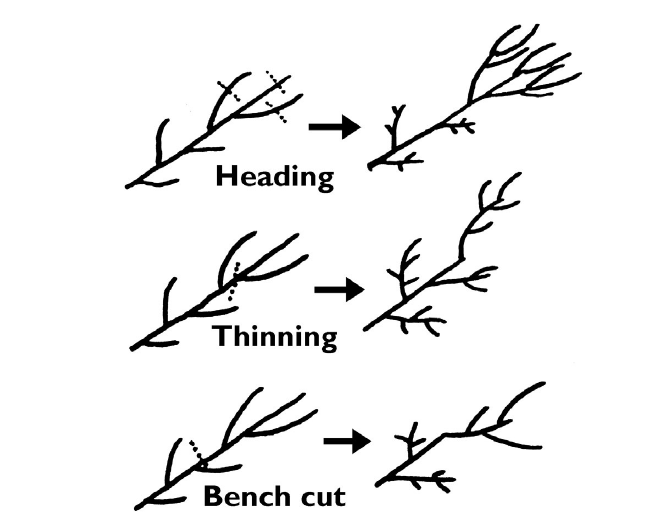
Thinning Cuts
Thinning cuts remove whole branches or stems at their base. This opens the tree’s canopy, allowing sunlight and air to reach inside. It also reduces branch crowding.
- Cut branches that cross or rub against each other.
- Remove weak or spindly growth.
- Keep strong, well-spaced branches to support fruit.
Heading Cuts
Heading cuts shorten branches by cutting them back to a bud or smaller branch. These cuts encourage the tree to grow new shoots and fruiting wood.
| Purpose | Effect |
| Shorten long branches | Stimulates new growth near the cut |
| Control tree shape | Makes the tree easier to harvest |
| Increase fruiting wood | Boosts fruit production |
Removing Deadwood
Deadwood includes branches that are dry, broken, or diseased. Removing them keeps the tree healthy and stops pests from spreading.
Signs of deadwood to remove:
- Branches with no leaves in growing season
- Cracked or peeling bark
- Soft or brittle wood
- Visible fungus or decay
Pruning Different Fruit Trees
Pruning fruit trees helps them grow strong and produce more fruit each year. It removes dead or crowded branches so sunlight and air reach the tree.
Different fruit trees need different pruning techniques. Knowing how to prune each type keeps your trees healthy and fruitful.
Apple Trees
Apple trees need pruning in late winter or early spring. Cut back branches that cross or grow inward. This helps light reach all parts of the tree.
Focus on keeping a strong main branch with well-spaced side branches. Remove any weak or dead wood to improve air flow.
- Prune to shape a central leader
- Cut branches that shade others
- Thin crowded areas for sunlight
- Remove dead or diseased wood
Peach Trees
Peach trees grow fast and need yearly pruning. Prune in late winter before buds open. Open the center of the tree to let light in.
Remove old branches to encourage new growth. Thin out crowded branches to avoid disease and improve fruit size.
- Use an open center pruning style
- Cut back last year’s wood by half
- Remove small or weak branches
- Keep branches evenly spaced
Cherry Trees
Cherry trees need light pruning each year. Prune in late winter or early spring before growth starts. Remove dead wood and thin crowded branches.
Keep the tree open to air and light. Avoid heavy pruning, which can reduce fruit yield.
- Remove dead or damaged branches
- Thin branches to reduce crowding
- Avoid heavy cuts that remove many branches
- Maintain a balanced shape
Citrus Trees
Citrus trees need light pruning to keep shape and health. Prune after harvest or in early spring. Remove dead or crossing branches.
Thin inside branches to improve air flow. Avoid heavy pruning because citrus trees fruit on old wood.
- Prune lightly to keep shape
- Remove dead and crossing branches
- Thin crowded areas
- Avoid cutting large branches
Common Pruning Mistakes To Avoid
Pruning fruit trees helps improve their growth and fruit production. But many gardeners make mistakes that hurt the tree.
Knowing what to avoid can keep your tree healthy and increase your yearly harvest.
Over-pruning
Cutting too many branches weakens the tree. It loses leaves that make food through photosynthesis.
Over-pruning can slow growth and reduce fruit yield for the year.
- Don’t remove more than 25% of the tree’s branches at once
- Leave enough leaves to feed the tree
- Focus on removing dead or crossing branches only
Ignoring Tree Structure
Each fruit tree has a natural shape. Ignoring this shape can cause weak branches or poor air flow.
Proper pruning supports strong branch growth and good light reaching all parts of the tree.
- Keep the main scaffold branches spaced evenly
- Remove branches that grow inward or cross others
- Shape the tree to allow sunlight and air to reach inside
Cutting Too Close Or Too Far
Cutting too close to the branch collar can damage the tree. Cutting too far leaves stubs that invite pests.
Make clean cuts just outside the branch collar. This helps the tree heal faster and stay healthy.
- Locate the swollen area where the branch joins the trunk
- Cut just outside this area, not flush or too far away
- Use sharp pruning tools for smooth cuts
Encouraging Annual Fruit Production
Pruning fruit trees each year helps keep them healthy and productive. Proper pruning encourages more flowers and better fruit yield. This guide covers key pruning tips to boost your tree’s annual harvest.
Focus on three main areas: stimulating flower buds, balancing tree growth with fruit load, and caring for trees after pruning. Each step supports strong fruit production season after season.
Stimulating Flower Buds
Cutting back old branches helps the tree focus energy on new growth and flower buds. Removing weak or crowded shoots opens space for sunlight and air. This encourages more flower buds to develop.
- Trim branches that grew last year by about one-third.
- Remove dead or damaged wood to prevent disease.
- Cut weak or crossing branches to improve air flow.
- Focus on healthy, outward-facing buds for cuts.
Balancing Growth And Fruit Load
Fruit trees need a balance between new growth and the weight of fruit they carry. Too many fruits can stress the tree and reduce next year’s buds. Pruning helps manage this balance for steady production.
| Pruning Action | Effect on Tree | Benefit |
|---|---|---|
| Thin crowded branches | Reduces shading | Better fruit size and quality |
| Remove excess fruit clusters | Lowers fruit load | Prevents branch damage and boosts flower buds |
| Shorten long shoots | Encourages side growth | More sites for fruit next season |
Post-pruning Care
After pruning, trees need good care to recover and grow strong. Water regularly and apply mulch to keep soil moist. Avoid heavy fertilizing right after pruning to prevent excessive leafy growth.
- Water deeply once a week during dry spells.
- Apply 2-3 inches of mulch around the base.
- Use balanced fertilizer after new growth begins.
- Check trees regularly for pests or diseases.

Credit: www.groworganic.com
Credit: www.pubs.ext.vt.edu
Frequently Asked Questions
How Often Should I Prune Fruit Trees Yearly?
Prune fruit trees once a year during late winter or early spring. This timing helps remove dead or weak branches and encourages healthy growth. Annual pruning improves sunlight exposure and air circulation, boosting fruit yield and tree health.
What Tools Are Best For Pruning Fruit Trees?
Use sharp, clean tools like pruning shears, loppers, and pruning saws. Clean tools prevent disease spread and ensure precise cuts. Proper tools help shape the tree and remove unwanted branches efficiently.
When Is The Best Time To Prune Fruit Trees?
The best time to prune is late winter or early spring. Pruning before bud break minimizes stress and encourages strong growth. Avoid pruning during active fruiting or late summer to prevent damage.
How Much Should I Prune To Increase Fruit Yield?
Remove about 20-30% of the tree’s canopy annually. Focus on cutting dead, crossing, or crowded branches. This balance improves light penetration and airflow, enhancing fruit size and quality without stressing the tree.
Conclusion
Pruning fruit trees helps keep them healthy and strong. It also boosts fruit growth every year. Cut away dead or weak branches carefully. This lets sunlight and air reach inside the tree. Regular pruning shapes the tree for better fruit.
Keep tools clean to avoid spreading disease. Watch your trees grow and enjoy fresh fruit each season. Simple steps bring better harvests and happier trees. Start pruning early and watch your orchard thrive.