Do you want your fruit trees to yield the best harvest every season? Pruning might just be the secret ingredient you’ve been missing.
Imagine walking into your garden and seeing your trees flourishing, boasting a perfect balance of lush foliage and abundant fruit. Sounds appealing, right? The art of pruning is not just a chore; it’s a rewarding practice that can transform your garden’s productivity and aesthetics.
If you’ve ever wondered how to prune fruit trees for balanced growth, you’re in the right place. In this guide, we’ll unveil simple yet powerful techniques to help you shape your trees into healthy, fruitful marvels. Get ready to unlock the full potential of your garden and enjoy the fruits of your labor in more ways than one. Curious to know how? Keep reading, and let’s dive into the world of pruning magic!
Credit: www.orchardofflavours.com
Choosing The Right Time
Pruning fruit trees at the right time helps them grow healthy and strong. It keeps the tree balanced and improves fruit production.
Knowing when to prune depends on the tree type and the season. This guide explains the best times and signs to prune your fruit trees.
Seasonal Pruning Windows
Each season offers a different chance to prune fruit trees. Choosing the correct window protects the tree and supports growth.
- Winter:Prune during dormancy to shape the tree and remove dead wood.
- Spring:Avoid heavy pruning; focus on light trimming after buds open.
- Summer:Use summer pruning to control growth and improve sunlight.
- Fall:Limit pruning to minor fixes to prevent winter damage.
Signs Of Tree Readiness
Look for clear signs before pruning. These signs show the tree can handle cuts without stress or damage.
| Sign | What It Means |
|---|---|
| Leaf Drop | The tree is dormant and ready for pruning. |
| Swollen Buds | New growth is about to start; avoid heavy cuts. |
| Flexible Branches | Branches bend without breaking, safe to prune. |
| Dry or Dead Wood | Remove to improve tree health. |
Essential Tools For Pruning
Pruning fruit trees helps them grow strong and healthy. Using the right tools makes pruning easier and safer.
Good tools help you cut branches cleanly. This keeps the tree healthy and encourages balanced growth.
Pruners And Saws
Pruners are small tools for cutting thin branches. They work well for branches up to one inch thick.
Saws cut thicker branches. They come in many sizes and shapes for different tree parts.
- Use bypass pruners for clean cuts on live branches.
- Use anvil pruners only on dead wood to avoid damage.
- Choose a hand saw with sharp teeth for easy cutting.
- Use a pole saw to reach high branches safely.
Safety Gear
Wear safety gear to protect yourself during pruning. This keeps you safe from cuts and falling debris.
Basic safety gear includes gloves, goggles, and sturdy shoes. Each helps prevent injuries while you work.
- Gloves protect your hands from thorns and sharp branches.
- Goggles shield your eyes from dust and flying wood chips.
- Wear long sleeves to protect your arms from scratches.
- Sturdy shoes keep your feet safe from dropped tools or branches.
Basic Pruning Techniques
Pruning fruit trees helps them grow strong and healthy. It improves fruit quality and controls tree shape.
Using the right pruning methods keeps your tree balanced. It lets sunlight reach all parts of the tree.
Thinning Cuts
Thinning cuts remove whole branches or shoots at their base. This opens the tree’s canopy for better air flow and light.
These cuts reduce crowding and help fruit grow bigger. Avoid cutting too many branches at once to keep the tree healthy.
- Cut branches that cross or rub against others
- Remove weak or dead shoots
- Keep main branches spaced evenly
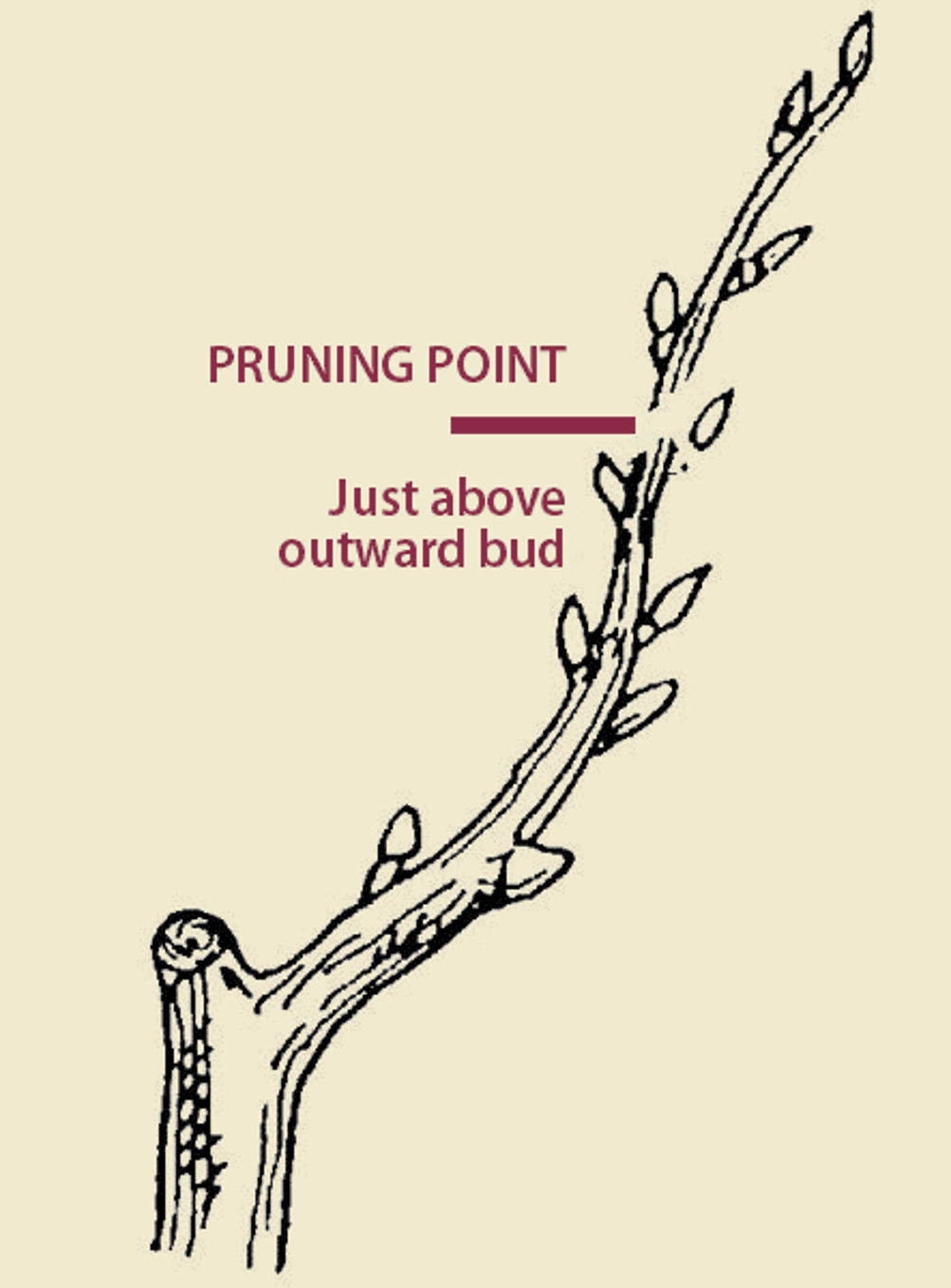
Heading Cuts
Heading cuts shorten a branch by cutting it back to a bud or side branch. This encourages new growth near the cut.
Use heading cuts to control tree height and shape. They help develop a strong branch structure for better fruit support.
- Cut just above an outward-facing bud
- Make clean cuts to avoid damage
- Do not cut too close to the bud
Pinching Tips
Pinching removes new shoots or buds by hand. It is a gentle way to guide growth without heavy cuts.
Pinching helps focus the tree’s energy on strong branches and fruit production. Do it early in the growing season.
- Pinch soft new shoots with your fingers
- Remove weak or crowded buds
- Do pinching regularly for best results
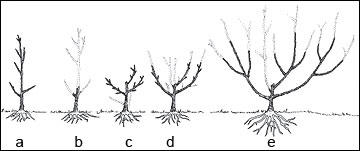
Shaping For Balanced Growth
Pruning fruit trees helps them grow strong and produce more fruit. Shaping the tree keeps it healthy and balanced.
Good pruning lets sunlight reach all parts of the tree. It also improves air flow to reduce disease.
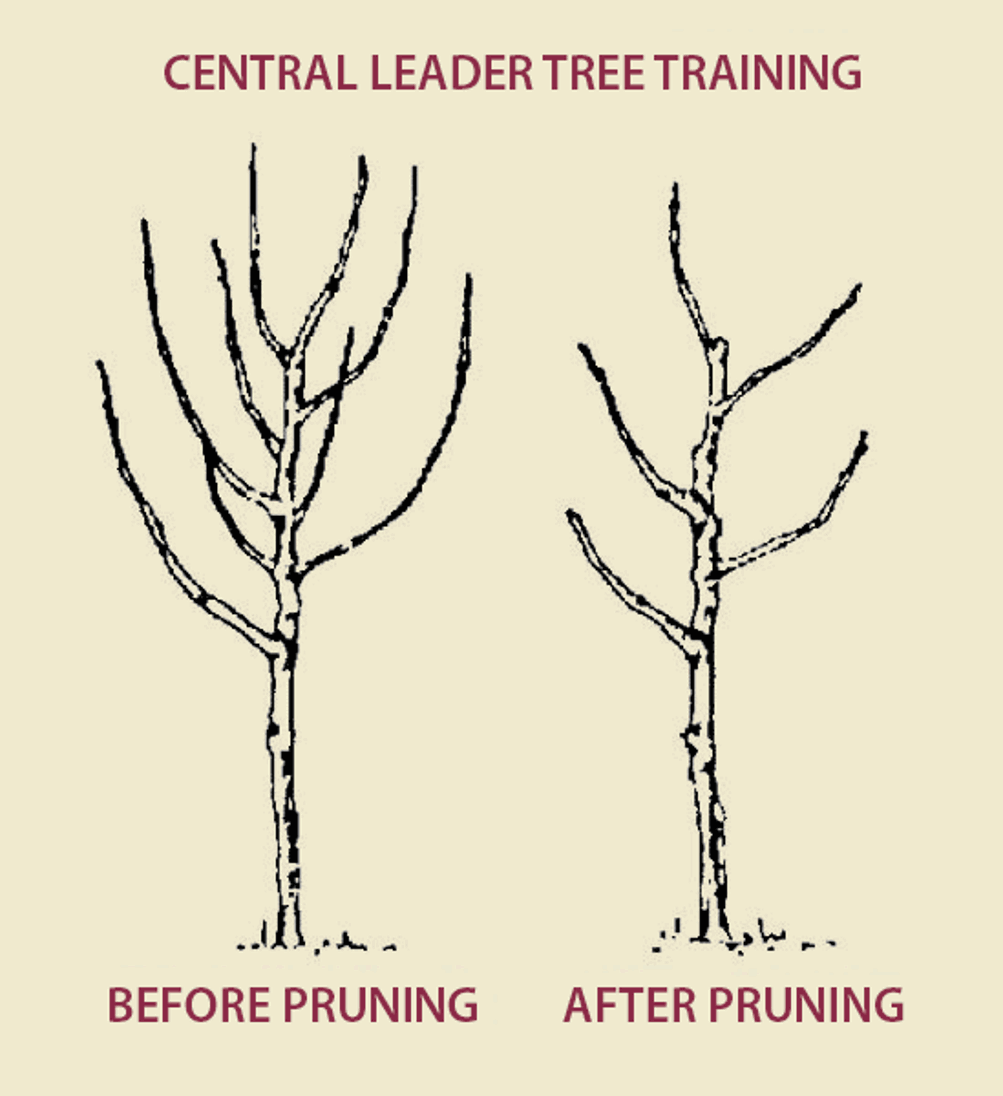
Central Leader Method
This method keeps one main trunk called the central leader. Side branches grow around it in layers.
Prune to keep the leader tall and straight. Remove branches that grow inward or cross others.
- Cut back side branches to about half their length
- Keep branches spaced evenly around the leader
- Remove any weak or damaged branches
- Make sure the central leader stays dominant
Open Center Method
This method removes the main leader to create an open center. It forms a vase shape with several strong arms.
Cut the central leader off near the base. Select 3 to 5 main branches to grow outward.
- Remove branches that grow toward the center
- Keep the main arms evenly spaced
- Prune shoots that grow too tall or too low
- Open center lets sunlight reach inside the tree
Managing Tree Health
Pruning fruit trees helps keep them healthy and strong. It removes parts that can harm the tree.
Good pruning allows sunlight and air to reach all branches. This helps fruit grow better and reduces disease.
Removing Dead Or Diseased Wood
Dead or diseased branches hurt tree health. They block sunlight and spread sickness to healthy parts.
Cut these branches off to stop problems. Use clean tools to avoid spreading disease.
- Look for dry, cracked, or dark branches
- Remove branches with spots or unusual growths
- Cut branches back to healthy wood or the trunk
- Disinfect pruning tools after each cut
Preventing Overcrowding
Too many branches close together block light and air. This makes fruit smaller and weakens the tree.
Remove some branches to open the tree’s center. This helps air flow and sunlight reach all parts.
- Cut branches that cross or rub against each other
- Remove weak or thin branches
- Keep strong, well-spaced branches
- Focus on shaping the tree evenly
Credit: www.groworganic.com
Encouraging Fruit Production
Pruning fruit trees helps them grow strong and produce more fruit. It keeps the tree healthy and balanced.
Removing the right parts at the right time encourages the tree to focus energy on fruit production.
Timing Fruit Bud Removal
Fruit buds need to be removed at the right time to help the tree grow better fruit. This is usually done in early spring.
Removing some buds lets the tree put more energy into fewer fruits. This makes the fruits bigger and tastier.
- Remove weak or damaged buds
- Keep strong buds spaced apart
- Do pruning before buds swell fully
Stimulating New Growth
Cutting back old branches helps the tree grow new shoots. New shoots can produce more flowers and fruits.
Prune branches that cross or grow inward to open the tree. This improves air and light inside the tree.
- Cut back about one-third of old growth
- Remove dead or weak branches
- Shape the tree for good air flow
Common Mistakes To Avoid
Pruning fruit trees helps them grow strong and healthy. But some mistakes can harm the tree.
Knowing what to avoid keeps your tree balanced and fruitful for years.
Over-pruning
Cutting too many branches can weaken the tree. It may lose leaves that make food through sunlight.
- Over-pruning reduces fruit production.
- It exposes the tree to sunburn and pests.
- It can cause stress and slow growth.
- New growth may become weak and crowded.
Prune only the branches that need removal. Always leave enough leaves for the tree to stay healthy.
Ignoring Tree Structure
Good tree shape helps fruit grow well and keeps branches strong. Ignoring structure causes problems later.
| Problem | Effect on Tree |
| Weak branch angles | Branches may break under fruit weight |
| Crowded branches | Less air flow and more disease |
| Crossing branches | Damage bark and slow growth |
| Missing central leader | Unbalanced tree shape |
Trim to keep good spacing and strong branch angles. Follow the tree’s natural shape for balanced growth.
Aftercare For Pruned Trees
After pruning fruit trees, proper care helps them grow strong and healthy. This care supports healing and balanced growth.
Pay close attention to watering, feeding, and monitoring the tree’s recovery. These steps help the tree adjust after pruning.
Watering And Feeding
Water the tree deeply after pruning. This helps reduce stress and supports new growth. Keep the soil moist but not waterlogged.
Feed the tree with balanced fertilizer to provide nutrients. Avoid high nitrogen fertilizers right after pruning to prevent weak shoots.
- Water once or twice a week depending on weather
- Apply fertilizer in early spring or late fall
- Use slow-release fertilizer for steady nutrition
- Mulch around the tree to keep soil moist
Monitoring Recovery
Check the tree regularly for signs of stress or disease. Look for wilting leaves, discoloration, or unusual spots.
Remove any damaged or dead branches as the tree heals. This prevents pests and keeps the tree healthy.
- Inspect leaves and branches every week
- Watch for pests like aphids or caterpillars
- Prune dead wood promptly to stop disease
- Support weak branches with stakes if needed
Credit: www.starkbros.com
Frequently Asked Questions
What Is The Best Time To Prune Fruit Trees?
The best time to prune fruit trees is late winter or early spring. This timing avoids frost damage and promotes healthy growth before bud break.
How Often Should I Prune My Fruit Trees?
Prune fruit trees annually to maintain balanced growth. Regular pruning improves air circulation, sunlight penetration, and fruit quality.
What Tools Do I Need For Pruning Fruit Trees?
Essential pruning tools include sharp bypass pruners, loppers, and a pruning saw. Clean tools prevent disease spread and ensure precise cuts.
How Do I Identify Branches To Prune?
Remove dead, diseased, or crossing branches first. Also, cut weak or inward-growing branches to promote a balanced tree structure.
Conclusion
Pruning fruit trees helps them grow strong and healthy. It improves air flow and lets sunlight reach all branches. Cutting the right branches keeps the tree balanced and full of fruit. Regular pruning prevents disease and makes harvesting easier. Keep tools clean and cut carefully for best results.
Watch your tree change and grow after each prune. A little care goes a long way in fruit tree health. Try these steps to enjoy better fruit year after year.