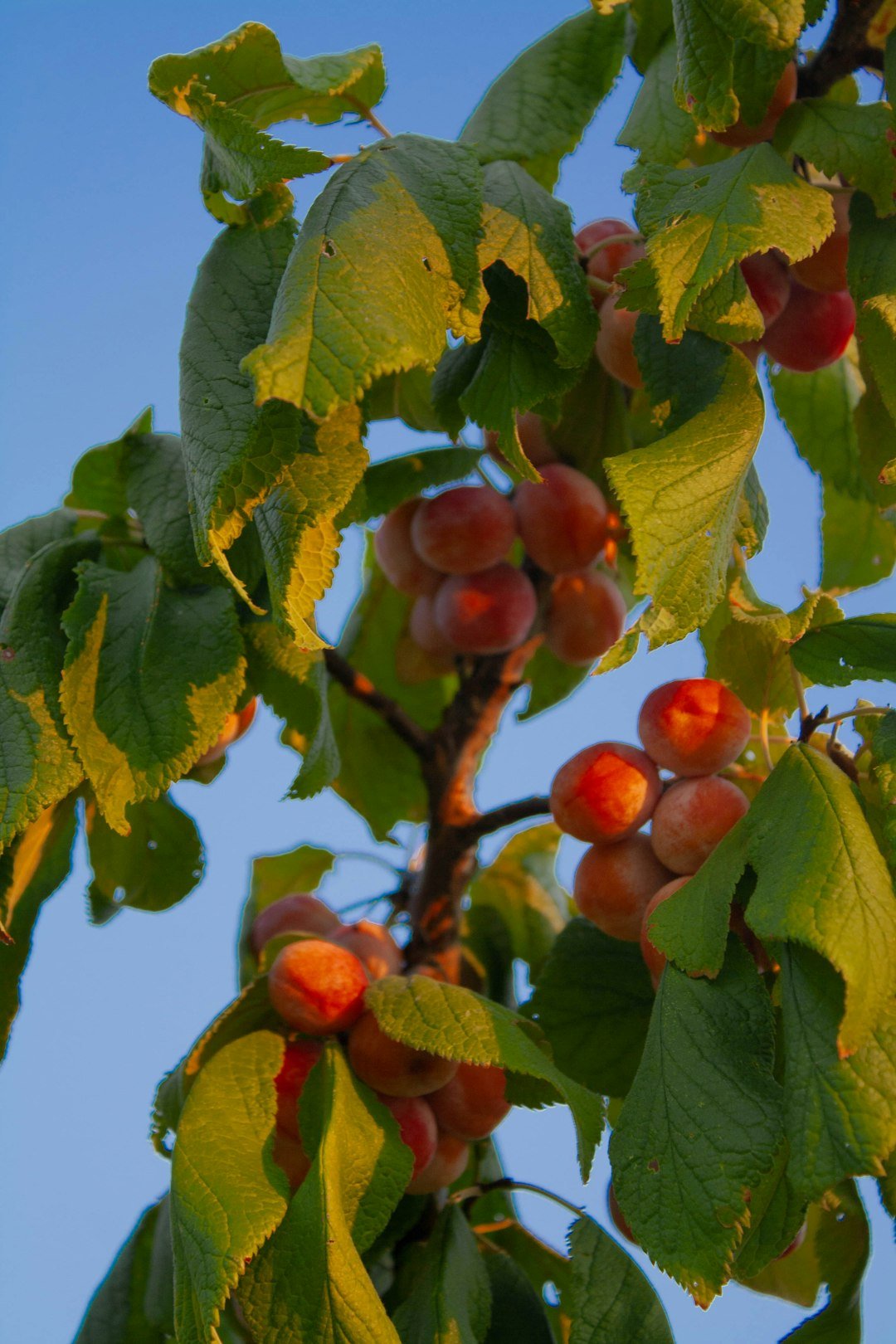
Imagine walking through your garden, plucking juicy, ripe fruits straight from the branches of your own trees. Sounds like a dream, right?
The secret to making this dream a reality lies in one essential gardening skill: pruning. By learning how to prune fruit trees properly, you can boost your harvest and enjoy bountiful fruit seasons year after year. But don’t worry, you don’t need to be an expert to get started.
With some simple techniques and a little bit of time, you’ll soon see your fruit trees flourish. Let’s dive into the art of pruning, so you can nurture your trees into becoming abundant fruit producers. Keep reading to discover the steps that will transform your garden and delight your taste buds!
Benefits Of Pruning Fruit Trees
Pruning fruit trees helps them grow better and produce more fruit. Cutting some branches improves the tree’s shape and strength.
Regular pruning keeps the tree healthy and makes fruit easier to harvest. It also helps the tree use sunlight and air better.
Improved Fruit Quality
Pruning removes weak or old branches. This allows the tree to focus energy on growing bigger and sweeter fruit.
Good pruning helps fruit get enough light and air. This reduces disease and improves taste and size.
Enhanced Tree Health
Removing dead or crowded branches prevents pests and diseases. It helps the tree stay strong and live longer.
Pruning also stops branches from breaking under heavy fruit weight. This keeps the tree safe and healthy.
Increased Sunlight And Airflow
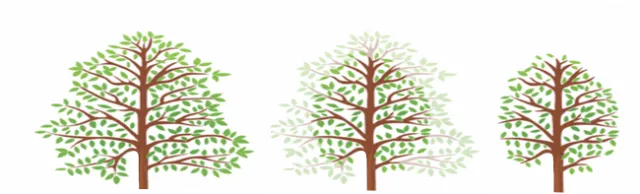
Pruning opens up the tree’s center. More sunlight reaches all parts of the tree, helping fruit grow evenly.
Better airflow reduces moisture that causes fungus. This keeps leaves and fruit dry and healthy.
- Sunlight helps photosynthesis
- Airflow lowers disease risk
- Even ripening of fruit
Credit: ucanr.edu
Best Time To Prune
Pruning fruit trees helps them grow strong and produce more fruit. Picking the right time to prune is very important.
Pruning at the wrong time can hurt the tree or reduce fruit yield. Learn when to prune for the best results.
Seasonal Timing
The best time to prune most fruit trees is late winter or early spring. The tree is still dormant then.
Pruning in this season helps the tree heal faster and grow healthy branches for fruit.
- Late winter pruning encourages strong growth
- Spring pruning removes dead or weak branches
- Avoid pruning in late summer or fall
Avoiding Frost Damage
Prune after the coldest part of winter ends. Pruning too early can cause frost damage.
Frost can harm fresh cuts and make the tree weak. Wait until danger of frost is low.
- Check local frost dates before pruning
- Prune when temperatures stay above freezing
- Protect young trees if frost is expected
Pruning Young Vs Mature Trees
Young trees need light pruning to shape them and build structure. Remove only a few branches.
Mature trees need heavier pruning to remove old wood and increase fruit production.
- Young trees: prune to guide branch growth
- Mature trees: prune to improve air and light
- Always remove dead or damaged branches
Essential Tools For Pruning
Pruning fruit trees helps them grow healthy and produce more fruit. Using the right tools makes pruning easier and safer.
Good tools cut cleanly and reduce damage to the tree. Keep your tools sharp and clean for best results.
Pruning Shears And Loppers
Pruning shears are small scissors for cutting thin branches up to half an inch thick. They are easy to handle and make precise cuts.
Loppers have long handles and can cut thicker branches up to two inches wide. They give more leverage to cut without much effort.
- Pruning shears for small, delicate cuts
- Loppers for medium-thick branches
- Keep blades sharp for clean cuts
- Choose tools with comfortable grips
Hand Saws And Pole Pruners
Hand saws cut branches thicker than two inches. They have sharp teeth for smooth cuts through wood.
Pole pruners have a saw or pruner at the end of a long pole. They help reach high branches safely from the ground.
- Use hand saws for thick, hard-to-reach branches
- Pole pruners extend your reach without climbing
- Check saw teeth for sharpness before use
- Use steady, controlled movements when sawing
Safety Gear
Wear safety gear to protect yourself while pruning. This prevents injuries from sharp tools and falling branches.
Good safety gear includes gloves, eye protection, and sturdy shoes. Dress in long sleeves and pants to avoid scratches.
- Gloves protect hands from cuts and blisters
- Safety glasses shield eyes from debris
- Sturdy shoes protect feet from falling branches
- Wear long clothes to protect skin
Pruning Techniques For Fruit Trees
Pruning fruit trees helps them grow healthy and produce more fruit. It removes unwanted branches and shapes the tree.
Using the right pruning techniques improves air flow and sunlight. This keeps the tree strong and fruit full of flavor.
Thinning Cuts
Thinning cuts remove whole branches back to their base or a main branch. This opens the tree and reduces crowding.
- Cut small or weak branches to improve air flow
- Remove crossing branches to prevent damage
- Thin crowded areas to let light reach inner parts
Heading Cuts
Heading cuts shorten branches by cutting them back to a bud or side branch. This encourages new growth.
| Purpose | Effect |
| Cut back long shoots | Encourages side branches |
| Shape the tree | Controls size and form |
| Stimulate fruit buds | Increases fruit production |
Removing Dead And Diseased Wood
Dead and diseased wood weakens the tree and spreads illness. Removing it keeps the tree healthy.
Follow these tips to remove dead and diseased wood:
- Cut branches that look dry or brittle
- Remove limbs with spots or fungus
- Use clean tools to avoid spreading disease
- Dispose of pruned wood away from healthy trees
Shaping Fruit Trees
Shaping fruit trees helps them grow strong and produce more fruit. Proper pruning opens the tree to sunlight and air.
Different tree shapes suit various fruit types and garden spaces. Choose a shape that fits your tree and goals.
Open Center Shape
The open center shape keeps the tree’s center clear of branches. This allows sunlight to reach all parts of the tree.
It works well for peach, plum, and nectarine trees. You remove the central leader and select 3-5 main branches.
- Cut the central branch to open the center
- Keep strong branches growing outward
- Remove weak or inward-growing branches
- Thin crowded branches for air flow
Central Leader Shape
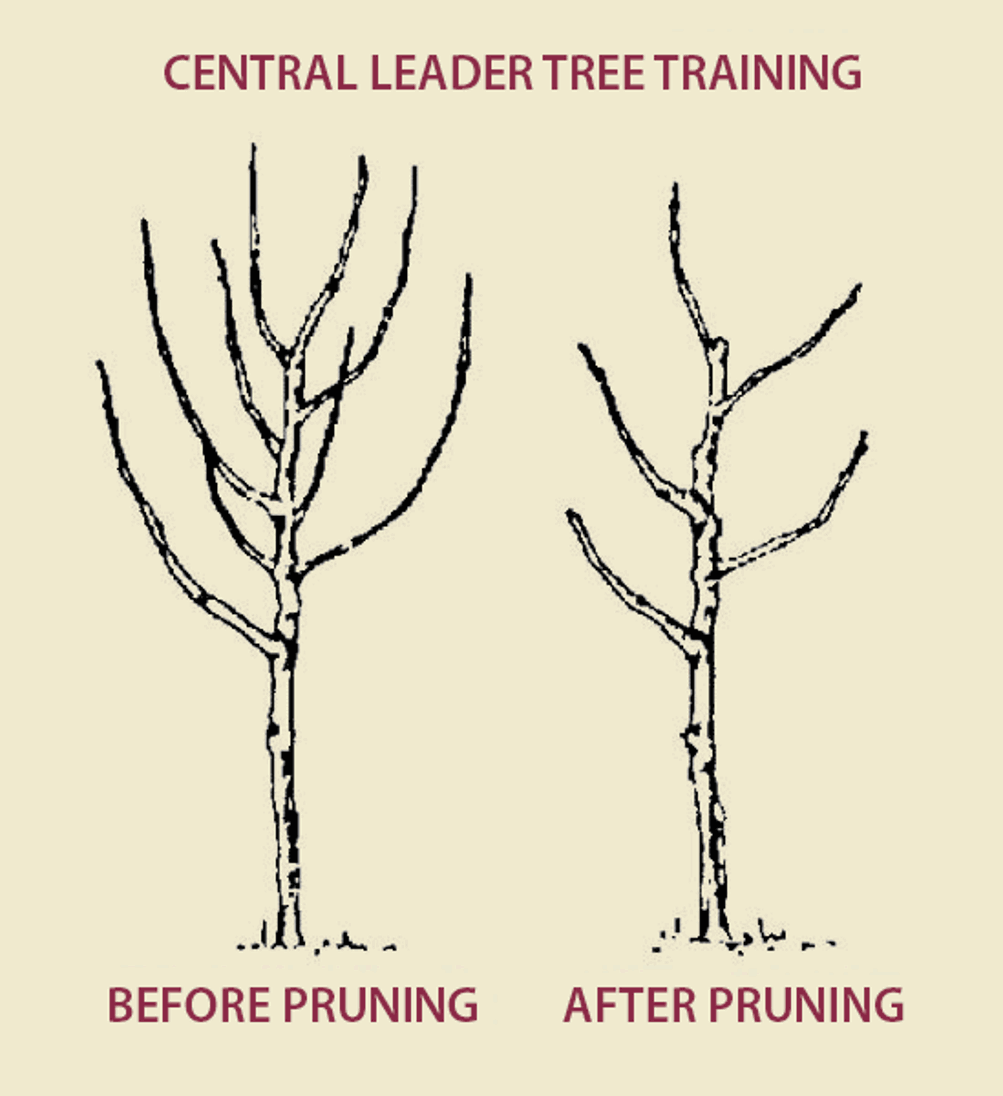
The central leader shape has one main trunk with side branches. It is common for apple and pear trees.
Prune to keep a tall central branch and remove competing leaders. Train side branches to grow at wide angles.
- Maintain one strong central trunk
- Cut off side branches that grow upward
- Space side branches evenly around the trunk
- Remove crowded or crossing branches
Espalier And Other Forms
Espalier is a flat tree shape trained against a wall or fence. It saves space and looks decorative.
Other forms include cordon, fan, and goblet shapes. These shapes help fit trees into small gardens.
- Espalier: Train branches horizontally on supports
- Cordon: Single stem with short fruiting spurs
- Fan: Spread branches in a fan shape from one trunk
- Goblet: Open center with upward and outward branches
Common Pruning Mistakes To Avoid
Pruning fruit trees helps them grow strong and produce more fruit. Many people make simple mistakes that hurt the tree.
Avoid these common pruning errors to keep your fruit trees healthy and fruitful.
Over-pruning
Cutting too many branches removes leaves that make food for the tree. This weakens the tree and lowers fruit production.
Only remove about 20-30% of the tree’s branches each year to avoid stressing it.
- Don’t remove too many leaves at once
- Keep the tree balanced with even pruning
- Focus on removing dead or weak branches first
Incorrect Cut Placement
Making cuts in the wrong place can harm the tree. Cuts too close to the trunk may cause damage.
Cut just outside the branch collar, the swollen area where the branch meets the trunk. This helps the tree heal faster.
- Avoid cutting flush with the trunk
- Don’t leave a long stub on the branch
- Make clean cuts with sharp tools
Ignoring Tree Growth Patterns
Each fruit tree grows in a certain way. Ignoring this can cause poor shape and less fruit.
Learn how your tree grows and prune to support strong branches and good sunlight exposure.
- Remove branches that cross or rub each other
- Keep the center open for air and light
- Shape the tree to balance growth and fruit load
Aftercare For Pruned Trees
After pruning your fruit trees, proper care is key to help them heal and grow strong. Taking good care of the trees supports fruit production in the coming seasons.
Focus on watering, feeding, and watching for pests or diseases. This care helps the trees recover quickly and stay healthy.
Watering And Fertilizing
Keep the soil moist but not soaked after pruning. Water the trees deeply to reach the roots. Avoid shallow watering that can dry out too fast.
- Water once or twice a week depending on weather
- Use a balanced fertilizer to supply nutrients
- Apply fertilizer around the drip line, not at the trunk
- Do not over-fertilize; it can harm new growth
Pest And Disease Control
Pruned trees can attract pests and diseases. Check branches and leaves often for signs of trouble. Early action keeps problems from spreading.
| Common Pest | Signs | Control Method |
| Aphids | Sticky leaves, curled edges | Spray water or insecticidal soap |
| Scale Insects | Small bumps on stems | Use horticultural oil |
| Fungal Infection | Discolored spots on leaves | Remove infected parts, use fungicide |
Monitoring New Growth
Watch new shoots and leaves for healthy growth. Notice if growth is slow or weak, which may need extra care. Keep pruning small dead or weak branches.
- Look for bright green, firm leaves
- Remove any damaged or dry shoots
- Keep area around the tree free from weeds
- Support young branches with ties if needed

Credit: www.givinggrove.org
Credit: www.starkbros.com
Frequently Asked Questions
What Is The Best Time To Prune Fruit Trees?
The best time to prune fruit trees is late winter or early spring. This timing helps avoid disease and encourages healthy growth before the growing season.
How Does Pruning Increase Fruit Production?
Pruning removes dead or overcrowded branches, improving air circulation and sunlight exposure. This boosts fruit quality and quantity by directing energy to productive branches.
What Tools Are Needed For Pruning Fruit Trees?
Essential tools include sharp pruning shears, loppers, and a pruning saw. Clean, sharp tools make precise cuts, reducing damage and infection risk.
How Often Should I Prune My Fruit Trees?
Fruit trees should be pruned annually. Regular pruning maintains tree shape, removes unhealthy wood, and supports consistent fruit production.
Conclusion
Pruning fruit trees helps them grow strong and healthy. It lets sunlight reach inside the branches. This encourages bigger and tastier fruit to grow. Cutting away old or weak branches improves air flow. It also stops disease from spreading. Prune trees during the right season for best results.
Regular care makes your fruit trees last longer. Enjoy fresh fruit from your own garden every year. Simple pruning steps bring better fruit harvests. Start pruning today for a fruitful tomorrow.