Are you eager to enjoy a bigger, healthier fruit harvest from your trees? Knowing how to prune fruit trees properly is the secret that many gardeners overlook.
When you prune your trees the right way, you unlock their full potential—boosting fruit size, improving taste, and keeping your trees strong for years to come. You’ll discover simple, step-by-step tips that make pruning easy, even if you’ve never done it before.
Keep reading, and soon you’ll see your fruit trees thrive like never before.
Credit: www.starkbros.com
Benefits Of Pruning Fruit Trees
Pruning fruit trees helps them grow better and produce more fruit. It removes old or dead branches. This allows the tree to focus its energy on healthy growth.
Regular pruning keeps trees strong and improves the quality of the harvest. It also helps sunlight reach all parts of the tree. This makes the fruit ripen evenly and taste better.
Improved Fruit Quality
Pruning increases air flow and light inside the tree. This reduces disease and helps fruit grow bigger and sweeter. It also helps fruit develop good color and texture.
- Removes crowded branches that block light
- Encourages growth of strong fruit-bearing wood
- Reduces pests by opening the tree canopy
- Improves fruit size and flavor
Enhanced Tree Health
Cutting away dead or weak branches stops disease spread. It also prevents damage from heavy fruit or strong winds. A healthy tree lives longer and produces fruit for many years.
| Pruning Benefit | Effect on Tree |
| Remove dead wood | Prevents disease |
| Thin crowded areas | Improves air flow |
| Shape the tree | Supports strong growth |
| Remove weak branches | Reduces breakage |
Increased Sunlight Exposure
Pruning opens the tree canopy to let sunlight in. Sunlight helps leaves make food for the tree. It also helps fruit ripen evenly and improves taste.
- Boosts photosynthesis for better growth
- Improves fruit color and sweetness
- Reduces dampness that causes mold
- Helps control pests naturally
Best Time To Prune
Pruning fruit trees at the right time helps them grow strong and produce more fruit. It also keeps the tree healthy and easy to manage.
The best time to prune is usually when the tree is not growing much. This is often in late winter or early spring before new growth starts.
Seasonal Considerations
Pruning at different seasons affects the tree in different ways. Choose the season that fits your tree type and climate.
Winter pruning helps shape the tree and remove dead branches. Summer pruning controls growth and improves sunlight inside the tree.
- Winter: Remove dead or weak branches; tree is dormant.
- Spring: Avoid heavy pruning; new buds start to grow.
- Summer: Trim to manage size and shape; avoid removing too much.
- Fall: Generally avoid pruning to prevent disease.
Signs Your Tree Needs Pruning
Watch for signs that show your fruit tree needs pruning. These signs help you decide when to act for better harvests.
Look for crowded branches, dead wood, and poor fruit production. These indicate it is time to prune the tree.
- Branches growing inward or crossing each other.
- Dead, broken, or diseased branches.
- Less fruit or small fruit on the tree.
- Tree looks too dense and blocks sunlight.
Essential Tools For Pruning
Pruning fruit trees helps improve their health and fruit production. Using the right tools makes pruning easier and safer.
This guide covers the main tools needed for pruning: pruners, shears, ladders, and safety gear.
Pruners And Shears
Sharp pruners and shears cut branches cleanly. Clean cuts help trees heal faster and prevent disease.
- Hand pruners are good for small branches and twigs.
- Bypass pruners make smooth cuts on living wood.
- Loppers cut thicker branches that hand pruners cannot handle.
- Hedge shears help trim small, leafy growth.
- Keep blades sharp and clean to avoid tree damage.
Ladders And Safety Gear
A sturdy ladder helps reach high branches safely. Use safety gear to protect yourself while pruning.
| Tool | Purpose | Safety Tips |
| Ladder | Reach high branches | Place on firm ground; avoid leaning too far |
| Gloves | Protect hands from cuts and thorns | Wear thick, well-fitting gloves |
| Safety glasses | Shield eyes from debris | Use impact-resistant lenses |
| Helmet | Protect head from falling branches | Wear a properly fitted helmet |
Credit: www.groworganic.com
Basic Pruning Techniques
Pruning fruit trees helps them grow strong and produce more fruit. It removes extra branches and shapes the tree.
Good pruning improves sunlight and air flow. This keeps the tree healthy and ready for a good harvest.
Thinning Cuts
Thinning cuts remove whole branches at their base. This opens the tree canopy and lets in light and air.
These cuts reduce crowding and help fruit grow bigger. Avoid cutting too many branches at once.
- Remove small or weak branches
- Cut branches that cross or rub each other
- Keep the tree balanced and open
Heading Cuts
Heading cuts shorten branches by cutting them back to a bud or side branch. This encourages new growth.
Use heading cuts to shape the tree and control its size. Do not cut too close to the bud.
- Cut above a healthy outward-facing bud
- Use clean, sharp tools for smooth cuts
- Make cuts at a slight angle to help healing
Removing Dead Or Diseased Branches
Dead or diseased branches hurt tree health and fruit quality. Remove them quickly to stop spread.
Cut back to healthy wood or the main trunk. Clean your tools after to avoid infection.
- Look for dry, cracked, or discolored branches
- Cut branches showing signs of disease or fungus
- Dispose of removed branches away from the tree
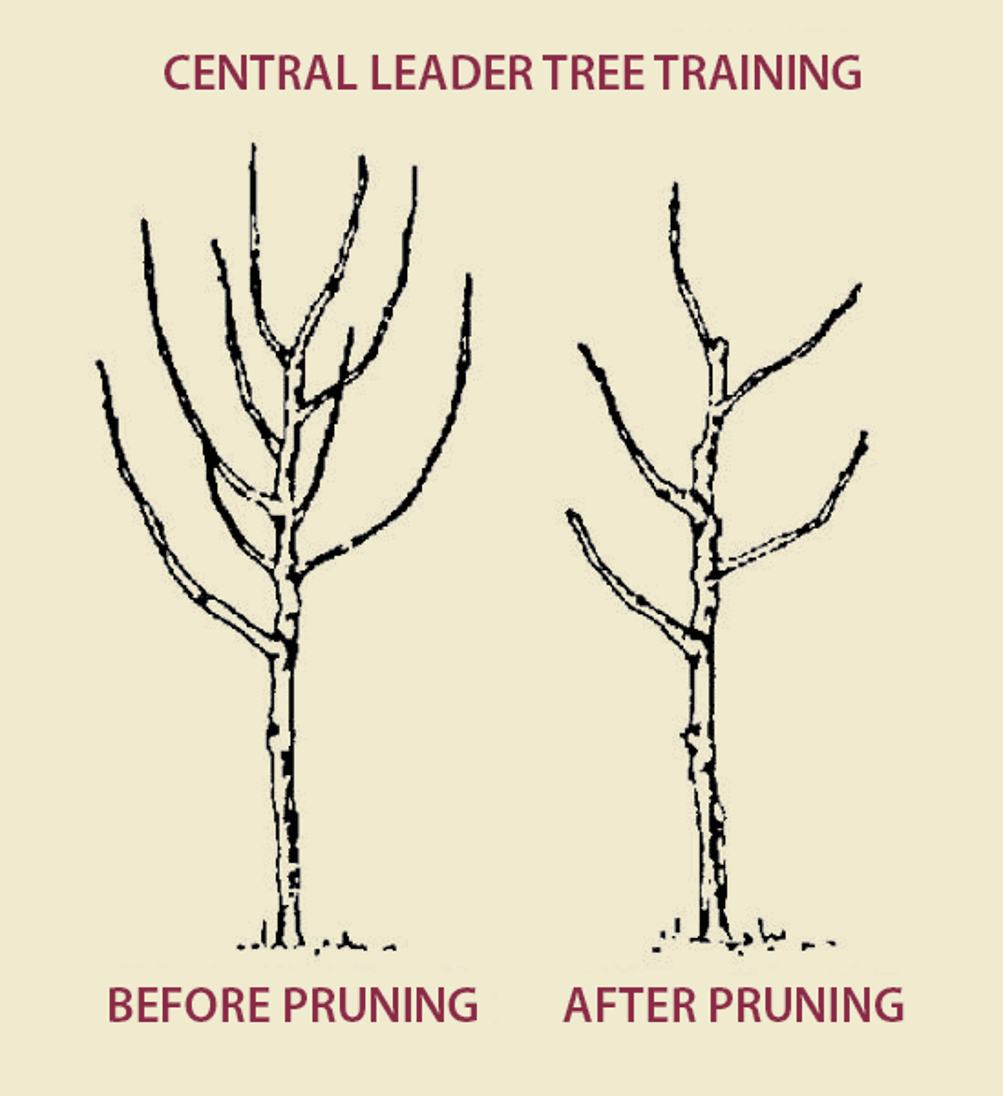
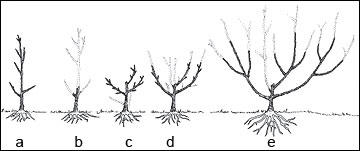
Shaping Young Fruit Trees
Pruning young fruit trees helps them grow strong and healthy. It guides the tree’s shape for better fruit production. Early shaping sets the foundation for future harvests.
Good pruning improves air flow and sunlight inside the tree. It also makes harvesting easier. Learning the right techniques early is important for a fruitful tree.
Establishing A Strong Framework
Start pruning to form a sturdy structure. This supports heavy fruit loads later. Focus on main branches that grow out evenly from the trunk.
- Choose 3 to 5 strong branches spaced evenly around the trunk.
- Remove weak or crossing branches to avoid crowding.
- Cut branches to an outward-facing bud to encourage wide growth.
- Keep the central leader (main stem) straight and strong.
- Prune to maintain a balanced shape with good air flow.
Encouraging Fruit Production
After the framework is set, prune to boost fruit growth. Remove shoots that do not produce flowers. Thin crowded areas to let light reach fruit buds.
| Pruning Action | Effect on Fruit |
| Cutting back long shoots | Stimulates new fruiting branches |
| Removing dead or diseased wood | Prevents infections and improves tree health |
| Thinning crowded branches | Increases sunlight and air flow to fruits |
| Pinching off early flowers (if needed) | Helps tree focus on growth first |
Maintaining Mature Trees
Keeping mature fruit trees healthy helps them produce more fruit. Pruning is key to removing old wood and encouraging new growth.
Regular care ensures the tree stays strong and gives a better harvest each year.
Renewal Pruning
Renewal pruning helps older branches grow fresh shoots. Cut back some old branches near the base to let new ones grow.
This pruning keeps the tree healthy and boosts fruit production over time.
- Remove dead or weak branches first
- Cut older branches to encourage new growth
- Leave some healthy branches for fruit
- Do this pruning in late winter or early spring
Managing Overgrowth
Overgrown trees block sunlight and reduce fruit quality. Trim crowded branches to open the canopy.
Thinning the tree helps air flow and lets fruit get more light for better ripening.
- Remove crossing branches that rub together
- Cut back shoots that grow inside the tree
- Thin dense areas to let sunlight in
- Prune after fruit harvest for best results
Common Mistakes To Avoid
Pruning fruit trees helps them grow strong and produce more fruit. Many people make mistakes that hurt the tree or lower the harvest.
Knowing which mistakes to avoid can keep your trees healthy and fruitful for years.
Over-pruning
Cutting too many branches weakens the tree. It can stop fruit from growing well. Over-pruning removes leaves that make food for the tree.
Prune only the branches you need to. Remove dead, damaged, or crossing branches. Leave enough healthy branches for strong growth.
- Don’t remove more than 25% of the tree’s branches at once
- Keep enough leaves to feed the tree
- Focus on shaping the tree, not cutting too much
Ignoring Tree Health
Pruning when the tree is sick or stressed can cause damage. Check the tree’s health before pruning. Look for signs of disease or pests.
Prune only healthy trees in good weather. Avoid pruning during extreme heat or cold. Proper care before and after pruning helps the tree recover fast.
- Inspect the tree for disease or pests
- Do not prune during drought or frost
- Water and fertilize trees after pruning
Using Dull Tools
Dull pruning tools make rough cuts. These cuts heal slowly and can let in disease. Sharp tools make clean cuts that heal faster.
Always sharpen your tools before pruning. Clean your tools to stop spreading infection between trees.
- Use sharp pruning shears and saws
- Clean tools with rubbing alcohol before use
- Sharpen blades regularly for best results

Credit: www.youtube.com
Aftercare For Pruned Trees
After pruning your fruit trees, proper care helps them heal and grow strong. Taking time to care for the trees ensures a better harvest next season.
Good aftercare includes watering, fertilizing, and watching for any signs of pests or diseases. These steps keep your trees healthy and productive.
Watering And Fertilizing
New cuts and wounds need moisture to heal well. Water your trees deeply after pruning to reduce stress and support growth.
- Water the tree at least once a week during dry periods.
- Apply mulch around the base to keep soil moist and cool.
- Use a balanced fertilizer to help the tree recover nutrients lost during pruning.
- Avoid over-fertilizing, which can harm the tree.
Monitoring For Pests And Diseases
Pruned trees can attract pests or become vulnerable to diseases. Check your trees often to catch problems early.
| Common Issue | Signs to Watch For | Action to Take |
|---|---|---|
| Aphids | Sticky leaves, curled foliage | Spray with insecticidal soap |
| Fungal Infection | Discolored spots on leaves, cankers | Remove infected branches, apply fungicide |
| Scale Insects | Small bumps on branches, yellow leaves | Use horticultural oil in early spring |
Frequently Asked Questions
What Tools Are Best For Pruning Fruit Trees?
Pruning shears, loppers, and pruning saws are essential tools. Shears handle small branches, while loppers are for medium-sized ones. Use a pruning saw for larger limbs. Ensure tools are sharp and clean to make precise cuts and prevent disease spread.
Proper tools ensure efficient and effective pruning.
When Is The Best Time To Prune Fruit Trees?
Late winter or early spring is ideal for pruning. During this dormant period, trees are less stressed, and cuts heal faster. Avoid pruning in late summer or fall, as it may stimulate new growth vulnerable to frost damage. Proper timing enhances tree health and fruit production.
How Does Pruning Improve Fruit Yield?
Pruning enhances sunlight penetration and air circulation, fostering healthier growth. It removes dead or diseased wood, encouraging new growth and fruit production. By shaping the tree structure, pruning supports stronger branches that can bear the weight of fruit. Regular pruning increases overall fruit yield and quality.
Can Over-pruning Harm Fruit Trees?
Yes, over-pruning can weaken trees and reduce fruit production. Removing too much foliage stresses the tree, limiting its photosynthesis ability. This can lead to reduced energy for fruit development. It’s crucial to prune carefully, removing no more than 20-30% of the tree’s canopy annually.
Conclusion
Pruning fruit trees helps them grow strong and healthy. It improves air flow and sunlight inside the branches. This leads to bigger, tastier fruit during harvest time. Regular pruning also stops disease and pest problems early. Use the right tools and cut at the right time.
Watch your trees closely and prune every year. Small efforts bring a better harvest and happier trees. Start pruning today to enjoy fresh fruit tomorrow. Simple steps make a big difference in your garden.