Ever gazed at your garden and felt that your hedges look a bit unruly? You’re not alone.
Many homeowners struggle to achieve that perfect, neat finish for their hedges. But here’s the good news: with a little know-how, you can transform your hedges from wild to wonderful. Imagine stepping into your garden and seeing perfectly shaped greenery that not only enhances your home’s curb appeal but also gives you a sense of pride.
It’s easier than you might think, and you’re about to discover how. Dive into this guide, and let’s unlock the secrets to pruning your hedges like a pro. Your garden’s transformation is just a few snips away!
Choosing The Right Tools
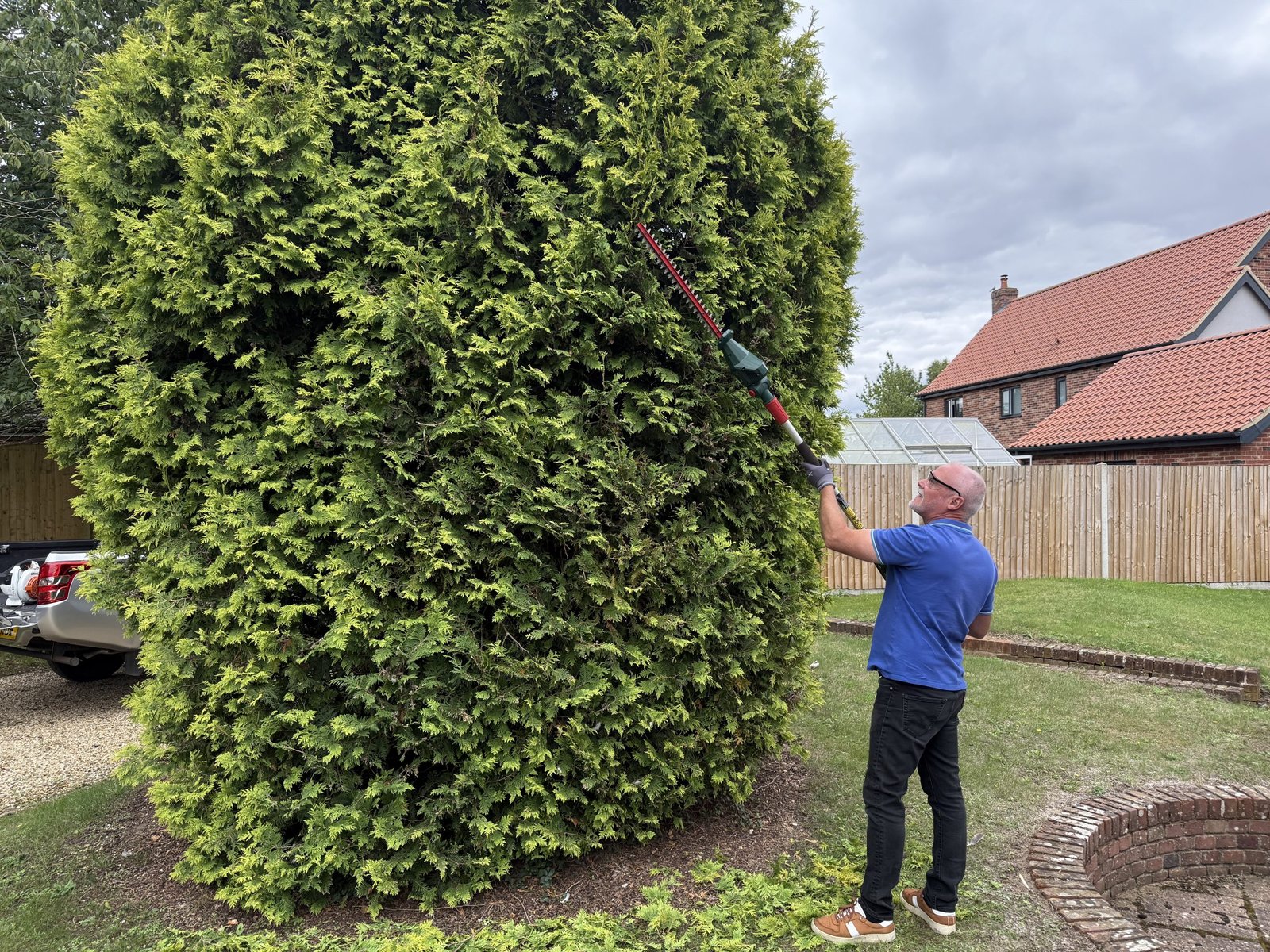
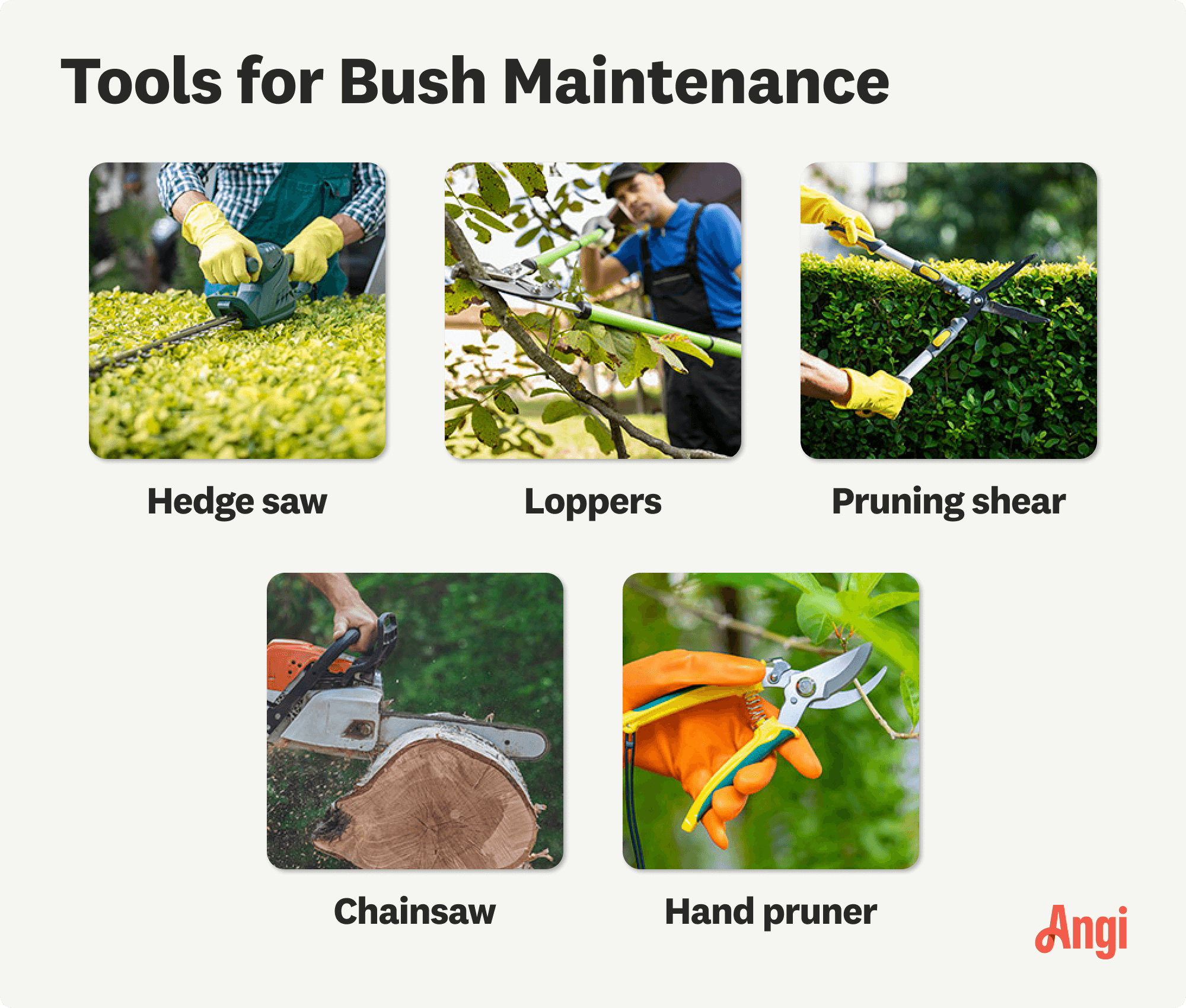
Pruning hedges is easier with the right tools. Picking the best tools helps you get a neat finish.
Good tools make your work faster and cleaner. They also protect your plants and yourself.
Hand Pruners Vs. Hedge Shears
Hand pruners cut small branches and twigs. They are perfect for detailed trimming and shaping.
Hedge shears have long blades. They cut many branches at once and help shape big hedges.
- Hand pruners offer precision and control
- Hedge shears work faster on large areas
- Hand pruners are good for tight spaces
- Hedge shears are best for flat, even cuts
Safety Gear Essentials
Wear safety gear to protect your hands and eyes. Sharp tools can cause injuries if you are not careful.
Always use gloves and safety glasses. They help prevent cuts and keep debris out of your eyes.
- Use thick gloves to protect your hands
- Wear safety glasses to shield your eyes
- Wear long sleeves to avoid scratches
- Use sturdy shoes to protect your feet

Credit: webbgardenpower.co.uk
Best Time To Prune
Pruning hedges at the right time helps keep them healthy and neat. It also encourages strong growth and a tidy shape.
Choosing the best time to prune depends on the type of hedge and the climate where you live. Knowing when to cut saves your plants from damage.
Seasonal Considerations
Prune most hedges in late winter or early spring. This timing helps plants recover before new growth starts. Avoid heavy pruning in late fall to prevent frost damage.
In warmer areas, light trimming during summer keeps hedges tidy. But avoid cutting too much during hot months to reduce stress on plants.
- Late winter or early spring is best for most hedges
- Avoid heavy pruning in late fall
- Light trimming in summer helps maintain shape
- Adjust timing based on your local climate
Avoiding Flowering Periods
Do not prune hedges during their flowering period. Cutting flowers off reduces beauty and plant health. Wait until after blooming to trim.
Some hedges bloom in spring, others in summer or fall. Learn your hedge’s flowering time to plan pruning correctly.
- Check when your hedge flowers each year
- Prune just after flowering ends
- Avoid pruning during active bloom
- This keeps flowers healthy and vibrant
Preparing The Hedge
Pruning a hedge starts with good preparation. Taking time to prepare helps you get a neat, even finish.
Before cutting, check the hedge carefully. This lets you plan how to trim it best.
Clearing Debris
Remove any loose leaves, twigs, and dirt from the hedge. This clears your view and keeps tools clean.
- Use gloves to protect your hands.
- Shake or brush branches gently.
- Pick up fallen debris from the ground.
- Check for any pests or nests before pruning.
Assessing Growth Patterns
Look closely at how the hedge grows. Notice which parts are thick or thin and where new shoots appear.
| Growth Pattern | Action to Take |
| Dense and tall | Trim back evenly to shape and reduce height |
| Thin or bare spots | Avoid heavy cutting; encourage new growth |
| New shoots at base | Keep to promote fuller hedge |
| Overgrown branches | Cut back to main stems for control |
Basic Pruning Techniques
Pruning hedges keeps them healthy and looking tidy. It helps control their shape and size easily.
Use the right tools and cut carefully to avoid damage. Regular pruning makes your hedge dense and neat.
Shaping The Hedge
Start shaping by trimming the sides and top evenly. This gives the hedge a clear outline and firm form.
- Cut the sides straight or slightly angled to let sunlight reach all leaves.
- Trim the top flat or rounded to fit your garden style.
- Use sharp shears for clean cuts without tearing branches.
- Remove any dead or crossing branches first.
- Check the shape from different angles as you prune.
Trimming Tips For Evenness
Keep your hedge looking smooth by trimming evenly. Small, regular cuts work best.
| Tip | Why It Helps |
| Use a measuring tape | Ensures height and width stay consistent |
| Trim from bottom to top | Prevents uneven growth and gaps |
| Step back often | Helps spot uneven areas |
| Prune in good light | Improves visibility of shape and errors |
| Wear gloves and safety glasses | Protects you from scratches and debris |
Advanced Shaping Methods
Pruning hedges with advanced shaping methods helps keep your garden tidy. These techniques improve the look and health of your plants.
Focus on specific styles like geometric shapes and layered pruning. These methods add style and depth to your hedges.
Creating Geometric Shapes
Shaping hedges into geometric forms requires careful trimming. Use sharp tools and steady hands to keep lines clean and angles sharp.
- Start by trimming the sides evenly to form flat surfaces.
- Use string lines or guides to maintain straight edges.
- Trim top surfaces flat or into shapes like domes or pyramids.
- Check symmetry from different angles often.
- Remove any stray branches to keep the shape clear.
Layered Pruning For Depth
Layered pruning gives hedges a fuller, more textured look. Cut back in stages to reveal inner branches and build depth.
| Layer | Action | Effect |
| Outer Layer | Trim lightly to keep shape neat. | Maintains clean outer line. |
| Middle Layer | Cut back more to reveal inner growth. | Adds volume and depth. |
| Inner Layer | Remove dead or crowded branches. | Improves air and light flow. |
Credit: www.angi.com
Common Mistakes To Avoid
Pruning hedges keeps them tidy and healthy. Avoiding common mistakes helps your hedges grow well.
Here are two common errors to watch out for when pruning your hedges.
Over-pruning
Cutting too much can harm your hedge. It may lose leaves and look bare.
Over-pruning slows growth and makes the hedge weak. It also opens the plant to diseases.
- Do not remove more than one-third of the hedge at once
- Avoid cutting into old wood without leaves
- Keep the shape natural and balanced
Ignoring Hedge Health
Pruning without checking the plant’s health can cause problems. Sick hedges need special care.
Look for pests, diseases, or dead branches before pruning. These issues affect how you should trim.
- Remove dead or damaged branches first
- Treat pests or diseases before heavy pruning
- Water and feed the hedge after pruning to support recovery
Aftercare For Healthy Hedges
Pruning your hedges is only the first step to keep them looking neat. Proper aftercare helps hedges stay strong and healthy.
Good care after pruning encourages new growth and prevents damage. Focus on watering, feeding, and pest control for best results.
Watering And Feeding
Water your hedges deeply after pruning. This helps the roots recover and supports new growth.
Feed your hedges with a balanced fertilizer. It provides the nutrients needed to stay healthy and green.
- Water once or twice a week, more in dry weather
- Use slow-release fertilizer in early spring
- Apply mulch to keep soil moist
Pest And Disease Control
Check your hedges regularly for pests and diseases. Early detection helps prevent serious damage.
Remove any dead or damaged leaves quickly. This stops problems from spreading to healthy parts.
- Look for holes, spots, or discoloration on leaves
- Use insecticidal soap for common pests
- Keep the area clean and free of fallen leaves

Credit: musthm.com
Tools Maintenance Tips
Keeping your hedge pruning tools clean and sharp helps you work better. Good tool care makes cutting easier and safer.
Regular maintenance stops rust and damage. It also makes your tools last longer.
Cleaning Blades
Clean blades after every use. Dirt and sap can build up and cause rust.
Use a cloth with warm soapy water to wipe the blades. Dry them well to avoid moisture.
- Remove sticky sap with rubbing alcohol or vinegar.
- Use a small brush to clean hard-to-reach areas.
- Apply oil to blades after cleaning to stop rust.
Sharpening Techniques
Sharp blades cut cleanly and save your energy. Dull blades tear branches and harm plants.
Use a sharpening stone or file for best results. Follow the blade’s original angle.
- Hold the blade steady and file in one direction.
- Sharpen both sides evenly for balance.
- Check sharpness by gently touching the edge.
- Clean and oil blades after sharpening.
Frequently Asked Questions
How Often Should I Prune Hedges For A Neat Finish?
Prune hedges at least twice a year, in spring and late summer. Regular trimming promotes dense growth and maintains shape. Avoid pruning during extreme weather to prevent stress.
What Tools Are Best For Pruning Hedges?
Use sharp hedge shears or electric trimmers for clean cuts. Secateurs are ideal for thicker branches. Ensure tools are clean to avoid spreading diseases.
When Is The Best Time To Prune Hedges?
The best time is early spring before new growth starts. Light trimming can also be done in summer. Avoid pruning in late autumn to protect plants in winter.
How Do I Shape Hedges Evenly While Pruning?
Start by trimming the sides at a slight angle, wider at the base. Use a string line or guide for straight edges. Trim small amounts regularly to maintain the shape.
Conclusion
Pruning hedges keeps your garden tidy and healthy. Trim regularly to shape and control growth. Use sharp tools to avoid damage. Cut at the right time for best results. Watch your hedges grow fuller and stronger. A neat hedge adds beauty to any space.
Simple steps make pruning easy and rewarding. Try these tips and enjoy a fresh, clean look. Your garden will thank you with vibrant greenery. Keep practicing, and pruning becomes a quick, natural task.