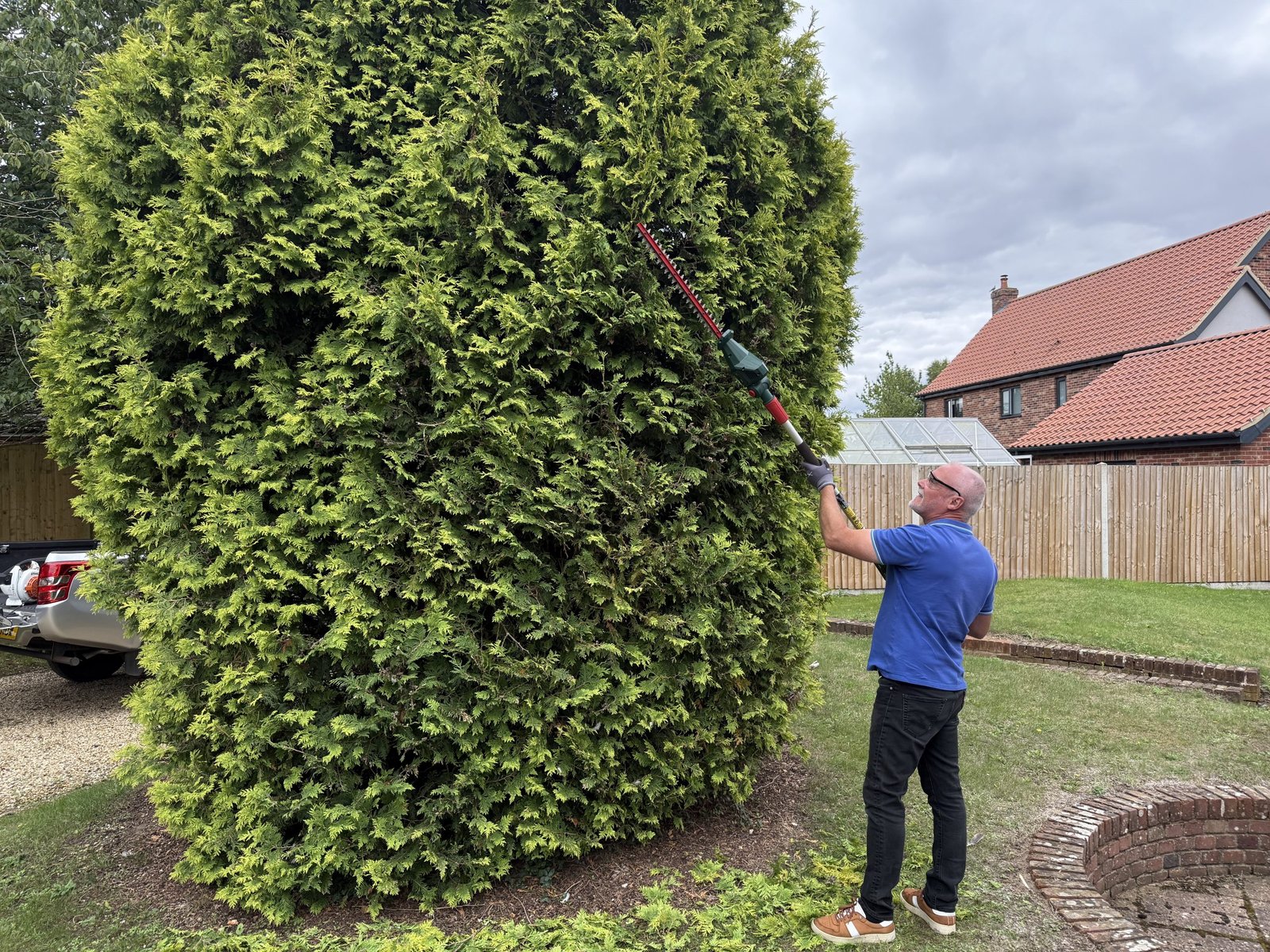
Are your garden hedges looking a little wild? You’re not alone.
Keeping hedges neat and tidy can feel like a big job, but with the right tips, it becomes simple and even enjoyable. Imagine your garden with clean, sharp borders that make your outdoor space look polished and inviting. You’ll discover easy steps to prune your hedges perfectly, saving time and avoiding common mistakes.
Ready to transform your garden edges and boost your curb appeal? Let’s dive in and make your hedges the highlight of your yard.
Choosing The Right Tools
Pruning hedges keeps garden borders tidy and healthy. Using the right tools makes the job easier and safer.
Different tools fit different hedge sizes and shapes. This guide compares common tools and essential safety gear.
Hand Pruners Vs. Hedge Trimmers
Hand pruners cut small branches and shape hedges precisely. Hedge trimmers handle larger areas fast but need care.
| Tool | Best For | Advantages | Limitations |
| Hand Pruners | Small branches, detailed shaping | Precise cuts, easy to control | Slow for large hedges |
| Hedge Trimmers | Large hedges, quick trimming | Fast cutting, covers wide areas | Less precise, needs skill |
Safety Gear Essentials
Wear safety gear to protect yourself from cuts and debris. Proper gear prevents injuries during pruning.
- Gloves: Protect hands from thorns and sharp branches
- Safety glasses: Shield eyes from flying debris
- Long sleeves: Guard arms against scratches
- Sturdy shoes: Prevent slips and protect feet
- Ear protection: Reduce noise from electric trimmers
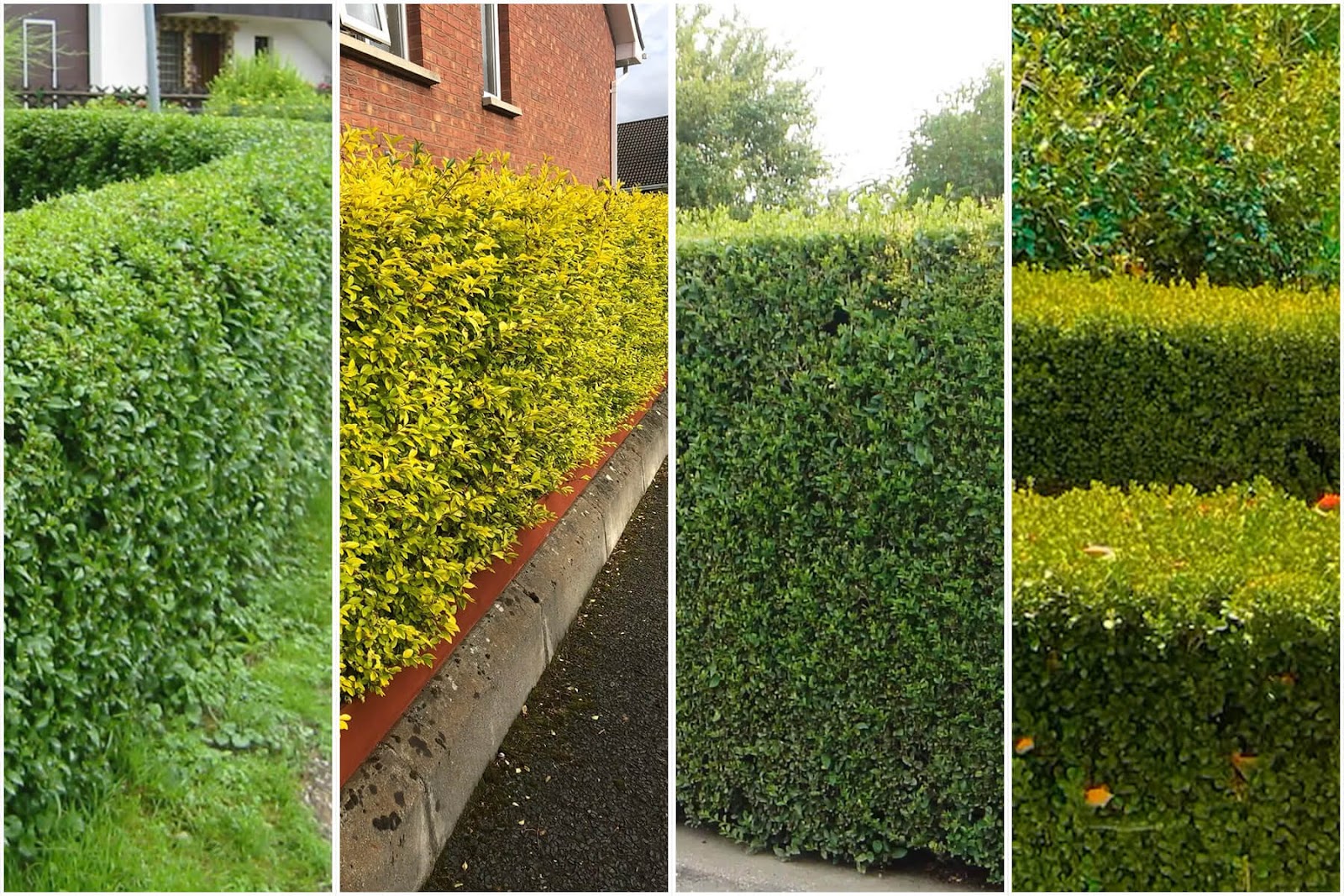
Credit: greentlawncare.com
Best Time To Prune
Pruning hedges at the right time helps keep them healthy and neat. Cutting them too early or late can harm the plants.
Knowing when to prune depends on the type of hedge and the season. This guide will help you choose the best time.
Seasonal Considerations
Spring and early summer are good for most hedges. This is when plants grow fast and recover quickly.
Late summer and fall pruning can prepare hedges for winter. Avoid pruning in late fall or winter to protect new growth.
- Prune flowering hedges after they bloom
- Avoid heavy pruning during frost
- Light trimming can be done anytime for shape
Avoiding Stress To Plants
Pruning causes stress to plants. Do it carefully to keep hedges healthy and strong.
Use sharp tools to make clean cuts. Cut only what is needed to avoid over-pruning and damage.
- Do not prune during drought or extreme heat
- Water plants well after pruning
- Remove dead or diseased branches first
Preparing Your Hedges
Preparing your hedges is important before you start pruning. It helps your hedge grow strong and look neat.
Good preparation makes pruning easier and better for the plants. Take time to get your hedge ready.
Clearing Debris And Weeds
Remove any dead leaves, branches, and sticks around your hedge. This clears space for healthy growth.
Pull out weeds near the hedge base. Weeds take water and nutrients away from your hedge.
- Clear fallen leaves and twigs from the hedge base
- Pull out weeds by hand or use a small garden tool
- Check for hidden debris inside the hedge branches
- Dispose of all debris properly to avoid pests
Assessing Hedge Health
Look closely at your hedge to check its condition. Healthy plants have green leaves and strong branches.
Check for signs of disease like spots, discoloration, or weak stems. Early detection helps protect your hedge.
- Look for dry or dead branches that need removal
- Notice if leaves are yellowing or falling off
- Spot any insect damage or unusual marks
- Ensure the roots are firm and not rotting
Pruning Techniques
Pruning hedges helps keep garden borders neat and tidy. It controls growth and shapes the plants.
Using the right pruning techniques makes hedges look clean and healthy. It also helps them grow evenly.
Shaping For A Clean Look
Shape your hedge by cutting the sides slightly narrower at the top. This allows sunlight to reach all parts.
Use sharp shears and cut in smooth, even strokes. Avoid cutting too deep to keep the hedge dense.
- Start with side trimming, then shape the top
- Cut at a slight angle for better light exposure
- Remove dead or crossing branches first
- Keep the base wider than the top
Trimming Tips For Different Hedge Types
Evergreen hedges need regular trimming to keep their shape. Prune them lightly to avoid cutting old wood.
Deciduous hedges can be pruned harder in late winter. They grow back quickly with fresh shoots in spring.
- Evergreen:Trim often, avoid heavy cuts
- Deciduous:Prune hard in late winter
- Flowering hedges:Cut after flowers fade
- Fast-growing hedges:Trim multiple times a season
Maintaining Hedge Health
Pruning hedges keeps them neat and encourages healthy growth. After trimming, proper care helps your hedge recover and stay strong.
Water and nutrients are essential to support new shoots. Also, watch for pests and diseases to prevent damage.
Watering And Fertilizing After Pruning
After pruning, your hedge needs more water. This helps reduce stress and aids in regrowth. Water deeply and regularly, especially in dry weather.
- Water early in the morning or late in the evening
- Apply water slowly to soak the soil well
- Use mulch to keep soil moist and cool
- Feed hedges with a balanced fertilizer to support new growth
- Follow fertilizer instructions to avoid overfeeding
Pest And Disease Prevention
Pruned hedges can attract pests and diseases. Watch for signs like discolored leaves or holes. Early action keeps your hedge healthy.
| Common Pest | Signs | Prevention |
| Aphids | Sticky leaves, curled tips | Use insecticidal soap, encourage ladybugs |
| Spider Mites | Yellow spots, fine webbing | Spray water on leaves, keep humidity up |
| Fungal Diseases | Spots on leaves, wilting | Prune for air flow, remove infected parts |

Credit: webbgardenpower.co.uk
Troubleshooting Common Issues
Pruning hedges can keep your garden borders neat and tidy. Sometimes, problems arise that make this task harder. Knowing how to fix these issues saves time and effort.
Common problems include overgrown hedges and uneven cuts. Fixing these ensures your hedge looks healthy and well-shaped.
Dealing With Overgrown Hedges
Overgrown hedges block light and lose their shape. Cutting them back helps restore their neat look. Use sharp tools for clean cuts and avoid tearing branches.
Trim in layers, starting from the top and moving down. Remove large branches first, then shape smaller ones. This approach prevents damage and promotes healthy growth.
- Wear gloves and eye protection
- Use hedge shears or pruning saw
- Cut branches at a slight angle
- Remove dead or damaged parts
- Step back often to check your progress
Fixing Uneven Cuts
Uneven cuts make hedges look messy. Smooth out rough areas by trimming little by little. Always cut slightly above a bud or leaf to help new growth.
Use a string line as a guide for straight edges. This helps you see where to cut and keeps the hedge even. Take breaks to check your work from different angles.
- Set a string line along the hedge
- Trim small sections at a time
- Use sharp shears for clean cuts
- Check from a distance often
- Adjust cuts to keep a straight line
Long-term Hedge Care
Keeping your hedges healthy takes time and care. Pruning helps hedges grow strong and look neat.
Regular trimming keeps borders tidy and encourages healthy plants. It also stops hedges from getting too thick or thin.
Regular Pruning Schedule
Trim your hedges often to keep their shape. A regular schedule helps plants grow evenly.
Cutting back in early spring and late summer works best. Avoid pruning in freezing weather or extreme heat.
- Spring pruning removes winter damage
- Summer pruning controls size and shape
- Light trims can happen throughout the growing season
- Stop pruning late in fall to protect new growth
Encouraging Dense Growth
Dense hedges look fuller and block views or wind well. Pruning helps branches grow thick and close together.
Cut the tips of branches to make new shoots grow from the sides. This creates a bushy shape.
- Use sharp tools to make clean cuts
- Trim just above a leaf or bud
- Remove dead or weak branches to focus growth
- Prune regularly to keep branches close together

Credit: vistatree.ca
Frequently Asked Questions
How Often Should You Prune Hedges?
Prune hedges annually or biannually, depending on growth speed. Fast-growing hedges might need pruning twice a year. Regular pruning promotes healthy growth and maintains neat borders. Spring or late summer are ideal times for trimming. Avoid cutting during extreme temperatures to prevent stress on the plants.
What Tools Are Best For Hedge Pruning?
Use sharp hedge shears, electric trimmers, and loppers for clean cuts. Hand pruners are ideal for precision work on small branches. Regularly clean and sharpen your tools to ensure efficient pruning. Gloves and eye protection are recommended for safety while working.
When Is The Best Time To Prune Hedges?
Late winter or early spring is ideal for pruning hedges. This timing allows new growth to thrive during the growing season. Avoid pruning in late fall to prevent damage from winter cold. Always check specific hedge species for optimal pruning times.
How Can I Shape My Hedges Effectively?
Start by trimming the top flat and then work on the sides. Maintain a slight taper from top to bottom for stability and sunlight exposure. Regular trimming and monitoring help achieve the desired shape over time. Use string lines or stakes as guides for straight edges.
Conclusion
Pruning hedges keeps your garden tidy and healthy. Trim regularly to maintain neat, even borders. Use sharp tools and cut at the right angles. Watch your plants grow stronger and look better. Small efforts bring big changes to your yard.
Enjoy the clean lines and fresh look of well-pruned hedges. Keep practicing, and your garden will shine all year. Simple steps make hedge care easy and rewarding.