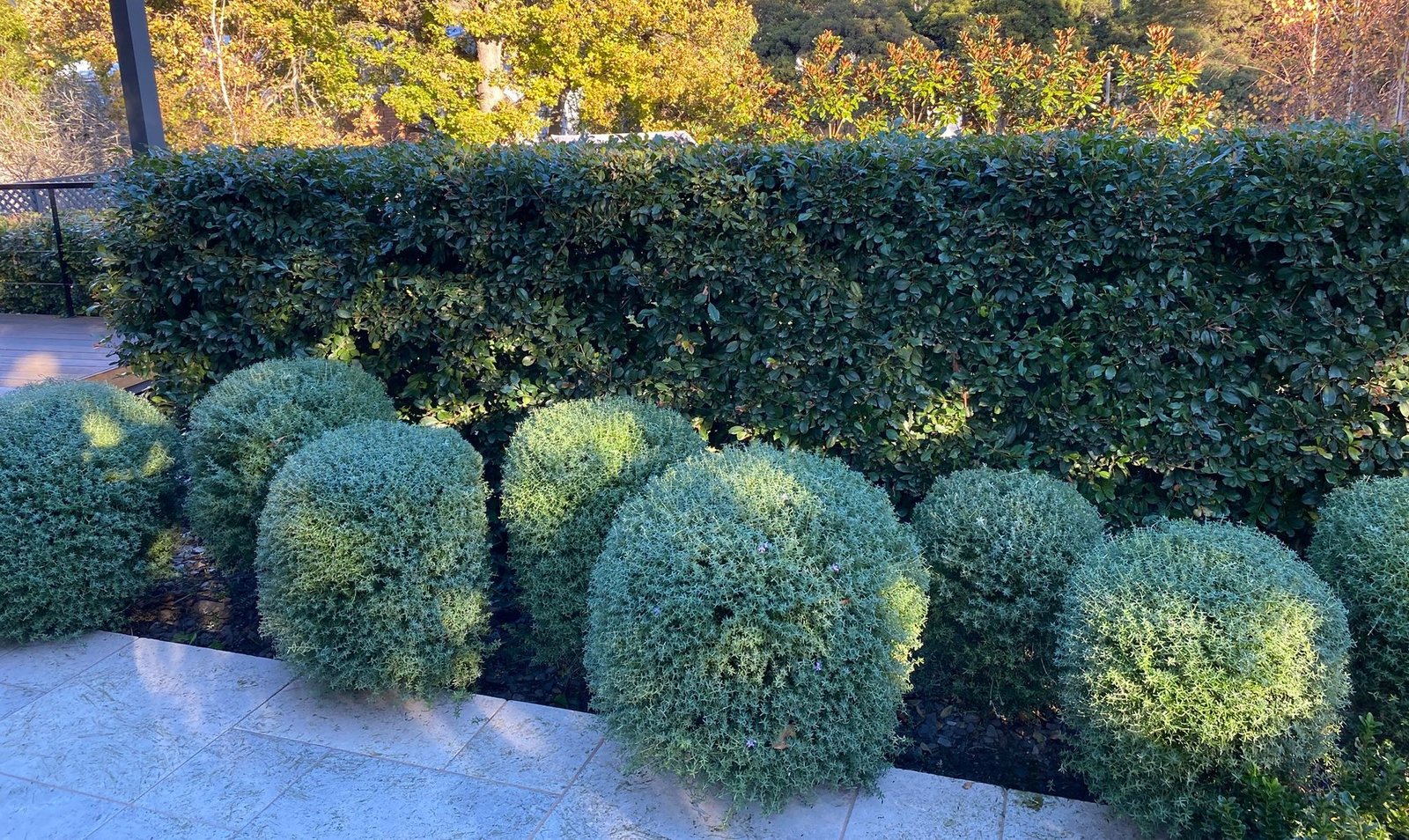
Are your hedges looking a bit unruly? Do you dream of crisp, clean edges that make your garden look like a professional masterpiece?
Pruning hedges for neat edges is not just an art—it’s a science that anyone can master with the right techniques. Imagine walking into your yard and being greeted by perfectly shaped greenery, offering a sense of order and beauty that enhances your entire outdoor space.
In this guide, you’ll discover simple, effective methods to achieve those tidy lines and lush shapes. You’ll learn the secrets of timing, the tools you’ll need, and the precise techniques that will transform your hedges from overgrown to outstanding. Ready to make your garden the envy of the neighborhood? Let’s dive in and trim those hedges to perfection!
Choosing The Right Tools
Pruning hedges needs the right tools to get clean and neat edges. Good tools make the job easier and safer.
Choosing between manual or electric tools depends on your hedge size and your comfort level.
Manual Vs Electric Trimmers
Manual trimmers are hand-held and good for small hedges. They give you control and are quiet.
Electric trimmers cut faster and work well for big hedges. They save time but need power or batteries.
- Manual trimmers are light and easy to use
- Electric trimmers handle large jobs quickly
- Electric trimmers need charging or power supply
- Manual trimmers require more physical effort
Sharp Blades Importance
Sharp blades cut cleanly and help your hedges heal faster. Dull blades tear the branches and cause damage.
Keep blades sharp by cleaning and sharpening them after each use. This keeps your tools ready and safe.
- Sharp blades give smooth, neat cuts
- Dull blades can harm plants and tools
- Regular sharpening extends blade life
- Clean blades reduce rust and dirt buildup
Safety Gear Essentials
Wear safety gear to protect yourself from cuts and debris. Gloves, goggles, and sturdy shoes are must-haves.
Use ear protection if you work with electric trimmers. Always check your gear before starting to prune.
- Wear gloves to protect your hands
- Use safety goggles to shield your eyes
- Wear closed shoes to protect your feet
- Use ear plugs or muffs with electric tools

Credit: www.youtube.com
Best Time To Prune
Pruning hedges at the right time helps keep them healthy and looking neat. Choosing the best time depends on the type of hedge and your local climate.
Knowing when to prune can prevent damage and encourage strong growth for your plants.
Seasonal Considerations
Different seasons affect hedge growth and recovery. Pruning at the right season helps your hedge stay full and tidy.
- Spring:Avoid heavy pruning to let new growth develop.
- Summer:Light trimming is good to keep shape.
- Autumn:Best time for major pruning before winter sets in.
- Winter:Minimal pruning to protect plants from cold stress.
Avoiding Stress On Plants
Pruning can stress your plants if done at the wrong time or too much at once. Follow these tips to keep your hedges healthy.
| Tip | Reason |
| Prune on dry days | Reduces risk of disease entering cuts |
| Use sharp tools | Creates clean cuts that heal faster |
| Do not remove more than 1/3 | Prevents shock and supports regrowth |
| Leave some leaves | Helps the plant make food after pruning |
Preparing The Hedge
Pruning hedges starts with good preparation. It helps you create clean, neat edges.
Taking time to prepare makes the pruning process easier and better for the hedge.
Clearing Debris
Remove leaves, twigs, and old branches from the hedge area. This clears space to work.
Clearing debris helps you see the hedge shape and avoid cutting unwanted parts.
- Use gloves to protect your hands
- Pick up fallen leaves around the hedge base
- Cut and remove dead or broken branches
- Clear the ground to prevent slipping
Assessing Growth Patterns
Look at how the hedge has grown. Notice which parts are thick or thin.
Understanding growth helps you shape the hedge evenly and keep it healthy.
- Check for uneven branches or gaps
- Look for new shoots and old wood
- Identify areas that need more trimming
- Plan the shape you want before cutting
Techniques For Neat Edges
Pruning hedges keeps them tidy and healthy. Neat edges give your garden a clean look. Proper techniques make pruning easier and better.
Use sharp tools and steady hands. Focus on straight lines, smooth corners, and even height. This guide explains how to do each well.
Creating Straight Lines
Straight lines make hedges look neat and formal. Use string or a guide to keep your cuts level. Trim slowly and step back often to check your work.
- Set a string line along the hedge top
- Use hand shears or an electric trimmer
- Cut small amounts at a time
- Check your line from different angles
- Remove stray branches below the line
Shaping Corners And Curves
Rounded corners and curves soften the hedge’s shape. Use hand shears for control. Work slowly to keep smooth edges.
| Technique | Tip |
| Mark the curve | Use stakes or flexible wire to outline shape |
| Trim small sections | Cut short, even strokes for smoothness |
| Step back often | Check curves from different sides |
| Refine edges | Use hand shears for final shaping |
Maintaining Even Height
Keeping the hedge height even creates balance. Use a measuring tool to compare heights along the hedge. Trim high spots carefully.
- Choose a reference point at one end
- Use a measuring stick or level
- Mark the desired height with string or stakes
- Cut branches above the mark
- Walk along the hedge to check for uneven spots
Common Mistakes To Avoid
Pruning hedges keeps them neat and healthy. Avoiding common mistakes helps your plants grow well.
Learn the key errors to skip for smooth, clean edges and strong hedge health.
Over-pruning Risks
Cutting too much can harm your hedge. It may stop growing or die back.
- Do not remove more than one-third of the hedge at once.
- Avoid cutting into old wood that does not grow new leaves.
- Prune at the right time of year for your hedge type.
- Use sharp tools to make clean cuts without crushing stems.
Uneven Cuts
Uneven trimming makes hedges look messy and weak. It can cause gaps and uneven growth.
| Common Cause | Effect |
| Rushing the job | Misshaped hedge |
| Uneven tool pressure | Jagged edges |
| Not following hedge shape | Uneven growth |
| Cutting too deep in spots | Plant stress |
Ignoring Plant Health
Pruning without checking plant health can spread disease or harm your hedge.
- Always inspect for pests or disease before pruning.
- Clean tools between cuts to avoid spreading infections.
- Water and feed your hedge well after pruning.
- Remove dead or damaged branches first.
Aftercare For Healthy Hedges
Proper care after pruning helps hedges grow strong and look neat. Healthy hedges need the right water, food, and protection.
Follow these tips to keep your hedges in good shape after trimming.
Watering Tips
Water hedges deeply but not too often. This encourages roots to grow deeper. Check soil moisture before watering again.
- Water early in the morning or late in the evening
- Use a slow drip or soaker hose to avoid wetting leaves
- Give extra water during dry spells
- Avoid overwatering to prevent root rot
Fertilizing Schedule
Feed hedges with nutrients for healthy growth. Use the right fertilizer at the right time to avoid burning roots.
| Time | Fertilizer Type | Notes |
| Early Spring | Slow-release nitrogen | Boosts new growth after winter |
| Mid Summer | Balanced NPK (10-10-10) | Supports leaf and root health |
| Early Fall | Low nitrogen, high potassium | Prepares hedge for winter |
Pest And Disease Control
Keep hedges safe from pests and diseases. Check leaves and branches regularly for signs of problems.
- Remove damaged or infected parts immediately
- Use natural insecticides if pests appear
- Keep area around hedges clean and free of debris
- Encourage beneficial insects like ladybugs
Advanced Shaping Ideas
Pruning hedges can do more than keep them tidy. You can shape hedges into interesting forms.
These ideas add style to your garden. They also make your hedges stand out.
Topiary Basics
Topiary means cutting plants into shapes like animals or geometric forms. It needs careful trimming.
Start with simple shapes like balls or cones. Use sharp shears and trim often to keep edges smooth.
- Choose plants with small leaves and dense growth
- Use a frame or guide for complex shapes
- Trim new growth regularly to keep the shape
- Water and feed plants well to stay healthy
Layered Hedge Designs
Layered hedges have different heights or shapes stacked together. This adds depth and interest.
Trim each layer clearly and keep clean edges. Use taller plants in the back and shorter ones in front.
- Cut the top layer flat or rounded
- Shape the middle layer with soft curves
- Trim the bottom layer into a low border
- Keep clear space between layers for light

Credit: www.youtube.com

Credit: webbgardenpower.co.uk
Frequently Asked Questions
How Often Should I Prune Hedges For Neat Edges?
Prune hedges 2-3 times a year during the growing season. Regular trimming encourages dense growth and maintains sharp edges. Avoid pruning in extreme weather to prevent stress on plants.
What Tools Are Best For Pruning Hedges Precisely?
Use sharp hedge shears or electric trimmers for clean cuts. Hand pruners work well for detailed shaping. Keep tools clean to avoid spreading diseases.
When Is The Best Time To Prune Hedges?
Prune hedges in late spring or early summer after new growth appears. Avoid heavy pruning in late fall to prevent winter damage. Light trims can be done anytime to maintain shape.
How Do I Avoid Damaging My Hedge While Pruning?
Cut at a slight angle and avoid cutting too deep into old wood. Remove dead or diseased branches first. Always prune with clean, sharp tools for healthy regrowth.
Conclusion
Pruning hedges helps keep your garden tidy and healthy. Trim regularly to maintain neat, sharp edges. Use the right tools and cut carefully for best results. Watch your hedges grow fuller and stronger over time. Clean cuts prevent damage and encourage new growth.
A little care makes your garden look its best. Happy pruning!