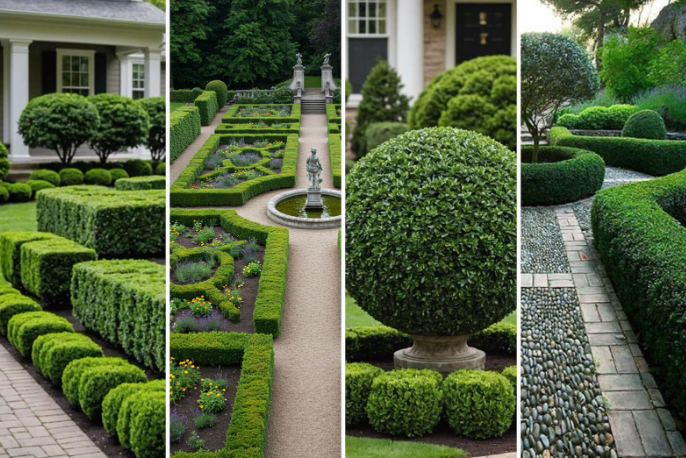
Are you ready to turn your ordinary hedge into a stunning work of art? Pruning hedges into geometric shapes is a simple way to add style and structure to your garden.
Imagine the clean lines and sharp angles that can make your outdoor space look neat and impressive. In this guide, you’ll discover easy steps to shape your hedges like a pro. Whether you want perfect squares, triangles, or spheres, you’ll learn how to achieve crisp, eye-catching results.
Keep reading, and transform your garden into a masterpiece that stands out!
Credit: greentlawncare.com
Choosing The Right Hedge
Pruning hedges into geometric shapes creates a neat and stylish garden. Picking the right hedge plant is key for good results. The right hedge grows well and holds the shape you want.
Some plants are better for sharp edges and others for round shapes. Understanding the types of hedges helps you choose the best one for your garden design.
Best Hedge Varieties For Shapes
Different hedge varieties suit different geometric shapes. Boxwood and yew are popular for square or rectangular shapes. Holly and privet work well for round or oval shapes.
- Boxwood:Dense leaves, good for sharp edges and small shapes.
- Yew:Flexible branches, easy to trim into curves and angles.
- Holly:Glossy leaves, great for round shapes and tall hedges.
- Privet:Fast growing, good for large rounded or square shapes.
- Laurel:Broad leaves, best for soft, rounded hedge designs.
Growth Patterns To Consider
Hedges grow in different ways. Some grow tall and thin, others spread wide. Knowing how your hedge grows helps you plan pruning times and shapes.
| Growth Pattern | Best Shape | Notes |
|---|---|---|
| Upright | Square, Rectangular | Requires regular trimming to keep shape |
| Spreading | Rounded, Oval | Needs wider space to grow fully |
| Dense and Compact | Sharp Geometric Shapes | Ideal for formal garden styles |
| Fast Growing | Any Shape | Needs frequent pruning to maintain form |
Essential Tools For Pruning
Pruning hedges into geometric shapes needs the right tools. Good tools help you make clean cuts and shape the plants well.
Using proper equipment also makes pruning safer and easier. Here are the main tools you will need for pruning your hedges.
Hand Pruners And Shears
Hand pruners and shears are perfect for small branches and precise cuts. They help you trim detailed parts of the hedge.
- Hand pruners are best for branches under ¾ inch thick.
- Shears work well for trimming thin stems and shaping edges.
- Keep blades sharp to avoid crushing the plants.
- Choose ergonomic handles for comfortable use.
Electric And Manual Hedge Trimmers
Hedge trimmers help you cut large areas fast. You can use electric or manual types based on your needs.
| Type | Use | Pros | Cons |
| Electric Trimmer | Large or thick hedges | Fast and less effort | Needs power source |
| Manual Trimmer | Small to medium hedges | Quiet and light | Requires more effort |
Safety Gear
Always wear safety gear to protect yourself while pruning. It lowers the risk of injuries.
- Gloves protect your hands from cuts and thorns.
- Safety glasses shield your eyes from debris.
- Wear long sleeves and pants to avoid scratches.
- Use ear protection if using electric trimmers.
Preparing For Pruning
Pruning hedges into geometric shapes needs careful preparation. You must plan before cutting to get clear edges and neat shapes.
Good preparation helps protect the hedge and makes pruning easier. It also saves time and reduces mistakes.
Timing Your Pruning Sessions
Pick the right time to prune for healthy growth. Prune during the hedge’s slow growth period to avoid stress.
Early spring or late summer are usually best. Avoid pruning in very hot or freezing weather to protect plants.
- Prune in early spring before new growth starts
- Late summer pruning helps shape before fall
- Avoid pruning in freezing temperatures
- Do not prune during very hot days
Setting Up Guides And Frames
Use guides or frames to keep shapes even and straight. These tools help you follow the shape you want.
Simple wooden or metal frames work well. You can also use string lines or stakes to mark edges.
- Use wooden frames to outline shapes
- Place string lines to mark straight edges
- Use stakes to hold guides in place
- Check guides often during pruning

Credit: savvygardening.com
Basic Pruning Techniques
Pruning hedges helps keep them healthy and neat. It also shapes them into beautiful geometric forms. Learning simple pruning techniques can make a big difference in your garden.
This guide covers the basics of shaping and maintaining hedge health. You will find easy steps to follow and tips to keep your hedges growing strong.
Shaping Fundamentals
Start pruning by understanding the shape you want. Common geometric shapes include squares, cones, and spheres. Use sharp tools for clean cuts and work slowly to avoid mistakes.
- Trim the sides evenly to keep straight lines.
- Cut the top flat or rounded, depending on the shape.
- Remove any shoots that grow outside the shape.
- Step back often to check your progress.
- Use guides like string or wooden frames to help.
Maintaining Hedge Health
Pruning does more than shape the hedge. It also helps keep the plants healthy by removing dead or weak branches. This allows new growth to flourish.
| Pruning Task | Purpose | When to Do It |
| Remove dead branches | Prevent disease and pests | Anytime they appear |
| Thin dense areas | Improve air flow and light | Early spring |
| Shape young growth | Maintain form and size | Late spring to early summer |
| Hard prune old hedges | Encourage new shoots | Late winter |
Creating Popular Geometric Shapes
Pruning hedges into shapes adds style to your garden. Geometric shapes are neat and eye-catching.
Learn how to trim your hedges into popular forms. This guide helps you shape your greenery easily.
Square And Rectangular Hedges
Square and rectangular hedges look clean and formal. They work well along paths and fences.
Use sharp shears to keep edges straight. Trim the sides and top evenly for a tidy look.
- Mark the hedge edges with string for straight lines
- Cut slowly to keep corners sharp
- Trim regularly to maintain shape
Spherical And Rounded Forms
Rounded hedges add soft curves to your garden. They bring a natural, smooth feel to the space.
Trim the hedge by cutting more on the sides than the top. Use hand shears for better control.
- Start by cutting the sides evenly
- Shape the top in a gentle curve
- Step back often to check the roundness
Pyramids And Cones
Pyramids and cones give a strong, pointed look. They add height and interest to the garden design.
Begin trimming from the top down. Cut the sides inward to form a sharp peak or cone shape.
- Use stakes and string to guide straight sides
- Trim slowly to keep symmetry
- Keep the base wider for balance
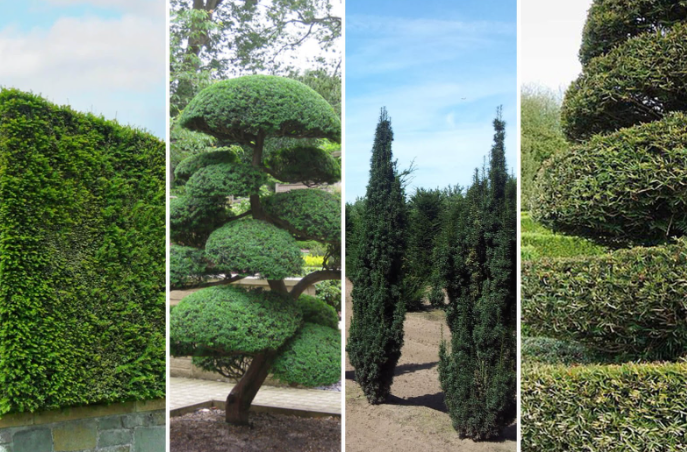
Topiary Animals And Abstract Designs
Topiary animals add fun and creativity to your garden. Abstract shapes bring unique style.
Start with a wire frame or sketch your shape. Trim small sections at a time for detail.
- Use sharp shears or hand pruners for precision
- Work slowly to shape curves and edges
- Regular trimming keeps the form clear
Common Challenges And Solutions
Pruning hedges into geometric shapes can be tricky. It needs patience and the right techniques.
Many gardeners face common problems when shaping hedges. Knowing solutions helps keep hedges healthy and neat.
Dealing With Uneven Growth
Hedges often grow unevenly because of sunlight or water differences. This makes shapes look unbalanced.
Trim the taller parts slowly and carefully. Leave shorter parts to grow before cutting them again.
- Cut in small sections to avoid mistakes
- Use a level or string to guide straight cuts
- Water and feed the hedge evenly to reduce uneven growth
Preventing Over-pruning
Cutting too much can hurt the hedge. It may stop growing or look bare.
Only trim a little at a time. Avoid cutting into old wood that won’t grow back.
- Trim regularly to keep shape without big cuts
- Watch for brown spots after pruning as a sign of damage
- Use sharp tools to make clean cuts and reduce stress
Managing Pest And Disease Issues
Pests and diseases can spoil hedge shapes by damaging leaves and branches.
Check hedges often for signs of bugs or sickness. Treat problems early to save the plant.
- Remove affected parts to stop spread
- Use natural pest repellents like neem oil
- Keep area clean and avoid wet leaves to reduce disease
Maintaining Shaped Hedges
Shaped hedges add charm and style to any garden. Keeping their form sharp needs care and attention. This guide explains how to maintain them well.
Regular pruning keeps hedges healthy and looking neat. Feeding and watering support strong growth. Winter care protects shapes from cold damage.
Regular Trimming Schedule
Trim your shaped hedges often to keep edges clean and shapes defined. Late spring and summer are best times for trimming. Avoid cutting too deep to prevent damage.
- Trim small amounts every 4 to 6 weeks during growth season.
- Use sharp tools to make clean cuts.
- Cut back new shoots to keep the shape tight.
- Remove any dead or diseased branches immediately.
- Finish trimming before late summer to allow healing.
Feeding And Watering Tips
Proper feeding and watering help hedges stay strong. Balanced fertilizer supports leaf growth and root health. Water hedges deeply but avoid waterlogging.
| Season | Fertilizer Type | Watering Frequency |
| Spring | High nitrogen | 2 times per week |
| Summer | Balanced NPK | 3 times per week |
| Autumn | Low nitrogen, high potassium | 1 time per week |
| Winter | No fertilizer | Only if dry |
Winter Care For Shaped Hedges
Protect shaped hedges from frost and snow in winter. Mulch around the base to keep roots warm. Avoid heavy snow buildup on branches to prevent breakage.
Winter Care Checklist:
- Apply 2-3 inches of mulch around hedge base
- Remove snow gently from branches after storms
- Cover delicate shapes with frost cloth if needed
- Do not prune during frost periods

Credit: troutbrooktree.com
Frequently Asked Questions
How Do You Start Pruning Hedges?
Begin by choosing the right tools, such as sharp shears or electric trimmers. Identify the desired geometric shape and outline it on the hedge. Gradually trim the hedge, starting from the top and working your way down. Regular maintenance ensures the hedge retains its shape and remains healthy.
What Tools Are Best For Shaping Hedges?
For precise shaping, use sharp manual hedge shears and electric trimmers. Manual shears offer control for detailed trimming, while electric trimmers are efficient for larger areas. A measuring tape or string line helps maintain symmetry. Always ensure tools are clean and sharpened for best results.
How Often Should Hedges Be Pruned?
Prune hedges at least twice a year for optimal shape and health. Spring and late summer are ideal times. Regular pruning encourages dense growth and maintains the desired geometric shape. Monitor the hedge’s growth and adjust the pruning schedule as needed for best results.
Can All Hedge Types Be Shaped Geometrically?
Most hedge types can be pruned into geometric shapes, but some respond better. Evergreen species like boxwood and yew are ideal for geometric shapes. Their dense foliage supports clean lines. Research your specific hedge type to understand its growth pattern and suitability for shaping.
Conclusion
Pruning hedges into geometric shapes takes patience and care. Start with clear lines and small cuts for the best results. Regular trimming helps keep the shape neat and healthy. Use sharp tools to avoid damage and make clean cuts. Watch your hedge grow and adjust your trimming as needed.
Enjoy the beauty and order your shaped hedges bring to your garden. Practice often, and your skills will improve over time. Simple steps lead to stunning garden designs anyone can achieve.