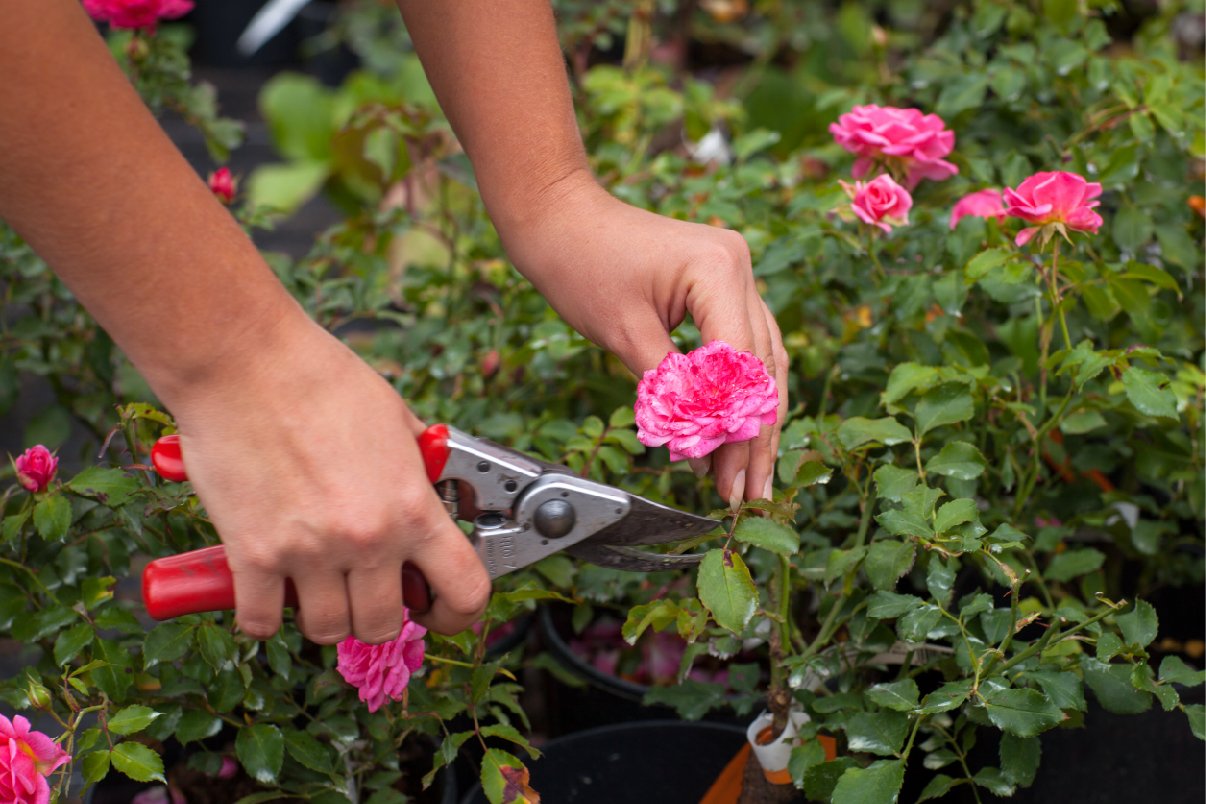
Are you dreaming of a garden full of vibrant, blooming roses? If so, you’re in the right place!
Pruning is the secret to achieving those abundant, beautiful blooms that captivate the eye and fragrance the air. But pruning roses can feel daunting if you’re not sure where to start. Don’t worry; we’re here to guide you through it.
Imagine the satisfaction of seeing your roses flourish, knowing that your careful touch made it possible. By the end of this article, you’ll know exactly how to prune your roses for maximum blooms, unlocking their full potential and transforming your garden into a floral paradise. Ready to get started? Let’s dive in!
Choosing The Right Time
Pruning roses at the right time helps the plants grow healthy and bloom well. Knowing when to prune is important for strong flowers.
This guide explains the best times to prune and how to tell if your roses are ready.
Seasonal Pruning Windows
Roses need pruning during specific seasons to bloom fully. Pruning too early or late can harm the plant.
- Late winter: Just before new growth starts is the best time.
- Early spring: When buds begin to swell but have not opened yet.
- After first bloom: Light pruning can help encourage a second bloom.
- Fall: Avoid heavy pruning to prevent frost damage.
Signs Roses Are Ready
Look for these signs to know when to prune your roses.
| Sign | What It Means |
| Swollen buds | New growth is about to start |
| Dead or damaged stems | Need removal for plant health |
| Leaf buds showing green tips | Ideal time to prune |
| Slow growth | Pruning can stimulate growth |
Credit: medium.com
Essential Tools For Pruning
Pruning roses helps them grow healthy and produce more blooms. Using the right tools makes pruning easier and safer.
This guide covers sharp pruners and safety gear you need for pruning roses properly.
Sharp Pruners And Their Types
Sharp pruners cut cleanly, which helps prevent damage to rose stems. There are different types to choose from for pruning roses.
- Bypass Pruners:These have two curved blades that pass by each other. They make smooth cuts, ideal for live stems.
- Anvil Pruners:These have one sharp blade that cuts against a flat metal surface. They work best on dead or hard wood.
- Ratchet Pruners:These use a mechanism that helps cut thick stems with less effort.
- Electric Pruners:Battery-powered pruners that make cutting faster but need charging.
Safety Gear To Use
| Safety Item | Purpose |
| Gloves | Protect hands from thorns and cuts |
| Safety Glasses | Shield eyes from debris and branches |
| Long Sleeves | Cover arms to avoid scratches |
| Closed-Toe Shoes | Protect feet from dropped tools or branches |
Wearing safety gear reduces the chance of injury. Always check your gear before starting to prune.
Preparing Your Rose Bush
Pruning roses helps them grow strong and bloom well. Before you start, prepare your rose bush carefully.
Good preparation makes pruning easier and safer for your plant. It also helps prevent disease.
Cleaning And Sanitizing Tools
Clean tools stop germs from spreading between plants. Use sharp tools to make clean cuts.
Sanitize your tools before pruning and after working on each plant. This keeps your roses healthy.
- Wash tools with warm soapy water
- Rinse and dry them well
- Use rubbing alcohol or bleach solution to sanitize
- Wear gloves to protect your hands
Removing Dead Or Diseased Wood
Look closely for dead or sick branches. These parts can stop your rose from blooming well.
Cut away all dead or diseased wood. Make sure to cut back to healthy tissue.
- Dead wood looks dry and brittle
- Diseased wood may have dark spots or unusual growths
- Cut branches at a 45-degree angle just above a leaf bud
- Remove all cut pieces from the area to avoid spreading disease
Pruning Techniques For Different Rose Types
Pruning roses helps them grow strong and produce more flowers. Each rose type needs a special way to prune.
Knowing how to prune roses correctly can improve their bloom and health. This guide covers pruning for popular rose types.
Hybrid Teas And Floribundas
Hybrid Teas and Floribundas bloom on new wood. Cut back in early spring before growth starts.
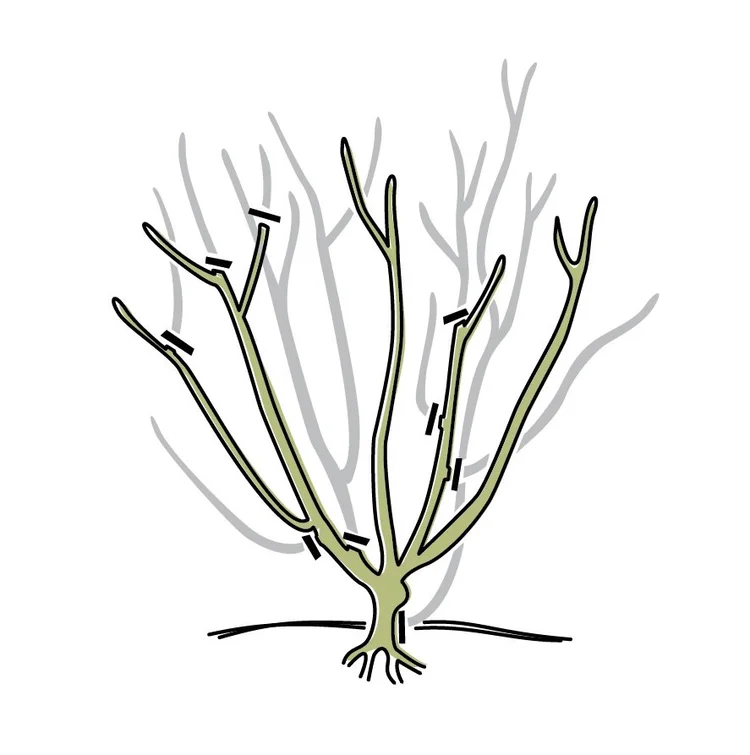
Remove dead or weak stems. Cut main stems to about 12-18 inches tall. Make cuts above outward-facing buds.
- Cut at a 45-degree angle
- Leave 3-5 strong canes
- Remove any crossing branches
Climbing Roses
Climbing roses bloom on old and new wood. Prune lightly after flowering to keep shape.
In late winter, remove dead or weak stems. Tie strong canes to supports. Cut long shoots to encourage new growth.
- Remove old stems to open center
- Train canes horizontally for more blooms
- Cut back side shoots to 3-5 buds
Shrub Roses
Shrub roses need less pruning. Cut back weak or dead wood in early spring.
Shape the bush by trimming long branches. Keep the center open for air flow. Shrub roses bloom on old and new wood.
- Cut back about one-third of the plant
- Remove crossing or crowded branches
- Leave healthy canes 2-3 feet tall
Cutting Tips For Maximum Blooms
Pruning roses helps plants grow strong and produce more flowers. Cutting in the right way guides the plant to focus energy on new blooms.
Knowing where and how to cut your roses makes a big difference. This guide shows easy tips to get the best flowers.
Where To Make Cuts
Make cuts just above a leaf or bud that faces outward. This encourages the plant to grow away from the center.
Cutting here helps air flow and light reach the inside of the plant. It also stops branches from crossing and rubbing.
- Find a healthy bud pointing outward
- Cut about 1/4 inch above the bud
- Avoid cutting too close to the bud
- Remove old or dead wood first
Angle And Depth Of Cuts
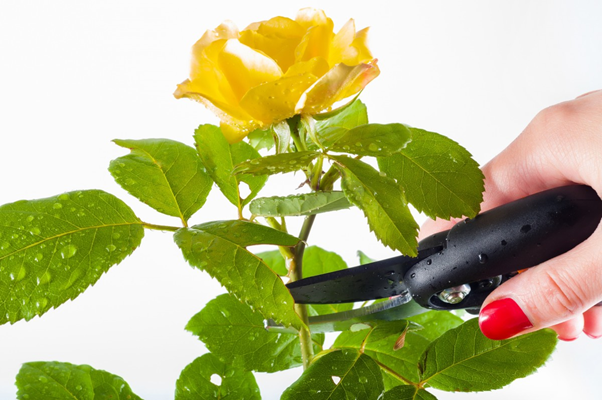
Cut at a 45-degree angle to help water run off the stem. This prevents rot and disease near the cut.
Make cuts deep enough to remove old growth but not damage healthy tissue. A sharp tool makes clean cuts.
- Use sharp pruning shears for clean cuts
- Cut at a 45-degree angle, slanting away from the bud
- Remove about one-third of the old stem
- Make sure cuts are smooth, not crushed

Credit: dennis7dees.com
Post-pruning Care
After pruning your roses, proper care helps them grow strong. This care supports new blooms and keeps plants healthy.
Focus on watering, feeding, mulching, and protecting your roses. These steps help your roses recover quickly.
Watering And Feeding
Water roses deeply after pruning to reduce stress. Keep soil moist but not soaked to avoid root problems.
Feed your roses with a balanced fertilizer. This gives them the nutrients needed for healthy new growth.
- Water early in the day for better absorption
- Use a fertilizer with equal nitrogen, phosphorus, and potassium
- Feed roses every 4-6 weeks during the growing season
- Avoid overwatering to prevent root rot
Mulching And Protection
Apply mulch around your roses to keep soil cool and moist. Mulch also stops weeds from growing near roots.
Protect roses from strong winds and pests. Use barriers or natural sprays to keep your plants safe.
- Spread 2-3 inches of organic mulch like bark or compost
- Keep mulch a few inches away from stems to prevent rot
- Use garden fabric or windbreaks in windy areas
- Check plants regularly for pests like aphids and treat early
Troubleshooting Common Issues
Pruning roses helps keep them healthy and full of blooms. Sometimes, problems occur that affect their growth. Knowing how to fix these issues can save your plants.
This guide covers common problems like pruning mistakes and pest damage. Follow the tips to keep your roses blooming well.
Preventing Over-pruning
Cutting too much can hurt your roses. Over-pruning removes too many buds and weakens the plant. This leads to fewer flowers and slow growth.
- Check the season before pruning; late winter or early spring works best.
- Remove only dead or weak stems, not healthy branches.
- Leave at least three strong canes to support growth.
- Cut above an outward-facing bud to encourage outward growth.
- Use sharp, clean tools to avoid plant damage and disease.
Dealing With Pest Damage
Pests like aphids and spider mites can harm rose bushes. They suck sap and cause leaves to curl or drop. Spotting pests early helps control damage.
| Pest | Signs | Control Methods |
| Aphids | Clusters on new growth, sticky leaves | Spray with water or insecticidal soap |
| Spider Mites | Fine webbing, yellow or speckled leaves | Increase humidity, use miticide if needed |
| Japanese Beetles | Chewed leaves and flowers | Pick beetles by hand or use traps |
Credit: www.swansonsnursery.com
Frequently Asked Questions
How Often Should You Prune Roses For Best Blooms?
Prune roses once a year, typically in early spring. This timing encourages healthy growth and maximizes bloom production throughout the season. Regular pruning removes dead or weak stems, improving air circulation and sunlight exposure for better flowering.
What Tools Are Needed To Prune Roses Effectively?
Use sharp pruning shears, gloves, and loppers for thick branches. Clean tools prevent disease spread and ensure clean cuts. Having the right tools makes pruning easier and promotes rose health and vigorous blooms.
When Is The Best Time To Prune Roses Annually?
The best time to prune roses is early spring, just as buds start swelling. This timing encourages new growth and abundant flowers. Avoid pruning in late fall or winter to prevent damage from cold weather.
How Much Should You Cut Back Rose Bushes During Pruning?
Cut back rose bushes by about one-third to one-half their size. Remove dead, weak, or crossing branches to improve airflow. Proper cutting encourages strong new shoots and more vibrant blooms.
Conclusion
Pruning roses helps plants grow strong and bloom well. Cut old, weak, or dead branches to keep roses healthy. Prune at the right time for best results. Use clean, sharp tools to avoid damage. Regular pruning lets light and air reach the center.
Watch your roses change with each trim. Enjoy brighter, fuller blooms season after season. Simple care brings big rewards in your garden. Try pruning today and see the difference!