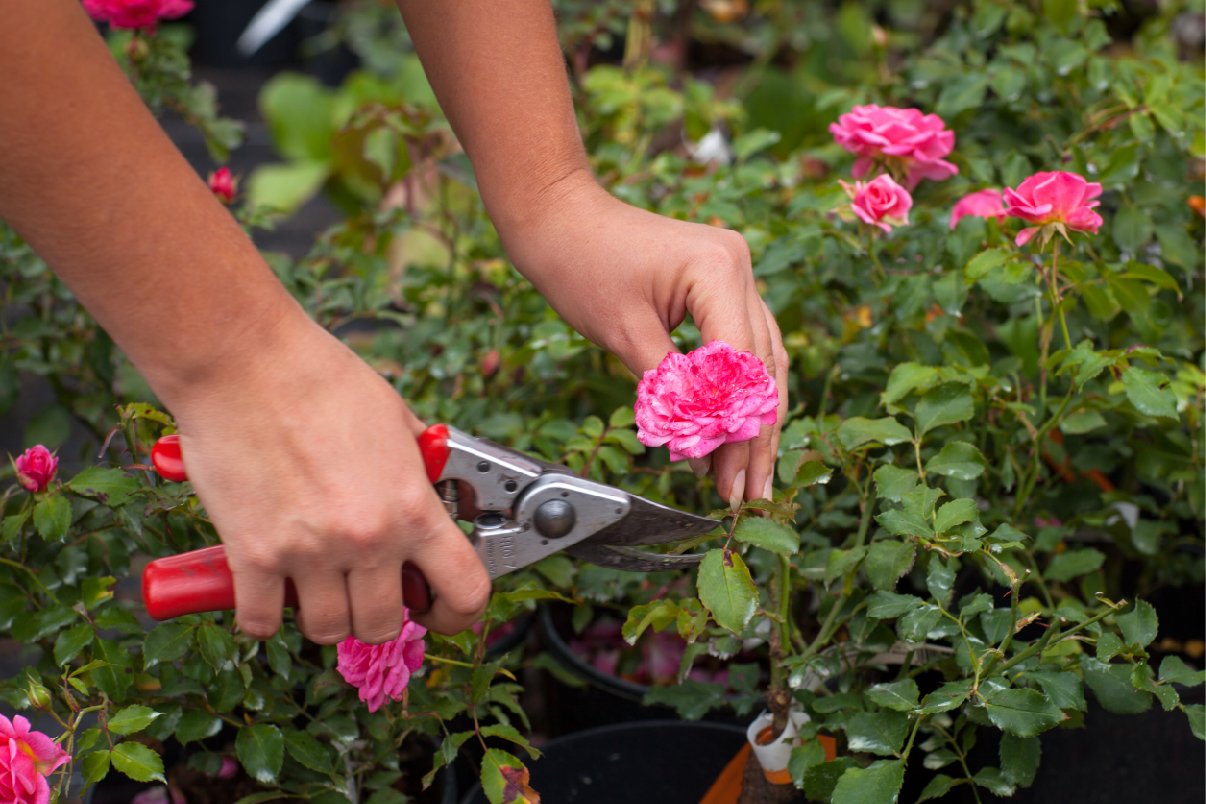
Imagine walking into your garden and being greeted by the enchanting sight of roses blooming repeatedly, their vibrant colors lighting up your space. This isn’t just a dream; it’s a reality you can achieve by mastering the art of pruning roses for repeated blooms.
You might think pruning is a daunting task, but it’s simpler than you’d expect and the rewards are magnificent. By following a few straightforward techniques, you’ll ensure your roses flourish throughout the season, offering you an endless display of their beauty.
This guide is here to show you how to prune your roses effectively, turning your garden into a perpetual showcase of stunning blossoms. Dive in to uncover the secrets that will transform your rose care routine and keep your garden blooming brilliantly.
Choosing The Right Time
Pruning roses at the right time helps them bloom again. It keeps the plants healthy and strong.
Knowing when to prune is important for repeated blooms. This guide explains the best timing.
Seasonal Guidelines
The best time to prune roses depends on the season and your climate. Most roses bloom better after spring pruning.
In general, prune roses in early spring. This is when the plant starts to grow new shoots.
- In cold areas, prune just after the last frost.
- In mild climates, prune in late winter or early spring.
- Remove dead or weak stems anytime during the growing season.
Signs Roses Are Ready
Look for signs to know when your roses need pruning. These signs show the plant is ready to grow again.
Check the buds and stems carefully before pruning. Healthy buds mean it is time to prune.
- Buds start to swell and look plump.
- Stems show new green growth under the bark.
- Dead or damaged branches turn brown or black.
- Old flowers have faded and fallen off.
Credit: medium.com
Essential Tools For Pruning
Pruning roses helps them bloom again and stay healthy. Using the right tools makes pruning easier and safer.
Good tools also help protect your plants from damage and reduce the risk of infection.
Types Of Pruners
There are different pruners for cutting rose stems. Choose the right one for clean, smooth cuts.
- Bypass pruners:These have two sharp blades that pass each other. They make clean cuts on live stems.
- Anvil pruners:These have one sharp blade that cuts against a flat surface. They work well for dry or dead wood.
- Ratchet pruners:These have a gear system to help cut thicker stems with less effort.
Keep pruners sharp and clean to avoid crushing the stems or spreading diseases.
Safety Gear
Pruning roses involves sharp tools and thorny stems. Wearing safety gear protects you from cuts and scratches.
- Gloves:Use thick gardening gloves to protect your hands from thorns.
- Eye protection:Wear safety glasses to guard against flying debris.
- Long sleeves:Wear long-sleeved shirts to protect your arms from scratches.
Always check your gear before you start pruning. It helps you work safely and comfortably.
Pruning Techniques
Pruning roses is key to getting flowers again and again. It helps the plant stay healthy and strong.
Good pruning guides how the rose grows and blooms over time. It is simple with the right care.
Cutting Deadwood
Remove dead or damaged wood first. This stops disease and helps the plant use energy well.
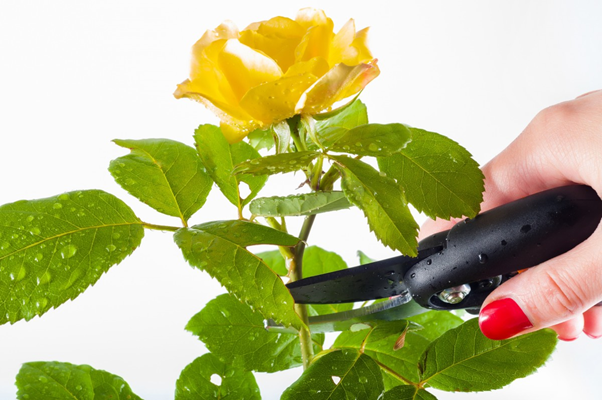
Cut branches back to where the wood is healthy and green inside. Use sharp tools to make clean cuts.
- Look for brown or dry stems
- Cut at least one inch below dead parts
- Dispose of the cut wood to prevent pests
Shaping The Plant
Shape your rose bush to keep it open and balanced. Good shape lets air and light reach all parts.
Cut back long branches to healthy outward-facing buds. This guides the plant’s growth outward, not inward.
- Remove crossing branches that rub
- Keep the center open for air flow
- Cut branches to an angle above a bud
Encouraging New Growth
Cutting back old growth helps the rose make new shoots. New shoots produce more flowers.
Trim branches to about one-third of their length. This encourages strong, fresh growth for more blooms.
- Choose healthy buds to cut above
- Make cuts about ¼ inch above buds
- Remove weak or thin stems
Common Mistakes To Avoid
Pruning roses helps them bloom many times. Doing it wrong stops flowers from growing well.
Learn what mistakes to avoid so your roses stay healthy and keep blooming.
Over-pruning
Cutting too much weakens the rose bush. It can stop new buds from forming. Over-pruning also makes the plant more open to cold and pests.
- Do not remove more than one-third of the bush at once.
- Keep some strong canes to support growth.
- Prune only dead or weak branches if unsure.
Ignoring Disease
Diseases spread quickly in rose bushes. Cutting without checking for disease can hurt the plant.
| Common Rose Diseases | Signs to Watch |
| Black Spot | Black spots on leaves, yellowing |
| Powdery Mildew | White powder on leaves and stems |
| Rust | Orange or rust-colored spots on leaves |
Always clean your tools and cut away diseased parts to keep roses healthy.
Incorrect Cuts
Making wrong cuts harms the rose and slows blooming. Cuts should be clean and in the right place.
- Cut just above an outward-facing bud.
- Use sharp, clean tools for smooth cuts.
- Cut at a 45-degree angle to help water run off.
- Avoid tearing or crushing stems.
Aftercare For Healthy Blooms
Proper aftercare helps your roses bloom again and stay strong. Taking care of your plants after pruning is important.
Water, feed, and protect your roses well. These steps keep your roses healthy and flowering.
Watering Tips
Roses need deep watering to grow strong roots. Water them at the base to avoid wetting leaves.
Water early in the morning to reduce evaporation. Keep soil moist but not soaked.
- Use drip irrigation or a soaker hose
- Water once or twice a week in dry weather
- Adjust watering after rain
Fertilizing Schedule
Feed your roses with fertilizer after pruning. This supports new growth and more flowers.
Use a balanced fertilizer every 4 to 6 weeks during the growing season.
- Apply fertilizer in early spring
- Repeat feeding after each bloom cycle
- Stop fertilizing 6 weeks before winter
Pest Control
Check your roses often for pests like aphids or spider mites. Early action helps keep plants healthy.
Use natural insect sprays or remove pests by hand to avoid harm to flowers.
- Inspect leaves and buds weekly
- Spray with insecticidal soap if needed
- Remove damaged leaves to prevent spread

Credit: www.housebeautiful.com
Variety-specific Tips
Pruning roses helps them bloom again and stay healthy. Different rose types need different pruning styles. Knowing how to prune each type gives better results.
This guide focuses on pruning hybrid teas, climbing roses, and shrub roses. Follow these tips for repeated blooms and strong growth.
Hybrid Teas
Hybrid teas grow tall with one big flower per stem. Cut them back to keep the shape and encourage new blooms.
Cut stems about ¼ inch above an outward-facing bud. Remove any dead or weak wood. Prune in early spring before new growth starts.
- Cut stems to 12-24 inches tall
- Remove old canes that are thicker than a pencil
- Thin out crowded branches for air flow
Climbing Roses
Climbing roses have long canes that grow up supports. Prune to control size and promote side shoots with flowers.
Remove old canes that no longer bloom. Tie new canes horizontally to encourage more blooms along the stems.
- Cut back side shoots after they bloom
- Keep main canes strong and healthy
- Remove weak or crossing branches
Shrub Roses
Shrub roses are bushy and need light pruning to keep shape and promote flowers.
Cut back old wood to the base. Trim lightly to open the center and allow air in. Prune after the first bloom to get a second one.
- Remove dead or damaged branches
- Thin crowded growth inside the bush
- Cut back flowered stems to a healthy bud

Credit: www.epicgardening.com
Frequently Asked Questions
How Often Should I Prune Roses For Repeated Blooms?
Prune roses every 4 to 6 weeks during the growing season. This encourages continuous flowering and healthy growth. Regular pruning removes dead or weak stems, promoting new blooms. Avoid pruning late in the season to prevent damage before winter.
What Tools Are Best For Pruning Rose Bushes?
Use sharp, clean pruning shears or secateurs for precise cuts. Bypass pruners are ideal as they reduce stem damage. Sterilize tools before use to prevent disease spread. For thicker stems, use loppers or a pruning saw.
When Is The Best Time To Prune Roses Annually?
The best time to prune roses is early spring. Prune just as buds begin to swell but before leaves fully open. This timing helps stimulate new growth and repeated blooming throughout the season.
How Do I Prune Roses To Encourage More Blooms?
Cut back spent flowers and weak stems regularly. Remove crossing branches to improve airflow and sunlight exposure. Make cuts at a 45-degree angle above an outward-facing bud. This promotes healthy growth and more blooms.
Conclusion
Pruning roses helps them bloom again and again. Cut old and weak stems to let new ones grow. Keep your tools clean and sharp for best results. Regular pruning keeps roses healthy and strong. Watch your garden bloom with fresh, colorful flowers.
Try these steps each season to enjoy more roses. Simple care brings great rewards. Happy gardening!
