Are you dreaming of a garden bursting with vibrant roses this summer? Achieving those stunning blooms is easier than you might think.
The secret lies in proper pruning. By knowing exactly how to prune your roses, you can ensure they thrive and produce an abundance of beautiful flowers. Imagine your garden transformed into a fragrant paradise, where each rose is a testament to your green thumb.
In this guide, you’ll discover simple, yet effective techniques to prune your roses, guaranteeing a show-stopping display that will have your neighbors asking for your gardening secrets. Let’s dive in and unlock the full potential of your rose garden, ensuring it’s the envy of the neighborhood this summer!
Choosing The Right Time
Pruning roses at the right time helps them bloom well in summer. If you prune too early or late, flowers may not grow strong.
This guide explains when to prune your roses and how to know they are ready for trimming.
Seasonal Timing For Pruning
Prune roses in early spring, just as buds start to swell. This time helps plants focus energy on new growth.
Avoid pruning in winter or late summer. Winter cuts can freeze, and late cuts reduce flower production.
- Early spring is best for most rose types
- Wait until last frost passes before pruning
- Do not prune in winter or late summer
Signs Your Roses Are Ready
Look for swollen buds and firm stems. These signs show roses are ready to be pruned.
Also, check for dead or damaged branches. Removing these helps the plant grow healthier and bloom better.
- Buds start to swell and look plump
- Stems feel firm, not soft or brittle
- Remove branches that are brown or dry

Credit: uk.style.yahoo.com
Essential Tools For Pruning
Pruning roses helps them grow strong and bloom well in summer. Using the right tools makes pruning easier and safer.
Good tools help you cut cleanly and protect your plants from damage. Keep your tools sharp and clean for best results.
Pruning Shears And Their Types
Pruning shears are the main tool for cutting rose stems. Choose shears that fit your hand and cut well.
There are two common types of pruning shears: bypass and anvil. Each works differently for cutting stems.
- Bypass shears:These have two blades that slide past each other. They make clean cuts and are good for live stems.
- Anvil shears:These have one sharp blade that cuts against a flat surface. They work better for dry or dead wood.
Safety Gear And Maintenance
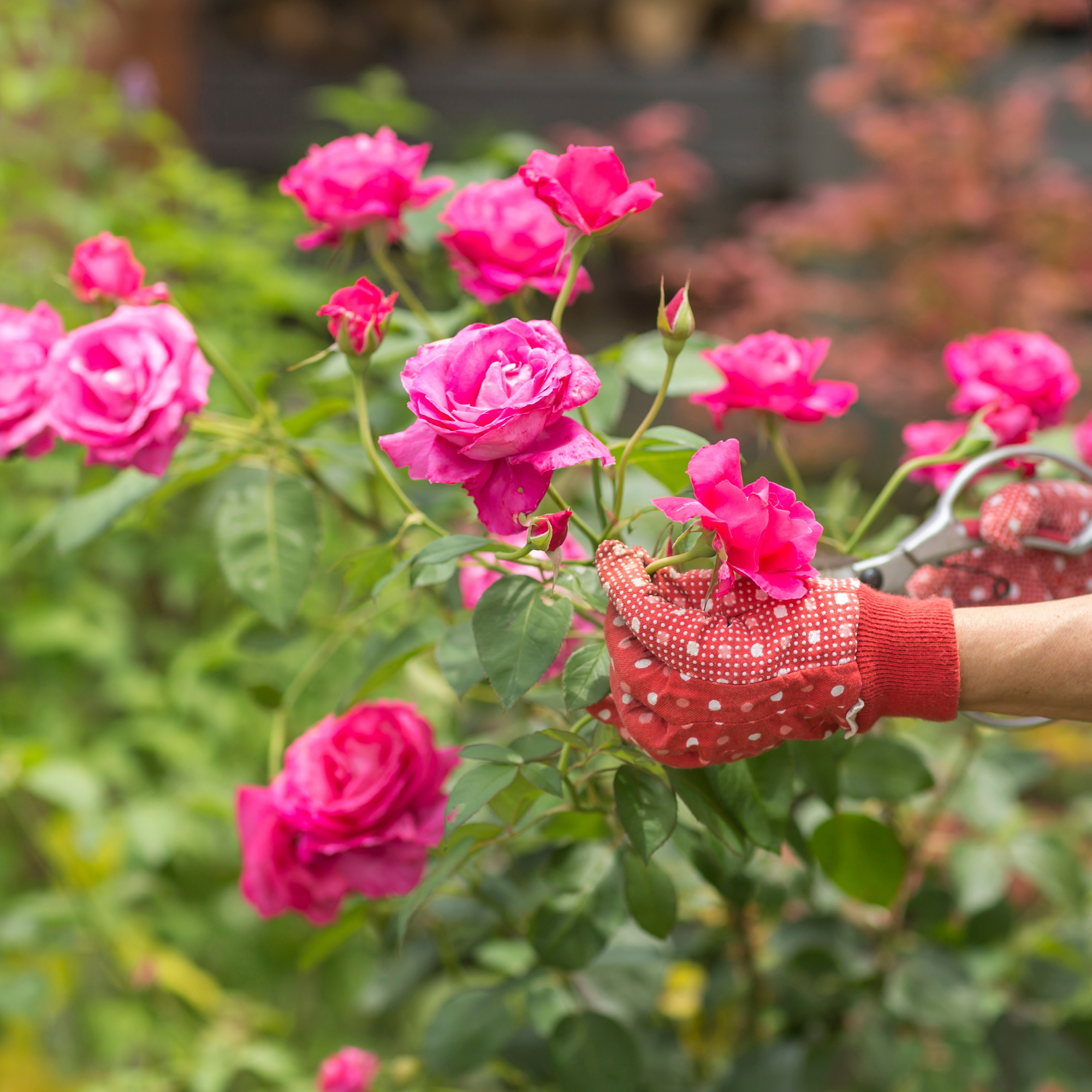
Wear gloves to protect your hands from thorns and cuts. Long sleeves can also help protect your arms.
Clean your shears after each use. Wipe blades with a cloth and apply oil to stop rust. Sharpen blades regularly for smooth cuts.
- Use thick gloves to avoid thorn scratches.
- Wear eye protection if needed to guard from flying debris.
- Keep blades sharp to make cutting easier and safer.
- Clean tools with rubbing alcohol to prevent disease spread.
- Store tools in a dry place to avoid rust.
Preparing Your Roses
Pruning roses helps them grow strong and produce many flowers. Preparing your roses properly is the first step for healthy summer blooms.
Good preparation means checking the plant carefully and cleaning it well. This helps the rose focus its energy on new growth.
Clearing Dead And Damaged Stems
Look for stems that are brown, dry, or broken. These stems do not help the plant and can spread disease.
Cut these dead or damaged stems close to the base. Use clean, sharp pruning shears to avoid hurting the healthy parts.
- Remove stems that look black or shriveled
- Cut away broken branches
- Clear stems that have no leaves or buds
Cleaning Around The Base
Clear leaves and debris from the base of your rose plant. This keeps pests and fungus away.
Remove weeds and old mulch carefully. This helps air flow and water reach the roots better.
- Pick up fallen leaves and petals
- Pull out any weeds near the plant
- Replace old mulch with fresh mulch
Credit: www.gardeningknowhow.com
Pruning Techniques
Pruning roses helps them grow strong and produce many flowers. Proper techniques improve health and bloom quality. This guide explains key pruning methods for summer blooms.
Using the right cuts and removing old blooms lets new growth appear. Shaping your rose bush also allows air and sunlight to reach all parts.
Cutting At The Right Angle
Cutting stems at the right angle helps water run off. This prevents rot and disease in the rose bush. The best angle is about 45 degrees, just above a bud.
- Use sharp, clean pruning shears
- Cut about 1/4 inch above an outward-facing bud
- Angle the cut so water drains away from the bud
- Make clean cuts to avoid damage
Removing Old Blooms
Removing old blooms encourages new flowers to grow. Deadheading stops the plant from wasting energy on seed production.
| Action | Reason |
| Cut just above the first set of healthy leaves | Promotes new growth |
| Remove brown or wilted flowers | Prevents disease |
| Clear any dead wood | Improves plant health |
Shaping For Airflow And Sunlight
Good airflow and sunlight reduce disease risk and help blooms grow. Prune to keep the center open and remove crossing branches.
Follow these tips to shape your rose bush:
- Remove weak or thin stems
- Cut branches that grow inward or cross others
- Keep the bush balanced in size and shape
- Leave strong, healthy canes for blooms
Aftercare For Pruned Roses
Pruning roses helps them grow strong and bloom beautifully in summer. After pruning, roses need care to stay healthy and produce flowers.
Good aftercare includes proper watering, feeding, mulching, and protecting roses from pests and diseases. This care supports new growth and bright blooms.
Watering And Feeding
Water roses deeply after pruning to keep the soil moist. Avoid wetting leaves to stop fungus. Feed roses with a balanced fertilizer to boost growth.
- Water roses early in the morning or late in the evening.
- Apply fertilizer every 4 to 6 weeks during growing season.
- Use a slow-release fertilizer or liquid feed for best results.
Mulching Tips
Mulch helps keep soil moist and controls weeds around roses. Use organic mulch like bark or compost. Spread mulch in a thick layer but keep it away from the rose stems.
| Mulch Type | Benefits | How to Apply |
|---|---|---|
| Bark Chips | Retains moisture, improves soil | Apply 2-3 inches thick, keep 2 inches from stems |
| Compost | Adds nutrients, softens soil | Spread evenly around base, avoid direct stem contact |
| Straw | Good weed control, light texture | Use fresh, avoid thick layers that hold moisture |
Pest And Disease Prevention
Check roses often for pests like aphids and diseases such as black spot. Remove damaged leaves and use natural sprays if needed. Good air flow helps prevent problems.
- Inspect plants every week for bugs or spots.
- Prune to increase air circulation around stems.
- Use insecticidal soap or neem oil for pests.
- Clear fallen leaves to reduce disease risk.

Credit: www.countryliving.com
Encouraging Continuous Blooms
Pruning roses correctly helps them produce flowers all summer. It keeps the plant healthy and ready to bloom again.
Knowing how to prune and care for roses lets you enjoy fresh blooms for many weeks.
Deadheading Regularly
Deadheading means removing old flowers after they fade. This stops the plant from making seeds.
By deadheading, the rose uses energy to grow new blooms instead of seeds.
- Cut just above the first set of healthy leaves
- Use clean, sharp scissors or pruners
- Remove faded flowers every week
Fertilizing Schedule
Roses need nutrients to keep blooming. Fertilize them regularly during the growing season.
Feed roses every 4 to 6 weeks with a balanced fertilizer for best results.
- Use fertilizer with equal parts nitrogen, phosphorus, and potassium
- Apply fertilizer after watering the soil
- Stop fertilizing 6 weeks before first frost
Adjusting Pruning For Different Rose Types
Different roses need different pruning styles to keep blooming well. Learn what works for each type.
Prune hybrid teas, floribundas, and climbers with care to promote strong growth and flowers.
| Rose Type | Pruning Tips |
|---|---|
| Hybrid Tea | Cut back to 3-5 strong canes; remove weak growth |
| Floribunda | Trim lightly to keep shape; remove dead wood |
| Climbing Roses | Prune after blooming; tie new growth to supports |
| Old Garden Roses | Minimal pruning; remove dead or weak branches |
Frequently Asked Questions
When Is The Best Time To Prune Roses For Summer Blooms?
The best time to prune roses is in early spring, just as new growth begins. This timing promotes healthy stems and abundant summer flowers.
How Much Should I Cut Back My Rose Bushes?
Cut back about one-third to one-half of the rose bush’s height. Remove dead or weak stems to encourage strong, vibrant blooms.
Can Pruning Roses Improve Flower Size And Quality?
Yes, pruning directs the plant’s energy to fewer blooms. This results in larger, healthier flowers and a more attractive rose bush.
Should I Use Special Tools To Prune Roses?
Use clean, sharp pruning shears or loppers. Proper tools prevent damage and reduce the risk of disease spreading in the rose bush.
Conclusion
Pruning roses helps keep your plants healthy and strong. Cut old and weak branches to make space for new growth. This simple step encourages bright, beautiful blooms all summer. Regular pruning also stops diseases and pests from spreading. Keep tools clean and sharp for best results.
Watching your roses bloom after pruning brings great joy. Try pruning early in the season for fuller flowers. Enjoy the process and your vibrant garden will thank you.