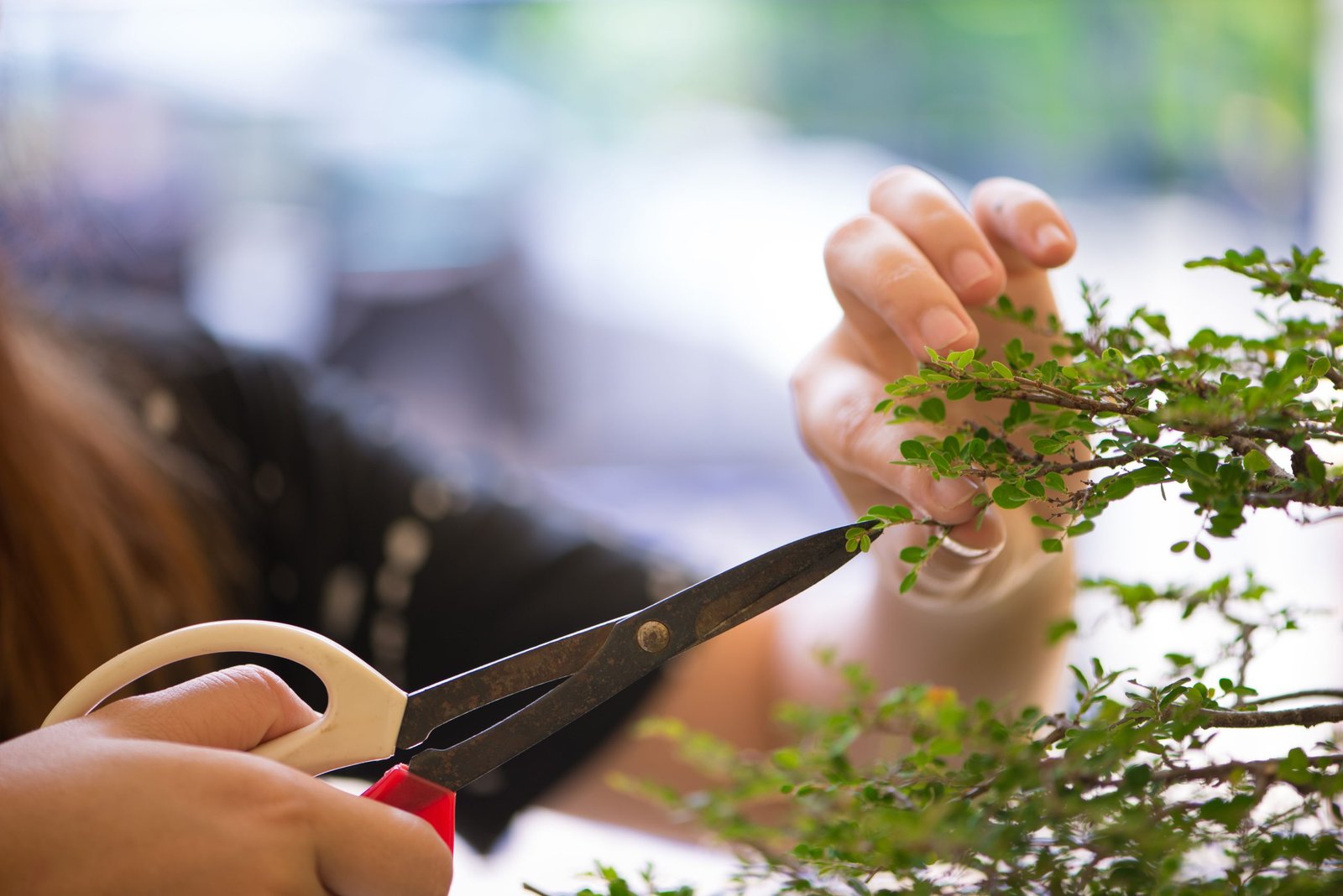
Are your small shrubs looking a bit wild and unruly? Pruning them might just be the solution you need.
But wait—before you reach for those shears, it’s crucial to know how to prune safely to keep both you and your shrubs thriving. Proper pruning not only enhances the health and beauty of your plants but also safeguards your garden sanctuary.
Imagine a garden where every shrub is perfectly shaped, vibrant, and full of life. Doesn’t it sound wonderful? In this guide, we’ll reveal the secrets to safe and effective pruning, ensuring your shrubs remain the pride of your garden. Ready to transform your green space? Let’s dive in and discover how you can prune small shrubs safely and with confidence.
Credit: natureandsustainability.com
Choosing The Right Tools
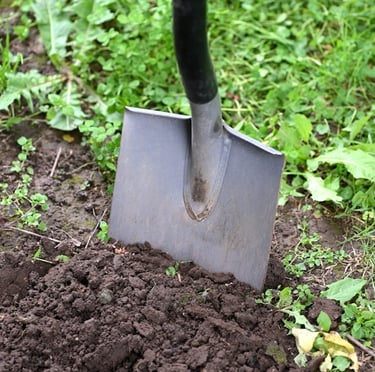
Pruning small shrubs helps keep them healthy and looking nice. Using the right tools makes pruning easier and safer.
Good tools reduce damage to plants and help you work faster. Learn which tools you need before you start pruning.
Essential Pruning Tools
You need sharp, sturdy tools to prune small shrubs well. Choose tools that fit your hand and cut cleanly.
- Hand pruners (secateurs) for small branches
- Loppers for thicker branches
- Pruning saw for very thick or hard branches
- Gloves to protect your hands
Using the right tool for each branch size helps avoid injury and protects your shrubs.
Maintaining Tool Sharpness
Sharp tools make clean cuts that heal faster. Dull tools crush branches and harm plants.
Sharpen blades regularly and clean them after use. This keeps tools working well and lasts longer.
- Use a sharpening stone or file
- Wipe blades with oil to prevent rust
- Check for damage before pruning
Safety Gear Essentials
Wear safety gear to protect yourself from cuts and scratches. Safety gear also keeps you comfortable.
- Sturdy gloves to protect hands
- Safety glasses to shield eyes from debris
- Long sleeves and pants to protect skin
- Closed-toe shoes for foot safety
Always use safety gear before pruning to avoid accidents and injuries.

Credit: plantaddicts.com
When To Prune Small Shrubs
Pruning small shrubs helps keep them healthy and looking good. Knowing the right time to prune is important to avoid damage.
This guide explains the best seasons to prune and how to tell if your shrub needs pruning.
Seasonal Timing
Pruning at the right season encourages growth and flowering. Most small shrubs do best with pruning in early spring or late winter.
- Prune in late winter to remove dead branches before new growth starts.
- Early spring pruning helps shape the shrub and promotes healthy growth.
- Avoid heavy pruning in late summer or fall to prevent new growth that may freeze in winter.
- Light trimming can be done in summer to maintain shape.
Signs Your Shrub Needs Pruning
Look for these signs to know if your shrub needs pruning. Removing the right parts can improve health and appearance.
| Sign | What It Means |
| Dead or broken branches | Remove to prevent disease and encourage growth |
| Overgrown shape | Trim to keep shrub neat and promote air flow |
| Weak or thin growth | Prune to stimulate stronger branches |
| Flower buds missed | Adjust pruning time to avoid cutting buds |
Preparing Shrubs For Pruning
Pruning small shrubs helps keep them healthy and neat. Before cutting, it is important to prepare the shrubs carefully.
Proper preparation makes pruning safer and more effective. Take time to clear the area and check the shrub’s condition.
Clearing Surrounding Area
Clear the space around your shrub to avoid accidents. Remove any tools, debris, or obstacles near the shrub.
- Pick up fallen leaves and branches
- Move garden tools away from the work area
- Trim grass or plants that block access
- Check for pets or children nearby
Assessing Shrub Health
Look closely at the shrub before pruning. Healthy shrubs respond better to cuts and grow back well.
| Signs | Healthy Shrub | Unhealthy Shrub |
| Leaves | Green and firm | Yellow, brown, or wilted |
| Branches | Flexible and strong | Brittle or dry |
| Growth | New shoots present | No new growth or dead tips |
| Insects | Few or no pests | Many pests or damage |
Pruning Techniques For Small Shrubs
Pruning small shrubs helps keep them healthy and looking good. It controls growth and removes weak parts.
Using the right pruning techniques protects the shrub and encourages strong new growth.
Removing Dead And Damaged Branches
Start by cutting dead or broken branches. Removing these stops disease from spreading.
Cut branches back to healthy wood or to the main stem. Use clean, sharp tools to make smooth cuts.
- Look for brown or dry branches
- Cut at a 45-degree angle
- Remove branches close to the base
- Clean tools after pruning
Shaping For Growth And Appearance
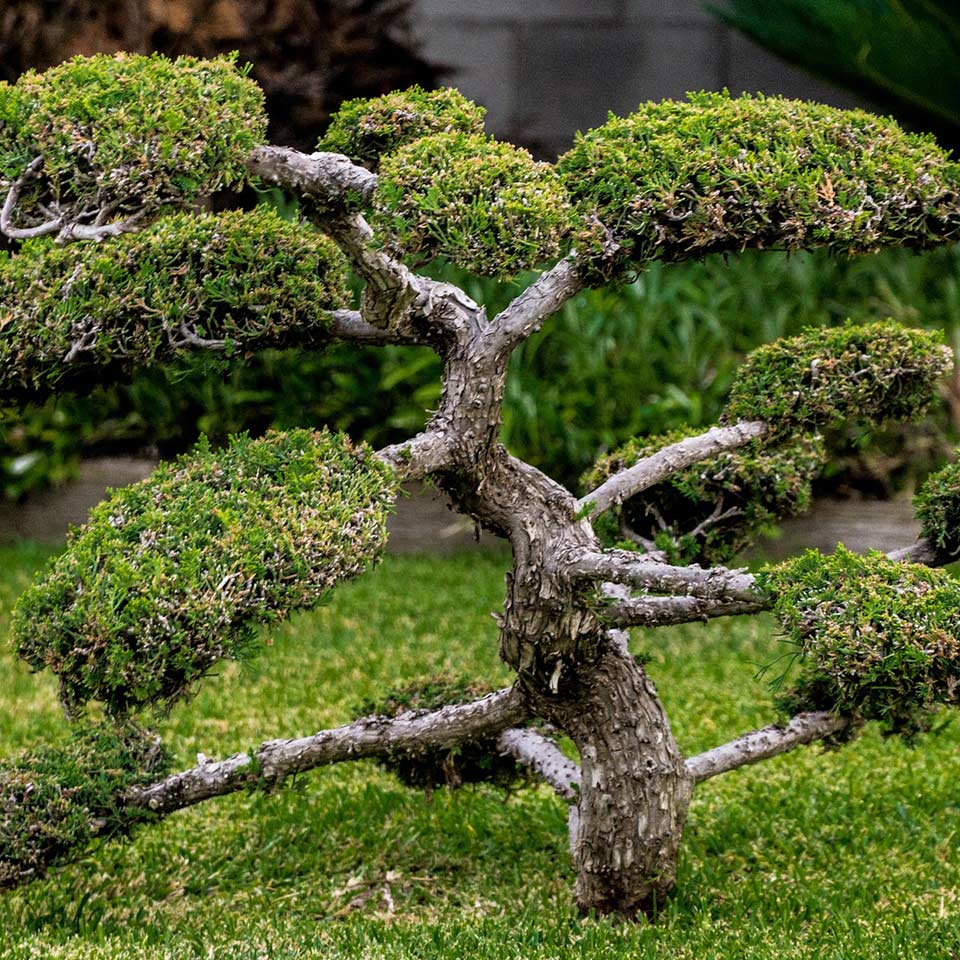
Trim the shrub to keep a balanced shape. This helps light reach all parts of the plant.
Cut back long or overgrown branches. Shape the shrub to match the space and style you want.
- Cut just above a bud or branch
- Keep the natural shape of the shrub
- Do not remove more than one-third of the shrub
- Step back and check the shape often
Thinning For Airflow
Thin the shrub by removing some inner branches. This improves air circulation and reduces pests.
Choose branches that cross or crowd the center. Thin evenly to keep a balanced look.
- Remove weak or thin branches
- Cut branches that rub against each other
- Keep the outer branches intact
- Leave enough branches for healthy growth
Avoiding Common Pruning Mistakes
Pruning small shrubs helps keep them healthy and looking good. It is important to prune with care to avoid damage.
Many people make simple mistakes that harm the shrubs. Learn what to avoid to prune safely and effectively.
Over-pruning Risks
Cutting too much can stress the shrub. Over-pruning removes leaves and branches that feed the plant. This can slow growth and cause weak branches.
- Avoid cutting more than one-third of the shrub at once.
- Do not remove all the new growth in one session.
- Leave enough leaves for photosynthesis.
- Watch the shrub’s recovery before pruning again.
Incorrect Cutting Angles
Cutting branches at the wrong angle can harm the shrub. A bad cut invites pests and disease. It can also slow healing.
| Cutting Angle | Effect |
| 45 degrees | Good water runoff, faster healing |
| Flat or blunt | Water collects, risk of rot |
| Too steep | Large wound, slow healing |
Ignoring Shrub Growth Patterns
Every shrub grows in a unique way. Pruning without knowing growth patterns can cause poor shape and weak branches.
Follow these tips to respect growth patterns:
- Observe which branches grow strong and healthy.
- Cut near buds that face outward to promote open shape.
- Remove dead or crossing branches to improve air flow.
- Do not cut new growth that supports the shrub’s form.
Credit: www.leaflimb.com
Post-pruning Care
Pruning small shrubs is only part of plant care. Proper care after pruning helps shrubs heal and grow strong.
This section covers how to water, feed, watch, and protect your shrubs after pruning.
Watering And Fertilizing
After pruning, shrubs need enough water to recover. Keep the soil moist but not soaked. Fertilizing helps plants rebuild their strength.
- Water deeply once or twice a week depending on weather.
- Use mulch to keep soil moist and cool.
- Apply a balanced fertilizer about two weeks after pruning.
- Avoid over-fertilizing, as it can harm new growth.
Monitoring Recovery
Watch your shrubs closely after pruning. Look for signs of healthy new growth and any problems that may appear.
| Sign | What It Means |
| New leaves and shoots | Good recovery and growth |
| Wilted or dry branches | Possible water stress or damage |
| Discolored leaves | May indicate nutrient deficiency or disease |
| Slow growth | Check soil and light conditions |
Protecting From Pests And Diseases
Pruned shrubs can be more open to pests and diseases. Keep them safe by following a few simple steps.
- Remove fallen leaves and debris around the base.
- Check leaves and stems regularly for pests like aphids or mites.
- Use natural insect sprays if pests appear.
- Keep plants spaced well to allow air flow and reduce disease risk.
Frequently Asked Questions
How Often Should I Prune Small Shrubs?
Prune small shrubs once or twice a year. Early spring and late summer are ideal times. Regular pruning promotes healthy growth and shape.
What Tools Are Best For Pruning Small Shrubs?
Use sharp hand pruners or pruning shears. Bypass pruners work well for clean cuts. Sterilize tools before and after use to prevent disease.
How Do I Avoid Damaging Small Shrubs When Pruning?
Cut at a 45-degree angle above a bud or branch junction. Avoid cutting too close to the main stem. Use gentle, precise cuts to minimize stress.
When Is The Best Time To Prune Small Shrubs?
Prune in early spring before new growth starts or late summer after flowering. Avoid pruning in late fall or winter to prevent damage from cold.
Conclusion
Pruning small shrubs keeps them healthy and looking neat. Use sharp tools and wear gloves for safety. Cut branches carefully, avoiding damage to the plant. Prune at the right time for best growth results. Regular trimming helps shrubs grow stronger and fuller.
Patience and care make pruning easier over time. Enjoy your beautiful garden with well-maintained shrubs. Safe pruning leads to happy, healthy plants every season.