Have you ever looked at your small trees and wondered how to keep them healthy and beautiful? Pruning is the secret.
Done correctly, it can transform your garden. But if you’re not sure where to start, you’re not alone. Many people hesitate, fearing they might harm their trees instead of helping them. Here’s the good news: pruning doesn’t have to be complicated.
With a few simple tips, you can learn how to prune small trees correctly and ensure they thrive year after year. Ready to discover how you can master this essential gardening skill? Let’s dive in and uncover the secrets to perfect pruning that will make your garden the envy of the neighborhood!
Credit: www.russelltreeexperts.com
Benefits Of Pruning Small Trees
Pruning small trees helps keep them healthy and strong. It also shapes their growth and stops future problems.
Understanding the benefits of pruning guides you to care for your trees better. This care supports long-term tree health and beauty.
Improving Tree Health
Pruning removes dead or diseased branches. This prevents pests and diseases from spreading. It also allows more air and light inside the tree.
- Removes broken branches
- Prevents disease spread
- Improves air circulation
- Allows sunlight to reach inner branches
Enhancing Growth And Shape
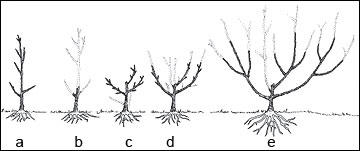
Pruning small trees guides their shape and size. It encourages strong branch growth and a balanced form.
| Pruning Effect | Benefit |
|---|---|
| Removing weak branches | Stronger tree structure |
| Cutting back crowded areas | Better light and space for growth |
| Shaping the tree | Improved appearance and balance |
Preventing Structural Issues
Pruning helps avoid problems like broken branches and split limbs. It strengthens the tree’s main trunk and branches.
- Remove branches that cross or rub
- Cut weak or narrow-angled limbs
- Keep a strong central leader
- Balance branch growth evenly
Best Time To Prune
Pruning small trees at the right time helps them grow strong. It also keeps them healthy and looking good. Knowing when to prune is important for the tree’s future.
Prune too early or too late, and the tree might not heal well. This guide explains the best times based on seasons and signs your tree needs pruning.
Seasonal Considerations
Each season affects tree pruning differently. Here is a simple guide to help you choose the best time for pruning small trees.
- Winter:Prune during dormancy to avoid sap loss and disease.
- Spring:Avoid heavy pruning; wait until after new growth starts.
- Summer:Light pruning is fine to remove dead branches and shape the tree.
- Fall:Pruning is not recommended as trees prepare for dormancy.
Signs Your Tree Needs Pruning
Look for clear signs that show your tree needs pruning. Acting on these signs helps the tree stay healthy and safe.
| Sign | What It Means | Action |
| Dead branches | Branches not growing or falling off | Prune to prevent disease and pests |
| Crossing branches | Branches rubbing against each other | Remove one to avoid damage |
| Overgrown shape | Tree looks too dense or uneven | Thin and shape the tree |
| Weak branch structure | Branches growing at sharp angles | Prune to strengthen the tree |
Essential Tools For Pruning
Pruning small trees needs the right tools to keep them healthy. Using proper tools makes cutting easier and safer.
Learn about the key tools you need for pruning small trees correctly. These tools help you make clean cuts and protect yourself.
Pruners And Shears
Pruners and shears are for cutting small branches and stems. They are sharp and easy to handle. Use hand pruners for branches up to ¾ inch thick.
- Bypass pruners make clean cuts without crushing branches.
- Anvil pruners cut by pressing the blade onto a flat surface.
- Shears are good for trimming leaves and thin stems.
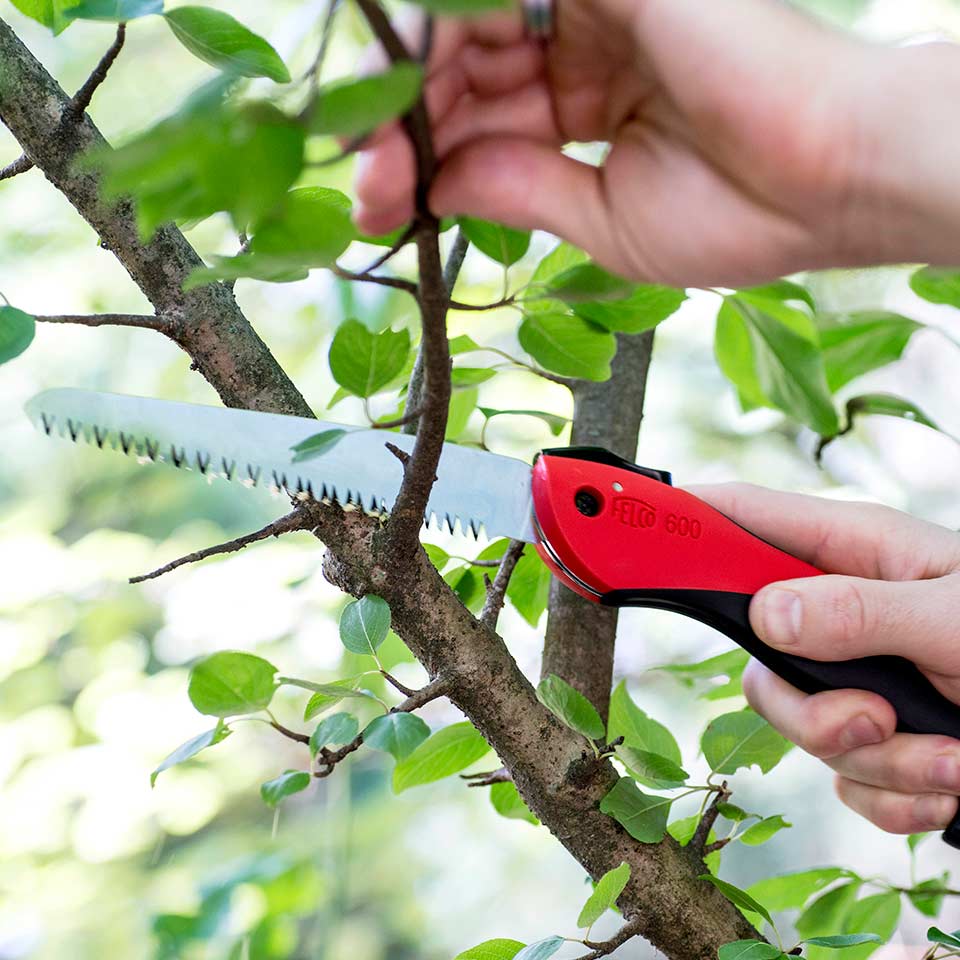
Loppers And Saws
Loppers and saws help cut thicker branches that pruners cannot handle. Loppers have long handles for better reach and leverage.
| Tool | Branch Size | Best Use |
| Loppers | Up to 2 inches | Cut medium branches with leverage |
| Pruning Saw | Over 2 inches | Saw through thick branches safely |
Safety Equipment
Wear safety gear to protect yourself while pruning. Sharp tools and falling branches can cause injury.
- Use gloves to protect your hands from cuts and blisters.
- Wear safety glasses to shield your eyes from debris.
- Wear long sleeves and sturdy shoes for extra protection.
Step-by-step Pruning Process
Pruning small trees helps keep them healthy and looking nice. It removes unwanted branches and encourages good growth. Follow these steps carefully to prune your tree the right way.
This guide covers how to check your tree, remove bad branches, shape it well, and make clean cuts.
Assessing The Tree
Start by looking closely at your tree. Check its size, shape, and where branches grow. Notice any broken, dead, or weak branches. Also, watch for crowded areas that block light and air.
Removing Dead Or Diseased Branches
Remove branches that are dead, damaged, or show signs of disease. This keeps the tree healthy and stops problems from spreading. Cut these branches back to healthy wood or the main trunk.
- Look for branches with no leaves or brittle wood
- Cut off branches with spots, fungus, or cracks
- Use clean tools to avoid spreading disease
- Dispose of removed branches properly
Thinning And Shaping
Thin crowded branches to improve air flow and light inside the tree. Shape the tree by trimming branches that grow too long or in the wrong direction. This helps the tree grow strong and look balanced.
| Action | Purpose |
| Remove crowded branches | Improve air and light |
| Cut long branches | Maintain shape |
| Trim crossing branches | Prevent damage |
| Keep natural form | Support healthy growth |
Making Clean Cuts
Make clean cuts to help the tree heal quickly. Use sharp pruning shears or saws. Cut just outside the branch collar, the swollen area where the branch meets the trunk or another branch. Avoid leaving stubs or cutting into the trunk.
Follow this guide for clean cuts:
- Hold the tool firmly.
- Make a smooth cut without tearing bark.
- Cut at a slight angle away from the bud.
- Sanitize tools between cuts if needed.
Common Mistakes To Avoid
Pruning small trees helps them grow healthy and strong. It is important to prune correctly to avoid damage. Many people make simple mistakes that hurt the tree instead of helping it.
Knowing what not to do can save your tree. Avoid these common pruning errors to keep your tree safe and growing well.
Over-pruning
Cutting too many branches weakens a small tree. Over-pruning removes too much of the tree’s leaves. Leaves help the tree make food through sunlight.
Without enough leaves, the tree grows slowly or may die. It also becomes more open to pests and diseases.
- Do not remove more than 25% of the tree’s branches at once.
- Focus on removing dead or damaged branches first.
- Keep the tree’s natural shape intact.
Cutting Too Close Or Too Far
Cutting branches too close to the trunk can cause wounds that do not heal. This can let insects and diseases enter the tree.
Cutting too far from the trunk leaves a stub. Stubs die back and attract pests. It also wastes the tree’s energy trying to heal.
- Cut just outside the branch collar, the swollen area where branch meets trunk.
- A clean cut helps the tree heal quickly.
- Use sharp tools to avoid tearing bark.
Ignoring Tree Structure
Pruning without thinking about the tree’s shape can cause weak growth. Poor structure leads to branches crossing or rubbing each other.
Weak branches break easily in wind or snow. This harms the tree and can be unsafe.
- Look for branches that grow inward or cross others.
- Remove weak or crowded branches to improve airflow.
- Keep a strong central leader or main stem.
Credit: www.groworganic.com
Aftercare For Pruned Trees
After pruning small trees, proper care helps them heal well. Good aftercare keeps trees healthy and strong.
Pruning cuts can stress trees. Follow these steps to support new growth and prevent problems.
Watering And Mulching
Water the tree deeply after pruning. Keep soil moist but not soggy. This helps roots grow well.
Apply mulch around the base of the tree. Mulch keeps soil moist and stops weeds.
- Use 2-3 inches of organic mulch
- Keep mulch 3 inches away from the trunk
- Check soil moisture weekly
Monitoring For Pests And Diseases
Look at your tree often for signs of pests or diseases. Early detection stops problems from spreading.
Check leaves, branches, and pruning cuts for damage or unusual spots. Treat any issues quickly.
- Remove dead or damaged branches
- Use natural pest control methods if possible
- Keep the area clean and free of debris
When To Prune Again
Wait until the tree has grown new healthy branches before pruning again. This usually takes one year.
Regular pruning helps keep the tree shape and health. Avoid heavy pruning in one season.
- Prune in late winter or early spring
- Remove only small branches during the growing season
- Watch tree growth to plan next pruning
Credit: www.leaflimb.com
Frequently Asked Questions
How Often Should I Prune Small Trees?
Prune small trees once a year during their dormant season. This timing prevents damage and promotes healthy growth. Regular pruning removes dead or weak branches and shapes the tree properly.
What Tools Are Best For Pruning Small Trees?
Use sharp hand pruners for small branches and loppers for thicker limbs. Clean tools reduce infection risk. Avoid using dull or rusty tools to ensure clean cuts and faster healing.
When Is The Best Time To Prune Small Trees?
Late winter or early spring is ideal for pruning small trees. Pruning during dormancy minimizes stress and encourages vigorous growth in spring. Avoid pruning during active growth or late fall.
How Much Should I Prune From A Small Tree?
Remove no more than 20-30% of the tree’s branches annually. Over-pruning weakens the tree and slows growth. Focus on removing dead, diseased, or crossing branches for better structure.
Conclusion
Pruning small trees helps them grow strong and healthy. Cut branches carefully to avoid damage. Focus on removing dead or crowded parts. Use clean, sharp tools for the best results. Prune at the right time to support growth. Watch your tree after pruning to check progress.
Small steps make a big difference in tree care. Keep practicing, and your trees will thrive beautifully.