
Pruning small trees can feel tricky, especially when you want them to look balanced and healthy. If your tree’s branches are uneven or overgrown, it can affect its growth and appearance.
But don’t worry—pruning your small trees evenly is easier than you think. You’ll learn simple, step-by-step tips to help your trees grow strong and look their best. Keep reading, and you’ll discover how a little care can make a big difference in your garden.
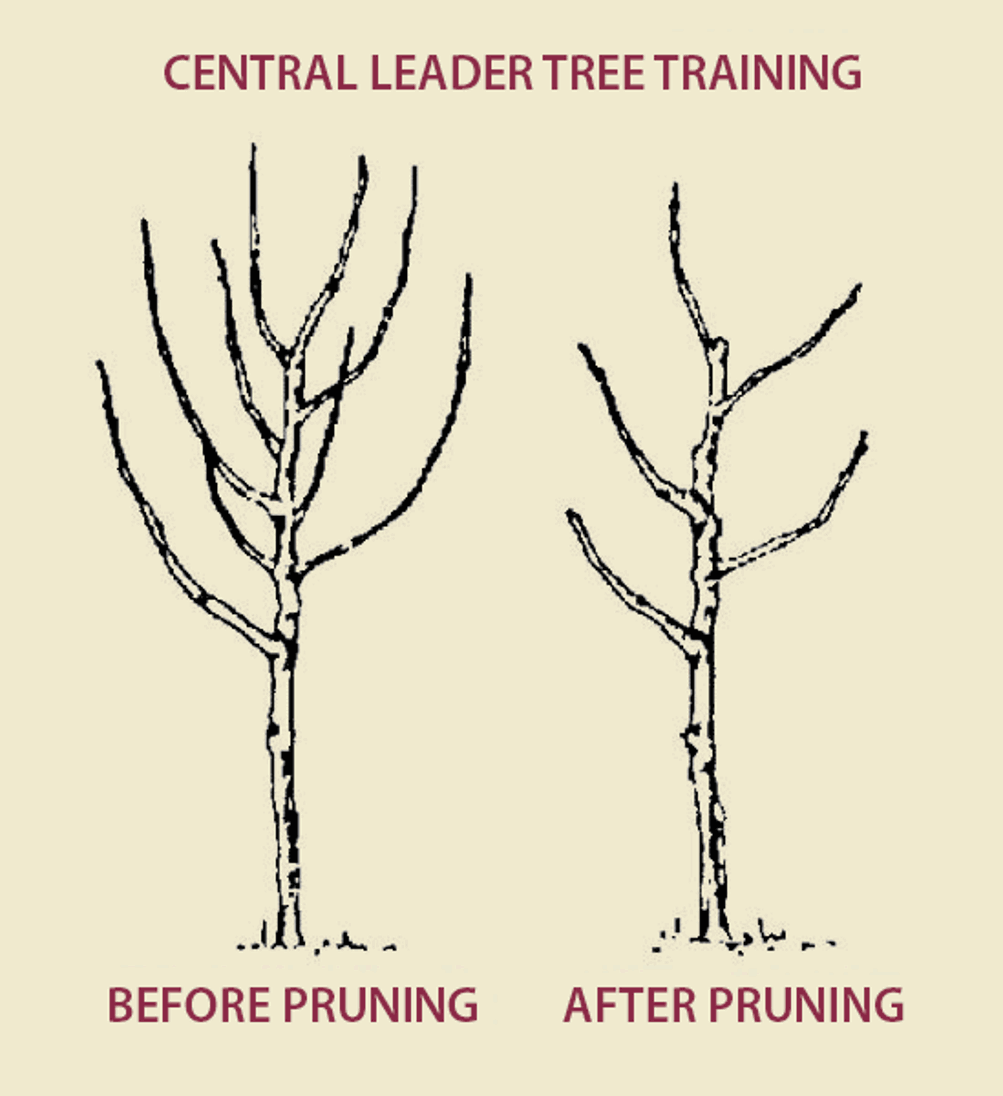
Credit: www.starkbros.com
Choosing The Right Time
Pruning small trees at the right time helps them grow healthy. It also keeps their shape even and neat.
Picking the best time to prune depends on the tree type and weather. Knowing when to prune prevents damage.
Best Seasons For Pruning
The best seasons to prune small trees are late winter and early spring. Trees are still dormant then.
Pruning in these seasons helps trees heal faster and grow strong branches. Avoid pruning in late summer or fall.
- Late winter: Trees are dormant and easier to shape
- Early spring: Before new growth starts
- Avoid late summer and fall: Can cause stress and disease
Signs Your Tree Needs Pruning
Look for signs that show your tree needs pruning. These signs help keep trees healthy and balanced.
Some signs include dead branches, crowded growth, and branches crossing each other.
- Dead or broken branches
- Branches growing toward the center
- Crowded or crossing branches
- Weak or thin branches
- Branches blocking paths or views
Credit: tense-deer.files.svdcdn.com
Tools You’ll Need
Pruning small trees needs the right tools for clean cuts. Using good tools helps the tree grow healthy.
Make sure you have the right tools before you start pruning. This saves time and keeps the tree safe.
Essential Pruning Tools
You need a few basic tools to prune small trees well. Each tool has a special job to do.
- Hand Pruners:Used for small branches up to ¾ inch thick.
- Loppers:These cut branches up to 2 inches thick.
- Pruning Saw:Needed for thicker branches over 2 inches.
- Gloves:Protect your hands from thorns and rough bark.
- Safety Glasses:Keep your eyes safe from flying debris.
Maintaining And Sharpening Tools
Sharp tools make clean cuts that heal faster. Dull tools can harm the tree and make work harder.
Clean your tools after each use. Remove sap and dirt to stop rust and damage.
- Use a sharpening stone or file to keep blades sharp.
- Oil the moving parts to keep tools working smoothly.
- Store tools in a dry place to avoid rust.
- Check blades often for nicks or damage.
Preparing Your Tree
Pruning small trees helps keep them healthy and looking good. Before you start cutting, you need to prepare the tree carefully.
Good preparation makes pruning easier and safer for the tree.
Assessing Tree Health
Look at your tree closely to check its health. Healthy trees handle pruning better than weak ones.
- Check for dead or broken branches
- Look for signs of disease or pests
- Examine the bark for cracks or holes
- Notice if the leaves are healthy and green
If you see many problems, wait to prune until the tree improves.
Clearing Surrounding Area
Clear the space around your tree before pruning. This helps you move safely and see all branches well.
| Task | Reason |
| Remove grass and weeds | Better access to the trunk |
| Clear fallen leaves and debris | Reduce pests and mess |
| Move tools nearby | Work efficiently without trips |
| Keep pets and children away | Ensure safety during pruning |
Pruning Techniques
Pruning small trees helps keep them healthy and looking good. It also encourages strong growth and a nice shape.
Using the right pruning techniques makes the job easier. It also prevents damage to the tree.
Identifying Branches To Remove
Look for branches that are dead, damaged, or crossing other branches. These can harm the tree’s health.
Remove branches that grow inward or rub against each other. Also, thin crowded areas to let light in.
- Dead or broken branches
- Crossing or rubbing branches
- Branches growing toward the center
- Crowded or weak branches
Making Clean Cuts
Use sharp pruning tools to make clean cuts. Clean cuts help the tree heal faster and avoid disease.
Cut just outside the branch collar. Avoid cutting too close or leaving a stub behind.
- Use sharp pruning shears or saws
- Cut at a slight angle
- Make cuts just outside the branch collar
- Remove branches in sections if large
Balancing Shape And Growth
Prune to keep the tree balanced in shape. This helps the tree grow evenly and stay strong.
Trim branches evenly around the tree. Remove too-long branches to keep a uniform shape.
- Keep the natural shape of the tree
- Trim long branches to match others
- Thin dense areas for light and air
- Do not remove more than 25% of growth
Avoiding Common Mistakes
Pruning small trees helps them grow strong and healthy. Cutting the wrong way can hurt your tree.
Learn how to prune without making common errors. This keeps your tree safe and looking good.
Over-pruning Risks
Cutting too much weakens the tree. It loses leaves that make food from sunlight.
Over-pruning can cause stress and slow growth. The tree may become more open to disease.
- Leaves make energy for the tree
- Too many cuts reduce food production
- Stress makes the tree less healthy
- Open wounds invite pests and illness
Incorrect Cut Placement
Cutting in the wrong spot can harm the tree. It may not heal properly or grow back strong.
Make cuts just above a bud or branch junction. This helps the tree heal and grow evenly.
- Cut above a healthy bud or branch
- Avoid cutting too far from the branch
- Do not leave stubs that die back
- Use sharp tools for clean cuts

Credit: sactree.org
Aftercare Tips
Pruning small trees needs care after cutting. Good aftercare helps trees heal fast. It keeps them healthy and strong.
Follow simple steps to protect your tree and help it grow well after pruning.
Protecting Pruned Areas
Cover cut areas to stop bugs and diseases. Use tree wound paint or natural sealants. Do this soon after pruning.
- Keep animals away from fresh cuts
- Check cuts weekly for signs of infection
- Remove dead branches to prevent rot
- Use clean tools for any follow-up pruning
Watering And Fertilizing
Water your tree deeply after pruning. It helps the tree recover and grow new leaves. Avoid overwatering to prevent root rot.
| Care Task | Frequency | Tips |
| Watering | 2-3 times per week | Water deeply, avoid wetting leaves |
| Fertilizing | Once a month | Use balanced fertilizer with nitrogen |
| Check Soil | Weekly | Ensure soil drains well and is moist |
Encouraging Healthy Growth
Pruning small trees helps keep them healthy and strong. Cutting branches evenly lets sunlight reach all parts.
Good pruning also improves air flow. This prevents diseases and helps the tree grow well.
Regular Maintenance Schedule
Set a regular time to prune your small trees. This keeps growth balanced and prevents overgrowth.
Prune during the tree’s dormant season to avoid stress. Remove dead or crowded branches for better shape.
- Check trees every 6 to 8 weeks
- Remove weak or crossing branches
- Cut back new shoots evenly
- Use sharp tools for clean cuts
Monitoring Tree Development
Watch how your tree grows after pruning. Look for even branch growth and healthy leaves.
Adjust pruning based on the tree’s shape. Remove any branches that grow unevenly or block sunlight.
- Inspect tree monthly during growing season
- Note any weak or damaged branches
- Prune to keep balanced shape
- Keep the center open for air flow
Frequently Asked Questions
What Tools Are Needed To Prune Small Trees Evenly?
You need sharp pruning shears, loppers, and a pruning saw. Gloves and safety glasses protect you. Use clean tools to avoid disease spread. Proper tools ensure precise, even cuts for healthier tree growth and appearance.
When Is The Best Time To Prune Small Trees?
The best time to prune small trees is late winter or early spring. This timing avoids sap loss and disease. Pruning before new growth helps shape the tree evenly and promotes healthy development throughout the season.
How Do You Maintain Even Shape When Pruning Small Trees?
Start by removing dead or crossing branches. Trim branches evenly around the tree’s canopy. Step back frequently to check balance. Use gradual cuts to avoid over-pruning. Consistent shaping improves tree health and visual appeal.
Can Pruning Small Trees Improve Their Health?
Yes, pruning removes dead or diseased branches. It improves air circulation and sunlight penetration. Proper pruning reduces pest risks and encourages strong growth. Regular pruning keeps small trees healthy and vibrant.
Conclusion
Pruning small trees evenly helps them grow strong and healthy. Trim branches carefully to keep balance and shape. Use sharp tools and cut at the right spots. Watch your tree as it grows to adjust pruning. Regular care prevents damage and supports good growth.
Enjoy a neat, beautiful tree in your yard. Simple steps make pruning easy and effective. Keep practicing to improve your skills over time. Healthy trees bring beauty and shade to your space.
