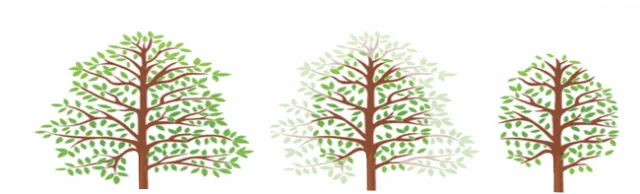
Are you struggling to maintain the beauty of your small trees in tight spaces? Pruning might seem daunting, especially when space is limited, but it doesn’t have to be.
Imagine transforming your crowded garden into a thriving oasis with just a few simple techniques. This guide will show you how to prune small trees even in the most confined areas, ensuring they remain healthy and vibrant. By learning these easy steps, you’ll enhance your garden’s aesthetic and unlock its full potential.
Dive into the secrets of effective pruning and discover how a little effort can lead to stunning results. Keep reading to turn your garden into a masterpiece of nature.
Credit: treecanada.ca
Choosing The Right Tools
Pruning small trees in tight spaces needs careful tool choice. Using the right tools helps make clean cuts.
Good tools reduce damage to the tree and make pruning easier and safer.
Essential Pruning Tools
Use sharp tools to cut branches smoothly. Sharp cuts heal faster and protect the tree.
Choose the right size tool for the branch. Small hand pruners work well for thin branches.
- Hand pruners for branches up to ¾ inch thick
- Loppers for branches up to 2 inches thick
- Pruning saws for thicker branches
- Gloves to protect your hands
- Safety glasses to shield your eyes
Tool Maintenance Tips
Keep tools clean to stop rust and disease spread. Wipe blades after each use.
Sharpen blades regularly. Sharp blades cut better and need less force.
- Use a sharpening stone or file on blades
- Oil metal parts to prevent rust
- Tighten loose screws and bolts
- Store tools in a dry place
- Check tools before each use for damage

Credit: www.youtube.com
Identifying Tree Growth Patterns
Pruning small trees in tight spaces needs care. Understanding how trees grow helps you prune well.
Each tree has a unique growth pattern. Knowing this makes pruning easier and keeps trees healthy.
Recognizing Branch Structure
Look at how branches grow from the trunk. Branches can grow upward, outward, or downward.
- Main branches grow strong and thick.
- Smaller branches spread out to catch sunlight.
- Branches that cross or rub can cause damage.
- Spacing between branches affects air flow and light.
Spotting Weak Or Damaged Branches
Check branches for signs of weakness or harm. Weak branches break easily and hurt the tree.
| Signs of Weakness | Signs of Damage |
| Thin or brittle branches | Cracks or splits in bark |
| Dead or missing leaves | Broken or hanging limbs |
| Slow growth | Fungal growth or decay spots |
Pruning Techniques For Small Spaces
Pruning small trees in limited spaces requires careful planning. You must keep the tree healthy and tidy without crowding your area.
Using the right pruning methods helps trees grow well while fitting your space. Learn key pruning techniques for small spaces below.
Selective Thinning
Selective thinning means removing some branches to improve light and air flow. This helps the tree stay healthy and balanced.
Focus on cutting branches that crowd the center or cross each other. Thin out weak or damaged branches too.
- Cut branches growing inward toward the trunk
- Remove crowded or crossing branches
- Keep strong, healthy branches evenly spaced
Heading Cuts Explained
Heading cuts shorten a branch by cutting it back to a bud or side branch. This encourages new growth near the cut.
Use heading cuts to control tree size and shape. Make cuts just above a bud that faces the direction you want new growth.
- Cut about ¼ inch above a healthy bud
- Choose buds facing outward from the tree
- Avoid cutting too close or too far from the bud
Avoiding Over-pruning
Over-pruning removes too many leaves or branches. This stresses the tree and slows its growth.
Only prune what is needed to keep the tree healthy and fit in your space. Leave enough leaves for photosynthesis.
- Do not remove more than 25% of the tree’s branches at once
- Keep the tree balanced with leaves on all sides
- Prune regularly but gently to avoid shock
Timing Your Pruning
Pruning small trees in tight spaces needs careful timing. Prune at the right time to keep trees healthy and neat.
Cutting branches at the wrong time can hurt your tree or slow its growth. Learn when to prune for best results.
Best Seasons For Pruning
The best time to prune depends on the tree type and climate. Many trees do well when pruned in late winter or early spring.
- Late winter: Trees are dormant, less sap loss, fewer pests.
- Early spring: Just before new growth starts, easy to shape.
- Summer: Only prune to remove dead or dangerous branches.
- Fall: Avoid heavy pruning as it can cause stress before winter.
Signs Your Tree Needs Pruning
Watch for these signs to know when to prune your small tree in limited spaces.
| Sign | What It Means |
| Crossing branches | Branches rub and cause damage |
| Dead or diseased wood | Tree health is at risk |
| Overcrowded growth | Too many branches block light |
| Branches growing inward | Can weaken the tree structure |
| Unbalanced shape | Tree looks uneven or lopsided |
Maintaining Tree Health Post-pruning
Pruning small trees in tight spaces helps them grow well and stay healthy. After pruning, your tree needs care to recover.
Good care keeps the tree strong and stops disease or damage. Focus on wound care and proper watering and feeding.
Proper Wound Care
Pruning cuts are wounds. They need to heal well to protect the tree. Avoid leaving rough or torn edges on branches.
Clean cuts heal faster and reduce infection risk. Do not use wound paint or sealants; trees heal better alone.
- Use sharp, clean tools for pruning
- Cut at branch collars, where branches meet the trunk
- Remove broken or jagged wood smoothly
- Keep the area free of debris and pests
Watering And Fertilizing Tips
Water helps trees heal after pruning. Small trees need steady moisture but not too much. Check soil often.
Fertilizer gives nutrients for new growth. Use balanced fertilizer but do not overfeed. Follow package instructions.
- Water deeply once or twice a week depending on weather
- Keep soil moist but not soggy
- Apply fertilizer in early spring or after pruning
- Choose slow-release fertilizer for steady nutrients
Credit: www.starkbros.com
Safety Tips For Pruning In Confined Areas
Pruning small trees in tight spaces needs care and attention. Safety is very important to avoid accidents.
Always plan your work and use the right tools. Follow safety tips to protect yourself and others.
Protective Gear Essentials
Wear protective gear to keep safe from cuts, scratches, and falling branches. Good gear helps prevent injuries.
Always use gloves, eye protection, and sturdy shoes. A helmet is good if branches are overhead.
- Thick gloves protect your hands from thorns and sharp tools
- Safety glasses shield your eyes from debris
- Hard-toe boots keep your feet safe from falling limbs
- A helmet guards your head in crowded spaces
- Long sleeves and pants protect your skin
Working Around Obstacles
Limited space means you must watch for obstacles like fences, walls, or wires. Move carefully to avoid damage.
Clear the area of loose items before pruning. Use tools that fit well in tight spots to work safely.
- Check for power lines and keep distance
- Trim small branches first to improve visibility
- Use hand pruners in close spaces for control
- Keep a clean workspace to avoid trips and falls
- Have a helper spot hazards and hold tools if needed
Frequently Asked Questions
How Often Should I Prune Small Trees In Limited Spaces?
Prune small trees once or twice a year to maintain shape and size. Early spring and late summer are ideal. Regular pruning prevents overcrowding and promotes healthy growth in tight spaces.
What Tools Are Best For Pruning Small Trees?
Use sharp hand pruners for small branches and loppers for thicker limbs. A pruning saw works well for larger cuts. Clean, sharp tools ensure precise cuts and reduce tree damage.
How Do I Avoid Damaging Small Trees While Pruning?
Cut at a 45-degree angle just above a bud or branch junction. Avoid cutting too close or leaving stubs. Proper cuts help trees heal faster and prevent disease.
Can Pruning Improve Sunlight In Limited Spaces?
Yes, pruning opens the canopy, allowing more sunlight to reach lower branches. This enhances photosynthesis and overall tree health. It also prevents overcrowding in confined areas.
Conclusion
Pruning small trees in tight spaces needs care and patience. Focus on removing dead or crowded branches first. Keep the tree shape balanced and open for light. Use sharp tools to make clean cuts. Regular pruning helps trees stay healthy and grow well.
Small spaces do not mean less beauty. With proper care, your small trees will thrive and look great. Keep practicing these simple steps for best results. Your garden will thank you for the effort.
