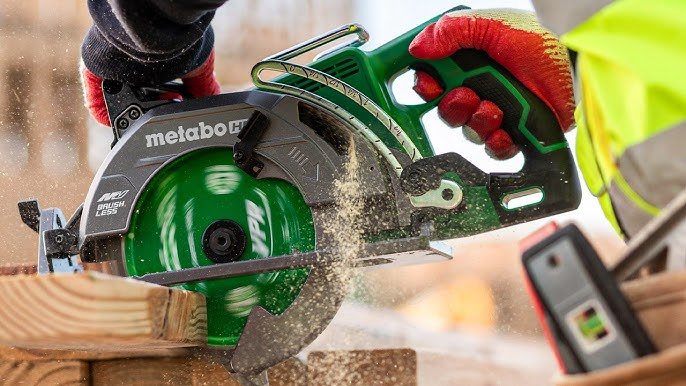
Choosing the right circular saw blade can make all the difference between a clean cut and a frustrating mess. If you want your projects to look professional and save time, you need to pick the blade that fits your needs perfectly.
But with so many options out there, how do you know which one is best for you? This guide will help you understand what to look for, so you can make the smartest choice and get the job done right every time.
Keep reading, and you’ll soon master the secret to perfect cuts with your circular saw.
Credit: www.antsmachine.com
Types Of Circular Saw Blades
Circular saw blades come in many types. Each type fits different cutting tasks and materials.
Choosing the right blade helps you cut better and keeps your saw safe. Learn about blade materials, tooth shapes, and sizes.
Blade Materials
The material of a saw blade affects its strength and cutting ability. Common materials include steel and carbide.
Steel blades are cheaper but wear out faster. Carbide-tipped blades last longer and cut cleaner.
- Steel: Good for soft wood and basic cuts
- Carbide-tipped: Durable, works well on hardwood and metal
- Diamond-tipped: Best for cutting tile and concrete
Tooth Configurations
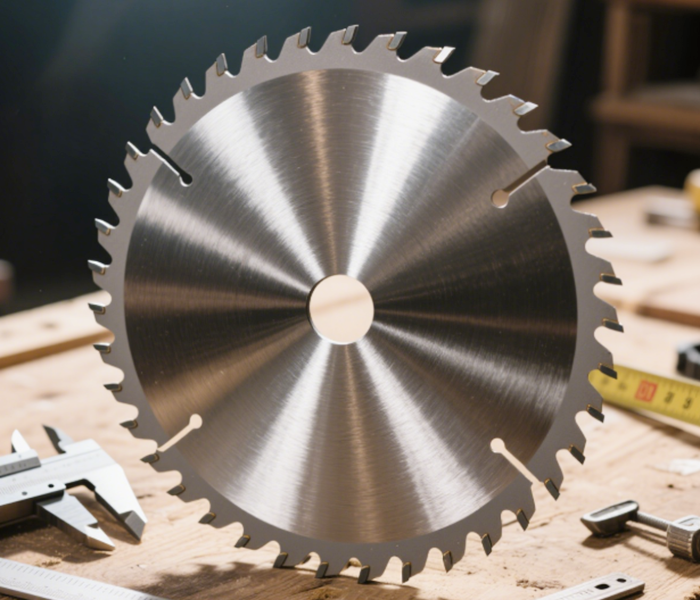
Teeth on a blade determine the cut quality and speed. Different shapes fit different materials.
More teeth mean a smoother cut but slower speed. Fewer teeth cut faster but rougher.
- Flat Top Teeth: Best for ripping wood along the grain
- Alternate Top Bevel: Good for crosscutting wood across the grain <litriple and="" chip="" cutting="" for="" grind:="" hard="" li="" like="" materials="" metal="" plastic
- Combination: A mix for both ripping and crosscutting
Blade Sizes
Blades come in various diameters. Size affects the depth and speed of the cut.
Make sure the blade fits your saw. Common sizes range from 4 inches to 12 inches.
- 4 to 6 inches: Small saws and trim work
- 7 to 8 inches: Most common for general woodworking
- 10 to 12 inches: Used for heavy-duty cutting and framing
Matching Blades To Materials
Choosing the right circular saw blade is important for good cuts. Different materials need specific blades for safety and quality.
Using the correct blade helps your saw work better and lasts longer. Learn how to match blades to wood, metal, and masonry.
Wood Cutting Blades
Wood blades have many teeth for smooth cuts. They come in different sizes and tooth shapes for soft or hard wood.
Choose a blade with more teeth for fine cuts. Use fewer teeth for fast, rough cuts or framing work.
- High tooth count: smooth, clean cuts
- Low tooth count: faster, rough cuts
- Alternate top bevel teeth for crosscuts
- Flat top teeth for ripping along grain
Metal Cutting Blades
Metal blades have hard teeth made from carbide or steel. They cut through metal sheets, pipes, and rods safely.
Use blades with small, closely spaced teeth for thin metals. Larger teeth work better on thick metal pieces.
- Carbide-tipped teeth for longer life
- Fine teeth for thin metal sheets
- Coarse teeth for thicker metals
- Blades designed to reduce heat
Masonry And Tile Blades
Masonry blades use diamond edges or abrasive materials. They cut bricks, concrete, tiles, and stone.
Diamond blades last longer and cut cleaner. Abrasive blades are cheaper but wear out faster.
- Diamond blades for hard materials and smooth cuts
- Abrasive blades for soft masonry and tile
- Wet cutting blades reduce dust and heat
- Dry cutting blades allow faster work
Blade Tooth Count And Cut Quality
The number of teeth on a circular saw blade affects the cut quality and speed. Choosing the right tooth count helps you get the best results for your project.
Blades with fewer teeth cut faster but make rougher cuts. Blades with more teeth cut slower but give smoother finishes.
Low Tooth Count For Fast Cuts
Blades with a low number of teeth remove material quickly. They are good for cutting thick wood or rough cuts.
These blades create bigger chips and clear sawdust faster. The cut edges may be rough and need sanding later.
- Usually 24 to 40 teeth
- Faster cutting speed
- Good for framing and demolition
- Leaves rough cut edges
High Tooth Count For Smooth Finishes
Blades with many teeth make smooth and clean cuts. They are best for fine woodworking and cutting plywood or laminate.
These blades cut slowly and produce smaller chips. The edges are ready for finishing without extra sanding.
- Usually 60 to 100 teeth or more
- Slower cutting speed
- Best for finish carpentry and cabinetry
- Leaves smooth, clean edges
Blade Kerf And Thickness
The kerf of a circular saw blade is the width of the cut it makes. Thickness is how thick the blade itself is. Both affect how well the blade cuts wood or other materials.
Choosing the right kerf and thickness helps improve cutting performance. It also affects the power your saw uses and the quality of the cut.
Standard Vs Thin Kerf Blades
Standard kerf blades are thicker and cut wider slots. Thin kerf blades have a narrower cut and are thinner overall. Each type suits different saws and tasks.
Thin kerf blades use less power. They are good for smaller saws or less powerful motors. Standard blades work well with bigger saws that have strong motors.
- Standard kerf: about 1/8 inch wide, thicker blade
- Thin kerf: about 3/32 inch wide, thinner blade
- Thin kerf saves material by cutting less wood
- Standard kerf is more durable for heavy work
Impact On Cutting Speed And Precision
Thin kerf blades cut faster because they remove less material. They also put less load on the saw motor. This can lead to smoother cuts.
Standard kerf blades offer more stability. This can improve precision on tough or thick materials. They resist bending better during cutting.
| Blade Type | Cutting Speed | Precision | Best Use |
|---|---|---|---|
| Thin Kerf | Faster cuts | Good for light work | Smaller saws, fine cuts |
| Standard Kerf | Slower cuts | Better stability | Heavy-duty cutting |
Blade Speed And Rpm Ratings
Choosing the right circular saw blade means understanding blade speed and RPM ratings. The blade speed shows how fast the blade spins.
RPM stands for revolutions per minute. It tells you how many times the blade turns in one minute.
Matching Blade To Saw Speed
Check the saw’s RPM before picking a blade. The blade must handle the saw’s speed safely.
Using a blade with a lower RPM rating than your saw can cause damage. It may break or wear out fast.
- Find the saw’s maximum RPM on its label or manual.
- Choose a blade with an RPM rating equal to or higher than the saw’s RPM.
- Do not use blades with lower RPM ratings than your saw.
Safety Considerations
Always match the blade speed with the saw speed to avoid accidents. A blade spinning too fast can break.
Wear safety gear like goggles and gloves. Make sure your saw is off before changing blades.
- Do not force the blade to cut too fast.
- Inspect blades for cracks or damage before use.
- Keep hands away from the blade while cutting.
Credit: www.craftsman.com
Maintenance And Blade Longevity
Taking care of your circular saw blade helps it last longer. Proper maintenance keeps cuts clean and safe.
Regular checks and care save money by reducing the need for replacements.
Sharpening Tips
Dull blades make cutting harder and unsafe. Sharpen blades to keep them sharp and efficient.
Use a diamond file or a professional sharpening tool. Follow the blade’s tooth angle for best results.
- Clean the blade before sharpening
- Sharpen each tooth evenly
- Do not remove too much material
- Check the blade balance after sharpening
Storage And Handling
Store blades in a dry place to avoid rust. Keep blades separate to prevent damage.
Handle blades with care. Avoid dropping or banging them against hard surfaces.
- Use blade cases or hang blades on hooks
- Keep blades clean before storage
- Inspect blades for damage before use
- Wear gloves to protect hands and the blade
Budgeting For Quality Blades
Choosing the right circular saw blade is important for your projects. Quality blades can cost more but last longer.
It helps to plan your budget so you get the best value. Spending wisely on blades saves money over time.
Cost Vs Performance
Cheaper blades may work for simple tasks but wear out fast. Quality blades cut cleaner and last longer.
Higher price often means better materials and design. This improves cutting speed and reduces mistakes.
- Low-cost blades suit occasional light use
- Mid-range blades balance price and durability
- Premium blades offer best performance and life
When To Invest In Premium Blades
Use premium blades if you cut hard materials often. They hold sharp edges longer and resist damage.
If you want precise cuts or work professionally, premium blades save time and reduce waste.
- Frequent cutting jobs needing accuracy
- Working with hardwood, metal, or thick materials
- Needing clean edges with less sanding
Credit: www.bosch-professional.com
Frequently Asked Questions
What Factors Determine The Best Circular Saw Blade?
The best blade depends on material type, tooth count, blade diameter, and kerf width. Choose a blade designed for your specific cutting needs to ensure smooth, precise cuts and longer blade life.
How Do Tooth Count And Blade Type Affect Cutting?
Higher tooth counts yield smoother cuts in wood or metal. Lower tooth counts cut faster but rougher. Match tooth count to the material for optimal performance.
Can I Use One Blade For All Materials?
No, blades are designed for specific materials like wood, metal, or plastic. Using the correct blade ensures safety, efficiency, and clean cuts.
How Often Should I Replace A Circular Saw Blade?
Replace blades when they become dull, damaged, or show signs of wear. Dull blades cause poor cuts and strain your saw motor.
Conclusion
Choosing the right circular saw blade is crucial. It ensures precise cuts. Consider the material you’ll cut. Check the blade’s size and teeth count. Match them to your project needs. Remember, quality blades last longer and work better. Investing in the right blade saves time and effort.
Always prioritize safety while using any saw. Inspect blades regularly for wear. Replace them when dull. A well-chosen blade makes your work easier. So, take your time. Research and select wisely. Your projects will benefit greatly. Happy cutting!