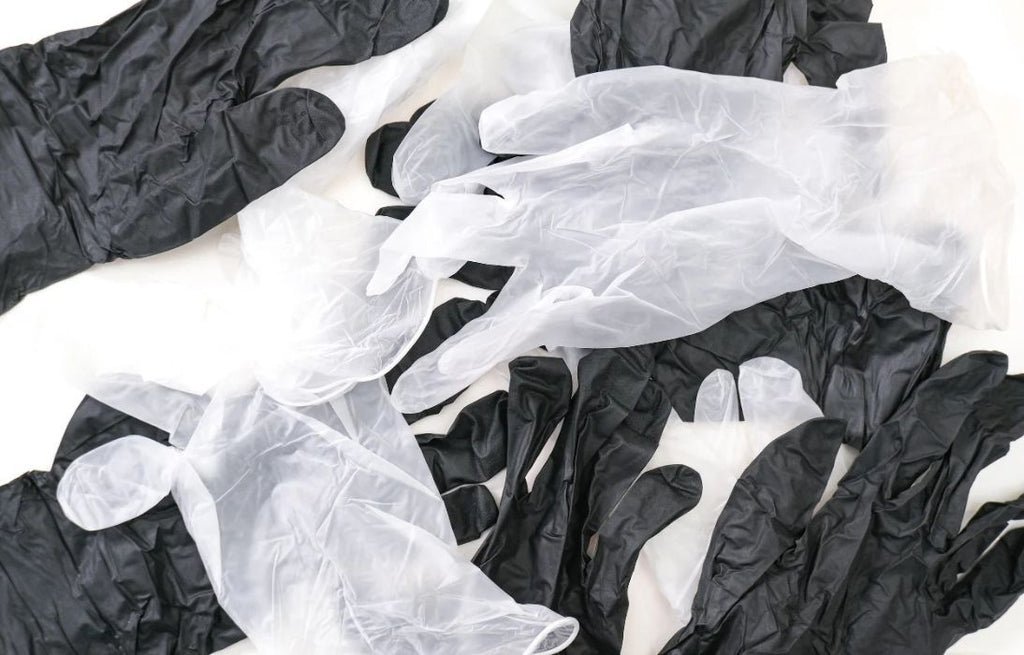
When you’re painting, protecting your hands is not just important—it’s essential. Chemicals in paints and solvents can harm your skin, cause irritation, or even lead to serious health issues.
Choosing the right chemical-resistant gloves is the key to keeping your hands safe and comfortable. But with so many options out there, how do you know which gloves will work best for you? You’ll discover simple tips and practical advice to help you pick the perfect gloves.
Keep reading to make sure your hands stay protected every time you paint.
Types Of Chemical-resistant Gloves
Chemical-resistant gloves protect your hands from harmful substances. Choosing the right type depends on the chemicals you use.
Each glove type has different strengths. Learn about common types to select the best gloves for painting.
Nitrile Gloves
Nitrile gloves resist many paints and solvents. They are strong and puncture-resistant. Nitrile is a good choice for most painting jobs.
These gloves fit well and offer good dexterity. They also protect against oils and greases.
Neoprene Gloves
Neoprene gloves resist a wide range of chemicals. They protect against acids, alcohols, and some solvents. Neoprene is flexible and comfortable.
These gloves work well for painting with strong chemicals. They offer good durability and grip.
Butyl Rubber Gloves
Butyl rubber gloves protect against ketones and esters. They resist permeation by many solvents. Butyl gloves are soft and stretchy.
They are ideal for handling strong chemicals during painting. Butyl gloves offer excellent chemical resistance but less puncture resistance.
Pvc Gloves
PVC gloves resist acids, alkalis, and fats. They work well with water-based paints and solvents. PVC gloves are affordable and durable.
These gloves are less flexible but provide good protection. They are best for light to medium chemical exposure.
Natural Rubber Gloves
Natural rubber gloves offer good elasticity and comfort. They protect against water-based chemicals. These gloves are less resistant to solvents.
Natural rubber is a good choice for light painting tasks. Avoid using them with strong chemicals or oils.

Credit: www.blastone.com
Key Factors To Consider
Selecting the right chemical-resistant gloves is important for safe painting. Gloves protect your skin from harmful chemicals and solvents.
Choosing gloves depends on many factors. This guide covers key points to help you pick the best gloves for your painting needs.
Chemical Compatibility
Gloves must resist the chemicals you use. Different gloves protect against different substances. Check the glove material against the chemicals in your paint.
- Nitrile gloves are good for oils and solvents.
- Butyl gloves resist ketones and esters.
- Neoprene gloves protect against acids and caustics.
- Latex gloves offer limited chemical resistance.
Glove Thickness And Length
Thicker gloves offer more protection but less feel. Longer gloves protect your wrists and forearms from splashes.
| Thickness | Protection Level | Comfort |
| Thin (4-6 mil) | Low | High dexterity |
| Medium (7-10 mil) | Moderate | Balanced |
| Thick (10+ mil) | High | Less dexterity |
Dexterity And Comfort
Gloves should fit well and allow easy movement. Comfortable gloves help you work longer without fatigue. Look for gloves with flexible materials and good fit.
Durability And Reusability
Some gloves are made for single use. Others can be cleaned and reused. Consider these points:
- Disposable gloves reduce cross-contamination.
- Reusable gloves save money over time.
- Inspect gloves regularly for tears or damage.
- Follow cleaning instructions for reusable gloves.
Assessing Chemical Hazards In Painting
Choosing the right gloves for painting means knowing the chemicals you will use. Chemicals can harm your skin if gloves do not protect well.
Assessing chemical hazards helps find gloves that resist damage and keep you safe during work.
Common Chemicals In Paints
Paints contain many chemicals. Some are harsh and need special gloves.
- Solvents like toluene and xylene
- Acids and alkalis
- Resins and binders
- Plasticizers and additives
- Heavy metals such as lead or chromium
Solvent Resistance Needs
Solvents can quickly break down some glove materials. Check glove resistance charts before use.
| Glove Material | Resistance to Solvents |
| Nitrile | Good for most solvents |
| Latex | Poor resistance to solvents |
| Neoprene | Good resistance to acids and solvents |
| Butyl | Excellent for ketones and esters |
Exposure Duration And Frequency
Long or repeated exposure needs stronger glove protection. Gloves can wear out faster with more contact.
- Short use: thinner gloves may work
- Frequent use: thicker, durable gloves are better
- Long use: gloves must resist chemical soak-through
- Replace gloves often to keep safe
Selecting Gloves Based On Painting Tasks
Choosing the right chemical-resistant gloves is important for each painting task. Different methods need different glove materials and thicknesses. This helps protect your skin from harmful chemicals and paint.
Understanding the task you will do helps you pick gloves that last longer and keep you safe. Let’s look at how to select gloves for spray painting, brush and roller painting, and cleaning.
Spray Painting
Spray painting uses fine mist that can reach your skin easily. Gloves must stop paint and solvents from soaking through. Look for gloves made from nitrile or butyl rubber. These materials resist solvents well.
- Choose gloves with a tight fit for better control
- Pick gloves that cover the wrist fully
- Check for thickness of at least 6 mils to resist chemicals
- Use gloves that allow good finger movement
Brush And Roller Painting
Brush and roller painting often involve thicker paints like latex or oil-based paints. Gloves need to resist paint and cleaning solvents. Latex, neoprene, or nitrile gloves work well here.
| Glove Material | Best For | Durability |
| Latex | Water-based paints | Moderate |
| Nitrile | Oil-based paints and solvents | High |
| Neoprene | Strong solvents and chemicals | High |
Cleaning And Maintenance
Cleaning brushes and rollers requires gloves that handle strong solvents and detergents. Gloves should be thick and resistant to chemicals used in cleaning. Butyl rubber gloves work well for this.
Follow these tips for cleaning gloves:
- Wear gloves that cover your wrists and forearms
- Choose gloves resistant to harsh chemicals like paint thinners
- Inspect gloves for holes before and after use
- Wash gloves with mild soap after cleaning tasks
Proper Glove Care And Maintenance
Chemical-resistant gloves protect your skin from harmful paint chemicals. Taking care of your gloves keeps them safe and lasts longer.
Proper cleaning, storing, and checking your gloves help maintain their strength and effectiveness.
Cleaning Techniques
Clean gloves after each use to remove paint and chemicals. Use mild soap and water for best results.
Avoid harsh chemicals or solvents that can damage glove material. Rinse well and dry completely before storing.
- Use lukewarm water and mild soap
- Gently scrub with a soft brush if needed
- Rinse gloves thoroughly to remove all soap
- Dry gloves with a clean cloth or air dry
Storage Tips
Store gloves in a cool, dry place away from sunlight. Heat and light can weaken glove material.
Keep gloves away from sharp objects and chemicals that may cause damage or contamination.
- Store gloves flat or hanging to avoid creases
- Keep gloves in a sealed container or bag
- Avoid storing near heat sources or direct sunlight
- Label storage area for easy glove access
Inspection For Damage
Check gloves before each use to find holes, tears, or cracks. Damaged gloves do not protect well.
Look for stiff or sticky areas that show glove material is breaking down. Replace gloves if you find damage.
- Inspect gloves in good light
- Check fingertips, palms, and seams carefully
- Feel for changes in texture or thickness
- Discard gloves with any visible damage

Credit: www.superiorglove.com
Safety Standards And Certifications
Selecting the right chemical-resistant gloves protects your hands during painting. Safety standards and certifications guide you to choose gloves that work well with chemicals.
These standards ensure gloves meet quality and safety requirements. Knowing them helps you pick gloves that keep you safe and comfortable.
En Standards
EN standards are European rules for protective gloves. EN 374 is the key standard for chemical resistance. It tests gloves for protection against chemicals and microorganisms.
- EN 374-1:Lists chemicals used for testing.
- EN 374-2:Tests gloves for penetration by liquids.
- EN 374-3:Measures chemical permeation rates.
Ansi Ratings
ANSI ratings are used in the United States to rate glove resistance. They include levels for cut, puncture, and chemical resistance. Ratings help you compare gloves for specific tasks.
| Rating Type | Scale | Meaning |
| Cut Resistance | 1 to 9 | 1 is low, 9 is highest |
| Puncture Resistance | 1 to 5 | 1 is low, 5 is highest |
| Chemical Resistance | A to F | A is low, F is highest |
Osha Guidelines
OSHA sets safety rules for workplace gloves. It requires employers to provide gloves that protect against chemicals. OSHA also advises on glove selection based on risk and exposure.
OSHA recommends considering these factors:
- Type of chemical used
- Duration of contact
- Glove material compatibility
- Glove thickness and durability

Credit: harmonycr.com
Frequently Asked Questions
What Materials Are Best For Chemical-resistant Painting Gloves?
Nitrile, neoprene, and butyl rubber gloves offer strong chemical resistance. Choose based on the specific paint and solvents you use. Each material protects against different chemicals and provides varying durability and flexibility.
How To Determine The Right Glove Size For Painting?
Measure your hand’s width across the knuckles without the thumb. Gloves should fit snugly but allow finger movement. Proper sizing ensures comfort and prevents chemical exposure through gaps or tears.
Can Chemical-resistant Gloves Protect Against All Paint Types?
No glove protects against every chemical. Check the glove manufacturer’s chemical resistance chart. Match gloves to the paint and solvents you handle for effective protection.
How Often Should Painting Gloves Be Replaced?
Replace gloves if they show tears, holes, or chemical degradation. Also, change gloves after heavy chemical exposure to maintain safety and effectiveness during painting tasks.
Conclusion
Choosing the right chemical-resistant gloves for painting protects your hands. Consider the type of chemicals you’ll encounter. Different gloves suit different chemicals. Check for comfort and fit. Gloves should not be too tight or loose. Material matters. Latex, nitrile, and neoprene offer varying protection.
Always inspect gloves for damage before use. Replace them regularly for safety. Proper glove care extends their life. Store them away from sunlight. By taking these steps, you ensure safety while painting. Remember, your hands are important. Keep them safe with the right gloves.