Choosing the right helmet is crucial for your safety, whether you’re cycling, motorcycling, or engaging in any high-impact sport. You want protection, peace of mind, and confidence as you navigate your activities.
But with so many options out there, how do you know which helmet is truly impact-resistant? This guide will help you make an informed decision, so you can enjoy your adventures without worrying about head injuries. Stick around to discover key factors that set the best helmets apart and ensure you’re making a choice that prioritizes your safety.
Credit: gearjunkie.com
Importance Of Impact-resistant Helmets
Impact-resistant helmets protect your head from serious injuries. They absorb shocks during accidents.
Wearing the right helmet can save your life. It reduces the risk of brain damage.
Protecting Your Brain
Your brain is soft and fragile. Impact-resistant helmets act as a barrier to reduce force on your head.
Without this protection, even small accidents can cause serious brain injuries.
Preventing Skull Fractures
Helmets with strong outer shells protect your skull from cracks and breaks. They spread the impact force.
This lowers the chance of fractures and helps keep your head safe.
Reducing Risk Of Serious Injuries
Impact-resistant helmets reduce injuries like cuts, bruises, and concussions. They keep you safer in crashes.
Using a helmet can make the difference between a mild injury and a life-threatening one.
Improving Visibility And Safety
Many impact-resistant helmets come with reflective materials. These help others see you better in low light.
Better visibility lowers the chance of accidents and increases your safety on the road.
Types Of Impact-resistant Helmets
Impact-resistant helmets protect your head during accidents. Choosing the right type depends on your needs and riding style.
Here are the main types of helmets designed to keep you safe on the road.
Full-face Helmets
Full-face helmets cover the entire head and face. They offer the highest protection level, including chin guards and visors.
This type is ideal for high-speed riding and rough conditions.
Modular Helmets
Modular helmets combine features of full-face and open-face helmets. The chin bar can flip up to open the face area.
This design allows for convenience without losing much protection.
Open-face Helmets
Open-face helmets protect the top and sides of the head but leave the face exposed.
They provide good ventilation and a wide field of view but less face protection.
Half Helmets
Half helmets cover only the top part of the head. They are lightweight and offer minimal protection.
- Light and comfortable for short rides
- Less coverage means less protection
- Best for low-speed travel
Specialized Helmets
| Helmet Type | Use Case | Key Feature |
|---|---|---|
| Motocross Helmets | Off-road riding | Extra chin protection and ventilation |
| Racing Helmets | Track racing | Lightweight with aerodynamic design |
| Snowmobile Helmets | Snow riding | Insulated and resistant to cold |
Choose specialized helmets based on your specific activity for the best safety and comfort.
Key Safety Standards To Look For
Impact-resistant helmets protect your head during accidents. Safety standards ensure helmets meet strict rules. Knowing these standards helps you pick the right helmet.
Different countries have different safety tests. Look for certification labels to know a helmet is tested and safe.
Dot Certification
The Department of Transportation (DOT) sets rules in the USA. DOT certification means the helmet passed impact and penetration tests. It also checks the helmet’s retention system.
Look for the DOT sticker on the back of the helmet. This label shows the helmet meets US safety standards.
Ece Certification
The Economic Commission for Europe (ECE) sets helmet standards in many countries. ECE 22.05 or ECE 22.06 are common labels. These tests check impact absorption and helmet strength.
ECE helmets must pass tests in a lab and during road use. This makes them very reliable for safety.
Snell Certification
Snell is a private organization that tests helmets with tough standards. Snell certification means the helmet passed high-level impact and durability tests.
These helmets are often used in racing. The Snell label shows the helmet is built for extra protection.
Other Regional Standards
Some regions have their own safety standards. For example, Japan uses JIS, and Australia uses AS/NZS standards. These tests check helmet quality and safety.
- JIS (Japan) tests impact and strap strength
- AS/NZS (Australia/New Zealand) checks shock absorption
- CMVSS (Canada) aligns closely with DOT rules
Check your local standards to be sure your helmet fits safety rules in your area.
Materials Used In Helmet Construction
Choosing an impact-resistant helmet means understanding its materials. Different materials protect in different ways.
Helmet shells use strong materials to absorb and spread impact forces. This helps keep your head safe.
Polycarbonate
Polycarbonate is a tough plastic used in many helmets. It is lightweight and affordable for most users.
This material absorbs impact by bending slightly. It protects well against sudden hits and cracks less easily.
Fiberglass Composite
Fiberglass composite combines glass fibers with resin. It makes the helmet shell strong and slightly flexible.
This material spreads impact forces over a larger area. It also resists heat and small cracks very well.
Carbon Fiber
Carbon fiber is a very strong and light material. It is made from thin strands of carbon woven together.
Helmets with carbon fiber shells offer excellent impact resistance. They are often used in high-end helmets.
Kevlar
Kevlar is a strong synthetic fiber used in bulletproof vests. It adds extra protection to helmet shells.
Kevlar helps helmets resist sharp objects and heavy impacts. It is usually combined with other materials.
Helmet Fit And Comfort
Choosing an impact-resistant helmet means focusing on fit and comfort. A helmet that fits well protects better and feels good to wear. This guide covers key points to find the right helmet for you.
Look closely at how the helmet fits your head. Comfort matters because you will wear it for long periods. The right features help you adjust and stay cool.
Measuring Your Head
Measure your head with a soft tape measure. Wrap it around the largest part of your head, just above your eyebrows. This size helps you pick a helmet that fits snugly.
- Use a flexible tape measure
- Measure just above your eyebrows and ears
- Note the size in centimeters or inches
- Compare the size to helmet size charts
Adjustable Features
Look for helmets with adjustable straps and dials. These features let you tighten or loosen the fit quickly. A good adjustment system keeps the helmet secure but not tight.
| Feature | Purpose |
| Chin Strap | Keeps helmet stable under the chin |
| Rear Dial | Adjusts tightness around the head |
| Side Straps | Help position the helmet properly |
| Buckle | Makes putting on and removing easy |
Padding And Lining
Padding adds comfort and absorbs sweat. Look for helmets with removable, washable padding. Soft lining materials reduce pressure points on your head.
- Check for thick but soft padding
- Ensure padding covers key contact areas
- Choose helmets with washable liners
- Replace padding if worn out
Ventilation Systems
Ventilation helps keep your head cool. Look for helmets with air vents placed for good airflow. Proper ventilation reduces sweat and increases comfort.
- Front intake vents for fresh air
- Rear exhaust vents to push hot air out
- Internal channels to guide airflow

Credit: gearjunkie.com
Additional Safety Features
Impact-resistant helmets protect your head during accidents. Choosing the right helmet means looking beyond the shell. Extra safety features add more protection and comfort.
These features include the way the helmet absorbs impact, how it stays secure, and visibility aids. Eye protection and reflective parts also keep you safer.
Impact Absorption Technology
Impact absorption is key to reducing head injuries. Helmets use special materials inside to absorb shock. This lessens the force that reaches your skull.
Look for helmets with multi-layer foam or advanced liners. These materials spread out impact energy to protect better.
Chin Straps And Buckles
Chin straps keep your helmet on your head during a crash. They must fit well and hold tight. Loose straps can make the helmet useless.
Good helmets have adjustable straps and strong buckles. Quick-release buckles help you take off the helmet fast in emergencies.
- Adjust straps to fit snugly under your chin
- Check buckles for easy fastening and release
- Choose materials that do not irritate your skin
Reflective Elements
Reflective parts on helmets improve visibility in low light. They reflect car headlights and street lamps. This helps drivers see you better at night.
Some helmets have reflective stickers or paint. Others include built-in reflective strips on the shell or straps.
- Look for bright or reflective colors
- Check for reflective strips on all sides
- Use extra reflective tape for more safety
Visors And Eye Protection
Visors shield your eyes from wind, dust, and debris. They help you see clearly while riding. Some visors also protect from sun glare.
Choose helmets with adjustable or removable visors. Some have anti-fog and scratch-resistant coatings for better vision.
Testing And Quality Assurance
Choosing an impact-resistant helmet means trusting its safety features. Testing and quality checks ensure the helmet protects you well. This guide explains key tests and what to look for in a manufacturer.
Knowing how helmets are tested helps you pick the best one for your needs. Quality assurance proves the helmet meets safety standards and lasts through tough use.
Impact Testing Methods
Helmets undergo several impact tests to check how well they absorb shocks. These tests simulate real accidents to ensure the helmet can protect your head from injury.
- Drop tests: Helmets are dropped from set heights onto hard surfaces.
- Penetration tests: Sharp objects try to pierce the helmet shell.
- Impact attenuation: Measures how much force passes through the helmet.
- Retention system tests: Check the strength of straps and buckles.
Durability Checks
Durability tests show how long helmets last under daily use and rough conditions. These checks include exposure to weather, sweat, and repeated impacts.
| Durability Test | Purpose | What It Checks |
| UV Exposure | Simulates sunlight damage | Shell strength and color stability |
| Temperature Cycles | Tests extreme heat and cold | Material flexibility and cracks |
| Repeated Impact | Simulates multiple hits | Shock absorption over time |
| Strap Wear | Tests fastening durability | Retention system reliability |
Manufacturer Reputation
Check the helmet brand’s history of safety and quality. Trusted manufacturers follow strict guidelines and often have certifications from safety organizations.
Look for these signs of a reliable helmet maker:
- Safety standard certifications like DOT, ECE, or Snell
- Positive user reviews about helmet performance
- Clear warranty and customer support policies
- Transparency about testing and materials used
Credit: gearjunkie.com
Budget Considerations
Selecting an impact-resistant helmet requires attention to your budget. You want good protection without overspending.
Understanding how to balance cost and safety helps you make smart choices. A helmet is an important investment.
Balancing Cost And Safety
Not all helmets cost the same. Some affordable helmets still meet safety standards. Look for helmets certified by safety organizations.
Cheaper helmets may lack features like better padding or durability. Spending a little more often gives better protection and comfort.
- Check for safety certifications before buying
- Compare features like padding and shell strength
- Avoid very cheap helmets with unclear safety ratings
- Consider helmets with good reviews on safety and comfort
Long-term Investment Benefits
A quality helmet lasts longer and protects better. Spending more now can save money later by avoiding replacements.
High-quality helmets often come with warranties and better materials. This means less chance of damage and better safety over time.
- Durable helmets reduce the need for frequent replacement
- Better safety means less risk of injury and medical costs
- Comfort features encourage regular use and protection
- Warranties add value and peace of mind
Maintenance And Replacement Guidelines
Impact-resistant helmets protect your head during accidents. Keeping your helmet clean and knowing when to replace it ensures safety. Proper storage helps keep it in good shape for a long time.
This guide covers cleaning tips, signs for replacement, and how to store your helmet well.
Cleaning Tips
Regular cleaning removes dirt and sweat that can wear out your helmet. Use gentle methods to avoid damage.
- Use a soft cloth with mild soap and warm water.
- Clean the inner padding by hand washing with mild detergent.
- Rinse well and air dry the padding before placing it back.
- Never use harsh chemicals or solvents on the helmet shell.
- Avoid machine washing or drying parts of the helmet.
When To Replace Your Helmet
Helmets lose protection over time or after a crash. Replace your helmet if you notice any damage or old age signs.
| Condition | Replacement Advice |
| Visible cracks or dents | Replace immediately |
| After any strong impact | Replace even if no damage shows |
| More than 5 years old | Consider replacement due to material wear |
| Worn or loose straps | Repair or replace helmet |
| Compromised inner padding | Replace or repair to ensure fit |
Storage Recommendations
Store your helmet in a safe place to keep it strong and ready for use.
- Keep the helmet away from direct sunlight to avoid material damage.
- Store it in a cool, dry place to prevent mold and mildew.
- Use a helmet bag or soft cloth cover to protect from dust and scratches.
- Avoid placing heavy objects on top of the helmet.
- Do not hang the helmet by its straps as this can weaken them.
Frequently Asked Questions
What Makes A Helmet Impact-resistant?
An impact-resistant helmet has a tough outer shell and an energy-absorbing liner. It reduces force during collisions. Quality materials and safety certifications ensure strong protection from impacts.
How To Check Helmet Safety Certifications?
Look for certifications like DOT, ECE, or Snell on the helmet label. These prove the helmet meets strict safety standards. Certified helmets guarantee tested impact resistance and reliability.
Which Materials Offer Best Impact Resistance?
Polycarbonate, fiberglass, and carbon fiber provide excellent impact resistance. These materials absorb shocks well and keep the head safe. Choose helmets made from these for optimal protection.
How To Ensure Proper Helmet Fit?
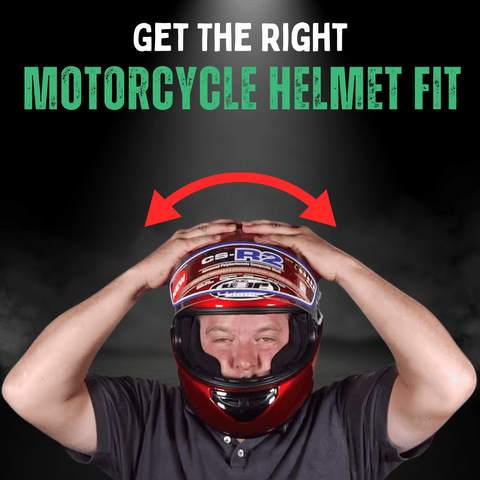
A well-fitting helmet sits snugly without pressure points. Measure your head and try sizes for comfort. Proper fit maximizes protection and prevents helmet movement during impact.
Conclusion
Choosing the right impact-resistant helmet keeps your head safe. Focus on fit, certification, and comfort first. Check the helmet’s materials and design carefully. A good helmet can reduce injury during accidents. Don’t ignore the importance of proper adjustment. Test different helmets to find what feels best.
Safety should always come before style or price. Protect yourself every time you ride or work. Your helmet is your first line of defense. Stay safe and choose wisely.