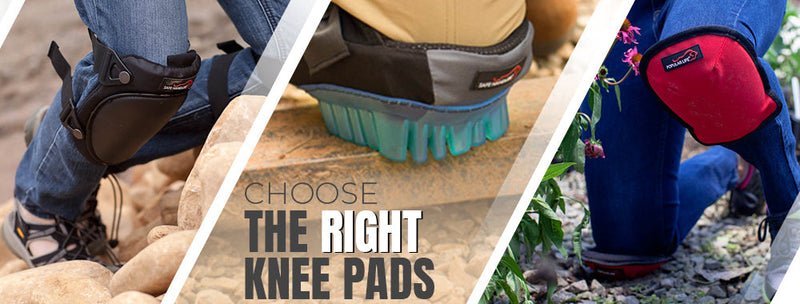
If you work in construction, you know how tough your knees take it every day. Choosing the right knee pads isn’t just about comfort—it’s about protecting yourself from pain and injury while you work.
But with so many options out there, how do you pick the perfect pair that fits your needs? You’ll discover simple, practical tips to help you select knee pads that keep you safe, comfortable, and ready to tackle any job.
Keep reading—you deserve gear that works as hard as you do.
Credit: nocry.com
Types Of Knee Pads
Knee pads protect workers from injuries on construction sites. Choosing the right type is important for comfort and safety. Different knee pads suit different tasks and surfaces.
This guide explains the main types of knee pads used in construction work.
Gel Knee Pads
Gel knee pads contain a soft gel layer that cushions the knees. They reduce pressure and provide good shock absorption. These pads are good for long periods of kneeling on hard surfaces.
Foam Knee Pads
Foam knee pads use dense foam to protect your knees. They are lightweight and flexible. Foam pads work well on smooth surfaces but may wear out faster than gel pads.
Hard Cap Knee Pads
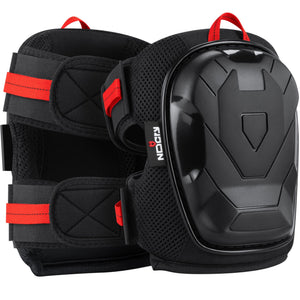
Hard cap knee pads have a tough outer shell made of plastic or rubber. This shell protects against sharp objects and rough surfaces. They are ideal for roofing and heavy construction jobs.
- Protects from sharp debris
- Durable on rough surfaces
- Easy to slide on hard floors
- May be less flexible than soft caps
Soft Cap Knee Pads
Soft cap knee pads have a padded outer cover that is softer than hard caps. They offer comfort and some protection on indoor floors. These pads are good for drywall and flooring work.
| Type | Best For | Key Features |
| Gel Knee Pads | Long kneeling on hard surfaces | Soft gel cushioning, shock absorption |
| Foam Knee Pads | Smooth surfaces, light use | Lightweight, flexible, less durable |
| Hard Cap Knee Pads | Rough, sharp surfaces | Hard shell, strong protection |
| Soft Cap Knee Pads | Indoor work, flooring | Soft outer cover, comfortable |
Key Features To Consider
Choosing the right knee pads is important for safety and comfort on construction sites. Good knee pads protect your knees and help you work longer without pain.
Look closely at certain features before buying. These features affect how well the knee pads will work for you.
Comfort And Fit
Knee pads should fit snugly without causing pain. They must stay in place during movement. Padding thickness and shape matter for comfort.
- Check padding softness
- Try different sizes for best fit
- Look for ergonomic designs
Durability And Material
Strong materials make knee pads last longer. Look for tough outer shells and high-quality foam inside. Water resistance helps in wet conditions.
| Material | Durability | Common Use |
| Polyurethane | High | Heavy-duty work |
| EVA Foam | Medium | Light work, comfort |
| Neoprene | Medium | Water resistance |
Protection Level
Good knee pads protect against sharp objects and hard surfaces. Look for impact resistance and shock absorption features. Thick outer layers help.
Breathability
Breathable knee pads reduce sweat and heat buildup. Mesh panels and ventilation holes allow air to flow. This keeps skin dry and comfortable.
Adjustability
Adjustable straps help secure knee pads properly. Velcro or buckle fasteners allow quick changes. Make sure straps do not cut off circulation.
- Look for easy-to-use fasteners
- Check strap length and elasticity
- Ensure straps hold pads firmly in place
Sizing And Fit Tips
Choosing the right knee pads for construction work is important. Good fit helps protect your knees and keeps you comfortable.
Focus on measuring your knees, understanding strap types, and trying knee pads on before buying.
Measuring Your Knees
Measure your knees to find the right size knee pads. Use a soft tape measure to get the best fit.
Measure around your knee cap while your leg is bent at a 90-degree angle. This helps match the knee pad shape.
- Wrap tape around the center of your knee cap
- Keep the tape snug but not tight
- Note the measurement in inches or centimeters
- Compare with size charts from the knee pad brand
Strap Options
Knee pads use different strap types to hold them in place. Choose straps that fit your comfort and work style.
Common strap types include elastic bands, Velcro straps, and adjustable buckles. Each type offers different support and ease of use.
- Elastic bands:Stretchy and easy to wear but may loosen over time
- Velcro straps:Adjustable and quick to fasten or remove
- Adjustable buckles:Secure fit with more control but take more time to adjust
Trying Them On
Try on knee pads before buying to check comfort and fit. Wear your usual work pants to test properly.
Move your knees and squat to see if the pads stay in place. Make sure straps do not pinch or cause discomfort.
- Wear knee pads with your work clothes
- Bend and kneel to test movement
- Check for tightness or slipping straps
- Choose pads that feel stable and comfortable

Credit: tingleyrubber.com
Best Knee Pads For Different Construction Tasks
Knee pads protect your knees during construction work. Different tasks need different knee pads.
Choosing the right knee pads helps you work safely and comfortably all day.
Heavy-duty Construction
Heavy-duty jobs need strong knee pads. Look for thick padding and tough outer shells.
Hard caps protect your knees from sharp objects and rough surfaces on site.
- Use knee pads with gel or foam padding for comfort
- Choose ones with durable hard caps for impact protection
- Adjustable straps help keep the pads secure
Light-duty Tasks
Light tasks need lighter knee pads. Soft pads work well on smooth floors.
Look for slim designs that allow easy movement and good breathability.
- Choose foam or soft gel padding for comfort
- Lightweight materials reduce fatigue
- Slip-on designs are easy to wear and remove
Indoor Vs Outdoor Work
Indoor work needs knee pads that protect floors and allow smooth movement.
Outdoor work requires knee pads that resist water, dirt, and rough surfaces.
| Work Type | Knee Pad Features |
|---|---|
| Indoor | Soft soles, non-marking, breathable fabric |
| Outdoor | Water-resistant, hard caps, durable straps |
Maintenance And Care
Proper maintenance keeps your knee pads in good shape. It helps them last longer and stay comfortable.
Taking care of your knee pads prevents damage and protects your knees during work.
Cleaning Tips
Clean your knee pads regularly to remove dirt and sweat. This stops odor and bacteria build-up.
Use mild soap and warm water. Avoid harsh chemicals that can damage the material.
- Remove any straps or inserts before washing
- Hand wash or use a gentle machine cycle
- Air dry completely before use
- Do not use a dryer or direct heat
Storage Advice
Store knee pads in a dry, cool place. Keep them away from direct sunlight and moisture.
Proper storage keeps the pads from losing shape and prevents mold growth.
- Keep knee pads flat or in their natural shape
- Use a storage bag or box to protect from dust
- Do not place heavy objects on top of them
When To Replace
Replace knee pads if they show signs of wear or damage. Old pads may not protect your knees well.
Check for cracks, tears, or compressed padding. These reduce comfort and safety.
- Replace if straps no longer hold securely
- Replace if padding feels hard or uneven
- Replace if outer shell is cracked or broken
- Replace if knee pain occurs while using pads
Budget Considerations
Choosing the right knee pads for construction depends on your budget. You want protection without spending too much.
Think about how often you will use knee pads and what features you need before buying.
Affordable Options
Many knee pads offer basic protection at a low price. These are good for occasional use or light work.
Look for knee pads with simple foam padding and adjustable straps. They keep knees safe without extra cost.
- Foam or gel padding
- Elastic or Velcro straps
- Lightweight materials
- Basic slip-resistant surfaces
Premium Features Worth Paying For
Higher-priced knee pads offer better comfort and durability. These help if you work long hours on hard surfaces.
Look for features like extra cushioning, hard caps, and breathable materials. These improve safety and fit.
- Gel or memory foam padding
- Impact-resistant hard caps
- Adjustable, padded straps
- Breathable, sweat-wicking fabric
- Ergonomic design for easy movement

Credit: tingleyrubber.com
Frequently Asked Questions
What Materials Are Best For Construction Knee Pads?
High-density foam and gel inserts offer excellent cushioning. Durable outer shells like hard plastic protect against sharp objects. Choose breathable fabrics to reduce sweat and discomfort during long use.
How To Determine The Right Knee Pad Size?
Measure around your knee’s center while slightly bent. Check manufacturer sizing charts carefully before buying. Properly fitting pads stay secure and prevent slipping or pinching.
Are Slip-resistant Knee Pads Necessary On Construction Sites?
Yes, slip-resistant soles improve stability on uneven or wet surfaces. They reduce the risk of falls and injuries. Always choose knee pads with good grip for safety.
Can Knee Pads Prevent Long-term Joint Damage?
Proper knee pads absorb shock and reduce pressure. They minimize wear on cartilage during repetitive tasks. Using them consistently helps protect knees from chronic injuries.
Conclusion
Choosing the right knee pads is crucial for construction work. Protecting your knees helps prevent injury and discomfort. Consider materials and fit for maximum comfort. Durability is key, so invest in quality knee pads. Look for adjustable straps for a secure fit.
Ensure they provide good cushioning and support. Check for breathability to reduce sweat. Testing them on-site can help in making a final decision. Remember, proper knee protection improves safety and productivity. Make a wise choice and safeguard your knees effectively.
Your knees will thank you for it. Stay safe and comfortable on the job site.