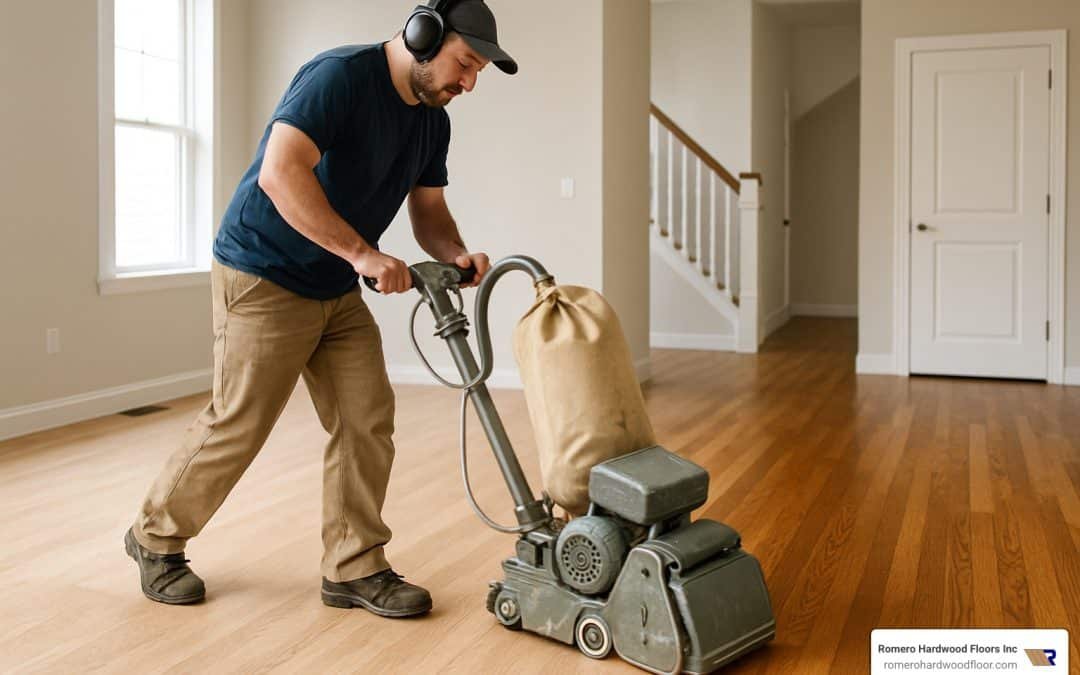
Are you gearing up for a floor sanding project? Whether you’re a DIY enthusiast or a seasoned professional, protecting your knees should be at the top of your priority list.
Knee pads are essential for anyone spending long hours on their knees, and the right pair can make all the difference between a smooth job and a painful ordeal. But with so many options available, how do you choose the perfect knee pads for floor sanding?
In this guide, you’ll discover the key factors to consider, from comfort and durability to fit and functionality. Say goodbye to discomfort and hello to efficiency as we walk you through the essential steps to selecting knee pads that will keep your knees happy and your project on track. Keep reading to ensure you make the best choice for your needs and elevate your floor sanding experience.
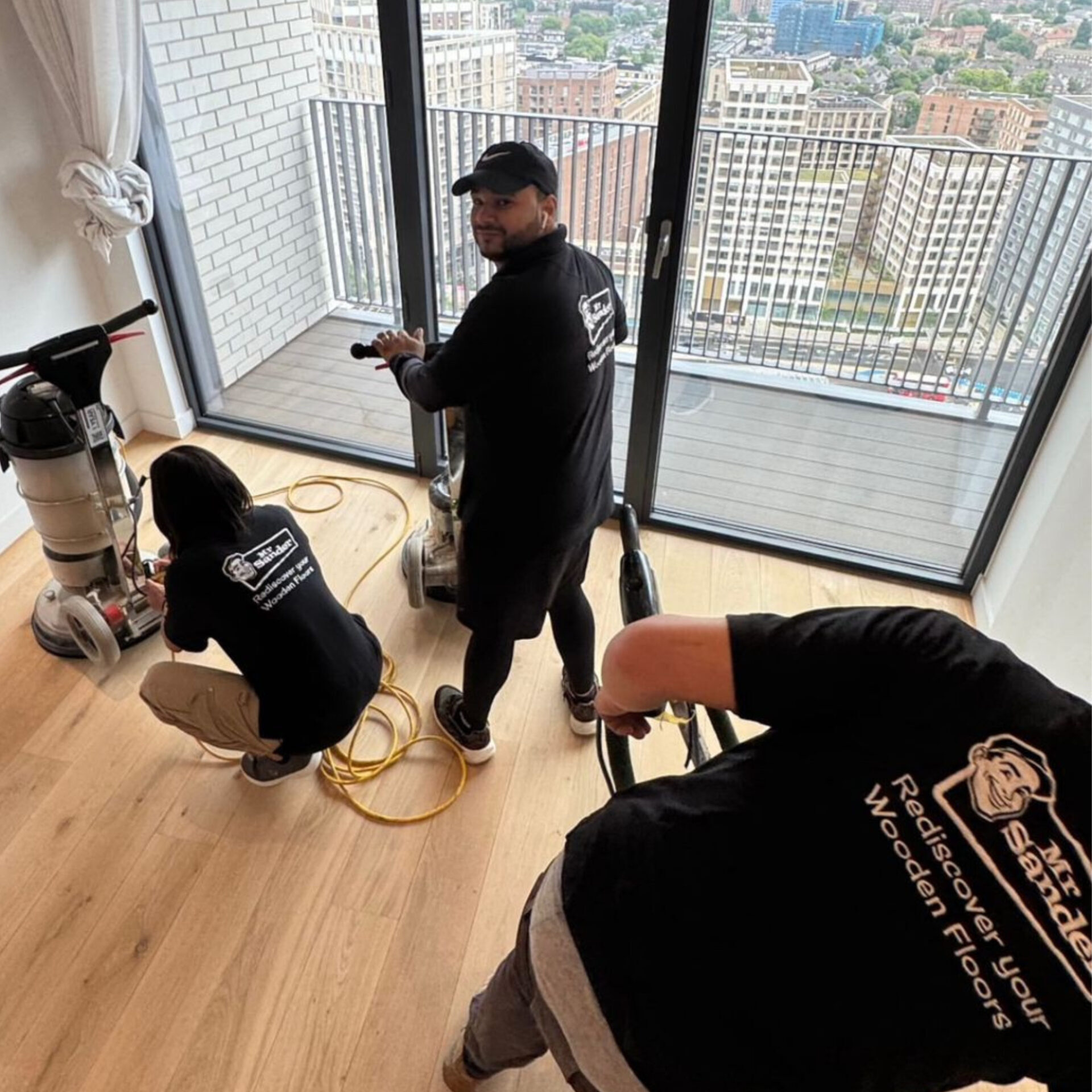
Credit: mrsander.co.uk
Key Features To Look For
Choosing the right knee pads is important for floor sanding work. Good knee pads protect your knees and make your job easier.
Look for certain features to find knee pads that offer comfort and safety during long hours of work.
Material Types
Knee pads come in many materials. The material affects durability and comfort.
Common materials include foam, gel, and rubber. Foam is light and soft. Gel offers better shock absorption. Rubber covers provide strong protection.
- Foam: Lightweight and comfortable
- Gel: Absorbs impact well
- Rubber: Durable and slip-resistant
Padding Thickness
Padding thickness is key for knee comfort. Thicker padding means more cushion.
Too thin padding can hurt your knees on hard floors. Too thick padding may feel bulky and hard to move in.
- Thin padding: Lightweight but less cushion
- Medium padding: Balanced comfort and mobility
- Thick padding: Maximum protection but bulkier
Adjustable Straps
Adjustable straps help you fit knee pads properly. A good fit keeps the pads in place.
Look for straps with strong fasteners like Velcro. They let you tighten or loosen the pads easily.
- Easy to adjust for different leg sizes
- Secure fastening to avoid slipping
- Comfortable strap material to prevent chafing
Breathability
Breathable knee pads reduce sweat and heat. This keeps your knees dry and comfortable.
Look for pads with mesh or perforated fabric. These allow air to flow while you work.
- Mesh panels for better airflow
- Lightweight fabrics that dry quickly
- Designs that prevent moisture build-up
Types Of Knee Pads
Knee pads protect your knees during floor sanding. They help reduce pain and injury. Choosing the right type is important for comfort and safety.
There are different knee pads made from various materials. Each type suits different needs and work styles.
Gel Knee Pads
Gel knee pads have a soft gel layer inside. This layer cushions your knees well during long work hours. They provide good support and reduce pressure.
These pads are flexible and fit comfortably. They also help absorb shocks from hard floors.
Foam Knee Pads
Foam knee pads use thick foam to protect your knees. Foam is lightweight and easy to move in. These pads are usually less expensive.
They work best on smooth floors but may wear out faster on rough surfaces.
Hard Cap Knee Pads
Hard cap knee pads have a tough outer shell. This shell protects your knees from sharp objects and rough floors. They are very durable.
These pads are good for heavy-duty sanding jobs but can feel stiff and less flexible.
Sizing And Fit
Choosing the right knee pads for floor sanding depends on proper sizing and fit. Good fit helps protect your knees and keeps you comfortable during work.
We will cover how to measure your knees and ensure knee pads fit securely. This helps you pick the best knee pads for your needs.
Measuring Your Knees
Measure your knees to find knee pads that fit well. Use a flexible tape measure and follow these points:
- Measure the circumference around your knee cap.
- Measure the distance from the top of your knee to just below your kneecap.
- Note the width of your knee from side to side.
Write down these numbers to compare with the sizing charts of knee pads. Proper measurements help avoid pads that are too tight or loose.
Ensuring A Secure Fit
Knee pads must stay in place while you move. Check these features for a secure fit:
| Feature | Why It Matters |
| Adjustable Straps | Allows tightening for a snug fit |
| Non-slip Material | Prevents sliding on smooth floors |
| Padded Interior | Provides comfort and reduces pressure |
| Proper Size | Avoids pinching or looseness |
Try knee pads on and move your knees in all directions. They should not shift or feel uncomfortable.
Durability And Protection
Choosing the right knee pads for floor sanding is important. They must last long and keep your knees safe.
Good knee pads protect against hard impacts and wear from rough surfaces.
Impact Resistance
Knee pads should absorb shocks from heavy tools and hard floors. Strong padding helps reduce pain and injury.
Look for knee pads with thick foam or gel inserts. These materials spread the force of impacts evenly.
- Foam padding cushions sharp hits
- Gel inserts mold to your knees
- Hard outer shells block direct blows
Wear And Tear
Floor sanding wears down knee pads fast. Choose pads made with tough materials for longer life.
Look for knee pads with strong fabric covers and reinforced stitching. These resist cuts and scrapes.
- Durable fabric stands up to rough floors
- Reinforced seams prevent ripping
- Replaceable covers extend pad life
Comfort Enhancements
Knee pads for floor sanding need to keep you comfortable. You spend long hours on your knees. Comfort helps reduce pain and fatigue.
Look for features that keep your knees dry and supported. These improvements make sanding easier and safer.
Moisture Wicking
Moisture-wicking fabric draws sweat away from your skin. This helps keep your knees dry and cool. It lowers the chance of skin irritation.
- Choose pads with breathable materials like mesh.
- Look for fabrics labeled as moisture-wicking.
- Check if the padding dries quickly after use.
- Consider covers that can be washed easily.
Ergonomic Design
Ergonomic knee pads fit the natural shape of your knees. They reduce pressure points and allow better movement. This design helps prevent strain during sanding.
| Feature | Benefit |
| Contoured shape | Fits knee curves comfortably |
| Flexible joints | Allows easy bending and kneeling |
| Adjustable straps | Keeps pads secure without tightness |
| Thick padding | Protects knees from hard surfaces |
Budget Considerations
Choosing the right knee pads for floor sanding depends on your budget. It is important to balance cost with quality to get the best value.
Thinking about the long-term use of knee pads can help you decide how much to spend. A smart choice saves money and protects your knees well.
Cost Vs. Quality
Cheap knee pads may save money at first but can wear out quickly. High-quality pads often last longer and offer better comfort and protection.
- Lower cost pads may have less padding and weaker materials.
- Mid-range pads balance price with durability and comfort.
- Premium pads use advanced materials and ergonomic design.
- Consider how often you will use the pads to choose wisely.
Long-term Investment
Investing in good knee pads saves money over time by reducing the need for replacements. They also reduce knee pain and improve work efficiency.
| Factor | Low-Cost Pads | High-Quality Pads |
| Durability | Short lifespan, needs frequent replacement | Lasts several years with heavy use |
| Comfort | Basic padding, may cause discomfort | Ergonomic design, cushioned support |
| Protection | Limited shock absorption | High shock absorption and knee safety |
| Cost Over Time | Higher due to replacements | Lower due to longevity |
User Reviews And Recommendations
Choosing the right knee pads for floor sanding can make your work easier and safer. Many users share their experiences to help others find good options.
Reading reviews helps you understand how knee pads perform in real jobs. Recommendations often focus on comfort, durability, and fit.
Popular Brands
Some brands appear often in user reviews for their quality knee pads. These brands offer different styles and levels of protection.
- 3M – Known for soft padding and long-lasting materials
- ProFlex – Offers adjustable straps and good knee support
- Wurth – Popular for tough build and comfort during long use
- DEWALT – Provides firm protection and stable fit
- Klein Tools – Favored for heavy-duty jobs and strong cushioning
Real-world Feedback
Users often mention how knee pads feel after hours of sanding. Comfort and breathability are common points in reviews.
Many recommend choosing pads with good strap adjustability. This helps keep the pads in place without cutting off circulation.
- Look for pads with thick foam or gel for better shock absorption
- Knee pads that stay in place reduce distractions and improve safety
- Easy to clean materials are preferred for long-term use
- Some users suggest trying pads on before buying to check fit
- Reviews warn against pads that wear out quickly or lose padding

Credit: sanding-wood-floors.co.uk
Maintenance Tips
Taking care of your knee pads for floor sanding keeps them working well. Regular maintenance helps them last longer.
Good cleaning and storage prevent damage and keep the pads comfortable. Follow these tips for best results.
Cleaning Methods
Clean your knee pads after each use to remove dust and dirt. This stops buildup that can wear out the pads.
Use a soft brush or cloth to wipe off loose dirt. For tougher stains, use mild soap with water.
- Remove the pads if possible before cleaning
- Use lukewarm water and mild soap
- Gently scrub with a soft brush or cloth
- Rinse well to avoid soap residue
- Let them air dry fully before storing
Storage Advice
Store your knee pads in a dry, cool place. Avoid areas with direct sunlight or heat.
Keep them away from sharp objects to prevent tears. Proper storage keeps the shape and padding firm.
- Use a clean bag or box for storage
- Do not fold or crush the pads
- Keep them dry to stop mold and odor
- Check pads regularly for damage
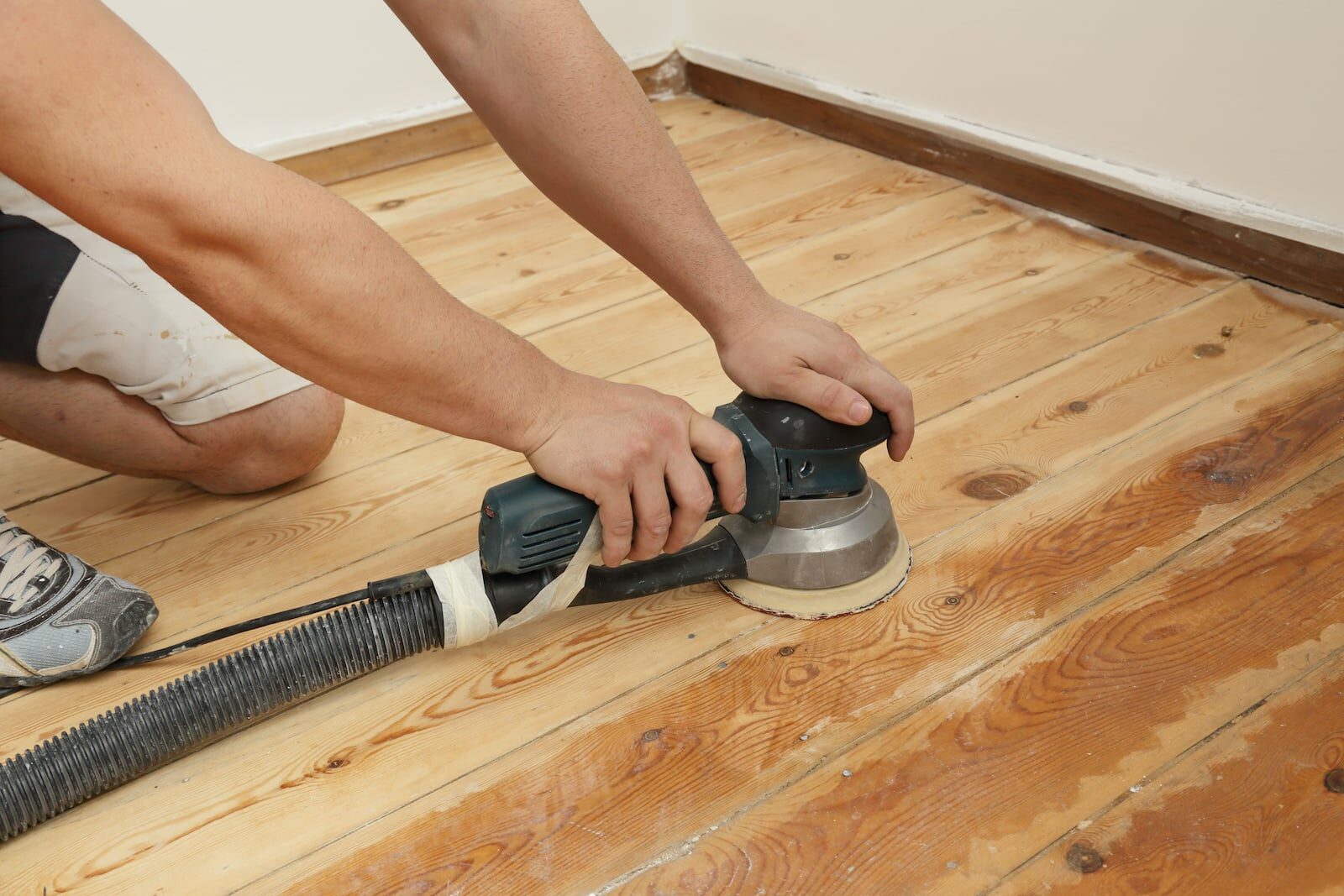
Credit: mrsander.co.uk
Frequently Asked Questions
What Are The Best Knee Pads For Floor Sanding?
The best knee pads for floor sanding offer firm cushioning, durable materials, and good knee support. Look for pads with thick foam, adjustable straps, and a non-slip outer shell. These features protect knees from hard surfaces and reduce fatigue during long sanding tasks.
How To Choose Knee Pad Cushioning For Sanding?
Choose knee pads with dense foam or gel cushioning. These materials absorb pressure and reduce knee pain. Foam cushions provide comfort, while gel pads offer extra shock absorption. Proper cushioning prevents discomfort and injury when kneeling on rough floors.
Why Is Knee Pad Durability Important For Sanding?
Durability ensures knee pads withstand abrasive floor sanding surfaces. High-quality materials like heavy-duty plastic or reinforced fabric prevent wear and tear. Durable knee pads last longer, saving money and providing consistent protection during multiple sanding projects.
Should Knee Pads Have Adjustable Straps For Sanding?
Yes, adjustable straps ensure a secure and comfortable fit. They prevent knee pads from slipping during movement. Proper fit enhances protection and allows flexibility while sanding floors. Look for knee pads with easy-to-use, adjustable Velcro or buckle straps.
Conclusion
Choosing the right knee pads makes floor sanding safer and easier. Comfort and protection matter most during long work hours. Consider fit, padding, and durability before buying. Well-chosen knee pads reduce pain and prevent injuries. They help you focus better on the sanding job.
Don’t rush the decision—take time to compare options. Good knee pads support your knees and improve work quality. Keep these tips in mind for your next sanding project. Your knees will thank you.