When you’re tackling an outdoor project, safety should be your top priority. Your feet are one of your most valuable assets, and protecting them is crucial.
Choosing the right safety footwear can make all the difference between a successful day on the job and a painful injury. Imagine working with confidence, knowing each step is secure and comfortable. You’ll be able to focus more on your project and less on your feet.
This guide will walk you through everything you need to consider when selecting safety footwear for outdoor projects. Keep reading, and you’ll discover how to make the best choice for your feet, ensuring both safety and comfort while you work.
Credit: gearjunkie.com
Types Of Safety Footwear
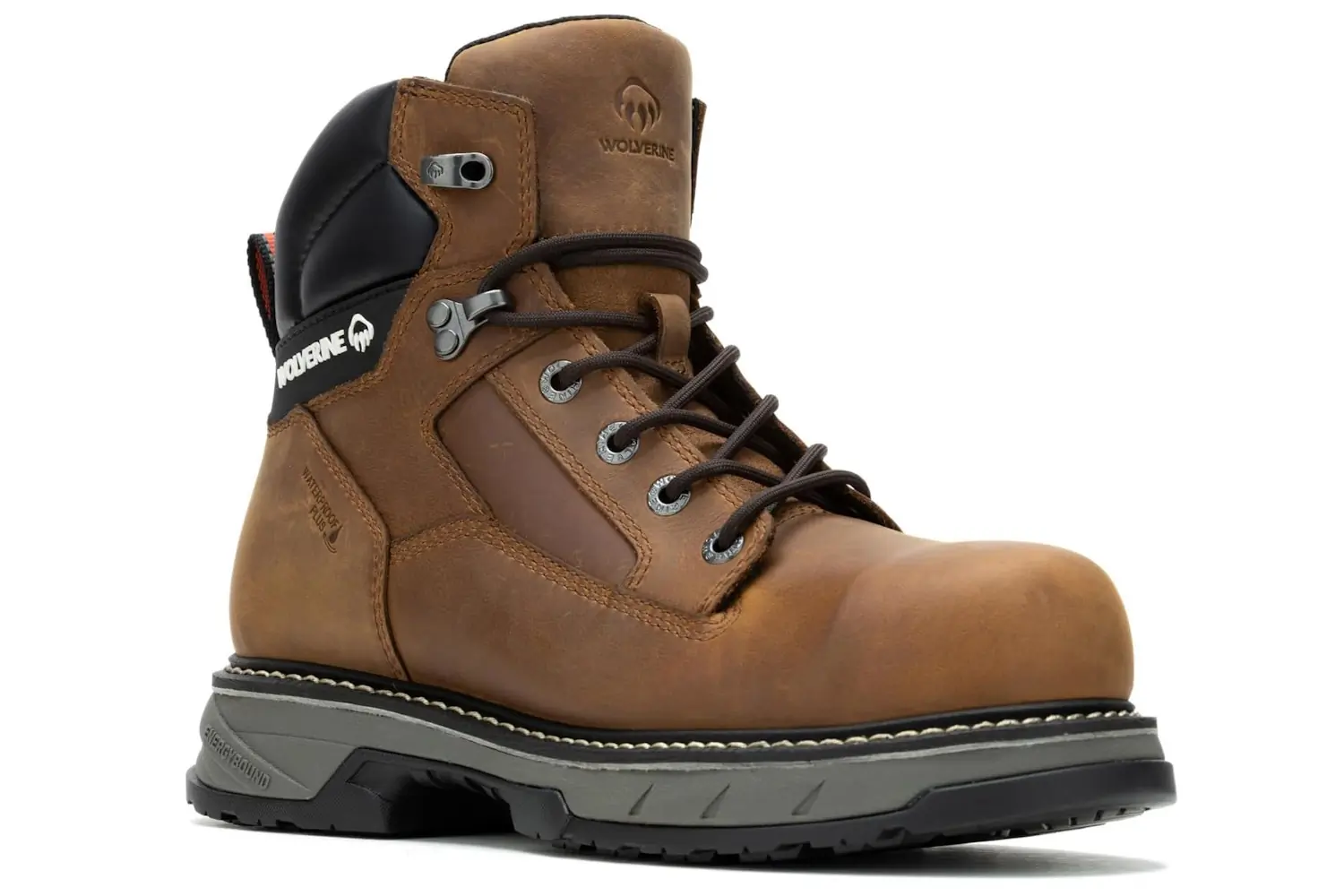
Safety footwear protects your feet during outdoor projects. Different types offer unique protection. Choose the right type for your work environment.
Knowing the features of each type helps you stay safe and comfortable. Let’s look at common types of safety footwear.
Steel Toe Boots
Steel toe boots have a strong metal cap in the toe area. This protects your feet from heavy falling objects.
They are durable and good for construction or industrial work. Steel toes provide solid impact protection but can be heavier.
Composite Toe Options
Composite toe boots use materials like plastic or carbon fiber for toe protection. They are lighter than steel toe boots.
These boots do not conduct heat or cold well. They are good for electrical work and places with metal detectors.
Waterproof Footwear
Waterproof boots keep your feet dry in wet conditions. They use special materials or coatings to stop water from entering.
These boots are useful for rainy or muddy outdoor projects. Staying dry helps prevent blisters and discomfort.
Slip-resistant Soles
Slip-resistant soles help prevent falls on slippery surfaces. They have special treads that grip the ground well.
These soles are important for work on wet or oily floors. They increase safety by reducing slip risks.
Key Safety Features
Choosing the right safety footwear is important for outdoor work. The shoes protect your feet from injuries and harsh conditions.
This guide covers key safety features to look for in safety footwear. Each feature helps keep your feet safe during outdoor projects.
Impact Resistance
Impact resistance protects your feet from heavy objects that may fall. Shoes with strong toe caps are best for this.
Look for boots that meet safety standards for impact. Steel or composite toe caps provide good protection.
Puncture Protection
Puncture protection stops sharp objects from piercing your shoe soles. This is important on rough outdoor sites.
Check if the footwear has a puncture-resistant midsole. Materials like steel or Kevlar help prevent injuries.
Electrical Hazard Safety
Electrical hazard safety protects you from electric shocks. This is key for work near power lines or electrical equipment.
Footwear with insulation and non-conductive soles reduces shock risks. Look for shoes tested for electrical hazards.
Heat And Cold Insulation
Insulated footwear keeps your feet warm in cold weather and cool in heat. This helps prevent injuries and discomfort.
Choose boots with insulation layers for cold climates. Breathable materials work well for hot conditions.
Material Considerations
Choosing the right material for safety footwear is important for outdoor projects. The material affects comfort, durability, and protection.
Understanding different materials helps you pick shoes that keep your feet safe and comfortable all day.
Leather Vs. Synthetic
Leather is strong and lasts a long time. It resists water and protects well against rough surfaces.
Synthetic materials are lighter and dry faster. They often cost less and can be easier to clean.
- Leather offers natural durability and water resistance
- Synthetic materials provide lightweight and quick-drying options
- Leather may need more care to keep it flexible
- Synthetics can be less breathable but dry fast
Breathability And Comfort
Good breathability keeps your feet cool and dry. This helps prevent blisters and bad smells.
Materials with mesh or perforations improve airflow. Soft linings add extra comfort during long work hours.
- Leather offers moderate breathability but is warmer
- Synthetic fabrics can have mesh for better airflow
- Look for cushioned insoles to reduce foot fatigue
- Proper ventilation helps reduce sweat buildup
Durability Factors
Durability matters because outdoor projects can be tough on shoes. Materials should resist tears and wear.
Look for reinforced toes and strong stitching. These features help shoes last longer in rough conditions.
- Leather is strong and resists cuts and scrapes
- Synthetic materials can resist water and stains
- Check for double stitching on stress points
- Reinforced toe caps protect against impacts
Credit: anyasreviews.com
Fit And Sizing Tips
Choosing the right safety footwear is important for comfort and protection. A proper fit helps prevent injuries and foot pain.
This guide gives tips to find the best fit for your outdoor work boots or shoes.
Measuring Your Feet
Measure your feet to know your exact size. Feet can change size over time or swell during the day.
Use a ruler or tape measure to check length and width. Measure both feet because one may be bigger.
- Stand on a piece of paper with your heel against a wall
- Mark the longest toe and the widest part of your foot
- Measure the marks with a ruler in inches or centimeters
- Repeat for the other foot
- Use the larger measurements to select your size
Trying On Footwear
Try safety boots on at the end of the day. Feet are usually larger then, so you get a better fit.
Wear the socks you will use on the job. Check for tight spots and enough toe space.
- Walk around the store or room to test comfort
- Your heel should not slip when walking
- There should be about a half inch of space at the toe
- Boots should feel snug but not tight
- Check if the boot supports your arch well
Break-in Period
New safety footwear may feel stiff at first. A break-in period helps the boots fit your feet better.
Wear the boots for short periods at first. Gradually increase the time as they become more comfortable.
- Wear boots indoors for a few hours daily
- Use thick socks to reduce friction
- Check feet for hot spots or blisters
- Do not force the boots if very uncomfortable
- Replace footwear if pain or damage occurs
Matching Footwear To Outdoor Conditions
Choosing the right safety footwear is key for outdoor projects. The right shoes keep you safe and comfortable.
Different outdoor conditions need different types of footwear. Match your boots to the environment you work in.
Wet And Muddy Terrain
Wet and muddy areas make shoes slippery and heavy. Waterproof boots help keep your feet dry and stable.
Look for boots with good grip and water-resistant materials. This stops mud from sticking and reduces slips.
- Waterproof leather or rubber materials
- Deep treads for better grip
- Quick-dry linings to keep feet comfortable
- Easy to clean surfaces
Rocky And Uneven Surfaces
Rocky ground can hurt your feet and make you lose balance. Boots with strong soles protect your feet well.
Choose footwear with thick, stiff soles and ankle support. This helps you walk safely on rough terrain.
- Hard, puncture-resistant soles
- Good ankle support for stability
- Shock-absorbing midsoles
- Toe protection like steel or composite caps
Extreme Temperatures
Hot or cold weather affects your feet during work. Insulated boots keep feet warm in cold climates.
In hot weather, choose breathable shoes that stop overheating. Proper footwear keeps your feet safe and dry.
- Insulation for cold environments
- Breathable materials for hot conditions
- Moisture-wicking liners
- Durable construction to handle temperature changes
Maintenance And Care
Proper maintenance keeps safety footwear effective and comfortable. It extends the life of your boots or shoes.
Cleaning, storing, and knowing when to replace your footwear are key steps to follow.
Cleaning Techniques
Clean your safety footwear regularly to remove dirt and grime. This prevents damage and keeps materials strong.
Use mild soap and water with a soft brush or cloth. Avoid harsh chemicals that can weaken the shoe.
- Remove loose dirt with a brush before washing
- Wipe with a damp cloth and mild soap
- Rinse with clean water without soaking shoes
- Let footwear air dry away from direct heat
Storage Recommendations
Store safety footwear in a cool, dry place to avoid mold and damage. Keep shoes away from direct sunlight.
Use shoe trees or stuff shoes with paper to keep their shape. Avoid stacking or crushing footwear.
- Keep shoes in a well-ventilated area
- Use a shoe rack or individual boxes
- Place moisture absorbers nearby in damp climates
- Do not store near chemicals or oils
When To Replace
Replace safety footwear if it shows signs of wear that reduce protection. Worn soles or damaged toes are a risk.
Check regularly for cracks, holes, or loose parts. Replace shoes if they no longer fit well or feel uncomfortable.
- Soles worn thin or with holes
- Cracked or broken toe caps
- Damaged or missing laces and eyelets
- Uncomfortable fit or loss of support
Budget And Brand Choices
Choosing the right safety footwear for outdoor projects is important. Your budget and brand choices affect protection and comfort.
You want shoes that keep you safe but also fit your budget. Good brands offer quality and durability.
Balancing Cost And Quality
Cheap safety shoes may not last long or protect well. Expensive shoes can offer better materials and comfort.
Look for shoes with good safety features and reasonable prices. Think about how long the shoes will last.
- Check for steel toe or composite toe protection
- Choose slip-resistant soles for outdoor work
- Consider waterproof or breathable materials
- Read reviews about durability and comfort
Top Brands For Safety Footwear
Some brands are known for making reliable safety footwear. These brands meet safety standards and have good reviews.
- Timberland PRO – strong and comfortable
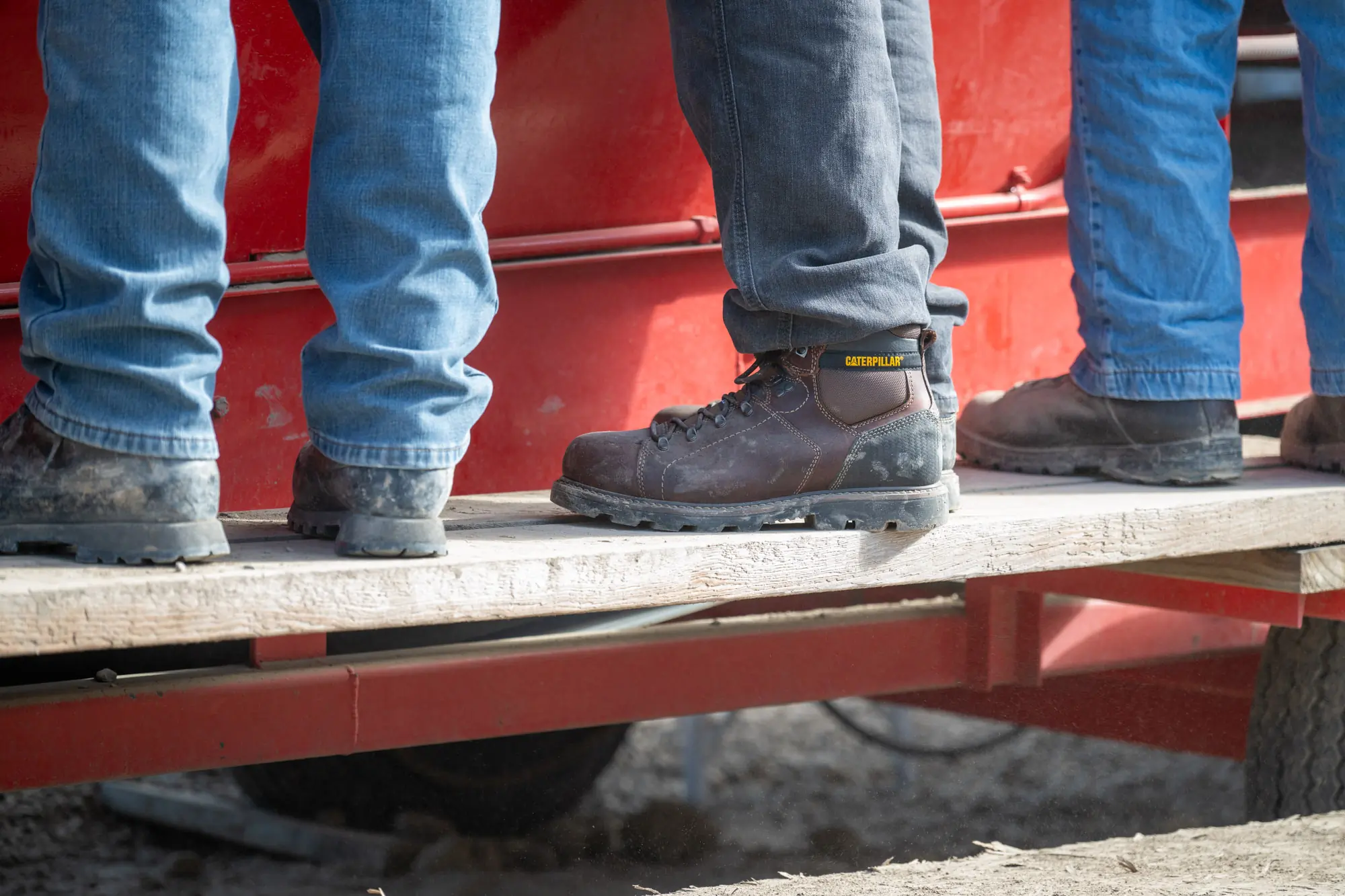
- Caterpillar – tough and durable
- KEEN Utility – good for outdoor use
- Red Wing – long-lasting and protective
- Dr. Martens – stylish and safe
Pick a brand that fits your needs and budget. Trusted brands often provide better support and warranties.
Warranty And Support
Check the warranty before buying safety shoes. A good warranty shows the brand trusts its product.
Some brands offer repair or replacement services. Customer support helps if you have problems with the shoes.
- Look for at least a one-year warranty
- Read warranty terms carefully
- Choose brands with clear return policies
- Contact support for advice on shoe care
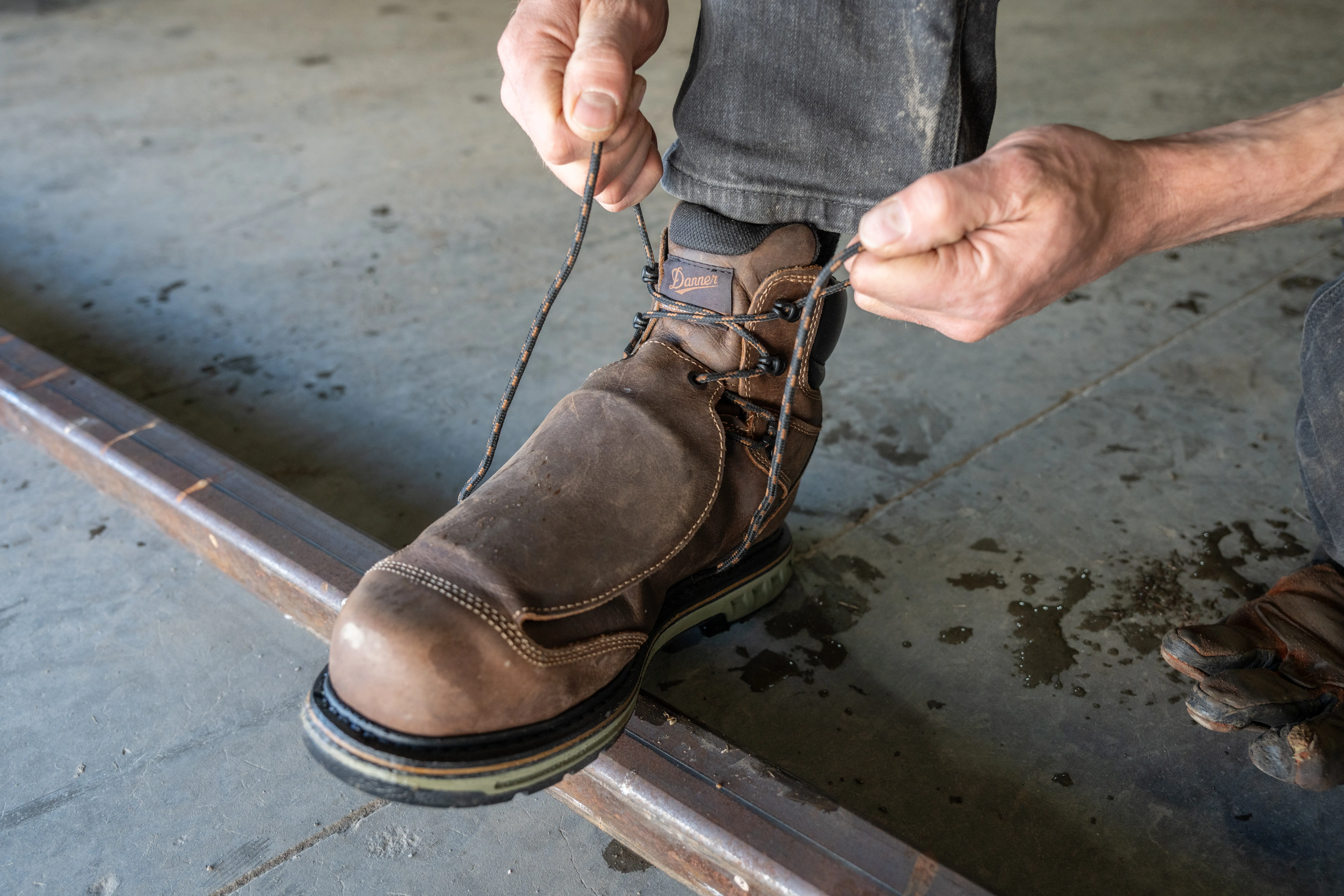
Credit: gearjunkie.com
Frequently Asked Questions
What Features Should Safety Footwear Have For Outdoor Projects?
Safety footwear for outdoor projects must offer slip resistance, waterproofing, and impact protection. Durable soles and ankle support are essential. These features protect against harsh terrain, sharp objects, and unpredictable weather, ensuring comfort and safety throughout the workday.
How To Choose The Right Size For Safety Boots?
Measure your feet at the end of the day for accuracy. Consider wearing thick socks used during work. Ensure there’s enough toe room and heel grip without tightness to prevent blisters and discomfort during extended outdoor use.
Why Is Waterproofing Important In Outdoor Safety Footwear?
Waterproof footwear keeps feet dry in wet conditions, preventing discomfort and fungal infections. It also maintains insulation, ensuring warmth during cold weather. This feature enhances safety and comfort for workers exposed to rain, mud, or snow.
Can Safety Footwear Prevent Common Outdoor Work Injuries?
Yes, safety footwear reduces risks of foot injuries like cuts, punctures, and sprains. Protective toe caps shield against heavy objects. Slip-resistant soles prevent falls on slippery surfaces, making them vital for outdoor project safety.
Conclusion
Choosing the right safety footwear protects your feet and boosts your comfort. Focus on fit, material, and safety features. Consider the work environment and weather conditions. Durable shoes help you work longer without pain. Good footwear reduces injuries and keeps you safe.
Take time to compare options before buying. Your feet will thank you every day. Safety starts from the ground up. Keep these tips in mind for safer outdoor projects.